
San Andrés & Providencia
The Sea of Seven Colors and island vibes 🏝️🐠🌊
Click a region to explore
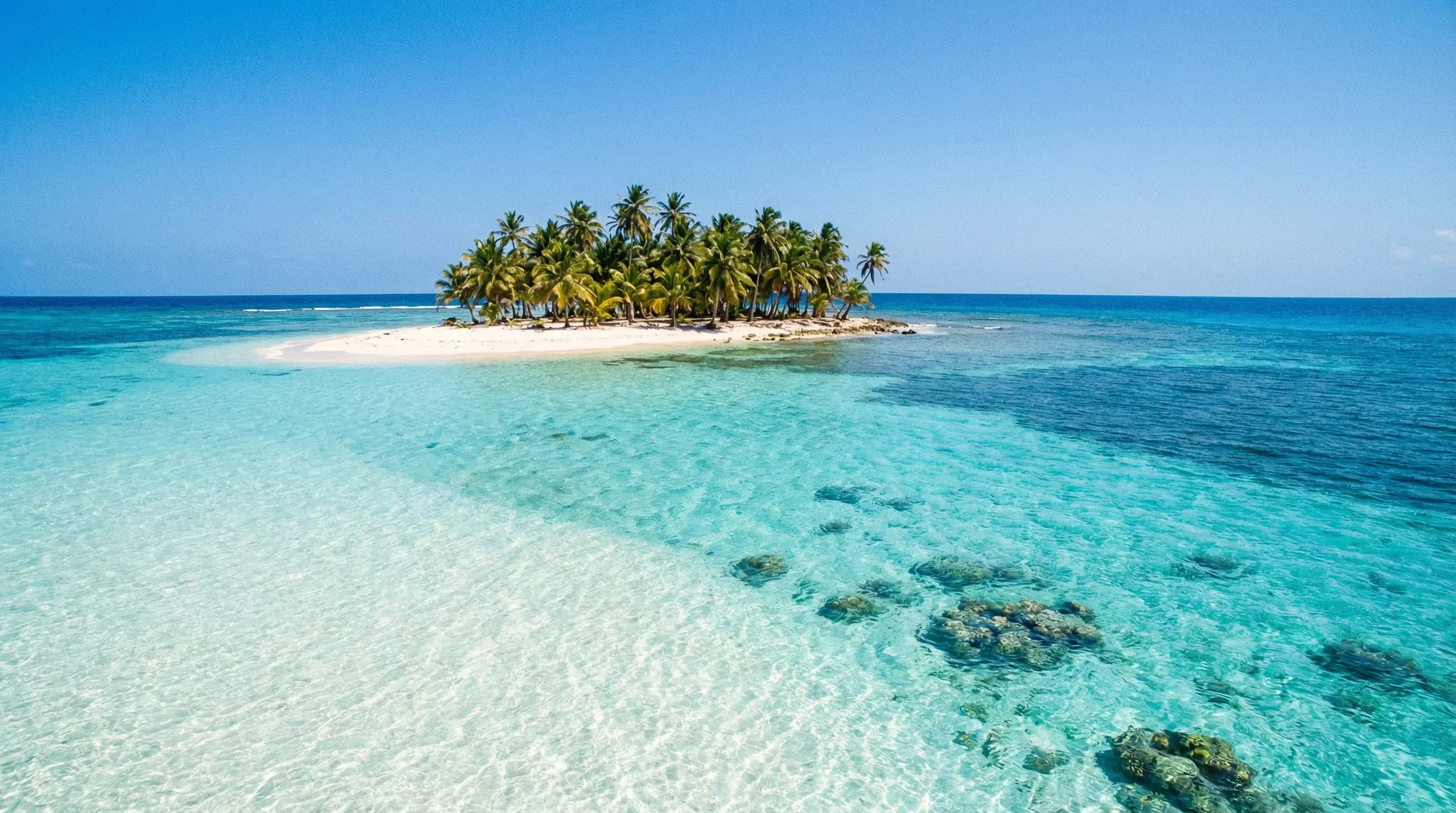
San Andrés and Providencia offer a distinct cultural flavor separate from mainland Colombia. Here, the Raizal culture blends Caribbean English, Spanish, and reggae influences. For families, San Andrés is the main hub—a bustling, duty-free island where the primary activity is enjoying the incredible ocean. The water really does shimmer in seven shades of blue, from deep indigo to transparent turquoise. The sea here is generally calm and warm, making it ideal for young swimmers. The island is surrounded by a barrier reef, creating natural pools that are full of fish and safe for snorkeling.
While San Andrés is developed with high-rise hotels and shopping, nearby Providencia (accessible by a short flight) is a UNESCO Seaflower Biosphere Reserve and feels like the Caribbean of 50 years ago—quiet, green, and pristine. If your family loves nature and hates crowds, Providencia is worth the extra effort. Back on San Andrés, the lifestyle revolves around the beach. Renting a golf cart "mule" to drive the 30km ring road is the standard way to spend a day, stopping at various beaches and blowholes along the way.
Key Attractions
A boat trip to Johnny Cay is the classic excursion. It’s a small coral islet with palm trees and white sand. You can see iguanas roaming around, which delights children. Just be aware the boat ride can be bumpy. Another must-do is visiting "El Acuario" (The Aquarium), a sandbank where the water is waist-deep and teeming with friendly fish that swim right around your legs—no mask needed to see them.
On Providencia, Crab Cay offers some of the best snorkeling in Colombia. It is a tiny peak jutting out of the water; you can hike to the top for a view or swim around the base with sea turtles. On the main island of San Andrés, the "Hoyo Soplador" (a natural geyser/blowhole) is fun for kids when the waves are strong enough to shoot water into the air.
Practical Advice
San Andrés is a duty-free port, so shopping is big, but focus on the nature. The sun is incredibly strong; use reef-safe sunscreen. Entry to the island requires a tourist card (approx. $30 USD) purchased at the departure airport. Tap water is not potable; buy bottled water.
Food & Drink
Typical meal times: Lunch 12:30 pm to 2:30 pm. Dinner 7:00 pm to 9:00 pm.
Typical meal costs: Slightly higher due to import costs. Lunch: 30,000–50,000 COP (approx. $7.50–12.50 USD / €6.50–11 EUR). Dinner: 60,000–100,000 COP (approx. $15–25 USD / €13.50–22.50 EUR).
Dietary requirements: Seafood dominates. Vegetarians can find pasta and pizza in the main town, but options are limited on the beaches.
Signature dishes:
- Rondón – The ultimate island dish. A coconut milk-based stew with fish, snail, pig tail, yuca, yam, and dumplings. Rich and filling.
- Crab Soup – Made with black crab, typical of Providencia.
- Breadfruit (Pan de Fruta) – Often served fried as a side dish, similar to potato or plantain but with a unique texture.
Why this score?
The islands offer a relaxed beach environment where the primary modes of transport are golf carts and bicycles. Adventure is limited to light snorkeling at the Acuario and swimming, with very little rugged terrain or challenging wilderness.
Why this score?
Healthcare is limited by the island's geography; while basic hospitals exist on San Andrés, Providencia has only a clinic. Major traumas or complicated illnesses frequently require stabilization and air transport to the mainland for proper treatment.
Why this score?
These islands are incredibly popular with domestic Colombian tourists and Latin American vacationers, though they see less traffic from outside the continent than Cartagena. The infrastructure is geared toward high-volume beach tourism and duty-free shopping.

Prices are higher than the mainland but cheaper than most Caribbean islands. A golf cart rental is about 150,000–250,000 COP (approx. $38–63 USD / €34–56 EUR) for the day. Tourist tax is paid upon entry. Accommodation ranges from budget inns to all-inclusive resorts ($100–300 USD / €90–270 EUR per night).
Family Travel Notice
When visiting Medellin with minors, ensure children carry original identification documents or clear passport copies at all times to comply with local safety regulations.

Getting Here & Around
Getting Here
- Airports – Gustavo Rojas Pinilla International Airport (ADZ) receives flights from Bogotá, Cali, Medellín, and Panama.
- Flight to Providencia – To reach Providencia, you must take a small commuter plane (Satena) or a catamaran ferry (3+ hours, often rough) from San Andrés.
Getting Around
- Golf Cart / Mule – The most popular way for families to circle San Andrés. Rental is easy and fun.
- Taxi – Available but expensive. Always negotiate the fare first.
- Boat – Required for visiting Johnny Cay, The Aquarium, and Crab Cay.
No airports in this region. See the country flight map for nearby connections.
Official Links

Packing List
Sea urchins and sharp coral are common around the cays; protection is essential.
Rentals are available but often poor quality/leaky; bringing your own ensures kids have a good experience.
The underwater visibility is exceptional; you will want to capture the fish.
Mandatory for entry to Amazon, Tayrona Park, and other jungle reserves; you may be denied entry without it.
Essential for boat transfers to Rosario Islands or Amazon trips where luggage often gets splashed.
Bogotá and Andean towns are high-altitude (2,600m+) and get surprisingly cold, especially at night.
Roads in the Andes are incredibly winding; essential for kids on bus transfers or car trips.
Peace of mind in crowded city centers and markets where pickpocketing can occur.

Activities & Best Times

Hiking, wildlife, outdoor exploration, ecotourism
Providencia offers pristine, rugged landscapes and the notable 'The Peak' trail, providing authentic island wilderness experiences far from mass tourism. Visit during the dry season to ensure trail accessibility and optimal conditions for exploring the McBean Lagoon National Natural Park.

Beach resorts, marine activities: diving, snorkelling, kite surfing, wind surfing, sailing
Home to the 'Sea of Seven Colors,' the archipelago offers exceptional clarity and marine biodiversity at sites like El Acuario and Johnny Cay. Peak season aligns with the dry months (Dec-Apr) when sea conditions are calmest and visibility is at its zenith for snorkeling and diving.

Urban tourism, museums, historical sites, architecture
The unique Raizal culture, exemplified by the First Baptist Church and historic architecture, offers a distinct Caribbean heritage experience. Cultural exploration is best during the peak tourism window (Dec-Apr) and the mid-year summer break when local festivals and street life are most vibrant.

Sport tourism, fitness activities, active recreation
Specific infrastructure like the island loop roads and eco-parks like West View support cycling and active coastal recreation. Peak visitation occurs during the dry season when heat is manageable and the lack of rain ensures safety on coastal paths and adventure platforms.

Learning experiences, scientific sites, historical education
Educational opportunities focus on marine ecology and island botany at the San Andrés Botanical Garden and natural aquariums. While engaging for children, these facilities are smaller in scale compared to global scientific landmarks, making them best as half-day supplements to a nature-focused trip.

Scenic drives, countryside tours, route-based travel
The Avenida Circunvalar offers a scenic loop of San Andrés, best enjoyed via golf cart or scooter for a relaxed, self-guided tour of the coastline. The short distances make this a minor road trip experience, primarily viable during dry months to avoid sudden tropical downpours.




Public Holidays & Calendar Next 12 months
Public holidays, festivals, cultural celebrations, and seasonal natural phenomena coming up in San Andrés & Providencia over the next 12 months.
Loading holidays and events...

Travel Advisory
The majority of international agencies recommend exercising a high degree of caution. While tourism is active, significant risks from crime and terrorism exist, and many regions—particularly borders—are subject to severe travel restrictions.
Safety Topics
Traveller Advice (4 groups)

It is strongly recommended to avoid traveling solo or walking alone at night. Be cautious in social settings and do not accept drinks or food from strangers.

All visitors should obtain comprehensive medical insurance that includes evacuation. Complete the Check-Mig registration form within 72 hours of travel and prioritize air travel over long-distance bus journeys through rural areas.

Personnel working in the oil, mining, and energy sectors should be aware of a heightened risk of kidnapping for ransom by illegal armed groups.

When visiting Medellin with minors, ensure children carry original identification documents or clear passport copies at all times to comply with local safety regulations.
Agency Summaries
While general travel is possible, the government warns against visiting several departments and border zones. Risks include internal conflict, terrorism, and potential insurance invalidation if entering restricted areas.
High levels of caution are required nationwide due to the threat of violent crime and terrorism. Significant areas along the borders with Venezuela and Ecuador are designated as 'Do Not Travel' zones.
Travelers are urged to rethink their plans due to widespread violent crime, terrorism, and kidnapping. U.S. government personnel face severe travel restrictions, and emergency services are limited in high-risk zones.
The security situation remains volatile across many regions. Travelers should avoid large gatherings and border regions, while remaining aware of health risks such as dengue fever and yellow fever.
Heightened security concerns exist throughout the country, particularly regarding violent crime and kidnapping. Travel is safest on main routes during daylight hours, with air travel preferred between major cities.
Visitors should maintain significant vigilance due to prevalent crime. There are strict warnings to avoid all travel to border regions and specific departments where kidnapping and violence from illegal armed groups are highly likely.
Information is provided for general guidance only and does not constitute travel, safety, medical, or legal advice. Conditions may change. Users are responsible for independently verifying information before travel.