
Pinar del Río & Tobacco Country
Limestone valleys, caves, and cowboy culture 🤠🌄
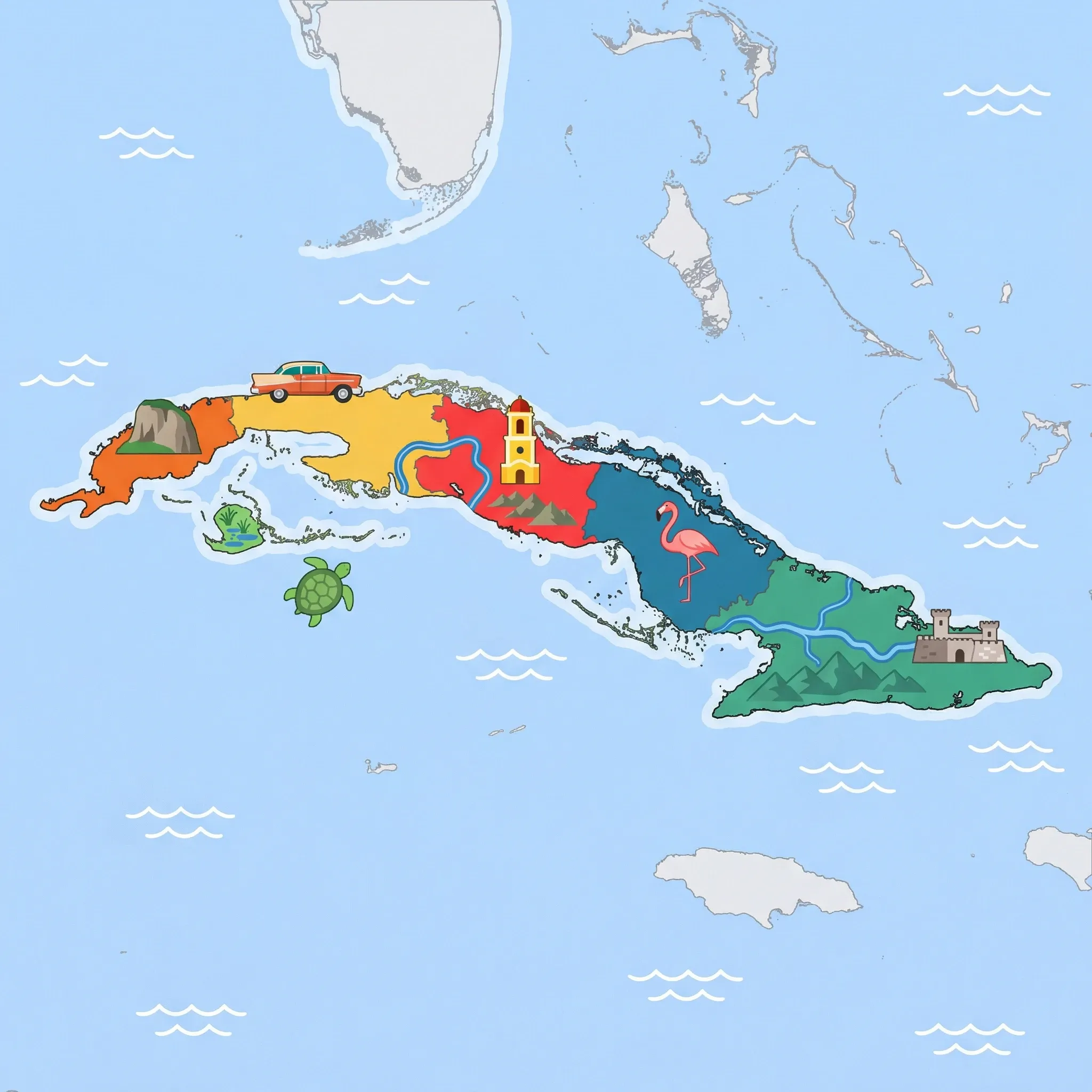
Click a region to explore
Overview
Important Travel Advisory: Bring a first-aid kit and water purification tablets. Pharmacies in rural areas are often empty. Roads can be in poor condition, so drive with caution if renting a car.
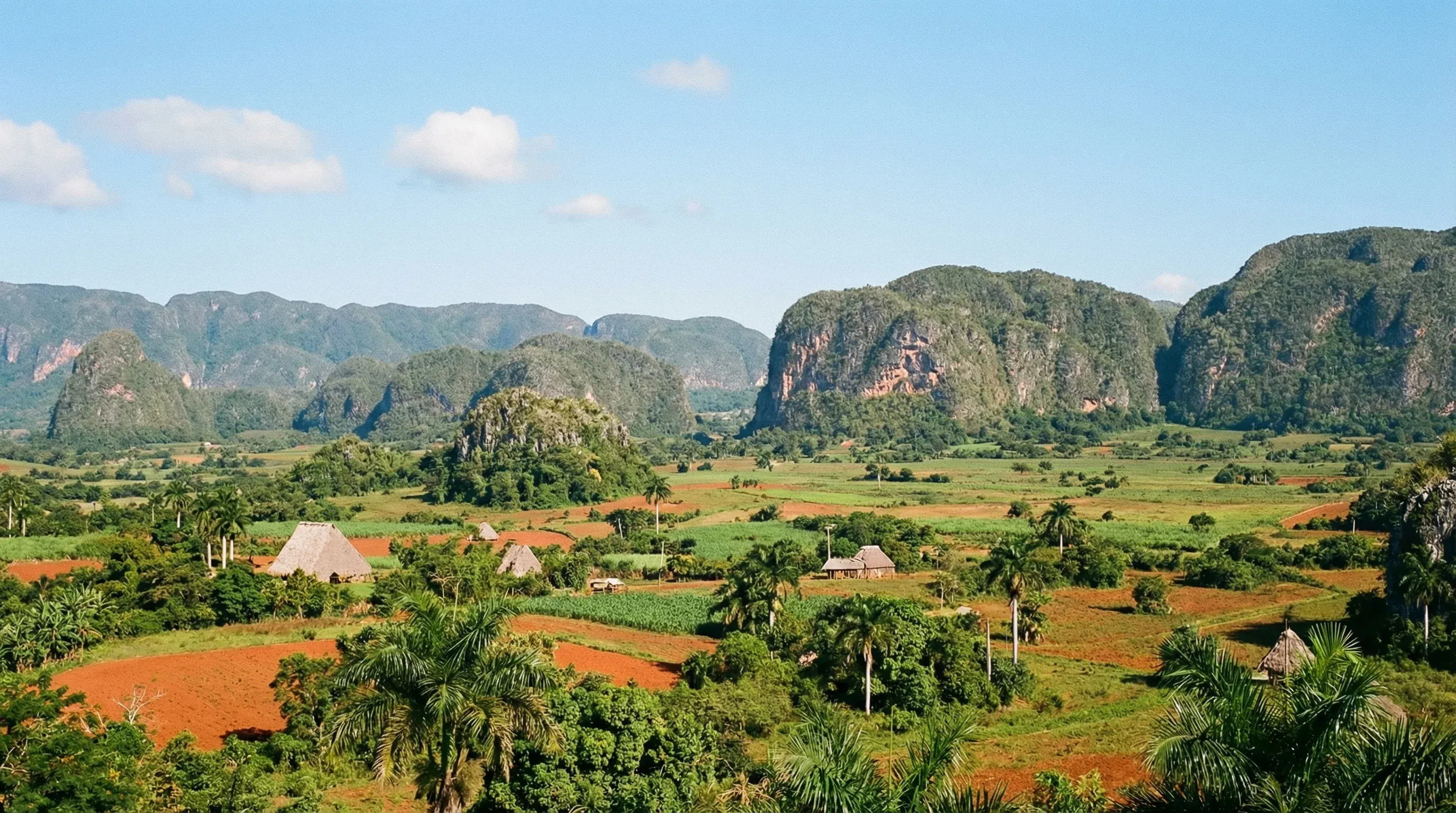
Pinar del Río feels like a different world compared to Havana. This is the green lung of Cuba, famous for its towering limestone hills called 'mogotes' that rise abruptly from the flat red soil of the tobacco fields. For families, it offers a Jurassic Park-style landscape that ignites the imagination. It is arguably the best region in Cuba for active kids, offering horseback riding, cave exploration, and zip-lining without the intense heat of the eastern provinces.
The vibe here is rural and relaxed. Life moves at the pace of an oxcart. Families can stay in 'casas particulares' (homestays) on working farms, giving children a chance to see chickens, pigs, and oxen up close. The Viñales Valley is the tourist hub, safe and walkable, with plenty of restaurants. Beyond the valley, the region holds biosphere reserves and quiet beaches that remain largely untouched by mass tourism.
Key Attractions
The Viñales Valley is the headline act. The best way for families to explore is on a guided horseback ride (ponies are available for kids) through the tobacco fields. You can visit the Cueva del Indio, a cave system where you take a short motorboat ride on an underground river—a guaranteed hit with children. Another great day trip is Cayo Levisa, an island accessible by ferry that offers far better snorkeling and swimming than the mainland beaches.
For nature lovers, the Las Terrazas eco-community in the Sierra del Rosario Biosphere Reserve is fantastic. It features whitewashed terraced houses, lakes for swimming, and canopy zip-lines. Further west, the Guanahacabibes Peninsula National Park offers wild nature, though it is a long journey best suited for older children interested in wildlife.
Practical Advice
Viñales is very popular, so book accommodation in advance. The area can be muddy after rain, so bring sturdy shoes or boots. Horse riding tours are generally safe, but helmets are rarely provided—ask in advance or ride cautiously.
Food & Drink
Typical meal times: Lunch 12:00 pm to 3:00 pm; Dinner 7:00 pm to 9:30 pm. Many farms offer 'farm-to-table' lunches.
Typical meal costs: Very affordable. A hearty farm lunch costs 1,000–2,000 CUP (approx. $3.50–7 USD / €3–6.50 EUR) per person.
Dietary requirements: This is the best region for fresh vegetables. 'Vianda' (root veg) chips and fresh fruit are everywhere. Vegetarian plates are large and fresh.
Signature dishes:
- Cerdo Asado – Roast pork, often cooked whole on a spit at farm restaurants.
- Arroz Moros y Cristianos – Black beans and white rice cooked together with pork fat and spices.
- Yuca con Mojo – Boiled cassava root with a garlic, oil, and bitter orange sauce.
Why this score?
Viñales offers excellent moderate adventure opportunities such as horseback riding through tobacco fields, exploring the massive Santo Tomás cave system, and rock climbing. The terrain is dramatic and engaging for families, though the tourism path is well-defined and rarely feels truly dangerous or remote.
Why this score?
Pinar del Río city has a provincial hospital, but facilities in the town of Viñales are limited to basic medical posts. Travelers in this region often prefer to drive the 2-3 hours back to Havana for non-urgent medical issues to access better-equipped clinics and a wider range of medications.
Why this score?
The Viñales Valley is a global icon of the Cuban landscape and a staple of almost every western itinerary, known for its unique mogotes and tobacco farms. Despite its fame, it maintains a rural, small-town atmosphere and lacks the massive high-rise hotel infrastructure of the northern coast.

Pinar del Río offers excellent value. Accommodation in Casas Particulares is abundant and competitive, often 1,800–3,500 CUP (approx. $15–30 USD / €14–28 EUR) per night. Farm meals are huge and cheap. The main costs are activities like horse riding ($15–25 USD) or boat trips to <a data-attraction-id="47949">Cayo Levisa</a>.

Getting Here & Around
Getting Here
- Bus – Viazul buses run daily from Havana to Viñales Valley (approx. 3.5 hours).
- Car – The National Highway (A4) connects Havana to Pinar del Río, making it an easy self-drive destination.
- Tour – Many families opt for a private taxi/tour from Havana for the day or overnight.
Getting Around
- Walking – The town of Viñales is small and easily walkable.
- Hop-on Bus – A tourist bus loops around the main attractions in the Viñales Valley.
- Bicycle – Bikes can be rented to explore the valley floor, though roads are pot-holed.
No airports in this region. See the country flight map for nearby connections.

Packing List
Street lighting is minimal in rural areas and power cuts occur; essential for walking home after dinner.
The red clay soil stains everything and farm paths can be muddy; don't wear your best white trainers.
Many eco-stays and farms process their own water; eco-friendly products help the environment.
Tropical downpours are sudden and intense, especially in the afternoons.
Bottled water shortages are common; a LifeStraw or Grayl bottle ensures you can drink tap water safely.
ATMs often fail or have poor rates; US cards don't work. Cash is essential for almost all payments.
Rarely provided in public restrooms or even some museums/restaurants due to chronic shortages.
Daily blackouts are frequent and can last hours; keeps phones and fans charged.
Food can be bland and condiments are often unavailable in restaurants due to supply chain issues.
Pharmacies are empty. Pack painkillers, antibiotics, antihistamines, and stomach meds.
Essential for sleeping during power outages when air conditioning cuts out in the tropical heat.
Internet is slow, expensive, and restricted to specific zones. Offline navigation is vital.

Activities & Best Times

Hiking, wildlife, outdoor exploration, ecotourism
A world-class destination for its unique Mogote karst formations and the extensive Gran Caverna de Santo Tomás. Optimal exploration occurs from December to March when temperatures are comfortable and trails in the Viñales Valley remain dry.

Urban tourism, museums, historical sites, architecture
Features the UNESCO-listed Viñales Valley, celebrated for its traditional tobacco farming and authentic rural heritage. Peak season aligns with the tobacco harvest (January–March), providing the most authentic cultural experience for sophisticated travelers.

Sport tourism, fitness activities, active recreation
Offers world-class scuba diving at María la Gorda and exceptional hiking and caving throughout the Sierra de los Órganos. Activities are best during the dry season when sea visibility is high and mountain trails are safe.
Beach resorts, marine activities: diving, snorkelling, kite surfing, wind surfing, sailing
Home to remote, high-quality keys like Cayo Levisa and Cayo Jutías, offering pristine sands and excellent reef access. Peak visits occur during the dry winter months to avoid the humidity and hurricane risk of the summer wet season.

Scenic drives, countryside tours, route-based travel
The 'Ruta del Tabaco' offers a highly scenic and culturally rich driving experience through Cuba's premier tobacco-growing lands. Dry season months ensure the best road conditions and visibility for the dramatic mogote-filled landscapes.

Learning experiences, scientific sites, historical education
The local Natural Sciences Museum offers significant regional insight, though it serves more as a supplementary stop than a primary travel motivator. Visiting is best during the cooler dry season to coordinate with broader regional touring.

Spa retreats, wellness centers, peaceful getaways
San Diego de los Baños provides a historic thermal bath experience, though facilities are modest compared to global spa benchmarks. The cooler months of the dry season are preferable for enjoying hot springs.




Public Holidays & Calendar Next 12 months
Public holidays, festivals, cultural celebrations, and seasonal natural phenomena coming up in Pinar del Río & Tobacco Country over the next 12 months.
Loading holidays and events...

Travel Advisory
A majority of international agencies now advise against non-essential travel to Cuba. The country is facing a systemic collapse of infrastructure, including nationwide power outages, severe shortages of fuel, food, and medicine, and major disruptions to international aviation.
Safety Topics
Traveller Advice (4 groups)

Travellers should bring sufficient cash in small denominations as international cards are often unusable and banking systems are disrupted. Stock up on essential items like toilet paper, toiletries, and non-perishable food before arrival.

Individuals with chronic health conditions should reconsider travel due to the critical shortage of prescription medications and medical supplies. Power outages may also affect the storage of refrigerated medicines or the use of medical devices.

While recent legal changes have expanded rights, including the legalization of same-sex marriage, public displays of affection may still meet with conservative social reactions outside of major cosmopolitan areas like Havana.

Female visitors generally experience a safe environment but should remain aware that verbal harassment is common. It is advisable to avoid walking alone in poorly lit areas at night, particularly during scheduled power blackouts.
Agency Summaries
The British government discourages all travel except for critical needs due to the island's nearing paralysis. National power failures and a lack of aviation fuel are causing significant flight cancellations and service breakdowns.
Canadians are advised to skip non-essential trips to Cuba because of a severe and worsening crisis involving shortages of fuel, power, and basic goods like food and medicine. Infrastructure is unstable, and airlines have significantly reduced service.
Ireland has raised its warning level to discourage non-essential visits. The economic and humanitarian situation has deteriorated, leading to life-threatening risks associated with power outages and limited consular support.
Australian authorities suggest rethinking travel plans due to persistent fuel shortages that affect essential services and transport. There is also a noted threat from violent crime and a lack of clean drinking water.
New Zealanders should be extra vigilant due to infrastructure failures. Fuel shortages and regular electricity blackouts are impacting transport, while petty crime remains a concern in urban and tourist zones.
U.S. officials recommend heightened awareness due to crime and a failing power grid. Travellers must also comply with specific legal categories for travel, as pure tourism remains restricted under U.S. law.
Information is provided for general guidance only and does not constitute travel, safety, medical, or legal advice. Conditions may change. Users are responsible for independently verifying information before travel.