
San Salvador
A city of contrasts: historic plazas, modern malls, and volcanoes 🌋🏙️
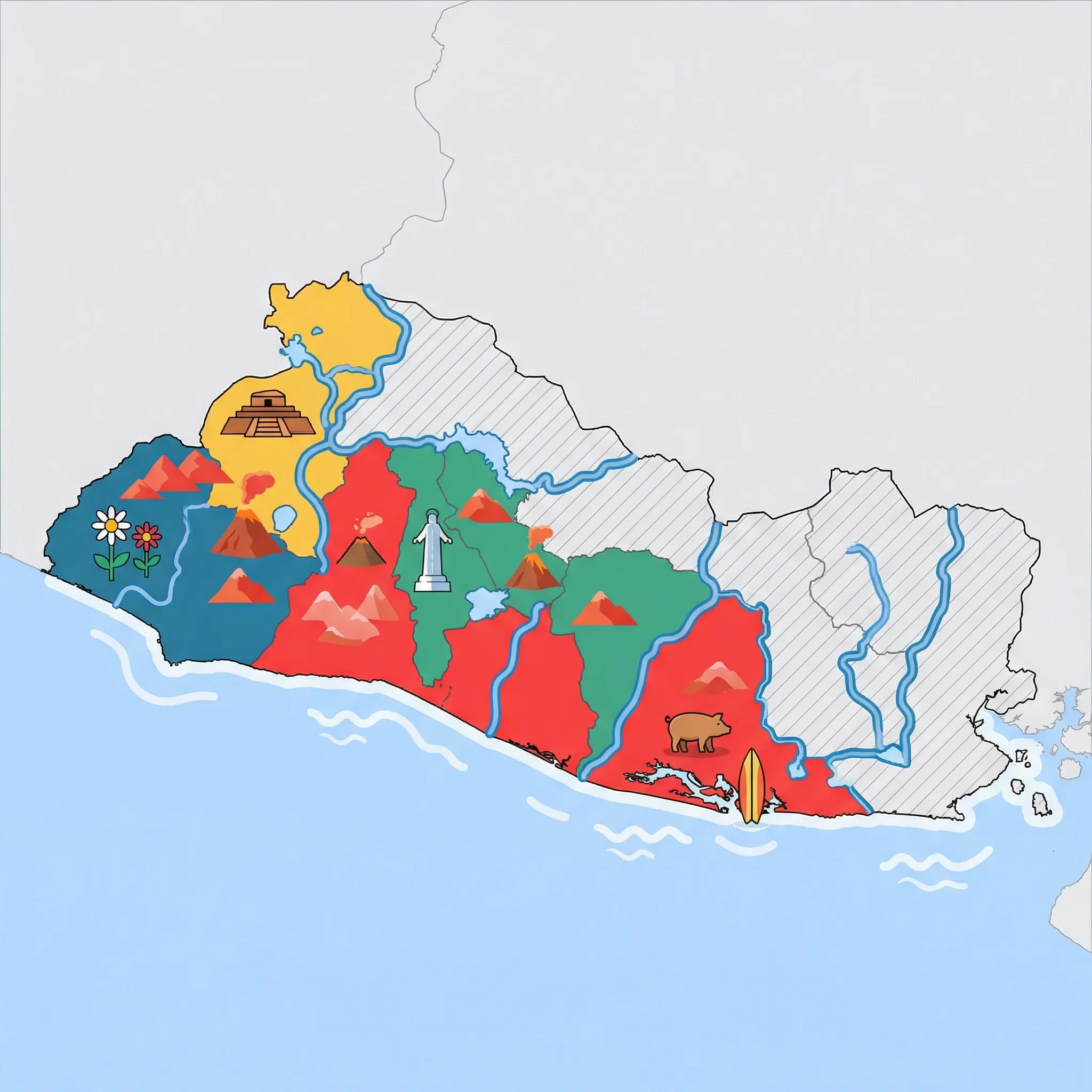
Click a region to explore
San Salvador has undergone a dramatic transformation in recent years, shedding its gritty reputation to reveal a vibrant, cosmopolitan capital that serves as the perfect entry point to the country. For families, the city offers a fascinating duality: the Historic Center, with its revitalized plazas and illuminated buildings, provides a lesson in history and architecture, while the upscale districts like San Benito offer modern malls, diverse dining, and walkability. The city is nestled in the "Valley of the Hammocks," dominated by the imposing silhouette of the San Salvador Volcano, meaning nature is never more than a short drive away. It is a city that surprises visitors with its greenery, its museums, and its rapidly evolving cultural scene.
Safety in San Salvador has improved significantly, allowing tourists to walk freely in the main zones of interest, though standard big-city precautions regarding valuables still apply. The capital is the logistical hub of the country; from here, you are less than an hour from the beach, the mountains, or Mayan ruins. For children, the city offers high-quality museums that are far from boring, extensive parks, and the novelty of peering into a volcanic crater in the morning and visiting a colonial palace in the afternoon.
Key Attractions
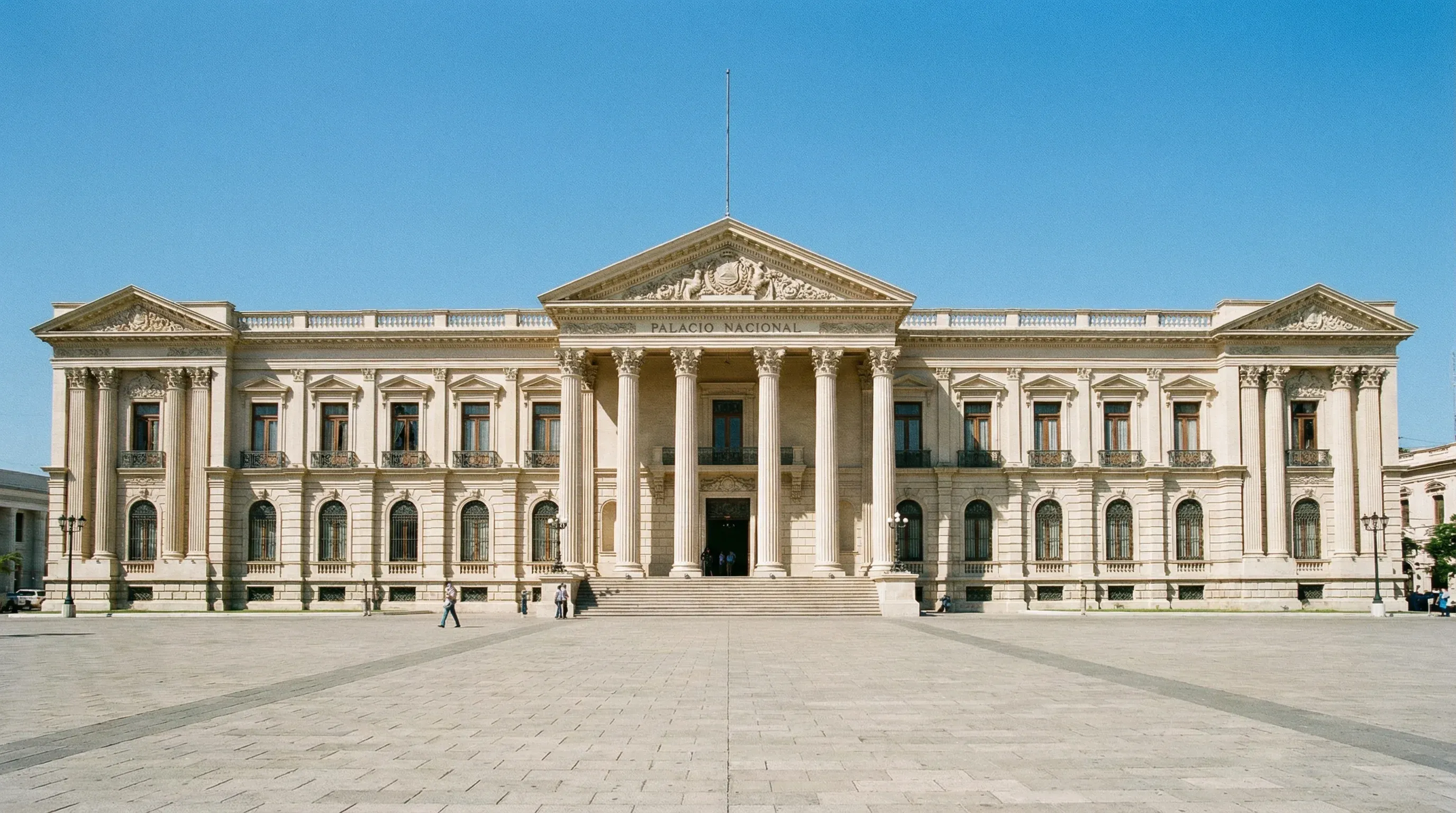
The heart of the city is the Historic Center of San Salvador. Recently renovated, it is best visited in the late afternoon when the heat subsides and the buildings are lit up. Here, you can visit the Metropolitan Cathedral of San Salvador, the resting place of Saint Oscar Romero, a figure of immense importance to the country. Just steps away is the National Palace of El Salvador, where families can tour the opulent rooms and courtyards that once housed the government.
For a complete change of pace, the La Laguna Botanical Garden is a must-visit. Located at the bottom of an extinct volcanic crater, this lush oasis feels miles away from the city traffic. It features massive trees, ponds with turtles and fish, and safe play areas for children. Art-loving families should also visit the Museum of Art of El Salvador (MARTE), which offers a great introduction to Salvadoran culture through visual arts, often with interactive exhibits.
Practical Advice
Traffic in San Salvador can be heavy, particularly during rush hours (7:00–9:00 am and 4:30–7:00 pm). Plan your movements to avoid these times. The city is warm year-round, but air conditioning is standard in all malls, museums, and hotels. Sunday is a great day to explore the Historic Center as it is pedestrian-friendly and bustling with local families.
Food & Drink
Typical meal times: Lunch 12:00 pm to 2:00 pm. Dinner is eaten later in the city, typically 7:00 pm to 9:00 pm.
Typical meal costs: Varies widely. Street food meals are under $5 USD (approx. €4.50 EUR / £4 GBP). Mid-range mall or restaurant meals run $15–25 USD (approx. €14–23 EUR / £12–20 GBP). High-end dining in San Benito can cost $40–60 USD (approx. €37–55 EUR / £32–48 GBP) per person.
Dietary requirements: This is the easiest place in the country for dietary needs. You will find gluten-free bakeries, vegan restaurants, and dairy-free options in the modern districts of San Benito and Escalón.
Signature dishes:
- Pupusas de Arroz – While pupusas are everywhere, the rice-flour version (often found in Olocuilta nearby) is crisper and lighter than the corn version.
- Panes con Pollo – A submarine sandwich filled with stewed chicken, watercress, radish, cucumber, and a rich sauce—messy but delicious.
- Horchata de Morro – A distinct local drink made from ground morro seeds, cocoa, cinnamon, and sesame; it has a unique earthy flavor unlike Mexican rice horchata.
Why this score?
While primarily an urban environment, the city's proximity to the Boquerón Volcano allows for easy access to crater hikes and scenic viewpoints. The 'Puerta del Diablo' offers some rock climbing and steep hiking, providing more adventure than a typical flat metropolitan area. Still, the experience is largely managed and integrated into the city's infrastructure.
Why this score?
San Salvador hosts the best medical facilities in the country, including private hospitals like Hospital de Diagnóstico which cater to international patients. Many specialists in these top-tier clinics are US-trained and speak excellent English, making it the only reliable hub for major medical needs in El Salvador. Despite this, the public healthcare system remains strained and of lower quality for those without private insurance.
Why this score?
As the national capital and primary air gateway, San Salvador receives the bulk of the country's business and leisure arrivals. The revitalized Historic Center and modern shopping districts in San Benito attract significant regional interest and growing international curiosity. However, it is still perceived by many global travelers as a transit point rather than a standalone multi-day destination.

San Salvador has options for every budget. Modern chain hotels and business hotels charge $90–160 USD (approx. €83–148 EUR / £70–125 GBP). Dining can be as cheap as street food or as expensive as Miami. Entry fees to museums like <a data-attraction-id="32560">MARTE</a> are reasonable, usually under $5–10 USD (approx. €4.50–9 EUR / £4–8 GBP).

Getting Here & Around
Getting Here
- Airports – El Salvador International Airport (SAL) is 45 minutes south of the city. Official taxis and Uber are safe and reliable options for the transfer.
- Bus – International bus lines (like TicaBus or Pullmantur) from Guatemala or Honduras terminate at dedicated terminals in San Salvador.
- Driving – The Pan-American Highway runs directly through the city. Roads are paved but navigating traffic requires patience.
Getting Around
- Uber/Taxi – The safest and most convenient way for families. Uber works very well in the capital.
- Car – Useful if you plan day trips, but parking in the Historic Center can be difficult.
- Walking – Good in specific zones like the Historic Center of San Salvador or inside shopping malls, but not practical for moving between districts due to lack of sidewalks.
No airports in this region. See the country flight map for nearby connections.
Official Links

Packing List
Urban noise, including traffic and fireworks, can be loud at night in some districts.
The city is more formal than the beach; wearing swimwear or shorts in the city marks you as a tourist.
Useful for digestion if sampling a wide variety of street foods.
Afternoon downpours in the rainy season are intense and sudden in the valley.
Beaches like El Tunco are rocky (stones, not sand) and river waterfalls can be slippery.
Evenings in mountain towns like Apaneca and Ataco can get surprisingly chilly (down to 15°C/60°F).
Street lighting in smaller colonial towns can be dim or sporadic during power fluctuations.
The tropical heat and humidity deplete you quickly; local options aren't always kid-friendly flavors.

Activities & Best Times

Urban tourism, museums, historical sites, architecture
San Salvador features a revitalized historic core and the UNESCO-listed Joya de Cer%n, offering world-class archaeological insights into ancient Mayan life. Walking tours and site visits are most comfortable in the drier months, as the late-year tropical storms can disrupt exploration of the heritage sites.

Hiking, wildlife, outdoor exploration, ecotourism
While El Boquerón and Puerta del Diablo are excellent volcanic features, San Salvador's adventure offerings are more accessible/urbanized compared to the wilderness character of Santa Ana Volcano + El Imposible National Park. International calibration suggests reserving 'very_good' for the most outstanding adventure destinations. San Salvador offers good urban-adjacent adventure but not the same wilderness immersion.

Scenic drives, countryside tours, route-based travel
As a hub for the famous Ruta de las Flores and the scenic Coastal Route, the region provides excellent access to celebrated driving tours through coffee-growing highlands. The early dry season is peak for seeing the flowers in bloom and coffee harvests, while the peak rainy season can make mountain roads treacherous.

Sport tourism, fitness activities, active recreation
The region boasts dedicated mountain biking circuits and well-maintained hiking infrastructure at sites like Eco Parque El Espino and El Boquer%n. Trail conditions are best when the ground is dry and stable, as the heavy precipitation in September and October creates muddy conditions unsuitable for active sports.

Learning experiences, scientific sites, historical education
The Tin Mar%n and Natural History museums offer solid educational engagement for younger children, though they lack the global prestige of major capital city institutions. These indoor facilities remain functional during the shoulder season but align with broader regional tourism peaks during the 'Verano' (summer) months.

Amusement parks, family entertainment venues
Local venues like Los Chorros water park and the Tin Mar%n Children's Museum provide family-friendly recreation but remain modest in scale for international travelers. Peak visitation aligns with the warmest dry months and school holidays, whereas the peak rainy season makes outdoor aquatic centers unappealing.

Attractions (13 total)



Public Holidays & Calendar Next 12 months
Public holidays, festivals, cultural celebrations, and seasonal natural phenomena coming up in San Salvador over the next 12 months.
Loading holidays and events...

Travel Advisory
Most major agencies recommend exercising a high degree of caution or increased vigilance. While the security situation regarding gang violence has significantly improved since 2022, the ongoing 'State of Exception' allows for expanded police powers and the suspension of certain constitutional rights.
Safety Topics
Traveller Advice (4 groups)

Female travellers should consult specific safety guidance regarding solo travel and remain vigilant in public spaces.

Ensure you carry valid identification at all times as security checkpoints and searches are common. Avoid displaying wealth or travelling alone at night, especially in rural or less populated areas.

When visiting volcanoes or remote hiking trails, it is highly recommended to use certified local guides and conduct activities during daylight hours to ensure safety.

Specific resources are available for sexual and gender minority travellers to navigate local social norms and legal differences.
Agency Summaries
While the security environment has gotten better and crime rates have dropped, a state of emergency persists, and travellers are advised to stay alert to their surroundings.
Travellers are encouraged to be careful and avoid areas where security operations are active, as the country continues to operate under a national state of emergency.
Due to concerns regarding violent crime, travellers should exercise a higher level of awareness than they normally would, particularly in urban centers.
Safety conditions have improved notably as gang-related activity and homicides have decreased; however, a state of exception remains in effect which limits certain rights.
High levels of caution are recommended due to the persistent threat of violent crime, even though security measures have led to some reductions in gang activity.
Visitors should maintain heightened vigilance because of the ongoing risk of crime and the potential for arbitrary enforcement of local laws under current emergency measures.
Information is provided for general guidance only and does not constitute travel, safety, medical, or legal advice. Conditions may change. Users are responsible for independently verifying information before travel.