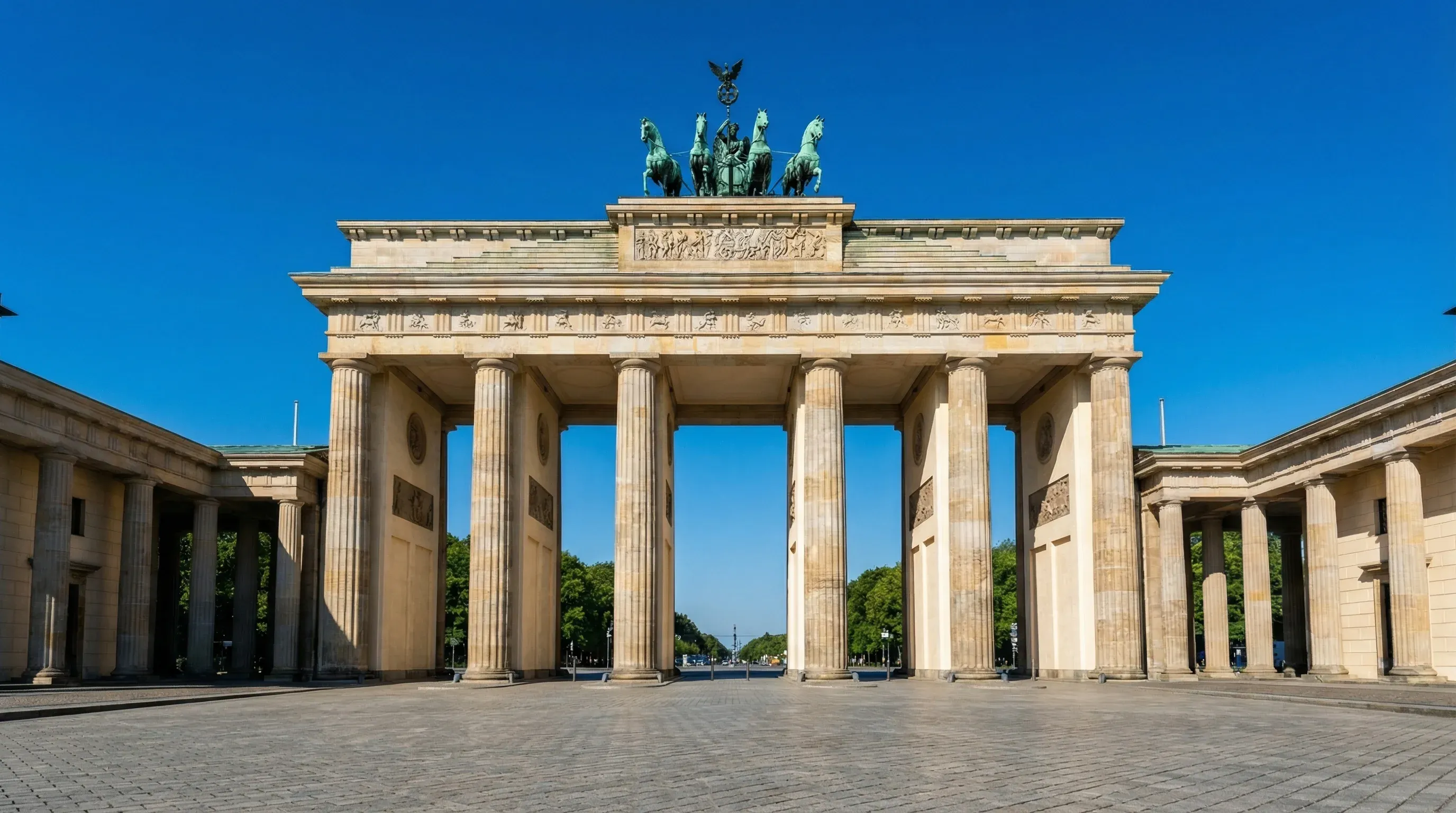

Berlin
History, street art, and the world's best playgrounds 🐻🎨🏙️
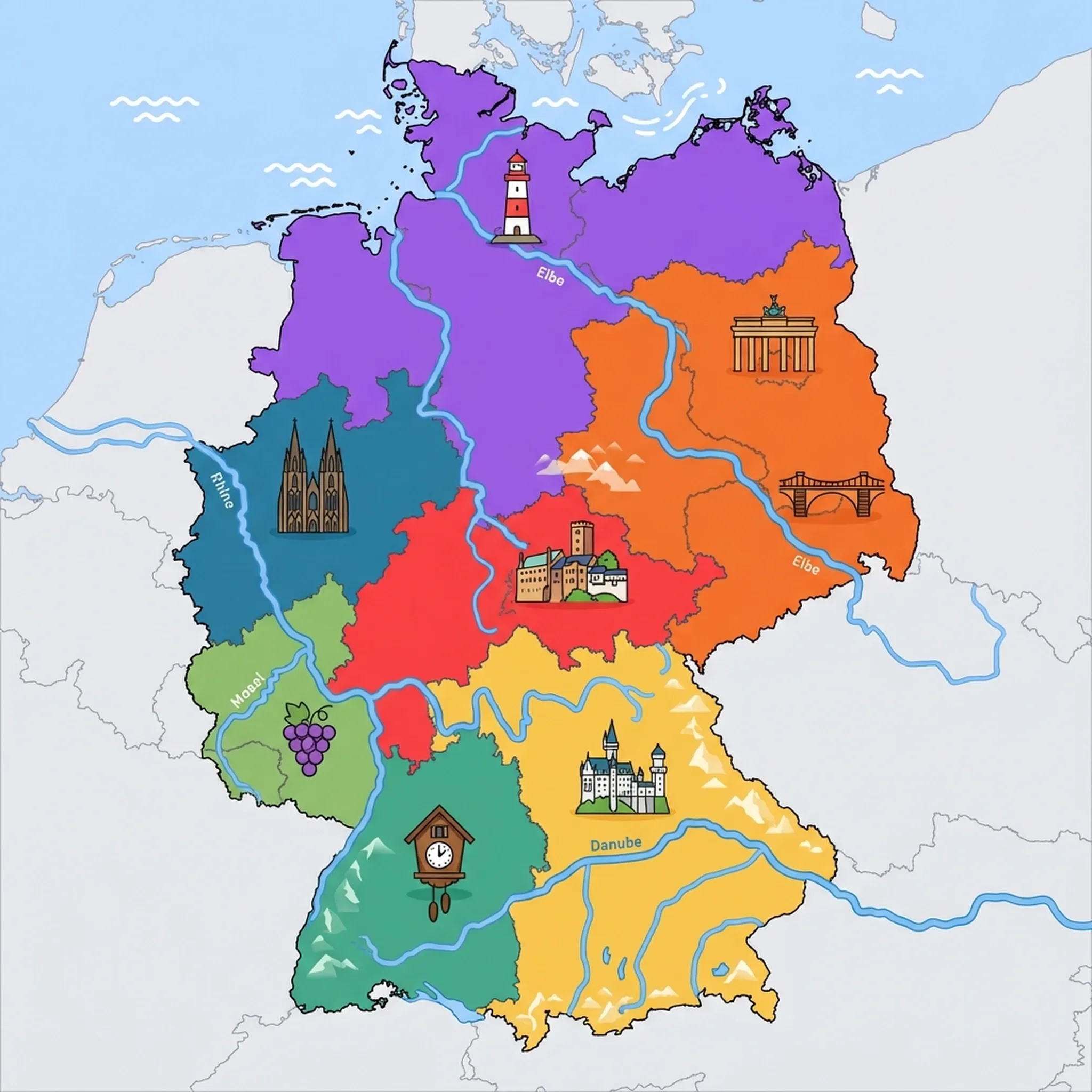
Click a region to explore
Overview
Berlin is not just a city for history buffs and clubbers; it is arguably the most family-friendly capital in Europe. The city is remarkably green, with over 2,500 public parks and gardens. The atmosphere is laid-back and 'anti-posh', meaning families can relax without worrying about dress codes or keeping kids perfectly quiet. Every neighborhood ('Kiez') has multiple high-quality playgrounds ('Spielplatz'), often themed as pirate ships, dragon castles, or space stations. The sidewalks are wide, the public transport is stroller-accessible, and the flat geography makes it easy to walk for miles.
Culturally, Berlin is a patchwork of the past and the hyper-modern. Families can walk along the remnants of the Berlin Wall at the East Side Gallery, where the colorful murals turn a grim history lesson into an art walk. The city is also surrounded by water; boat tours on the Spree River offer a relaxing way to see the sights when little legs get tired. While it can be gritty and graffiti-covered, it is safe and vibrant. The sheer variety of activities—from the dinosaurs at the Natural History Museum to the film magic at Filmpark Babelsberg just outside the city—ensures no two days are alike.
Key Attractions
Start your visit at the Berlin TV Tower at Alexanderplatz. The elevator ride is thrilling, and the view helps kids grasp the scale of the city. Nearby, the Aquarium Berlin (part of the Zoo complex) is famous for its jellyfish and shark tanks, providing a mesmerizing break from city walking. For a royal twist, head west to Charlottenburg Palace. The palace itself is grand, but the sprawling Charlottenburg Palace Gardens are the real draw for families, offering acres of free space to run, hidden bridges, and lakeside paths.
If the weather turns gray, the Alte Nationalgalerie on Museum Island might seem serious, but it sits in a pedestrian-friendly zone that feels like a temple city. For active fun, the Großer Tiergarten is Berlin's 'Central Park', featuring ponds, secret paths, and great cafes. Just outside the city, Karls Erlebnis-Dorf Elstal is a strawberry-themed amusement park that is incredibly popular with locals for its low cost and rustic rides.
Practical Advice
Berlin is huge. Do not try to walk between major districts; use the U-Bahn or S-Bahn. The 'Berlin WelcomeCard' offers free transport and discounts on attractions. Winters are dark and cold, so summer (May-Sept) is best for enjoying the outdoor vibe.
Food & Drink
Typical meal times: Berlin eats later than the rest of Germany. Lunch is 12:00 pm to 3:00 pm, and dinner places often bustle until 10:00 pm.
Typical meal costs: Very affordable. A family of four can eat well for €40–70 (approx. $45–75 USD / £35–60 GBP). Street food is much cheaper.
Dietary requirements: Berlin is the vegan capital of Europe. You will find oat milk, vegan meat alternatives, and allergy-labeled menus in almost every cafe, even in traditional spots.
Signature dishes:
- Currywurst – A steamed then fried pork sausage cut into slices and drowned in a curry-ketchup sauce. Served with a bread roll or fries. A must-try street food.
- Döner Kebab – Invented in Berlin (arguably), this is different from kebabs elsewhere: crispy bread, veal or chicken, fresh salad, and herb/garlic sauce. Cheap, filling, and kid-friendly.
- Berliner (Pfannkuchen) – A jelly-filled doughnut dusted with sugar. Ironically, in Berlin, they are called 'Pfannkuchen', not Berliners.
Why this score?
Berlin is a flat, highly urbanized metropolis where the primary activities are cultural and social rather than physical or rugged. While the city boasts massive parks like Tempelhofer Feld and Tiergarten, these are manicured urban spaces designed for leisure rather than adventure. There is virtually no rugged terrain or off-the-beaten-path wilderness within the city-state boundaries.
Why this score?
The city features world-class medical institutions such as Charité – Universitätsmedizin Berlin, one of the largest and most prestigious university hospitals in Europe. International patients and tourists have access to a vast network of multilingual doctors and high-tech emergency centers. Medical services are ubiquitous, highly efficient, and fully prepared to handle any international insurance requirements.
Why this score?
As Germany's capital and a global cultural epicenter, Berlin attracts millions of international tourists annually to its historical sites and vibrant nightlife. It ranks alongside major world capitals like London and Paris as a top-tier destination for sightseeing, museums, and educational travel. The city's infrastructure is entirely built around supporting a massive global visitor flow.

Berlin is significantly cheaper than London, Paris, or Munich. A family apartment rental can cost €100–150 (approx. $110–165 USD / £85–125 GBP) per night. Street food is a bargain, with a Döner Kebab or Currywurst costing €5–7 (approx. $5.50–7.50 USD / £4–6 GBP). Many playgrounds and parks like the <a data-attraction-id="3463">Charlottenburg Palace Gardens</a> are free.

Getting Here & Around
Getting Here
- Airports – Berlin Brandenburg Airport (BER) is the single airport serving the city. It is connected to the center by the 'Airport Express' (FEX) train which takes 30 minutes.
- Train – Berlin Hauptbahnhof is a spectacular glass cathedral of trains. Direct connections run to Prague, Amsterdam, and all major German cities.
- Driving – Not recommended. Traffic is dense, and parking is expensive and scarce. Drive to a 'Park & Ride' on the outskirts if you must bring a car.
Getting Around
- Public Transport – The BVG network (U-Bahn, S-Bahn, Tram, Bus) is legendary. Children under 6 travel free; ages 6-14 need a reduced ticket. Strollers have designated spots in all vehicles.
- Cycling – Berlin is flat and bike-friendly, though traffic can be aggressive. Renting a cargo bike ('Lastenrad') is a popular way to transport kids.
- Walking – Essential for exploring neighborhoods, but distances between major sights like Brandenburg Gate and Berlin TV Tower are longer than they look on maps.
No airports in this region. See the country flight map for nearby connections.
Official Links

Packing List
Berlin life happens in parks; a lightweight blanket allows you to join the locals in Tiergarten.
You will walk 15k+ steps a day easily; pavements can be uneven cobblestones.
Many public toilets and station restrooms require exact change or coins for entry turnstiles.
Shops charge for bags, and you'll need one for carrying layers or snacks.
Public toilets (Sanifair) and supermarket trolleys often require €0.50, €1, or €2 coins.
Supermarkets and shops charge for plastic bags; locals always carry their own totes.
Ticks are common in German forests (Black Forest, Bavaria) and can carry Lyme disease.
Standard gear for German kids; essential for damp playgrounds and forest walks.
Many small bakeries, ice cream shops, and rural 'Gasthaus' restaurants still do not accept cards.

Activities & Best Times

Urban tourism, museums, historical sites, architecture
Berlin is a premier global capital for history and contemporary culture, featuring UNESCO-listed Museum Island and iconic landmarks like the Brandenburg Gate. Peak visitation occurs during the warm summer months and the festive December period, while the early year is often too cold and grey for optimal urban exploration.

Hiking, wildlife, outdoor exploration, ecotourism
The region offers exceptional urban nature immersion with the sprawling Grunewald forest, the Wannsee lake system, and unique rural-educational sites like Domäne Dahlem. These natural assets are best experienced from late spring to early autumn when the temperate climate allows for extensive hiking, cycling, and lakeside recreation.
Amusement parks, family entertainment venues
Home to the massive Tropical Islands indoor resort and the historic Filmpark Babelsberg, Berlin provides high-quality, internationally recognized family entertainment. Peak periods align with summer holidays and the October half-term, though indoor facilities like Tropical Islands and Legoland provide year-round alternatives.

Sport tourism, fitness activities, active recreation
Strong infrastructure for active families, including innovative urban climbing parks like MountMitte and extensive forest high-ropes courses. Participation is highly seasonal, peaking during the dry, mild months from May through September when outdoor facilities are fully operational.

Attractions (30 total)



Public Holidays & Calendar Next 12 months
Public holidays, festivals, cultural celebrations, and seasonal natural phenomena coming up in Berlin over the next 12 months.
Loading holidays and events...

Travel Advisory
While several agencies recommend standard precautions, others have elevated their status to a caution level due to consistent terrorism risks and temporary border controls. A tie between levels resulted in the more cautious assessment.
Safety Topics
Traveller Advice (4 groups)

Germany is considered one of the safer destinations globally for LGBTQIA+ visitors, frequently appearing in top-tier safety indices for this demographic.

Visitors should always carry a form of government-issued photo identification and be prepared for potential delays at land borders due to temporary security checks.
Consult dedicated accessibility resources for major cities as infrastructure varies, particularly in historic areas or older public transport segments.
Individuals participating in winter sports in mountainous regions should monitor avalanche reports closely and ensure their travel insurance specifically covers high-risk mountain activities.
Agency Summaries
An increased level of caution is advised due to security concerns related to terrorism. Visitors should expect a visible security presence in major cities.
Travellers should remain highly vigilant due to a persistent threat of terrorist attacks throughout the country, targeting public spaces and transportation hubs.
General travel is considered safe, though visitors are advised to maintain standard safety awareness and be alert to the possibility of terrorism in public areas.
Standard safety measures are recommended. Travellers should be aware of temporary border controls and ensure they carry valid identification at all times.
No travel restrictions are in place, though there is an ongoing likelihood of terrorist activity. Security measures and entry requirements have been updated recently.
Heightened vigilance is recommended because of the threat posed by terrorist organizations and individuals who may target tourist locations and major events without warning.
Information is provided for general guidance only and does not constitute travel, safety, medical, or legal advice. Conditions may change. Users are responsible for independently verifying information before travel.