
Marie-Galante
Step back in time to authentic island rhythms and endless sugar cane 🎋
Click a region to explore
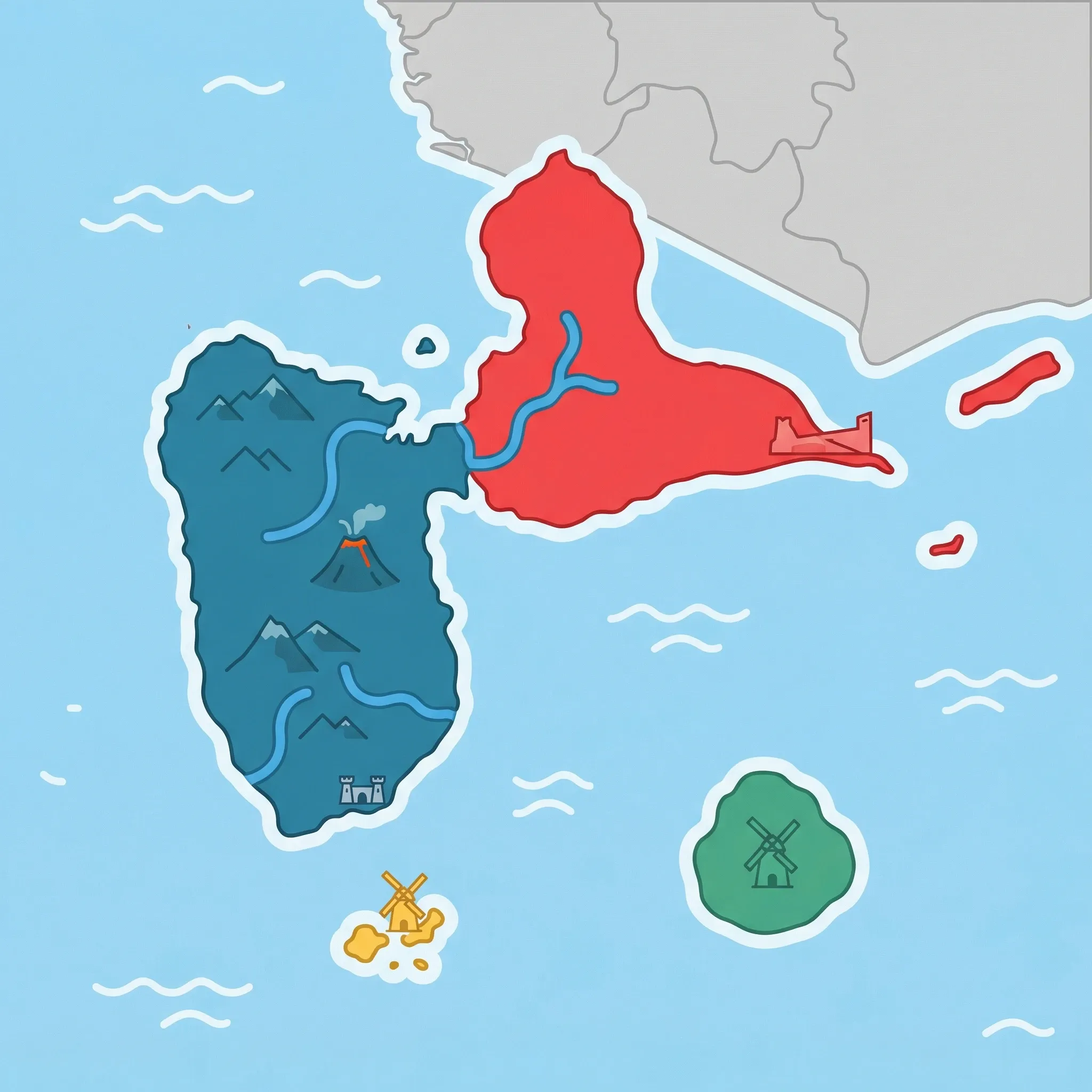
Marie-Galante is often described as Guadeloupe fifty years ago. Shaped like a perfect circle and predominantly flat (hence its nickname "La Grande Galette" or The Big Pancake), this island is a sanctuary of rural peace. For families overwhelmed by the pace of modern life, Marie-Galante is a detox. There are no traffic lights, no chain restaurants, and the nightlife consists of listening to tree frogs or the distant sound of the ocean. The island is dominated by sugar cane production, and it is not uncommon to see farmers still using traditional ox carts to transport the cane, a sight that fascinates children who are used to city life.
The beaches here are arguably the best in the entire archipelago—stunning stretches of white sand with water so blue it looks photoshopped. Because the island receives fewer tourists than the main islands, families can often have large sections of beach entirely to themselves. The shallow, reef-protected waters near Capesterre and Saint-Louis are ideal for young swimmers. Culturally, the island is proud and resilient, with historic windmills dotting the landscape as reminders of its agricultural history. It is a place to slow down, build sandcastles, and enjoy the simple hospitality of the locals. While it lacks the "entertainment" centers of Grande-Terre, its value lies in its safety, its beauty, and its authentic atmosphere.
Key Attractions
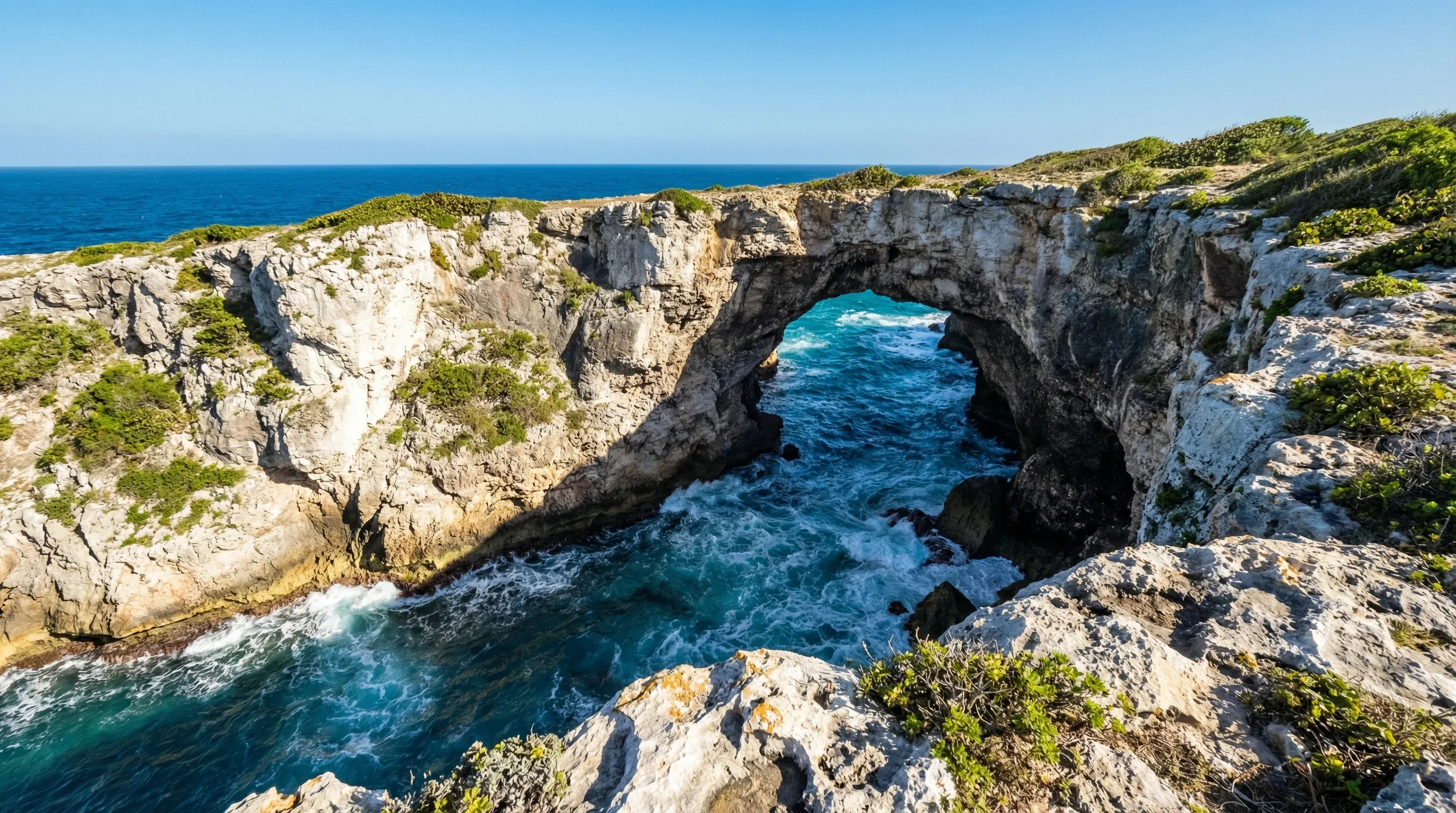
While the island is less about ticketed attractions and more about the atmosphere, the Gueule Grand Gouffre is a natural must-see; it’s a massive natural arch and sinkhole where the sea crashes below, offering a dramatic view (safely fenced) that impresses kids. The beach of La Feuillère in Capesterre is iconic—postcard-perfect with leaning palms and gentle waves. For a bit of history, a visit to the Murat Plantation (Habitation Murat) offers a glimpse into the colonial sugar era with ruins of a windmill and a mansion that now serves as a museum (eco-museum). It is an educational stop that provides context to the endless cane fields you see while driving.
Practical Advice
Boats to Marie-Galante can be rough, so prepare accordingly. Once there, life moves very slowly. Shops may close for long lunch breaks. It is essential to rent a car as taxis are rare and the island is too big to walk. Sunday is a dead day—almost everything closes, so buy supplies on Saturday. The mosquito population can be higher here due to the rural, agricultural nature of the land, so bring high-quality repellent.
Food & Drink
Typical meal times: Strictly 12:00 pm to 2:00 pm for lunch. Many restaurants are closed on Sunday evenings and Mondays.
Typical meal costs: Generally cheaper than the main island. A hearty meal might cost €12–20 (approx. $13–22 USD / £10–17 GBP). High-end beach restaurants will be closer to €25–30 (approx. $27–32 USD / £21–25 GBP).
Dietary requirements: This is the deep country. Vegan options are rare. You will eat root vegetables, fish, and chicken. Flexibility is required.
Signature dishes:
- Bébéle – A hearty, thick soup made with tripe, green bananas, dumplings, and breadfruit. It's the island's most famous traditional dish (adventurous kids might try it!).
- Chaudage – A rich stew traditionally cooked in large pots over wood fires, often served at community gatherings.
- Cacabœuf – A small, round, sweet cake similar to the Tourment d'Amour but specific to this island, filled with coconut or fruit jam.
Why this score?
The island's adventure stems from its isolation and the opportunity for independent exploration of its rugged sea cliffs and rural interior. The lack of modern development and the prevalence of ox-carts and old windmills provide a unique, off-the-beaten-path experience for families.
Why this score?
The island has its own small hospital in Grand-Bourg capable of handling basic emergencies and routine stabilization. However, it lacks the advanced diagnostic equipment and specialists found on the mainland, requiring air or sea transport for major medical issues.
Why this score?
Known for its rural charm and traditional sugar production, Marie-Galante receives far fewer visitors than the 'butterfly' islands. It remains a niche destination for those seeking tranquility and authenticity away from the established tourist corridors of the French West Indies.

Marie-Galante is generally more affordable than Grande-Terre. Accommodation is mostly in local guesthouses or small villas which offer great value, often €70–120 (approx. $75–130 USD / £60–100 GBP) per night. Restaurant prices are fair, and local markets sell fruit and vegetables cheaply. The main expense is the car rental and the ferry ticket.

Getting Here & Around
Getting Here
- Ferry – The 'L’Express des Iles' runs daily from the Bergevin terminal in Pointe-à-Pitre (Grande-Terre) to Grand-Bourg. The crossing takes about 45–60 minutes.
- Plane – Small propeller planes fly from PTP airport to the tiny Marie-Galante airport (GBJ), taking just 15 minutes, but this is much more expensive than the ferry.
Getting Around
- Car – Absolutely essential. The island is rural and spread out. Rental agencies meet you at the ferry port.
- Scooter – Available, but less safe for families due to the lack of lighting on rural roads at night.
- Public Transport – Almost non-existent for tourists. Do not rely on buses.
No airports in this region. See the country flight map for nearby connections.
Official Links

Packing List
The island is agricultural and rural; mosquitoes and sandflies can be intense.
Many small 'Lolos' (eateries) and market stalls do not accept cards.
Street lighting is minimal in rural areas; useful for walking back from dinner.
Many beaches are wild with no sunbed rentals; you'll be sitting on the sand.
Essential for rocky beaches and protecting feet from sea urchins, which are common in wilder swimming spots.
Guadeloupe uses standard French plugs (220V). US/UK devices will not fit without an adapter.
Single-use plastic bags are banned in supermarkets; you must bring your own or buy expensive reusable ones.
The ferry channels to Les Saintes and Marie-Galante are notoriously rough; kids will likely need this.
English is not widely spoken outside major hotels. A translation app helps with menus and directions.

Activities & Best Times

Hiking, wildlife, outdoor exploration, ecotourism
Offers unique natural sites like Gueule Grand Gouffre and rural hiking trails through sugar cane landscapes. Dry months (Dec-Apr) provide the best conditions for outdoor exploration; wet season humidity and rain degrade the experience.
Beach resorts, marine activities: diving, snorkelling, kite surfing, wind surfing, sailing
Features pristine, uncrowded beaches like Plage de la Feuillère with high-quality turquoise waters. Peak season (Dec-May) avoids the hurricane risk and heavy rain of late summer/autumn.

Urban tourism, museums, historical sites, architecture
Marie-Galante retains an authentic 'island that time forgot' feel with historic sugar mills and rum distilleries. Drier months are optimal for exploring heritage sites; tourism drops during the high-humidity hurricane season (Jul-Oct).

Sport tourism, fitness activities, active recreation
Dedicated cycling routes and coastal hiking trails offer excellent active opportunities on the island's flat terrain. Optimal for families during the cooler, drier months (Dec-Apr); summer humidity makes strenuous activity uncomfortable.

Scenic drives, countryside tours, route-based travel
The circular coastal road provides a scenic and manageable loop for families exploring by car. Clear skies and drier roads from December to May make for ideal touring; off-season brings heavy showers and reduced visibility.




Public Holidays & Calendar Next 12 months
Public holidays, festivals, cultural celebrations, and seasonal natural phenomena coming up in Marie-Galante over the next 12 months.
Loading holidays and events...

Travel Advisory
The majority of major international agencies classify Guadeloupe as a destination requiring only standard safety awareness, similar to many Western countries, though minor crime and seasonal weather risks exist.
Safety Topics
Traveller Advice (5 groups)

Take extra precautions when moving alone at night. Avoid unlit or isolated areas, including beaches after sunset.

When scuba diving, verify the credentials of operators and ensure oxygen equipment is available. Confirm that your insurance covers specific high-risk water activities.

While generally accepted as an overseas department of France, travellers should review general safety guidelines for solo and independent travel.
Infrastructure and services for those with limited mobility generally follow French regulations but may be more limited in rural or mountainous areas.

Maintain standard vigilance against petty theft and avoid carrying large amounts of cash. Secure comprehensive insurance and monitor local weather during hurricane season.
Agency Summaries
Most visits are trouble-free. Standard security vigilance is recommended. Be aware of the risks of petty crime in tourist hotspots and ensure comprehensive travel insurance is in place.
There is no specific travel warning in place. New Zealanders are advised to secure medical insurance that includes evacuation. Be cautious of insect-borne diseases and tap water safety during your stay.
Travelers should maintain standard safety awareness. While major violence is uncommon, petty theft like pickpocketing and bag-snatching is the primary concern for visitors. There is a higher risk of crime at night in certain areas, particularly in the historic center of Pointe-à-Pitre. Additionally, the territory frequently experiences water shortages and rationing.
Ireland advises an elevated level of vigilance due to risks associated with crime and health concerns, specifically mosquito-borne illnesses. Travelers should remain aware of their surroundings and monitor local news outlets.
The U.S. recommends standard safety measures for travel to the French West Indies, including Guadeloupe. Visitors are encouraged to monitor local updates and have contingency plans for emergencies.
Travel is generally safe, but common sense precautions are necessary. Avoid visiting isolated spots and beaches after dark. Be aware of the global threat of terrorism, though no recent incidents have occurred locally. Diving schools and road conditions follow French standards, but extra care is advised.
Information is provided for general guidance only and does not constitute travel, safety, medical, or legal advice. Conditions may change. Users are responsible for independently verifying information before travel.