
Fouta Djallon Highlands
Chasing waterfalls in the cool highlands ⛰️💦
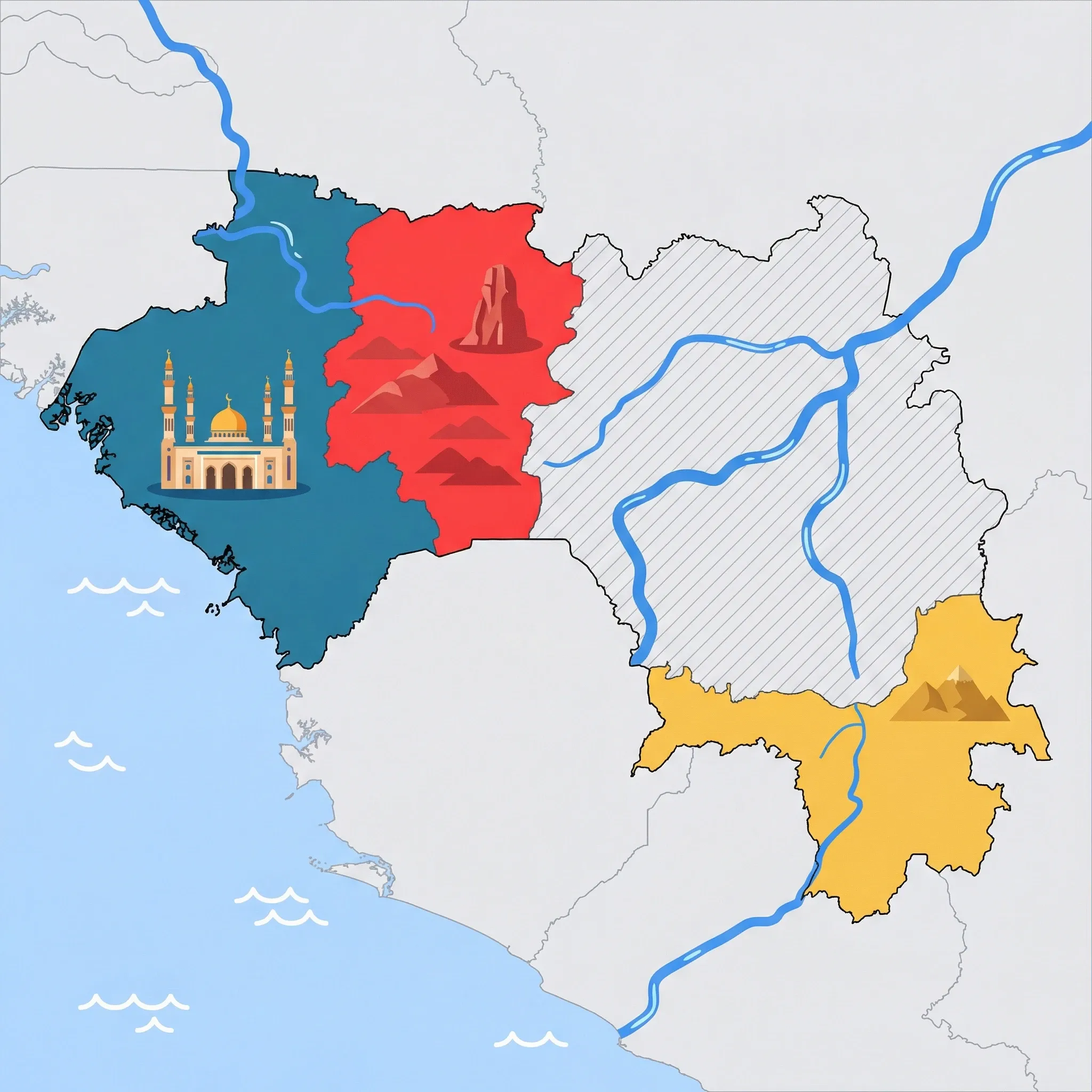
Click a region to explore
The Fouta Djallon Highlands offer a completely different experience from the sweltering coast. This vast sandstone plateau in central Guinea is often called the 'Water Tower of West Africa' because many of the region's great rivers (including the Gambia and Senegal rivers) originate here. For families, the immediate appeal is the climate; the altitude keeps the air cool and crisp, making outdoor activities far more enjoyable than in the humid lowlands. The landscape is a stunner: green rolling hills, pine forests that smell like Europe, and deep canyons carved by rushing water.
This is adventure territory. The infrastructure is basic, but the rewards are immense. Families can hike through herds of Zebu cattle, discover isolated villages of round mud huts with thatched roofs, and swim in crystal-clear natural pools beneath waterfalls. The region is inhabited primarily by the Peul (Fula) people, known for their herding traditions and indigo textiles. The town of Dalaba, a former colonial hill station, retains a faded charm with its old sanatoriums and pine trees, serving as a great base for exploration. It feels safer and more relaxed here than in the capital, allowing for a slightly freer travel experience.
Key Attractions
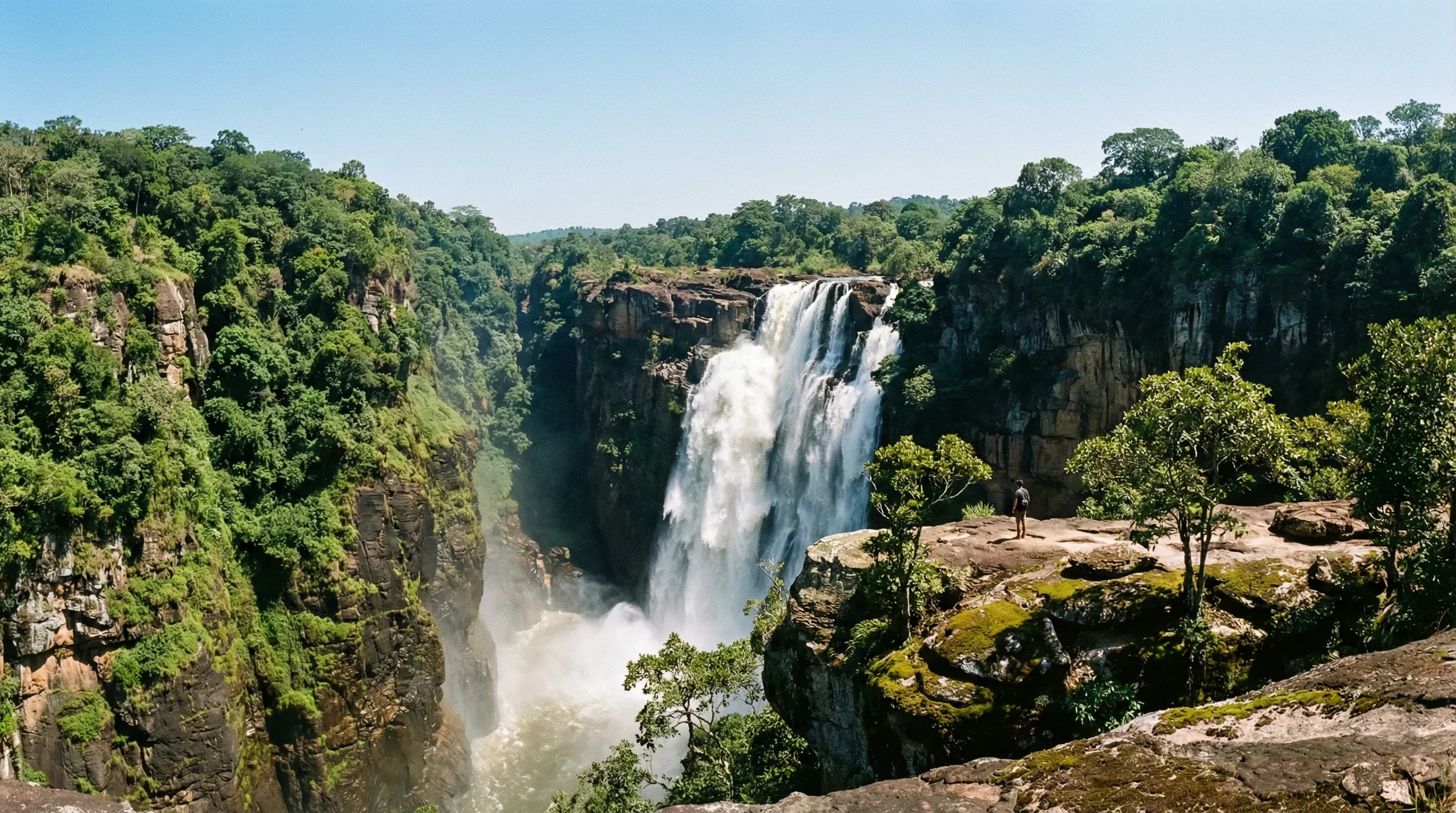
Water is the main theme here. The Kambadaga Falls are iconic—a wide, multi-tiered curtain of water crashing into a deep canyon. The view from the top is dizzying and spectacular, though parents should keep a close hold on children as there are no safety rails. For adventurous teens, the hike down to the base allows for a swim in the river, surrounded by jungle cliffs.
Beyond Kambadaga, the region is dotted with accessible hikes. The 'Lady of Mali' (Dame de Mali) rock formation on Mount Loura is a fascinating geological feature that looks like a woman's profile carved into the cliff. In Dalaba, families can visit the 'Case à Palabres' (Palaver House) to see traditional architecture and learn about local governance. The cooler weather makes these excursions pleasant even in the middle of the day.
Practical Advice
Best Time to Visit: November to February is ideal. The rains have stopped, leaving the landscape lush and green, but the waterfalls are still flowing strongly. The nights can be surprisingly chilly, so bring layers.
Logistics: While safer than the forest region, the roads are notoriously bad. Pot-holes can be the size of small cars. Allow double the time you think you need for any journey. Dalaba is the most family-friendly hub with the best selection of simple hotels.
Food & Drink
Typical meal times: Breakfast is often early (7:00 am). Lunch is served 12:30 pm to 2:00 pm. Dinner is usually 7:00 pm to 8:30 pm.
Typical meal costs: Very affordable. A family meal in a local 'maquis' will cost around 40,000–80,000 GNF (approx. $4.50–9.00 USD / €4.30–8.60 EUR) per person. Hotel dining is slightly more, around 100,000 GNF (approx. $11.50 USD / €10.80 EUR).
Dietary requirements: The Peul culture is dairy-heavy. Milk, yoghurt, and butter are high quality here. Vegetarians will find it easier here than elsewhere due to the abundance of fruit and simple rice dishes, though meat is still central to main meals.
Signature dishes:
- Fouti – A dish of rice mixed with a sauce made from aubergines, onions, and sometimes okra, often served with a piece of meat or fish on the side.
- Lait Caillé (Curdled Milk) – Fresh, slightly sour yoghurt, often sweetened with sugar and mixed with couscous or millet (Thiakry). A regional specialty.
- Fonio – An ancient, gluten-free grain similar to couscous, often served with peanut sauce. It is lighter and nuttier than rice.
Why this score?
The highlands offer significant adventure through rugged trekking routes, steep canyon descents to waterfalls like Kambadaga, and high-altitude plateaus. Travelers must often rely on local guides and basic campsites, navigating a landscape that is wild, remote, and largely untouched by modern tourism development.
Why this score?
While regional centers like Labé and Dalaba have hospitals, they are poorly equipped to treat foreign patients and lack diagnostic technology. The remote nature of the waterfalls and hiking trails means that professional emergency response is virtually non-existent, requiring travelers to be highly self-reliant.
Why this score?
Known as the most scenic part of the country, it attracts a small but dedicated niche of international hikers and cultural tourists interested in Fulani history. Despite its 'Water Tower of West Africa' reputation, it remains an emerging destination with very few foreign visitors compared to global mountain regions.

The Fouta Djallon is one of the most affordable regions. A night in a decent hotel in Dalaba costs 250,000–450,000 GNF (approx. $29–52 USD / €27–48 EUR). Guide fees for hiking are very reasonable, typically 100,000–150,000 GNF (approx. $11.50–17 USD / €10.80–16 EUR) for a day trip. Transport (fuel and vehicle hire) remains the biggest expense.

Getting Here & Around
Getting Here
- Driving – The main route from Conakry to Dalaba or Labé is paved but riddled with potholes. The drive takes 6–9 hours depending on the vehicle and road conditions.
- Private Transfer – Hiring a 4x4 with a driver from Conakry is the safest way to reach the highlands.
- Shared Taxi – 'Sept-place' taxis run from Conakry, but they are cramped, fast, and not recommended for families with children.
Getting Around
- Car – You need a 4x4 to reach Kambadaga Falls and other trailheads. Low-clearance vehicles will not make it on the rocky tracks.
- Hiking – This is a walking region. Many of the best sights can only be reached on foot. Trails are rarely marked, so hiring a local guide is essential and inexpensive.
- Moto-taxi – Available in towns like Labé and Dalaba for short hops, but negotiate prices in advance.
No airports in this region. See the country flight map for nearby connections.

Packing List
Temperatures at night drop significantly in the highlands; it can feel like autumn in Europe.
You will be hiking near water sources that look clean but require treatment before drinking.
You will frequently cross streams or hike on slippery rocks near waterfalls.
For washing up during long day-hikes or camping without polluting the pristine rivers.
Mandatory for entry; keep it in your carry-on as you will be asked for it before immigration.
Power cuts are frequent and street lighting is non-existent in many areas outside central Conakry.
English is rarely spoken outside of high-end hotels; basic French is essential for daily interactions.
You will frequently remove shoes when entering homes, some shops, or mosques.
ATMs are unreliable outside Conakry; bring pristine, new bills to exchange.
Tap water is not safe to drink, and buying plastic bottles creates waste in a country with limited recycling.

Activities & Best Times

Hiking, wildlife, outdoor exploration, ecotourism
The region features unique geological formations like the 'Lady of Mali' and spectacular canyon waterfalls that provide an authentic West African wilderness experience. Peak months offer cool, dry conditions for trekking, while the heavy monsoon rains from June to September make trails dangerous and inaccessible.

Urban tourism, museums, historical sites, architecture
While the region has significant cultural heritage as the heart of the Fouta Djallon Imamate, 'very_good' should be reserved for globally outstanding cultural destinations with UNESCO density or world-class museums. The region's cultural appeal is nationally important but not internationally exceptional. Downgrading to 'good' maintains recognition of cultural value while properly calibrating against international standards.

Scenic drives, countryside tours, route-based travel
Defined scenic routes like the RN2 and the escarpment drive to Mali-ville offer dramatic mountain vistas suitable for self-drive or guided touring. Travel is best during the dry season to ensure road safety and visibility; many unpaved mountain passes become treacherous or impassable during the peak rains.

Sport tourism, fitness activities, active recreation
Recognized trekking infrastructure like the Indiana Jones Trail provides challenging terrain for active families seeking authentic highland hiking. The peak season aligns with stable, cooler weather, while the extended wet season (May-September) creates slippery conditions and high-risk river crossings.




Public Holidays & Calendar Next 12 months
Public holidays, festivals, cultural celebrations, and seasonal natural phenomena coming up in Fouta Djallon Highlands over the next 12 months.
Loading holidays and events...

Travel Advisory
Standard safety awareness is insufficient. Travellers must exercise increased vigilance due to high rates of crime, potential for sudden civil unrest, and significant infrastructure limitations.
Safety Topics
Traveller Advice (3 groups)

Same-sex relationships and acts are criminalized and socially stigmatized. Public displays of affection should be avoided to prevent legal consequences or targeted harassment.

Female travellers may encounter verbal harassment and should avoid walking alone, especially after dark. Dressing modestly in accordance with local customs is recommended to reduce unwanted attention.

Ensure access to backup supplies of food, water, and fuel as shortages are frequent. Register your travel plans with your national authorities and maintain comprehensive medical evacuation insurance.
Agency Summaries
Protests and political gatherings can occur with little warning and may become violent. Road-based crime involving armed individuals posing as security personnel is a risk. Terrorism remains a threat that could affect public spaces frequented by foreigners.
Travellers should remain extremely vigilant due to ongoing social and political instability. Public demonstrations are frequent and have the potential to escalate into violence. Health risks include cholera outbreaks and being located within the meningitis belt.
Civil unrest and political tensions create a volatile security environment. Essential services like water and fuel are subject to regular shortages. There is a high risk of banditry and kidnapping in regions bordering Mali.
Visitors should be cautious due to the lack of local diplomatic representation and the risk of civil disturbances. Comprehensive insurance is essential to cover potential medical evacuations given the limited local healthcare options.
Violent crimes, including armed robbery and carjacking, are becoming more common across the country. Tensions are particularly high in border areas, where non-essential travel should be avoided.
Heightened vigilance is advised due to prevalent crime, potential for civil unrest, and insufficient medical infrastructure. Street crimes like pickpocketing and muggings are frequent, particularly in Conakry. Nighttime travel between cities is strongly discouraged.
Information is provided for general guidance only and does not constitute travel, safety, medical, or legal advice. Conditions may change. Users are responsible for independently verifying information before travel.