
Western Hungary (Sopron, Győr)
Baroque charm and nature at the Austrian border 🏰🛶
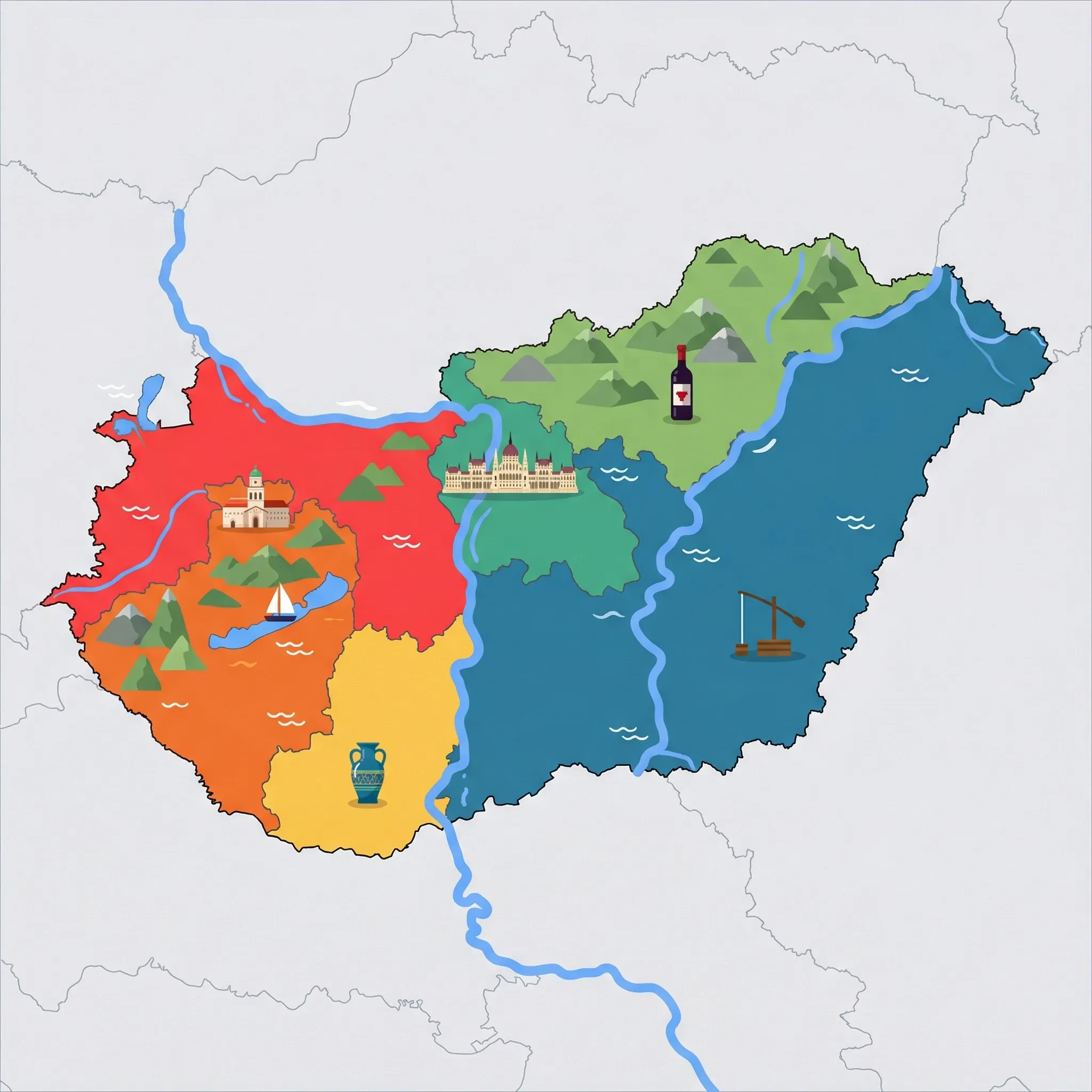
Click a region to explore
Overview
Western Hungary feels like a bridge between East and West. The architecture in towns like Sopron and Győr is distinctly Austrian-Baroque, with tidy, cobbled streets and colorful merchant houses. For families, this is a very easy, safe, and comfortable region to travel. It is cleaner, wealthier, and more organized than some eastern parts of the country. The region is dominated by water: the rivers converging in Győr and the massive, reed-filled Lake Fertő (Neusiedler See) which straddles the Austrian border. This lake is a UNESCO World Heritage site and a paradise for birdwatching and cycling.
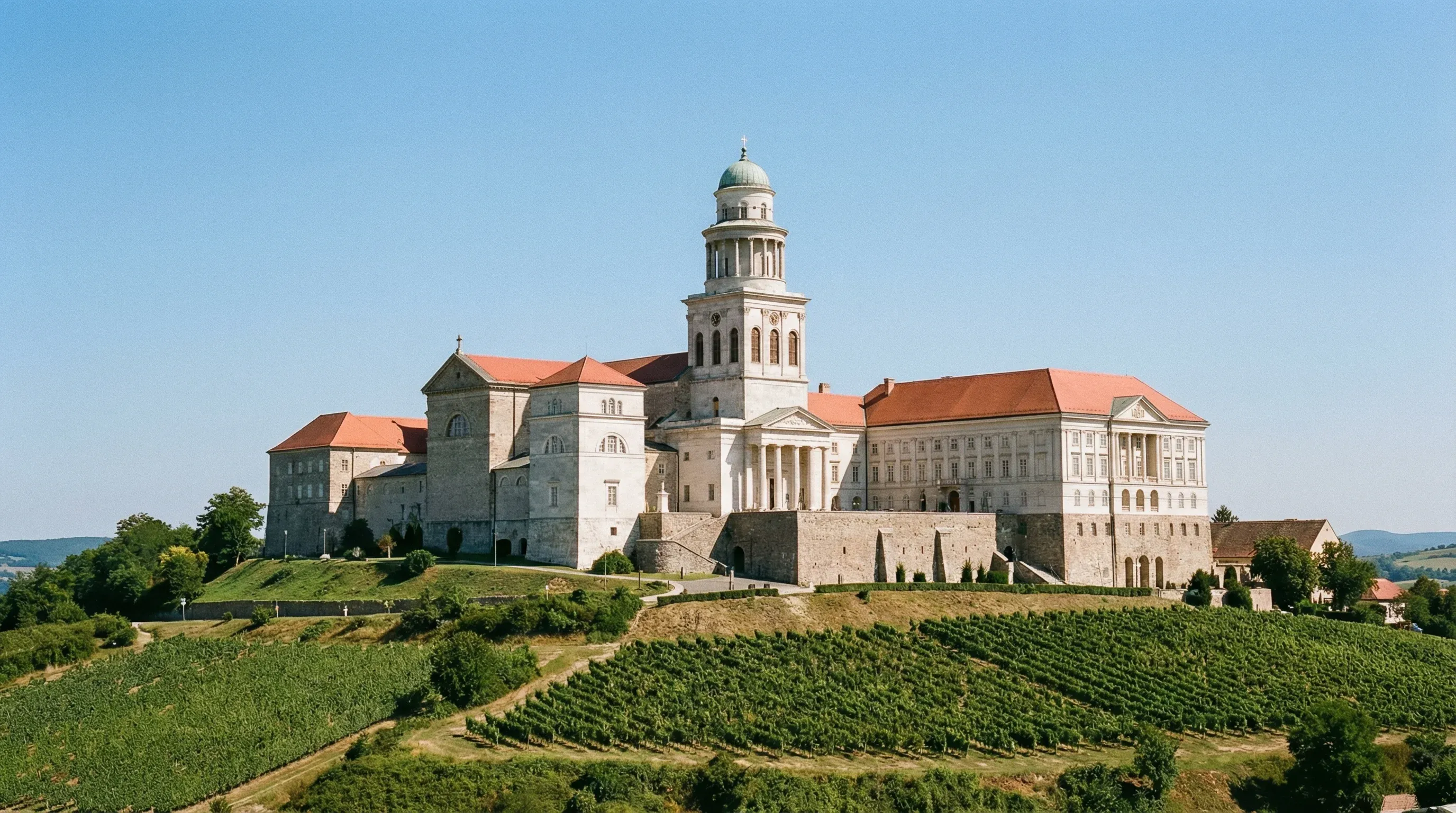
Attractions here are varied. You have the deep history of the Pannonhalma Archabbey (where kids might actually enjoy a monastery tour thanks to the botanical gardens and lavender fields), and the interactive science centers in Győr. The region is windy and fresh, perfect for active families who want to cycle flat paths or go canoeing in the reed belts of the lake.
Key Attractions
In Sopron, the Firewatch Tower is the icon; climbing it gives a view over the rooftops to the Alps. The Fertő-Hanság National Park is best explored by bike or electric boat; the shallow, reedy waters are full of herons and egrets. Esterházy Palace in Fertőd is known as the "Hungarian Versailles"—its sheer scale and gold-leaf interiors are impressive for all ages. In Győr, the Pannonhalma Archabbey perched on a hill is a must; it looks like a fortress and houses one of the most beautiful libraries in the world (Harry Potter vibes included).
Practical Advice
This region is very close to Vienna (often just an hour away). It is a great stopover if you are doing a multi-country trip. Note that Sopron is famous for dentistry; don't be surprised to see dental clinics everywhere! The climate is windier here than the rest of Hungary.
Food & Drink
Typical meal times: Standard Central European times. Lunch 12:00 pm – 2:00 pm. Dinner 6:00 pm – 9:00 pm.
Typical meal costs: Slightly higher than the east, but cheaper than Budapest. Family meal: 20,000–35,000 HUF (approx. $55–95 USD / €50–88 EUR).
Dietary requirements: Very good. Due to the proximity to Austria, vegetarian and health-conscious options are common in Sopron and Győr.
Signature dishes:
- Jókai Bableves – A rich bean soup with smoked pork hock, sausages, and sour cream. A meal in itself.
- Soproni Babos Pogácsa – Savory scones made with beans, a specialty of the region.
- Duck Roast – The region is famous for poultry; roast duck with braised cabbage is a Sunday staple.
Why this score?
The geography is characterized by flat wetlands and baroque urban centers, making it ideal for easy cycling rather than rugged adventure. Most family activities, like the FUTURA science center, are indoor or situated in highly manicured landscapes.
Why this score?
The region has excellent medical infrastructure, partly driven by cross-border dental and medical tourism from Austria and Germany. Cities like Győr and Sopron offer modern, high-quality healthcare facilities where English and German are commonly spoken by staff.
Why this score?
Due to its proximity to the Austrian border, this region sees high transit tourism and day-trippers from Vienna and Bratislava. While cities like Győr and Sopron are beautifully preserved, they serve more as regional hubs than primary global destinations.

Prices here are influenced by the proximity to Austria (many locals work across the border). Expect to pay 30,000–50,000 HUF (approx. $82–137 USD / €75–125 EUR) per night for a family apartment. Services are high quality, so you get good value for money.

Getting Here & Around
Getting Here
- Train – Excellent Railjet connections from Vienna (1 hour) and Budapest (1.5 hours) to Győr. Sopron is also well-connected by rail.
- Driving – The M1 highway is the main artery connecting Vienna and Budapest. It passes right by Győr. It is a busy trucking route, so drive carefully.
Getting Around
- Cycling – This is the best cycling region in Hungary. Paths around Lake Fertő are paved, flat, and segregated from cars.
- Car – Useful for visiting the Esterházy Palace or Pannonhalma, which are outside the main cities.
- Walking – The historic centers of Sopron and Győr are pedestrian zones.
No airports in this region. See the country flight map for nearby connections.
Official Links

Packing List
The region is notoriously windy due to the nearby Alps and open plains.
If you plan to cycle Lake Fertő, padded shorts make the 30km+ rides happier.
Lake Fertő is a premier birdwatching site; don't miss the details.
Strictly mandatory in the swimming lap pools at most thermal baths (like Széchenyi or Gellért).
Required for hygiene in thermal bath walkways; walking barefoot is often prohibited.
Ticks are common in Hungarian forests and the Buda Hills; handy for hiking families.
Towel rentals at baths can be expensive or low quality; bringing your own is cleaner and cheaper.
Essential for summer evenings, especially if staying near Lake Balaton or the Danube river.

Activities & Best Times

Hiking, wildlife, outdoor exploration, ecotourism
Features UNESCO-listed Lake Fertő and the Pannonhalma Archabbey herb gardens, offering authentic immersion in unique ecosystems and heritage landscapes. Peak months provide optimal conditions for exploring the diverse wetlands and rural demonstration farms.

Urban tourism, museums, historical sites, architecture
Home to the historic Esterházy Palace and the Baroque cityscapes of Győr and Sopron, delivering a high-quality Central European cultural experience. Late spring and early autumn avoid the summer heat while maintaining a vibrant street life and full access to heritage sites.

Sport tourism, fitness activities, active recreation
Boasts internationally recognized cycling infrastructure, including sections of EuroVelo 6 and the B10 Lake Fertő path. Peak season avoids the hottest summer days and coldest winter periods, offering ideal conditions for long-distance cycling.

Scenic drives, countryside tours, route-based travel
Offers well-defined scenic routes like the Lake Fertő UNESCO loop and Szigetköz nature drives through pristine landscapes. Peak visibility and the most striking countryside colors are found in late spring and early autumn.
Amusement parks, family entertainment venues
The region boasts significant water experience parks like RQ and Lipóti, which are world-class regional facilities for families. The outdoor aquatic focus dictates a strict peak during the warmest summer months.

Learning experiences, scientific sites, historical education
High-quality interactive science centers like FUTURA and Mobilis offer strong educational value, though they act as secondary attractions for international visitors. Best visited during months with active programming and pleasant travel conditions.

Spa retreats, wellness centers, peaceful getaways
Features authentic Hungarian thermal bath experiences, though with fewer major destination-level spas than other Hungarian regions. Peak visitation for wellness occurs in cooler months when the thermal waters provide the most restorative experience.

Attractions (15 total)



Public Holidays & Calendar Next 12 months
Public holidays, festivals, cultural celebrations, and seasonal natural phenomena coming up in Western Hungary (Sopron, Győr) over the next 12 months.
Loading holidays and events...

Travel Advisory
All major agencies agree that Hungary is a safe destination requiring only standard travel safety awareness and common sense precautions.
Safety Topics
Traveller Advice (3 groups)

While the capital is generally open, be aware of legislation that may restrict public displays of affection or the depiction of certain identities to minors. Some public rallies or marches may be subject to fines or facial recognition monitoring.

When visiting lakes, forests, or rural areas from spring to autumn, take precautions against ticks which can transmit encephalitis. Check for ticks immediately after outdoor activities.

Exercise caution in tourist districts and on public transport where pickpocketing is common. Avoid large political demonstrations in Budapest and verify menu prices in bars to avoid overcharging scams.
Agency Summaries
Maintain common sense vigilance. Be alert for petty crime on public transport and overcharging scams in nightlife venues. Note that the Australian Embassy in Budapest is closed; assistance is provided via Vienna.
No specific security warnings are in place. Travellers are advised to monitor local conditions and be aware of health risks such as tick-borne encephalitis in rural or wooded areas.
Travellers should maintain standard safety awareness. While Hungary is generally safe, seasonal spring flooding can occur along the Danube and Tisza rivers. Consular assistance for dual citizens may be limited.
Standard precautions are advised. Recent updates highlight specific legal regulations affecting LGBTQ+ public events and the implementation of the new European Entry-Exit System for border crossings.
General safety awareness is recommended. Travellers should stay informed about potential civil unrest in Budapest and maintain vigilance in public spaces due to the global threat of terrorism.
Hungary is classified as a safe destination. Visitors should practice typical safety habits, especially regarding petty theft in crowded Budapest tourist spots, and use only legitimate currency exchange offices.
Information is provided for general guidance only and does not constitute travel, safety, medical, or legal advice. Conditions may change. Users are responsible for independently verifying information before travel.