
Snæfellsnes Peninsula
Iceland in miniature: Volcanoes, glaciers, and secret beaches 🏔️🌊
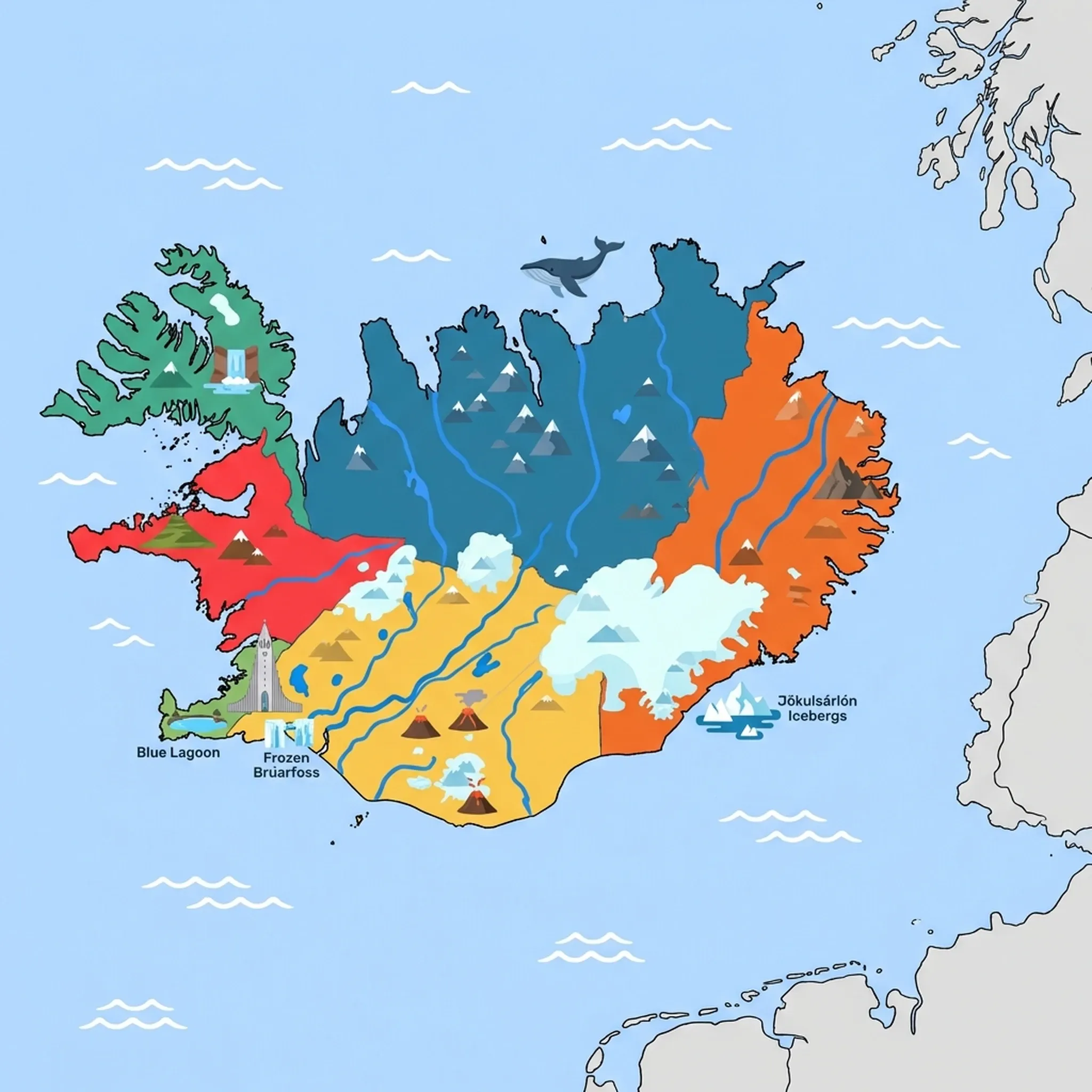
Click a region to explore
Snæfellsnes is the perfect playground for families who want to see a diverse range of landscapes without spending all day in the car. Extending 90km into the Atlantic from the west coast, this peninsula is dominated by the Snæfellsjökull Glacier, a stratovolcano made famous by Jules Verne as the entrance to the center of the earth. The energy here is magical and slightly mysterious. The coastline is rugged and varied, shifting from golden seal-filled beaches to sheer basalt cliffs teeming with nesting birds. Because it is a peninsula, you can essentially drive a loop around the volcano in one day, though two days allows for a much more relaxed, kid-friendly pace.
The towns here are small and traditional. Stykkishólmur, with its colorful old houses and futuristic church, feels like a movie set (and was used as one for The Secret Life of Walter Mitty). The region is fantastic for active families: there are lava caves to explore, boat trips to eat fresh scallops straight from the sea, and coastal paths between the villages of Arnarstapi and Hellnar that are flat, safe, and breathtakingly beautiful. It captures the essence of Iceland—dramatic, raw, and ancient—in a manageable, bite-sized package.
Key Attractions
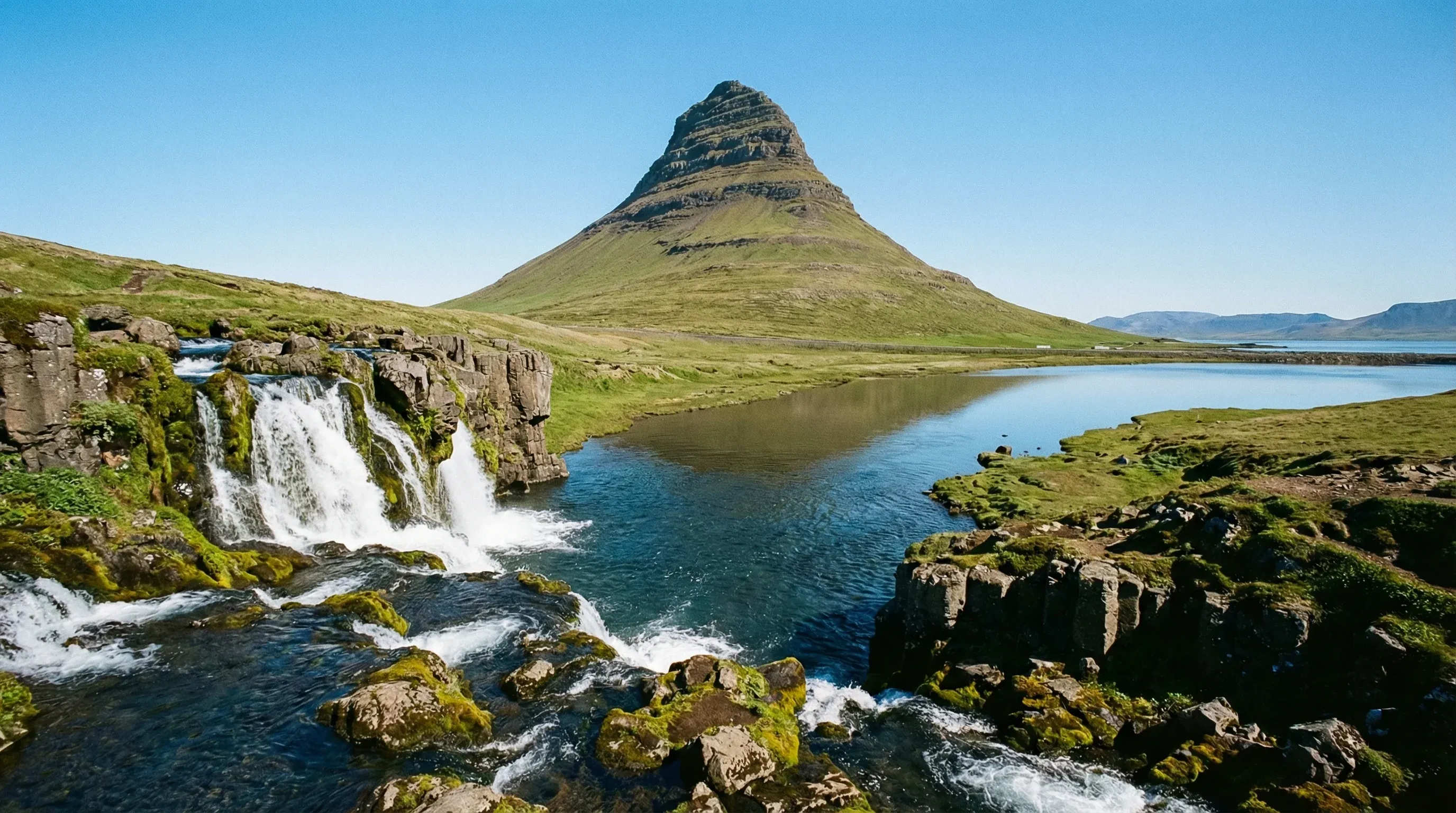
The visual icon of the region is Kirkjufell Mountain near Grundarfjörður. Its distinct cone shape makes it the most photographed mountain in the country; families can easily walk to the waterfall at its base for the classic photo. At the tip of the peninsula lies Snæfellsjökull National Park. Within the park, Djúpalónssandur Beach is a hit with older kids, who can try to lift the four ancient "lifting stones" once used to test the strength of fishermen. (Warning: Keep well back from the water here, the waves are powerful).
Another atmospheric stop is the black wooden church, Búðakirkja, sitting isolated in a lava field—a stark and beautiful sight. For wildlife lovers, although not a specific ID, the beach at Ytri Tunga is essential for seeing colonies of seals basking on the rocks close to the shore.
Practical Advice
This region can be very windy. Hold car doors tight when opening them! The drive from Reykjavik is about 2 hours. Accommodation is limited, so booking cottages or guesthouses in Stykkishólmur or near Hellnar months in advance is wise.
Food & Drink
Typical meal times: Lunch 12:00 pm to 1:30 pm. Dinner 6:00 pm to 8:30 pm. Rural restaurants close early, especially outside peak summer.
Typical meal costs: Expect to pay 3,000–5,000 ISK (approx. $22–36 USD / €20–33 EUR) for main courses. Fish and chips from a wagon might be 2,500 ISK (approx. $18 USD / €17 EUR).
Dietary requirements: Options are fewer than in Reykjavik. Most places offer a vegetarian dish (soup or pasta), but specialized vegan/gluten-free options can be scarce in tiny villages. Bring snacks.
Signature dishes:
- Blue Mussels – Stykkishólmur is famous for its mussels, harvested from the pristine waters of Breiðafjörður.
- Fish Stew (Plokkfiskur) – A comfort food staple of cod/haddock mashed with potatoes and béchamel sauce, often topped with cheese. Kids usually love this.
- Rye Bread Ice Cream – A local dessert twist found in some regional cafes, blending the traditional bread into a sweet treat.
Why this score?
The peninsula offers a blend of accessible coastal walks and more adventurous activities like exploring the Vatnshellir lava tube or visiting the Snæfellsjökull glacier. It is rugged enough to feel wild, yet most attractions are within a short distance of well-maintained roads and comfortable guesthouses.
Why this score?
Healthcare is primarily limited to small local health centers (heilsugæslustöð) in towns like Stykkishólmur and Grundarfjörður. For anything beyond basic first aid or minor illness, patients are typically transferred to the more comprehensive facilities in Akranes or Reykjavik.
Why this score?
Often called 'Iceland in Miniature,' this peninsula is a popular addition to most itineraries due to its proximity to Reykjavik. Iconic sites like Kirkjufell see high visitor density, but the region as a whole remains a moderate destination compared to the overwhelming popularity of the Golden Circle.

Slightly better value than the South Coast but still pricey. A family cottage rental might cost 30,000–45,000 ISK (approx. $220–330 USD / €200–300 EUR) per night. Gas stations are sparse, so fill up in Borgarnes or Stykkishólmur. Dining out is limited to a few restaurants per town, keeping choices simple but costs predictable.

Getting Here & Around
Getting Here
- Driving – Access is via Route 54 from Borgarnes. It is a roughly 2-hour drive from Reykjavik to the start of the peninsula.
- Ferry – The Baldur ferry connects Stykkishólmur to the Westfjords via Flatey Island. It is a scenic shortcut if heading north.
- Bus – Strætó bus 58 runs from Borgarnes to Stykkishólmur, but exploring the peninsula's sights without a car is extremely difficult.
Getting Around
- Car – The only practical way to see the sights. The roads are paved, but the pass over the mountain near the glacier can be steep and gravelly in sections.
- Tours – Day tours from Reykjavik are available, but they are long (10-12 hours), which can be exhausting for young children.
No airports in this region. See the country flight map for nearby connections.
Official Links

Packing List
Trails to waterfalls and beaches are often muddy and slippery; sneakers will get ruined.
The landscapes (Kirkjufell, vast lava fields) are massive and hard to capture with standard zoom.
Cell service can be spotty in the shadow of the glacier/mountains.
Snæfellsnes is notoriously windy; a heavy coat is too hot for hiking, but wind protection is vital.
Summer brings 24-hour daylight (Midnight Sun), making it very hard for children to sleep without total darkness.
Rain comes sideways, and waterfalls like Seljalandsfoss soak you completely. Jeans will stay wet and cold all day.
Icelandic tap water is pristine and free. Buying bottled water is considered a 'tourist tax' and unnecessary.
Essential for visiting natural hot springs or local swimming pools where towel rental can be expensive or unavailable.
The combination of strong winds and dry cold air chaps skin very quickly, especially on children's faces.
Pack this even in winter! You will visit geothermal pools, hot tubs, and lagoons constantly—it's a daily ritual.

Activities & Best Times

Hiking, wildlife, outdoor exploration, ecotourism
Features Snæfellsjökull National Park and Kirkjufell mountain; summer months offer optimal conditions for hiking and glacier access, while winter weather is too severe for family exploration.

Sport tourism, fitness activities, active recreation
Offers world-class hiking trails and guided excursions into Vatnshellir Cave; peak months provide the necessary daylight and weather stability for organized outdoor activities.

Beach resorts, marine activities: diving, snorkelling, kite surfing, wind surfing, sailing
Features iconic black pebble beaches and seal watching at Ytri Tunga; while not for swimming, these coastal sites are best experienced during the calmer, warmer summer months.

Urban tourism, museums, historical sites, architecture
Stykkishólmur is a historic village with cultural appeal, but a single small village does not constitute 'very_good' city/cultural by international standards. Should be rated 'good' for authentic small-scale cultural experiences.

Scenic drives, countryside tours, route-based travel
The Snæfellsnes Way loop provides a high density of geological landmarks in a compact drive; summer ensures safe road conditions and maximum visibility for scenic viewpoints.

Learning experiences, scientific sites, historical education
The National Park visitor center at Malarrif provides destination-level geological education; peak season aligns with the park's full staffing and accessibility for family tours.

Spa retreats, wellness centers, peaceful getaways
Includes unique natural hot springs like Landbrotalaug; the lack of developed spa infrastructure makes this a marginal draw limited primarily to the warmer months.




Public Holidays & Calendar Next 12 months
Public holidays, festivals, cultural celebrations, and seasonal natural phenomena coming up in Snæfellsnes Peninsula over the next 12 months.
Loading holidays and events...

Travel Advisory
The country is considered safe for travel with no major security concerns. Standard personal safety awareness is recommended.
Safety Topics
Traveller Advice (5 groups)

Solo female travel is generally safe and common in Iceland; standard personal safety precautions are recommended.

Consult local resources like SafeTravel.is before embarking on outdoor activities. High-risk areas include active volcanic sites, glaciers, and unpredictable coastal waters where sneaker waves occur.

Iceland is a highly inclusive destination with extensive legal protections and social acceptance for LGBTQ+ individuals.
Accessibility is generally good in urban centers like Reykjavik, though natural sites and rural areas may present significant physical challenges.

Ensure your passport is valid for at least three to six months beyond your departure date. Be prepared for the new electronic entry systems when arriving from outside the Schengen zone.
Agency Summaries
Travel risk is low, but visitors should be cautious regarding natural phenomena. Particular attention is drawn to the potential for volcanic eruptions and extreme weather changes.
Irish citizens should observe standard safety measures. As there is no resident Irish embassy in Iceland, consular services are managed through the mission in Oslo, Norway.
Travellers are advised to maintain a standard level of safety awareness while visiting Iceland. Entry is governed by Schengen Area regulations, allowing short stays without a visa for Canadian citizens.
Iceland is generally safe for visitors. The Department suggests standard safety measures and staying informed about potential natural hazards through local news and authorities.
No specific travel restrictions are in place. Visitors should follow general safety practices and remain aware of weather conditions and local entry requirements for the Schengen Zone.
Standard precautions are sufficient for travel to Iceland. Authorities highlight the need to avoid active volcanic zones on the Reykjanes Peninsula and to prepare for the implementation of the new European Entry/Exit System.
Information is provided for general guidance only and does not constitute travel, safety, medical, or legal advice. Conditions may change. Users are responsible for independently verifying information before travel.