
Galilee & North
Ancient history, waterfalls, and outdoor adventures 🌿
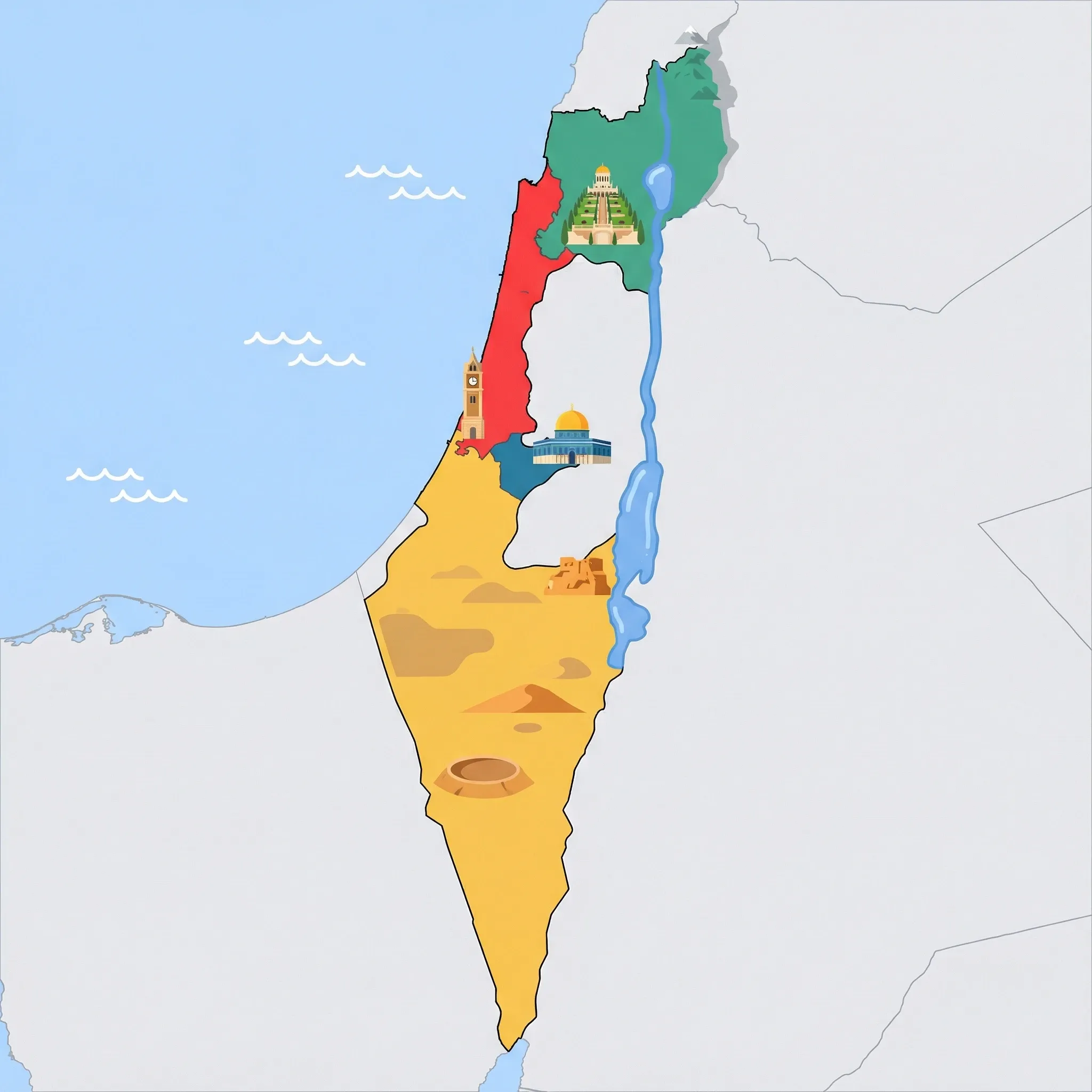
Click a region to explore
⚠️ SAFETY WARNING: Due to active military conflict and volatile border tensions, government agencies (including CA, USA, UK, AU, IE, NZ) currently advise travelers to avoid all travel to border areas or the entire region. The security environment near the Lebanon and Syria borders is extremely unstable with risks of rocket fire. Families are strongly urged to consult their own government's official travel advisory before considering a trip, as circumstances and risk assessments vary significantly by nationality and specific location.
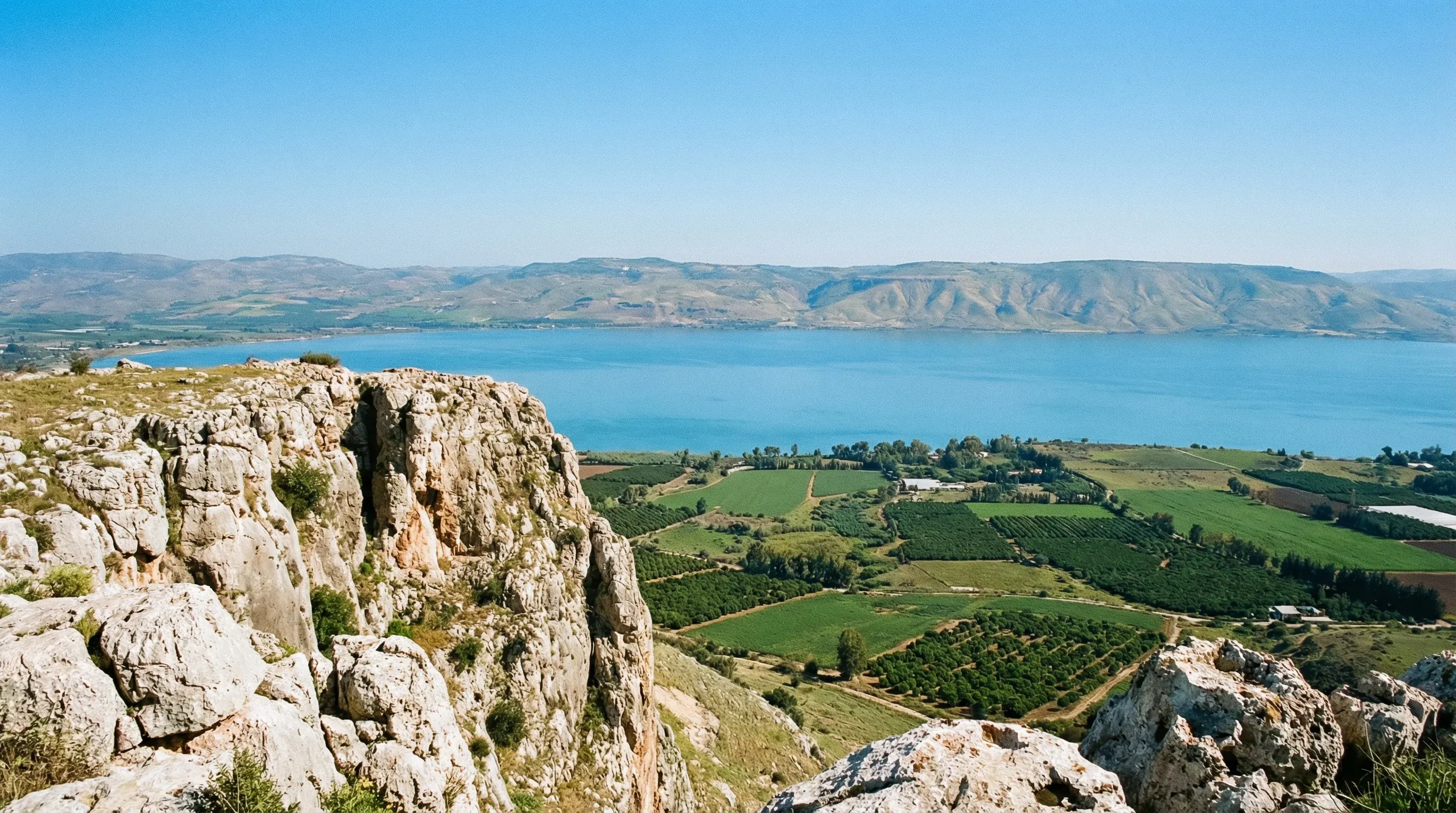
The Galilee and Northern Israel represent a distinct shift in landscape and pace from the rest of the country. Here, the arid desert gives way to rolling green hills, dense forests, and flowing rivers, making it the primary destination for Israeli families seeking nature and relaxation. For international visitors traveling with children, the region offers a tangible connection to history through ancient ruins and biblical sites, balanced by immediate physical fun—kayaking on the Jordan River, hiking through water tunnels, or exploring crusader fortresses. The climate is generally milder than the south, though summers around the Sea of Galilee can be intensely hot and humid. The region is a cultural mosaic, home to Jewish, Arab, Druze, and Circassian communities, offering a rich educational experience for older children about coexistence and diverse traditions.
The vibe here is rustic and unhurried. Unlike the frantic energy of Tel Aviv, the North is about winding roads, small guesthouses (known locally as 'zimmers'), and agricultural tourism. Families can pick cherries in the Golan, visit chocolate factories, or explore the mystical alleyways of Safed. The Sea of Galilee (Lake Kinneret) serves as a major focal point, offering beaches that range from quiet rocky coves to fully equipped resort areas. However, the real magic for kids often lies in the nature reserves where water is the main attraction—essential for cooling off after a morning of sightseeing.
Key Attractions
The region is packed with nature reserves that are perfectly set up for families. A standout is Gan HaShlosha National Park (Sahne), often voted one of the most beautiful places in the country. Its natural pools are warm year-round and surrounded by grassy banks perfect for picnics. For a mix of history and wildlife, the Hamat Gader park offers hot springs and a crocodile farm that fascinates younger visitors. Further north, the Banias Nature Reserve (Hermon Stream) features an easy walking trail leading to a stunning waterfall, accessible enough for active toddlers but interesting enough for teens.
In the winter and early spring, the Mount Hermon Ski Resort becomes the country's only snow destination, offering skiing, snowboarding, and sledding. Even without snow, the cable car ride provides breathtaking views. For an educational stop that feels like an adventure, the Hula Nature Reserve (Oforia Discovery Center) allows families to ride bikes or golf carts through wetlands teeming with migrating cranes and pelicans—a world-class birdwatching site.
Practical Advice
Best time to visit: Spring (March–May) is ideal for green landscapes and wildflowers. Summer is popular for water activities but can be crowded. Logistics: Public transport is limited in rural areas; renting a car is almost essential for families to reach trailheads and 'zimmers'.
Food & Drink
Typical meal times: Lunch is usually served from 12:30 pm to 3:00 pm. Dinner in rural areas is earlier than the cities, typically 6:30 pm to 8:30 pm.
Typical meal costs: A family meal in a casual restaurant costs around 250–400 ILS (approx. $65–105 USD / €60–100 EUR). Street food is cheaper.
Dietary requirements: Excellent for vegetarians and vegans due to the heavy reliance on fresh produce, dairy, and grains. The region is famous for Druze cuisine which is very kid-friendly (breads, dips).
Signature dishes:
- St. Peter's Fish – Whole tilted tilapia, usually fried or grilled, served traditionally at restaurants surrounding the Sea of Galilee.
- Labane with Za'atar – A tangy, thick strained yogurt cheese served with olive oil, hyssop spice mix, and large, thin Druze pita bread.
- Knafeh – A sweet, warm dessert made of spun pastry strands soaked in syrup and layered with cheese, best eaten in Nazareth or Acre.
Why this score?
The Golan Heights and Upper Galilee offer some of the most varied terrain in the country, including river kayaking on the Jordan and hiking in the Arbel National Park. While infrastructure is well-developed, the volcanic plateaus and lush hills provide a rugged outdoor experience far removed from the urban center.
Why this score?
Haifa houses the Rambam Health Care Campus, a world-class facility, while regional centers like Ziv in Safed are well-equipped to handle tourists. Most medical staff are highly trained and proficient in English, ensuring high-quality care even in smaller northern cities.
Why this score?
The region is a major hub for religious pilgrimage to sites like Nazareth and the Sea of Galilee, supplemented by the historical appeal of the UNESCO-listed city of Akko. While it attracts a steady flow of international visitors, it also serves as a primary domestic vacation spot for Israelis, balancing its global profile with local demand.

While entry to National Parks is regulated and affordable (approx. 20–40 ILS / $5–11 USD / €5–10 EUR per person), accommodation varies wildly. A simple kibbutz guesthouse might cost 600–900 ILS (approx. $160–240 USD / €150–225 EUR) per night, while luxury hotels in Rosh Pinna or Mitzpe Hayamim can exceed 2,000 ILS (approx. $530 USD / €500 EUR). Dining is generally cheaper than Tel Aviv.

Getting Here & Around
Getting Here
- Driving – The region is a 1.5 to 2.5-hour drive from Tel Aviv via Highway 2 (Coastal Road) or Highway 6 (Toll Road). Driving is the most practical way to reach rural nature sites.
- Train – Israel Railways operates lines to key peripheral cities. You can take a train to Acre (Akko), Nahariya, or Karmiel. From these hubs, you will need a taxi or bus to reach specific attractions.
- Bus – Direct buses run from Tel Aviv and Jerusalem to major northern cities like Tiberias and Kiryat Shmona, but inter-village transport is infrequent.
Getting Around
- Car – Highly recommended. Reaching places like Agamon HaHula or the upper Golan Heights is difficult without a private vehicle. Roads are generally good but can be winding and unlit at night.
- Taxi – Available in cities like Tiberias and Nazareth but expensive for long inter-city travel.
- Hiking – Segments of the Israel National Trail (Northern Section) offer excellent walking options between sites for active families.
No airports in this region. See the country flight map for nearby connections.
Official Links

Packing List
Essential for pebble beaches at Sea of Galilee and rocky stream beds in nature reserves.
Shawls or long skirts are required for visiting holy sites in Nazareth, Safed, and Tiberias.
Roads in the Upper Galilee and Golan Heights are extremely winding and hilly.
Roadside dining is sparse in remote areas; packing cold drinks and snacks is vital for hikes.
Essential for women and girls to cover shoulders/knees instantly when entering holy sites.
Useful for sun protection and respecting local norms at more conservative beaches or springs.
Old City Jerusalem is full of stairs and cobblestones where strollers are impossible to use.
Summer heat is intense; a wet cooling towel is a lifesaver for children hiking or walking.
The high salinity of the Dead Sea can sting sensitive skin; aloe helps soothe it immediately.

Activities & Best Times

Hiking, wildlife, outdoor exploration, ecotourism
Home to the world-class Hula Valley bird migration and the dramatic landscapes of the Golan Heights and Banias Nature Reserve. Peak seasons avoid the oppressive mid-summer heat and the wettest winter weeks, focusing on spring blooms and autumn migrations.

Urban tourism, museums, historical sites, architecture
Features the UNESCO-listed Old City of Acre and the deeply authentic religious heritage of Nazareth and Safed. Mild spring and autumn weather is ideal for exploring dense historic quarters, whereas mid-summer humidity makes urban walking uncomfortable.

Sport tourism, fitness activities, active recreation
Boasts internationally recognized hiking routes like the Jesus Trail and Yam L'Yam, plus active kayaking on the Jordan River. Optimal conditions for these physically demanding activities occur during the dry, moderate shoulder seasons to avoid heat stroke or muddy trails.

Beach resorts, marine activities: diving, snorkelling, kite surfing, wind surfing, sailing
Offers unique coastal grottoes at Rosh HaNikra and family-friendly swimming at Achziv and the Sea of Galilee. High summer provides optimal water temperatures, while winter months are too cool for aquatic recreation.

Learning experiences, scientific sites, historical education
MadaTech in Haifa and the Hula Nature Reserve's discovery center offer high-quality, destination-level learning experiences. Peak visitation aligns with the optimal weather for outdoor archaeological sites and natural history exhibits.

Events, celebrations, seasonal attractions
Host to internationally significant events like the Safed Klezmer Festival (August), Nazareth's Christmas celebrations, and the autumn bird migration. These specific windows provide unique cultural and natural spectacles that draw sophisticated travelers.

Scenic drives, countryside tours, route-based travel
Features spectacular driving routes including the Sea of Galilee loop and the high-altitude roads of the Golan Heights. Spring is particularly rewarding for scenic driving as the landscape is vibrant green with abundant wildflowers.

Amusement parks, family entertainment venues
Strong selection of major regional water parks like Gai Beach and Aqua Kef that cater well to families. These facilities are strictly seasonal, peaking during the hot summer school holidays and closing during the cooler, wetter half of the year.

Spa retreats, wellness centers, peaceful getaways
Centered on the historic thermal springs of Tiberias and Hamat Gader, which have been used for healing since Roman times. These hot spring experiences are best enjoyed during the cooler months, as the high summer ambient heat makes thermal bathing unappealing.

Winter sports, ski resorts, snow activities
Mount Hermon provides the region's only ski infrastructure, though it is small and snow reliability is low by international standards. The season is highly condensed, often limited to a few weeks of viable coverage in peak winter.

Attractions (34 total)



Public Holidays & Calendar Next 12 months
Public holidays, festivals, cultural celebrations, and seasonal natural phenomena coming up in Galilee & North over the next 12 months.
Loading holidays and events...

Travel Advisory
The vast majority of international agencies now advise against all travel to Israel due to active armed conflict, regular military operations, and a highly unstable security situation. Most governments have raised their warnings to the maximum possible level, urging those already in the country to seek immediate shelter and prepare for evacuation as soon as commercial or safe land routes are available.
Safety Topics
Traveller Advice (3 groups)

Operational safety is severely compromised in border areas and Gaza. Coordination with military authorities is essential, but even with clearance, risks of falling debris and active combat are extremely high.

Ensure you have a secondary power source for communication and keep a stock of essential medications and emergency food supplies. Identify the nearest reinforced or underground shelter immediately upon arrival if you are already in the country.

Extreme vigilance is required when operating near military infrastructure or border zones. Conventional press markings may not provide protection in areas of active missile fire or drone activity.
Agency Summaries
British authorities strongly discourage any travel to the region as regional tensions and military actions pose significant risks. UK nationals currently present are advised to shelter in place and stay informed through local media regarding evacuation routes and commercial flight availability.
Australia has implemented its maximum travel warning, citing armed conflict and the potential for rapid security deterioration. Citizens should prioritize personal safety, find underground shelter if sirens sound, and monitor the National Emergency Portal for immediate safety updates.
United States officials recommend that citizens re-evaluate plans to visit because of civil unrest and the threat of terrorism. There is a higher 'Do Not Travel' warning for Gaza and specific border regions. Personnel have limited movement within the country due to unpredictable security incidents.
The Canadian government has raised its warning to the highest level, advising citizens to avoid all visits due to active military operations and the volatile security environment. Canadians on the ground are urged to stay in secure locations and prepare to depart when commercial options become viable.
New Zealand has designated the entire region as a 'Do Not Travel' zone due to the heightened risk of military strikes and unpredictable violence. Travelers are warned that standard insurance often fails to cover incidents arising from active warfare or civil unrest in these areas.
Ireland advises against all travel to the area following recent regional escalations and missile strikes. Irish citizens in the country should minimize all movement, stay away from military sites, and register with the embassy immediately to receive crisis updates.
Information is provided for general guidance only and does not constitute travel, safety, medical, or legal advice. Conditions may change. Users are responsible for independently verifying information before travel.