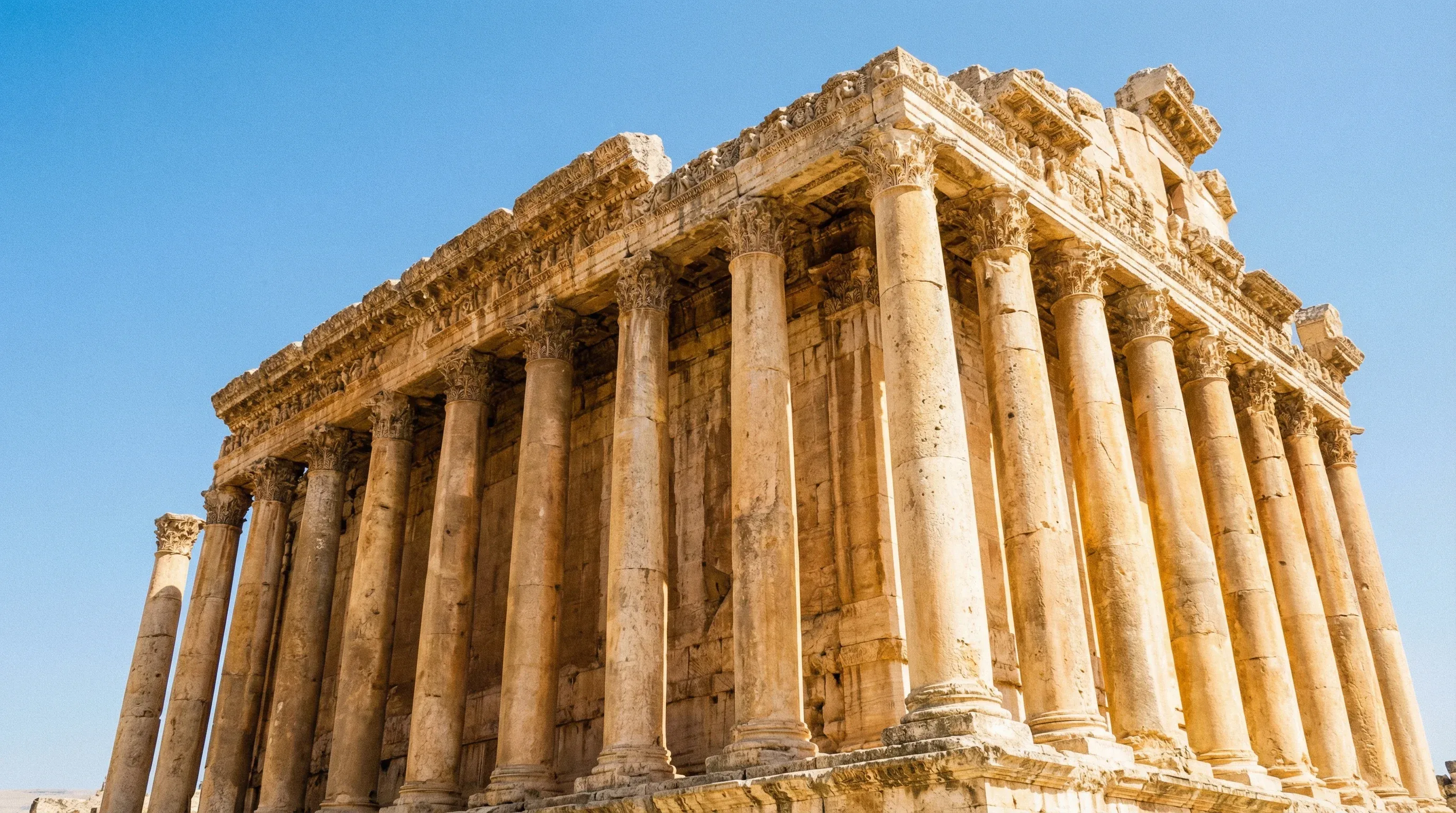

Bekaa Valley (Baalbek)
monumental ruins and endless vineyards 🍇🏛️
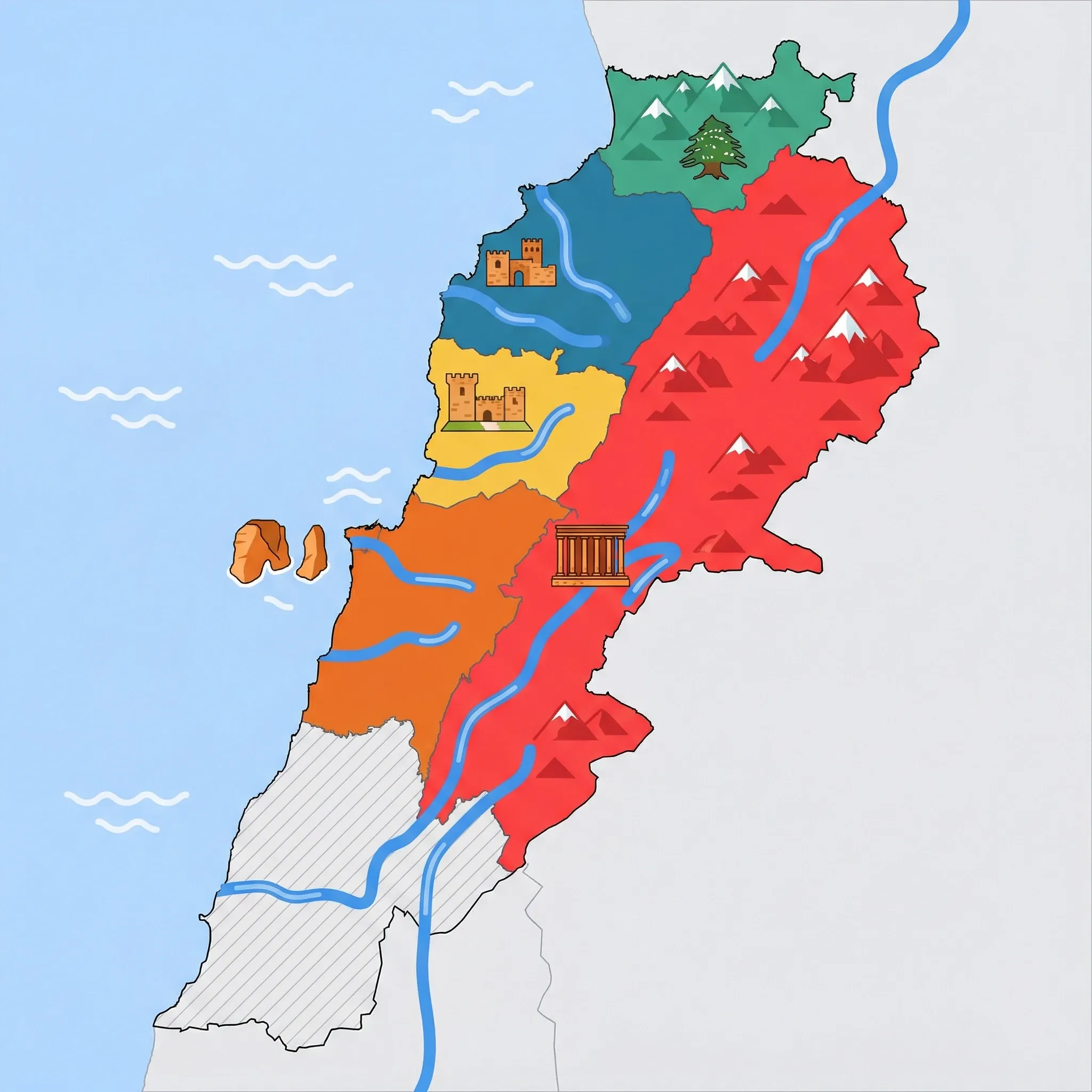
Click a region to explore
⚠️ SAFETY WARNING: Due to the presence of armed groups, proximity to the Syrian border, and a high risk of kidnapping and military operations, government agencies (including the USA, UK, CA, AU, IE, and NZ) have issued 'Do Not Travel' or 'Avoid All Travel' advisories for the Bekaa Valley, particularly the northern areas and Baalbek. The security situation is extremely volatile. Families are strongly urged to consult their own government's official travel advisory before considering a trip, as travel insurance is likely invalid here.
For those who do visit—typically via organized, security-aware convoys or specific tours—the Bekaa Valley offers a landscape that feels ancient and biblical. It is a vast plateau sandwiched between two towering mountain ranges, serving as the country's breadbasket. The air here is drier and cleaner than on the humid coast, and the pace of life is significantly slower. The valley is a patchwork of wheat fields, vegetable crops, and extensive vineyards that have produced wine for thousands of years. It is a place of deep history, where layers of civilization from the Phoenicians to the Romans and Ottomans are stacked on top of one another.
Culturally, the Bekaa is traditional and conservative. Hospitality is paramount, and visitors are often welcomed with overwhelming generosity, but it is also a region where tribal and political affiliations are visibly displayed. For families, the primary draw is the educational value of the ruins, which are far less crowded than those in Rome or Athens, allowing for a more intimate exploration of history. However, due to the safety context, this is not a region for "exploring" off the beaten path; visits should be surgical strikes to key sites followed by a return to safer areas.
Key Attractions
The crown jewel of the region is undoubtedly the Baalbek Temple Complex. These are among the largest and best-preserved Roman ruins in existence. For children, the scale is the attraction; the Temple of Jupiter involves stone blocks so massive that modern engineers still debate how they were moved. Kids can feel like explorers discovering a lost city as they walk up the monumental staircases and stand beneath the towering six remaining columns. It is a history lesson in engineering and imperial power that no textbook can match.
Further south in the valley lies the Anjar Archaeological Site. Unlike Baalbek's Roman stone, Anjar is unique because it was built by the Umayyad Caliphate in the 8th century. The ruins are laid out in a distinct grid pattern with palace walls and delicate arches still standing. It offers a different architectural flavor and is often empty, giving families the freedom to wander the colonnades in peace. Nearby, the Taanayel Lake (though not a listed attraction ID) offers a rare eco-tourism spot where families can rent bicycles and ride through tree-lined paths, a safe and calm break from the history-heavy itinerary.
Practical Advice
Best time to visit: Spring and Autumn. The valley gets scorching hot in summer (often 35°C+) and freezing in winter with snow potential.
Logistics: Do not drive a rental car here yourself if you are unfamiliar with the security checkpoints. Hire a reputable driver who knows the roads and the current situation. Stay on main highways.
Food & Drink
Typical meal times: Lunch is the main event, often a long, leisurely affair from 1:00 pm to 4:00 pm, especially on weekends.
Typical meal costs: Significantly cheaper than Beirut. A massive feast for four costs LBP 2,200,000–3,600,000 (approx. $25–40 USD / €23–37 EUR).
Dietary requirements: Very meat-heavy (lamb is king), but the fresh produce is exceptional. Salads and vegetarian appetizers are always available. Dairy (labneh/cheese) is local and unpasteurized in some village homes, but restaurant food is generally safe.
Signature dishes:
- Sfiha Baalbakieh – Open-faced meat pies made with ground lamb, tomatoes, and pine nuts, baked in wood-fired ovens. Specific to this region.
- Kishek – A soup or porridge made from dried yogurt and bulgur wheat, a hearty mountain staple often eaten with garlic and bread.
- Local Wine – The Bekaa is wine country; while not for the kids, the local reds are world-famous and a staple of the dining table.
Why this score?
The valley offers a mix of archaeological exploration and vast agricultural landscapes, providing a moderate sense of adventure. Navigating the massive ruins of Baalbek involves significant walking on uneven stones, and the region serves as a gateway to the Anti-Lebanon mountain range. It feels more remote and 'off-the-beaten-path' than the coastal cities, though tourism infrastructure remains relatively accessible.
Why this score?
Medical facilities in the Bekaa Valley, centered around Zahle, are basic to moderate and lack the specialized international focus found in Beirut. While emergency stabilization is available, visiting families with serious medical needs would likely require transport back to the capital for comprehensive care. Language barriers are more common here than in the coastal urban centers.
Why this score?
The Bekaa Valley is home to the UNESCO-listed Baalbek, one of the most magnificent Roman sites in the world, yet it remains a niche destination for international travelers. While it is a staple of organized day tours from Beirut, the region's proximity to the Syrian border often results in lower overnight stays and more cautious visitor numbers. It draws a specific crowd of history enthusiasts and wine lovers visiting the Kefraya and Ksara estates.

The Bekaa is very affordable. Entrance fees to world-class sites are nominal compared to Europe. A full family lunch with grilled meats costs LBP 2,700,000–4,500,000 (approx. $30–50 USD / €28–46 EUR). Hotel options are limited; most visitors do a day trip from Beirut to save costs and stay in safer zones.

Getting Here & Around
Getting Here
- Driving – The main highway from Beirut crosses the mountains (Dahr el Baidar pass) and descends into the valley. It takes about 1.5 to 2 hours to reach Zahle/Baalbek. The road is steep and heavy with trucks.
- Guided Tour – Highly Recommended. Due to the security situation (L3 advisory), families should only visit via a reputable tour operator who provides transport and security updates.
Getting Around
- Private Car/Driver – Public transport is not safe or reliable for tourists in this region. You need a vehicle that stays with you.
- Walking – Only within the specific archaeological sites of Baalbek Temple Complex and Anjar Archaeological Site. Avoid walking between towns or in rural fields due to unexploded ordnance risks in remote areas.
No airports in this region. See the country flight map for nearby connections.

Packing List
The valley is high altitude and exposed; the sun is far stronger than on the coast.
Baalbek is a conservative area; shoulders and knees should be covered out of respect.
ATMs are scarce and often empty. Dollars are accepted, but small LBP change is needed.
Even in summer, the temperature drops significantly as soon as the sun sets.
Old, torn, or marked bills are often rejected. Bring new, crisp $10 and $20 notes for daily spending.
Daily electricity cuts are common; keep phones and devices charged when the grid goes down.
Streetlights are rare and stairwells in buildings may be dark during power outages.
Specific prescription drugs and some over-the-counter meds can be in short supply.
Essential for coastal evenings in summer, as insect control measures may be limited.

Activities & Best Times

Hiking, wildlife, outdoor exploration, ecotourism
The Ammiq Wetland (a UNESCO biosphere reserve) and the Lebanon Mountain Trail offer world-class trekking and biodiversity encounters. Peak conditions occur during spring blooms and autumn harvests, while summer heat is manageable in the wetlands.

Urban tourism, museums, historical sites, architecture
Home to the Baalbek Temple Complex and Anjar, the region boasts some of the most authentic and best-preserved Roman and Umayyad architecture globally. Spring and autumn offer comfortable temperatures for exploring the massive, unshaded archaeological sites.

Sport tourism, fitness activities, active recreation
Features internationally recognized hiking sections of the Lebanon Mountain Trail and river rafting on the Al-Assi. Peak months coincide with optimal trail conditions and the summer rafting season, while winter rains and snow make activities difficult.

Events, celebrations, seasonal attractions
The Baalbeck International Festival is a genuinely world-renowned cultural event with 70+ years of history hosting international artists. It is a primary seasonal tourism draw for the region and justifies 'good' rather than 'marginal'. The current rating undersells its international significance.

Scenic drives, countryside tours, route-based travel
The Lebanon Wine Route and high mountain passes like Aayoun Orghosh provide sophisticated scenic touring through vineyards and rugged peaks. Winter snow and heavy rain often close higher passes or degrade the driving experience.

Amusement parks, family entertainment venues
Al Shams Aqua Park provides a regional entertainment option for families during the height of summer. It is a local-standard facility that is only relevant to international travelers during the warmest months when school is out.




Public Holidays & Calendar Next 12 months
Public holidays, festivals, cultural celebrations, and seasonal natural phenomena coming up in Bekaa Valley (Baalbek) over the next 12 months.
Loading holidays and events...

Travel Advisory
All major international agencies have reached a consensus that Lebanon is currently too dangerous for travel. This assessment is driven by active military conflict, high terrorism threats, and a volatile security situation that can worsen instantly. Immediate departure is recommended for all foreign nationals.
Safety Topics
Traveller Advice (4 groups)

Same-sex relationships lack legal protection and may face societal hostility; discretion is advised regarding public behavior and expressions of identity.

Personnel working for non-governmental organizations face an elevated risk of being targeted for kidnapping or caught in cross-border violence near refugee settlements and border zones.

It is recommended to dress conservatively and respect local cultural norms to minimize the risk of harassment or unwanted attention in public areas.

Visitors should maintain a high level of situational awareness, keep a low profile, and ensure they have a stock of essential supplies like food, water, and medicine for sheltering in place if movement becomes impossible.
Agency Summaries
Extreme caution is advised as the nation faces multiple severe threats including active armed conflict, terrorism, and widespread civil unrest. The U.S. government has ordered the departure of non-emergency personnel and has severely limited ability to provide emergency assistance to its citizens on the ground.
Ireland maintains its highest level of travel warning for the entire country. The current political and security environment is highly volatile with a significant risk of escalation. Citizens are advised that consular services are extremely constrained during this crisis.
Safety cannot be guaranteed due to intensified conflict between regional actors involving heavy military strikes. Travel to southern Lebanon and the border with Syria is strictly discouraged, while all non-essential travel to the rest of the country should be canceled. British nationals should prepare personal emergency plans.
The security landscape is extremely hazardous and unstable due to ongoing military actions and cross-border hostilities. Air raids and shelling are frequent, particularly in southern regions and Beirut's suburbs, posing a direct threat to life. Visitors are strongly urged to leave immediately while commercial transportation is still available.
A critical warning has been issued due to a sharp deterioration in regional security. Threats include armed conflict, kidnapping, and the risk of terrorist attacks. Essential services and transport infrastructure, including the main international airport, are at high risk of sudden closure or disruption.
There is an extreme risk to personal safety throughout the country. Explosions, airstrikes, and military operations occur with little to no notice. All travel plans should be abandoned, and individuals currently in the region should prioritize safe departure immediately.
Information is provided for general guidance only and does not constitute travel, safety, medical, or legal advice. Conditions may change. Users are responsible for independently verifying information before travel.