
Tripoli
Authentic souks, crusader castles, and the best sweets in the east 🏰🍬
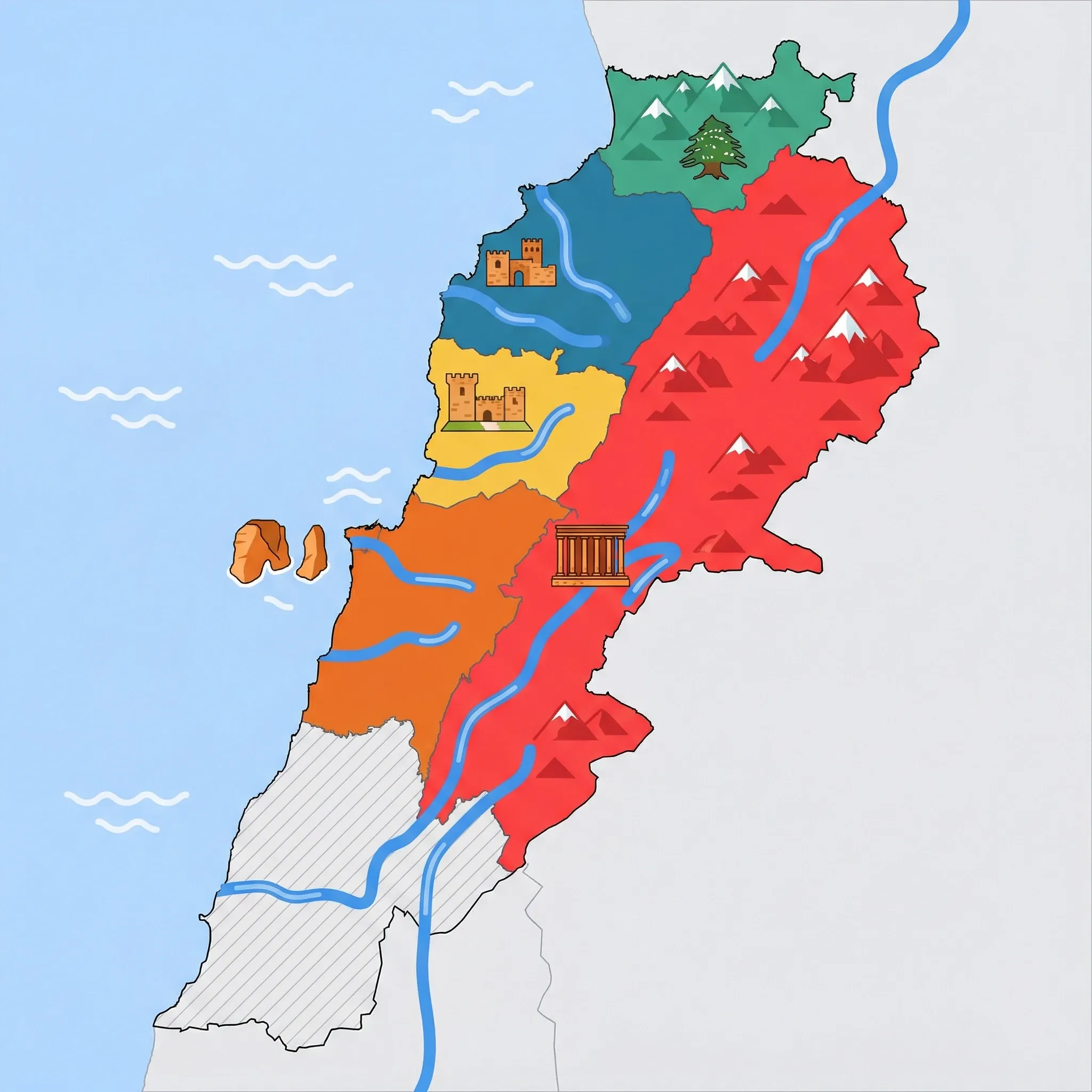
Click a region to explore
⚠️ SAFETY WARNING: Due to a history of sectarian conflict and occasional volatility, government agencies (including the CA, UK, and AU) advise travelers to reconsider travel to Tripoli. While the city welcomes tourists, tensions can flare in specific neighborhoods (such as Bab al-Tabbaneh and Jabal Mohsen). Families are strongly urged to consult their own government's official travel advisory before considering a trip, as circumstances and risk assessments vary.
Tripoli (Trablous) feels vastly different from Beirut. It is arguably the most "authentic" city in Lebanon, retaining a heavy Mamluk and Ottoman architectural character that has largely disappeared elsewhere. For families who love history and exploring living culture, Tripoli is a treasure trove. The old city is a maze of narrow alleys, mosques, madrassas, and khans (caravanserais) that feels like stepping back 500 years. It is chaotic, noisy, and incredibly welcoming. The locals are known for their warmth and are often delighted to see international families exploring their souks.
The city is split into two distinct parts: the old city inland and the port district of Al-Mina. Al-Mina is cleaner, flatter, and more relaxed, offering a seaside corniche that is great for biking and walking. The old city is where the action is—sensory overload in the best way. Children will be fascinated by the Soap Khan (Khan Al Saboun), where they can see mountains of colorful, fragrant soap balls being made by hand using centuries-old traditional methods. It’s a tactile and olfactory experience that defines the city. While the city is poorer than Beirut, it is rich in character and flavor.
Key Attractions
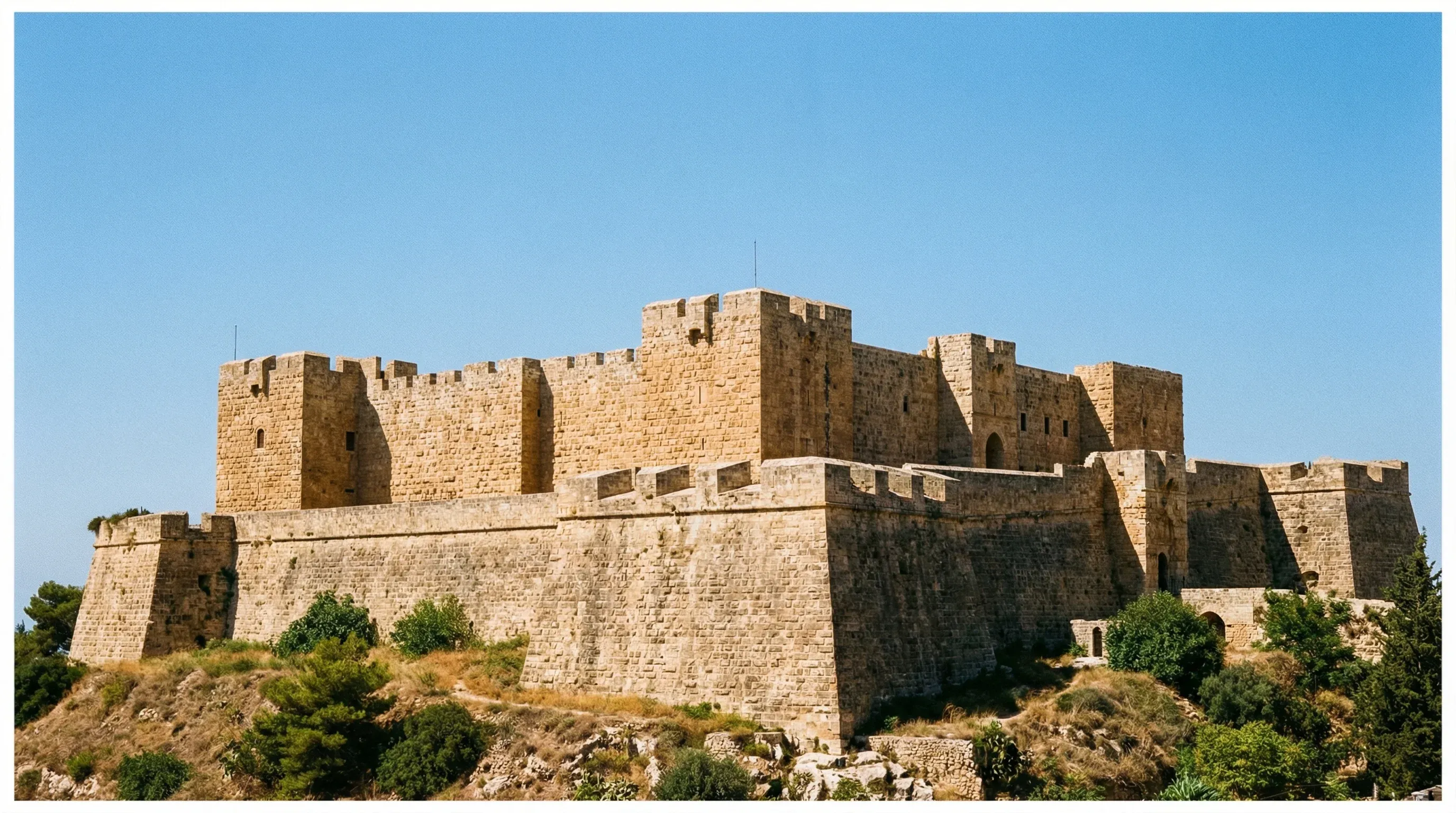
The dominant landmark is the Citadel of Raymond de Saint-Gilles. This is a massive fortress that sits atop a hill overlooking the city. Unlike many European ruins that are roped off, this castle is a playground for imagination. Kids can explore dark tunnels, climb ramparts, and look out over the river. It is huge, well-preserved, and usually empty of crowds. From there, you can descend into the souks to find the soap makers and gold markets.
For a complete contrast, head to the Rachid Karami International Fair. Designed by the famous architect Oscar Niemeyer, this site is a hauntingly beautiful collection of unfinished futuristic concrete structures. It looks like a sci-fi movie set and provides a surreal space for kids to run around in vast, open concrete domes and arches (though check access locally as it is sometimes restricted). Finally, relax at the Al-Mina Port District. From here, you can hire a cheap fishing boat to take you out to the Palm Islands Nature Reserve (in summer) for a swim in clean water away from the city noise.
Practical Advice
Best time to visit: Spring or Autumn. The stone souks trap heat in summer.
Logistics: Dress modestly. This is a conservative Sunni city. Men should avoid sleeveless shirts, and women should dress conservatively (covering shoulders/knees) to feel comfortable in the souks.
Food & Drink
Typical meal times: Lunch is early, often around 12:30 pm. Street food is available all day.
Typical meal costs: Very budget-friendly. Tripoli is known for being cheap. A feast for four costs LBP 1,800,000–2,700,000 (approx. $20–30 USD / €18–28 EUR).
Dietary requirements: Tripoli is the capital of sweets. Not great for low-sugar diets!
Signature dishes:
- Halawet el Jibn – Sweet cheese rolls filled with clotted cream (ashta) and topped with pistachios. Tripoli is famous for having the best version in the world.
- Moghrabieh – A semolina pearl stew with chickpea and meat (usually chicken or beef), spiced with caraway and cinnamon. Served in a sandwich or on a plate.
- Kaak Trablousiyeh – A purse-shaped sesame bread filled with cheese (picon or akkawi) and toasted. The ultimate cheap street snack.
Why this score?
The adventure in Tripoli is largely cultural, involving the navigation of dense, labyrinthine souks and the massive Citadel of Raymond de Saint-Gilles. The nearby Palm Islands Nature Reserve offers a bit of offshore exploration, but the city itself is a bustling, chaotic urban environment. It offers a more raw and 'unfiltered' experience than the manicured districts of Beirut, which feels like a mild adventure for most western families.
Why this score?
Tripoli is home to several large, capable hospitals such as Nini Hospital and Monla Hospital, which provide a high standard of care for northern Lebanon. While perhaps not as accustomed to international medical tourism as Beirut, the facilities are modern and staffed by competent professionals, many of whom are multilingual. It serves as the primary medical safety net for the entire northern half of the country.
Why this score?
Despite being Lebanon's second-largest city and possessing an incredible medieval old city, Tripoli sees far fewer international tourists than Beirut or Byblos. It remains a more authentic, less commercialized destination that appeals primarily to intrepid travelers and domestic visitors looking for traditional sweets and soap markets. Concerns over regional stability have historically kept Tripoli as a niche stop on the standard tourist circuit.

Tripoli is significantly cheaper than Beirut and Byblos. Your money goes a long way here. Entry to the Citadel is nominal (often under $5 for a family). Street food snacks cost pennies. Hotels are scarce, but the <a data-attraction-id="44786">Al-Mina Port District</a> has some boutique guesthouses for LBP 7,200,000–10,800,000 (approx. $80–120 USD / €74–110 EUR).

Getting Here & Around
Getting Here
- Driving – About 85km north of Beirut via the coastal highway. Traffic can be heavy.
- Bus – Buses run frequently from Beirut (Charles Helou or Daora). They drop you at the connection point (Sahat el Nour). Cheap but crowded.
Getting Around
- Walking – The only way to see the Old City and Souks. The alleys are too narrow for cars.
- Service Taxi – Shared taxis are everywhere and very cheap (under $1) to hop between the Old City and Al-Mina Port District.
No airports in this region. See the country flight map for nearby connections.

Packing List
The souks are dusty and old; you'll want to clean hands frequently after touching walls/goods.
Essential for blending in; long skirts/trousers for women and shirts for men.
Vendors in the souk may not have change for large bills or USD. Carry small LBP notes.
The old city streets can be dirty and uneven; sandals are not recommended.
Old, torn, or marked bills are often rejected. Bring new, crisp $10 and $20 notes for daily spending.
Daily electricity cuts are common; keep phones and devices charged when the grid goes down.
Streetlights are rare and stairwells in buildings may be dark during power outages.
Specific prescription drugs and some over-the-counter meds can be in short supply.
Essential for coastal evenings in summer, as insect control measures may be limited.

Activities & Best Times

Urban tourism, museums, historical sites, architecture
Tripoli offers a rare, authentic Mamluk urban fabric and the UNESCO-listed Oscar Niemeyer fairgrounds, providing a sophisticated architectural contrast. Peak visitation avoids the heavy winter rains and mid-summer humidity for comfortable exploration of the historic souks and citadel.

Scenic drives, countryside tours, route-based travel
The city serves as the gateway to the spectacular Qadisha Valley and Ehden mountain routes, which offer world-class scenic driving. Spring and autumn provide the best visibility and road conditions before the onset of winter rain and fog in the high altitudes.

Hiking, wildlife, outdoor exploration, ecotourism
Immersion in the Palm Islands' unique ecosystem provides a distinctive nature experience, though terrestrial exploration is limited. Best visited in spring or autumn when the weather is mild enough for hiking the nature trails and observing migratory patterns.

Beach resorts, marine activities: diving, snorkelling, kite surfing, wind surfing, sailing
The Palm Islands Nature Reserve offers unique offshore marine biodiversity and seasonal swimming away from the urban coast. Activity is restricted to the summer months when sea conditions are calm and water temperatures are suitable for international families.

Spa retreats, wellness centers, peaceful getaways
Hammam al-Abed offers a rare, high-quality traditional bathhouse experience in an authentic 18th-century setting. The experience is most appealing during the cooler months, while the intense heat of the Lebanese summer makes the steam-filled environment less attractive.

Sport tourism, fitness activities, active recreation
The coastal route to Batroun is an established corridor for cycling and active exploration, though specialized sport infrastructure remains limited. Optimal timing aligns with the mild shoulder seasons to avoid the physical strain of high summer heat and winter precipitation.

Amusement parks, family entertainment venues
Local waterparks like Waterland provide family entertainment, though they lack the scale and quality of international destinations. These facilities are primarily summer-only operations, catering to domestic and regional tourists during the hottest months.




Public Holidays & Calendar Next 12 months
Public holidays, festivals, cultural celebrations, and seasonal natural phenomena coming up in Tripoli over the next 12 months.
Loading holidays and events...

Travel Advisory
All major international agencies have reached a consensus that Lebanon is currently too dangerous for travel. This assessment is driven by active military conflict, high terrorism threats, and a volatile security situation that can worsen instantly. Immediate departure is recommended for all foreign nationals.
Safety Topics
Traveller Advice (4 groups)

Same-sex relationships lack legal protection and may face societal hostility; discretion is advised regarding public behavior and expressions of identity.

Personnel working for non-governmental organizations face an elevated risk of being targeted for kidnapping or caught in cross-border violence near refugee settlements and border zones.

It is recommended to dress conservatively and respect local cultural norms to minimize the risk of harassment or unwanted attention in public areas.

Visitors should maintain a high level of situational awareness, keep a low profile, and ensure they have a stock of essential supplies like food, water, and medicine for sheltering in place if movement becomes impossible.
Agency Summaries
Extreme caution is advised as the nation faces multiple severe threats including active armed conflict, terrorism, and widespread civil unrest. The U.S. government has ordered the departure of non-emergency personnel and has severely limited ability to provide emergency assistance to its citizens on the ground.
Ireland maintains its highest level of travel warning for the entire country. The current political and security environment is highly volatile with a significant risk of escalation. Citizens are advised that consular services are extremely constrained during this crisis.
Safety cannot be guaranteed due to intensified conflict between regional actors involving heavy military strikes. Travel to southern Lebanon and the border with Syria is strictly discouraged, while all non-essential travel to the rest of the country should be canceled. British nationals should prepare personal emergency plans.
The security landscape is extremely hazardous and unstable due to ongoing military actions and cross-border hostilities. Air raids and shelling are frequent, particularly in southern regions and Beirut's suburbs, posing a direct threat to life. Visitors are strongly urged to leave immediately while commercial transportation is still available.
A critical warning has been issued due to a sharp deterioration in regional security. Threats include armed conflict, kidnapping, and the risk of terrorist attacks. Essential services and transport infrastructure, including the main international airport, are at high risk of sudden closure or disruption.
There is an extreme risk to personal safety throughout the country. Explosions, airstrikes, and military operations occur with little to no notice. All travel plans should be abandoned, and individuals currently in the region should prioritize safe departure immediately.
Information is provided for general guidance only and does not constitute travel, safety, medical, or legal advice. Conditions may change. Users are responsible for independently verifying information before travel.