
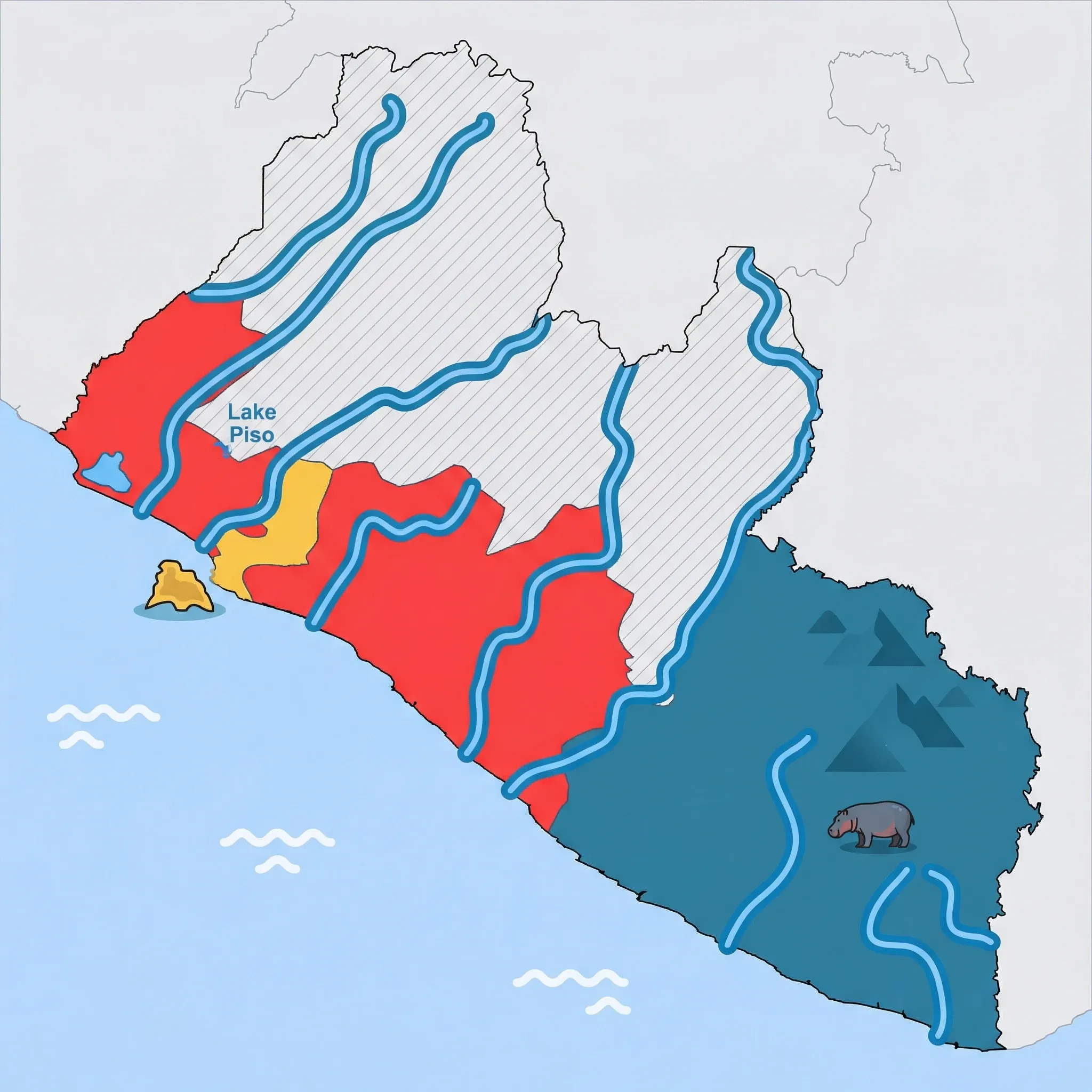
Click a region to explore
Monrovia is a city that defies simple categorization. It is loud, colorful, chaotic, and brimming with life. For visiting families, it serves as the necessary gateway to the country and a place to understand Liberia's complex history. Situated on a peninsula between the Atlantic Ocean and the Mesurado River, the city offers a mix of dilapidated colonial architecture, bustling corrugated-roof markets, and modern UN-era compounds. While it may not be a traditional "holiday" destination, it offers older children a profound lesson in history and culture.
The city's energy is best experienced—cautiously—in its markets and streets. Waterside Market is a sensory explosion of fabrics and goods, though it can be overwhelming for young kids. The calmer district of Sinkor offers more family-friendly hotels and beach access, though swimming in the ocean here is generally unsafe due to riptides. Instead, families often gather at hotel pools or visit private beach clubs on weekends. Culturally, Monrovia is the melting pot of Liberia's indigenous tribes and the Americo-Liberian settlers, a history visible in the architecture and the friendly, English-speaking locals who are often eager to share their stories of resilience.
Key Attractions
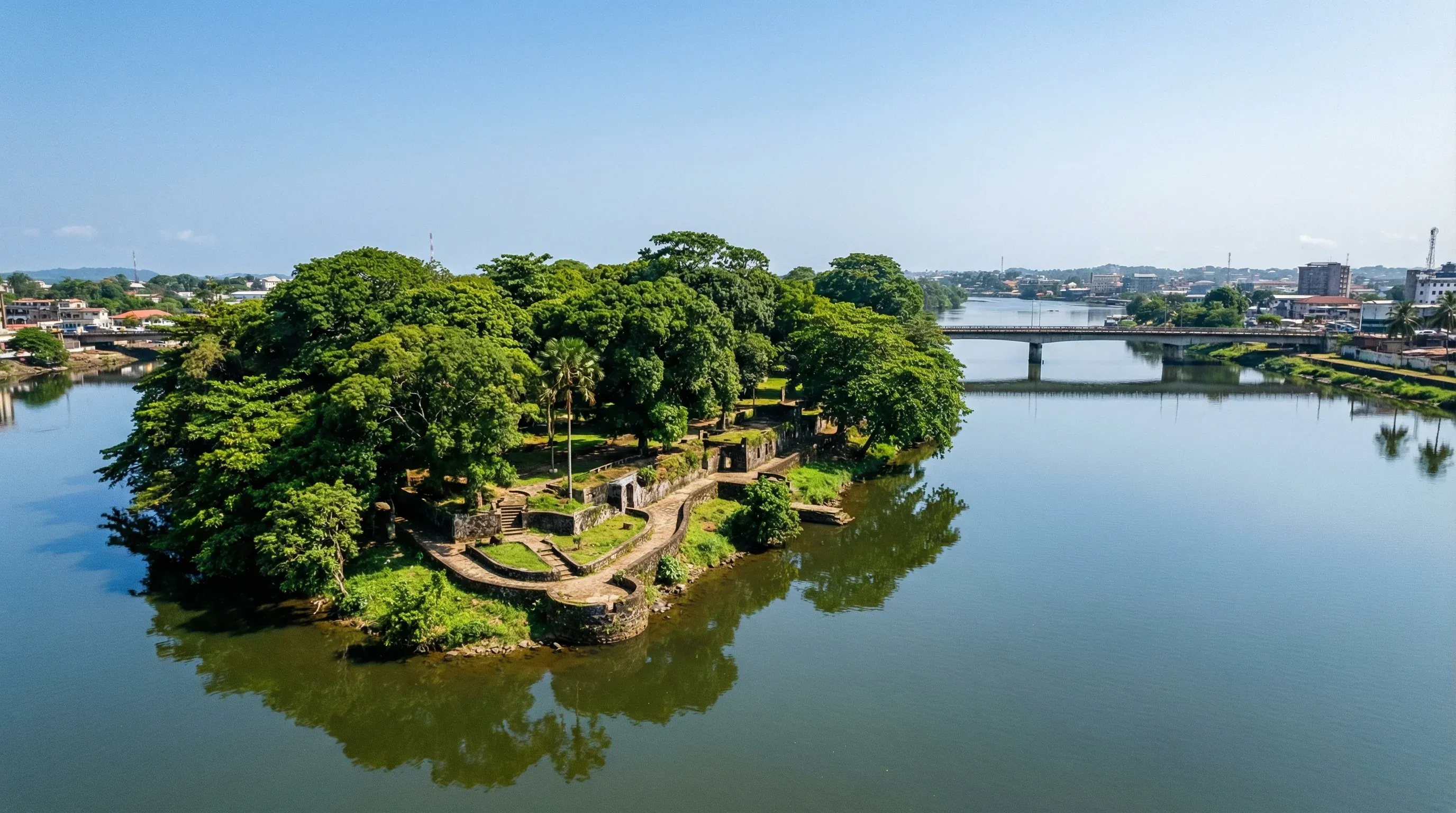
While the city is short on polished tourist sites, a few locations are significant. The National Museum of Liberia provides an essential primer on the country’s tribal culture and the history of the 1822 settlement. Providence Island, located in the Mesurado River, is a site of immense historical importance as the landing point of freed slaves from the Americas; it offers a park-like setting for a walk. For a break from the humidity, the abandoned yet striking Ducor Hotel offers panoramic views of the city (best visited with a guide), allowing children to see the geography of the peninsula from above.
Practical Advice
Traffic in Monrovia can be gridlocked, especially crossing the bridges to Bushrod Island. The best time to move around is mid-morning. Safety is a priority; avoid walking at night and use pre-arranged transport. The dry season (December–April) is far more pleasant, as Monrovia is one of the wettest capitals in the world during the rains. Carry small denominations of US dollars, ensuring bills are crisp and untorn, as damaged notes are often rejected.
Food & Drink
Typical meal times: Breakfast is early, Lunch runs 12:00 pm to 2:30 pm, and Dinner is typically 7:00 pm to 9:30 pm.
Typical meal costs: A meal at a guarded, expat-standard restaurant costs L$3,800–6,600 (approx. $20–35 USD / €18–32 EUR) per person. Local spots are much cheaper but require a sturdy stomach.
Dietary requirements: International restaurants (Lebanese, Indian, Thai) in Sinkor accommodate vegetarians and vegans easily. Local cuisine relies heavily on meat and fish stocks.
Signature dishes:
- Jollof Rice – Liberia has its own version of this West African classic, often served with fried chicken or fish.
- Potato Greens – Sweet potato leaves fried with oil, spices, and meat or fish; a rich and savory stew eaten with rice.
- Liberian Shortbread – A dense, slightly sweet bread often sold by street vendors, good for a quick snack.
Why this score?
While the city is bustling and street life is vibrant, it is a developed urban environment with paved main roads and established hotels. The 'adventure' stems more from navigating the chaotic urban infrastructure and limited services rather than physical challenges or wilderness exploration.
Why this score?
Monrovia hosts the country's best healthcare facilities, including the JFK Medical Center and several private clinics that cater to the expat and diplomatic community. However, standards remain well below international norms, and for major surgical or specialized care, medical evacuation is still the standard recommendation.
Why this score?
As the primary entry point and economic hub of Liberia, Monrovia receives the highest volume of foreign arrivals, though these are predominantly for business, NGO, or diplomatic purposes rather than leisure. Attractions like the National Museum and Providence Island see few international tourists compared to regional peers like Accra or Dakar.

Monrovia is surprisingly expensive for visitors. A secure, generator-powered hotel room costs L$28,500–47,500 (approx. $150–250 USD / €135–225 EUR) per night. Supermarket goods (mostly imported) are priced higher than in Europe or the US. Local street food is cheap, but restaurant meals match Western prices.

Getting Here & Around
Getting Here
- Airports – Roberts International Airport (ROB) is the main entry point, located about 60km (90 minutes) from downtown Monrovia.
- Driving – The road from the airport is paved but unlit; arrange a hotel transfer or reliable driver before arrival, especially for night landings.
Getting Around
- Taxi – Yellow taxis are ubiquitous but often shared and overcrowded. Families should charter a "charter taxi" for private use.
- Kekeh – Three-wheeled motorized rickshaws are a fun, breezy way to travel short distances in Sinkor, though less safe on major highways.
- Car Rental – Self-driving is not recommended due to chaotic traffic. Hire a vehicle with a local driver.
No airports in this region. See the country flight map for nearby connections.
Official Links

Packing List
Notes with even tiny tears or ink marks are widely rejected by vendors and banks.
Power cuts are frequent and streets are often unlit at night.
Sudden, torrential downpours occur frequently, even outside the main rainy season.
Running water is not always available in public restrooms or markets.
Power outages are frequent and street lighting is rare; essential for navigating hotels at night.
Old, torn, or small-head dollar bills are frequently rejected by local vendors and banks.
Tap water is unsafe and buying plastic bottles constantly is expensive and environmentally unfriendly.
Electricity is often generator-based and may be turned off during the day or late at night.
Essential for boat trips on Lake Piso and protecting electronics during sudden tropical downpours.

Activities & Best Times

Hiking, wildlife, outdoor exploration, ecotourism
Features interesting geological sites like Blo Degbo and rural farm experiences, providing an authentic look at the Liberian landscape. The dry season is critical for navigating rural areas and ensuring trails and scenic sites are accessible to families.

Urban tourism, museums, historical sites, architecture
Monrovia houses unique historical sites like Providence Island and the National Museum that tell a compelling story of Afro-American settlement and resilience. Visitors should prioritize the dry months to avoid the extreme monsoonal rainfall that makes urban walking and logistics difficult.

Beach resorts, marine activities: diving, snorkelling, kite surfing, wind surfing, sailing
Silver and Ce Ce beaches offer Atlantic coastal access, but limited infrastructure and safety standards compared to global benchmarks make this a marginal choice. Peak season aligns with the driest window when sea visibility is better and humidity is more manageable.

Scenic drives, countryside tours, route-based travel
The scenic route from Monrovia to Robertsport is highly regarded for its coastal views, though it requires a tolerance for variable road conditions. Road trips are only recommended during the dry season to ensure road safety and clear visibility of the Atlantic coastline.
Amusement parks, family entertainment venues
The S-S Resort & Waterpark offers a standard aquatic facility for local family entertainment, though it lacks the scale of international destination parks. It is most suitable during the hot, dry months when outdoor water activities are most pleasant.




Public Holidays & Calendar Next 12 months
Public holidays, festivals, cultural celebrations, and seasonal natural phenomena coming up in Monrovia over the next 12 months.
Loading holidays and events...

Travel Advisory
The majority of international agencies advise travellers to exercise a high degree of caution or increased vigilance when visiting Liberia. This assessment is primarily driven by high levels of violent crime, potential for civil unrest, and extremely limited medical and emergency services infrastructure.
Safety Topics
Traveller Advice (3 groups)

Check specific guidance on local attitudes and legal risks, as social and legal environments for LGBTQ+ individuals may differ significantly from Western standards.

Female travellers should be aware of high reported rates of sexual assault and aggravated harassment. It is strongly recommended to avoid walking alone, particularly in isolated areas or after sunset.

Limit movement after dark and avoid traveling between cities at night. Do not display signs of wealth such as jewelry or expensive electronics. Ensure you have comprehensive travel insurance that covers emergency medical evacuation by air.
Agency Summaries
High vigilance is necessary due to the threat of violent crime and the risk of civil disturbances. Ongoing health concerns, including Mpox outbreaks and poor medical services, further complicate the safety environment. Consular support is limited for Australian citizens.
Travellers should remain highly vigilant due to the potential for violent incidents and a high rate of crime. Petty theft is prevalent in crowded areas, while more serious crimes like armed robbery and sexual assault are significant risks, especially after dark when lighting is limited.
There is a significant incidence of armed robbery and muggings, particularly after dark. Travellers should avoid public transportation and pre-arrange all travel through reputable organizations, as the local police have limited capacity to respond to emergencies.
Increased caution is advised because of widespread crime, potential civil unrest, and inadequate medical facilities. Violent crimes, including armed robberies, frequently occur in urban centers and on public beaches. U.S. government personnel are restricted from traveling at night outside the capital.
While the political situation is stable, protests can occur with little notice and may turn violent. Visitors are warned of the high risk of crime, poor healthcare infrastructure, and the potential for terrorist activity within the broader West African region.
The security environment remains fragile with high levels of violent crime reported, including sexual assault and armed robbery. Protests are common and carry a risk of localized violence, making careful planning and situational awareness essential.
Information is provided for general guidance only and does not constitute travel, safety, medical, or legal advice. Conditions may change. Users are responsible for independently verifying information before travel.