
Nyika Plateau
The Scotland of Africa: Mist, mountains, and magic 🦓
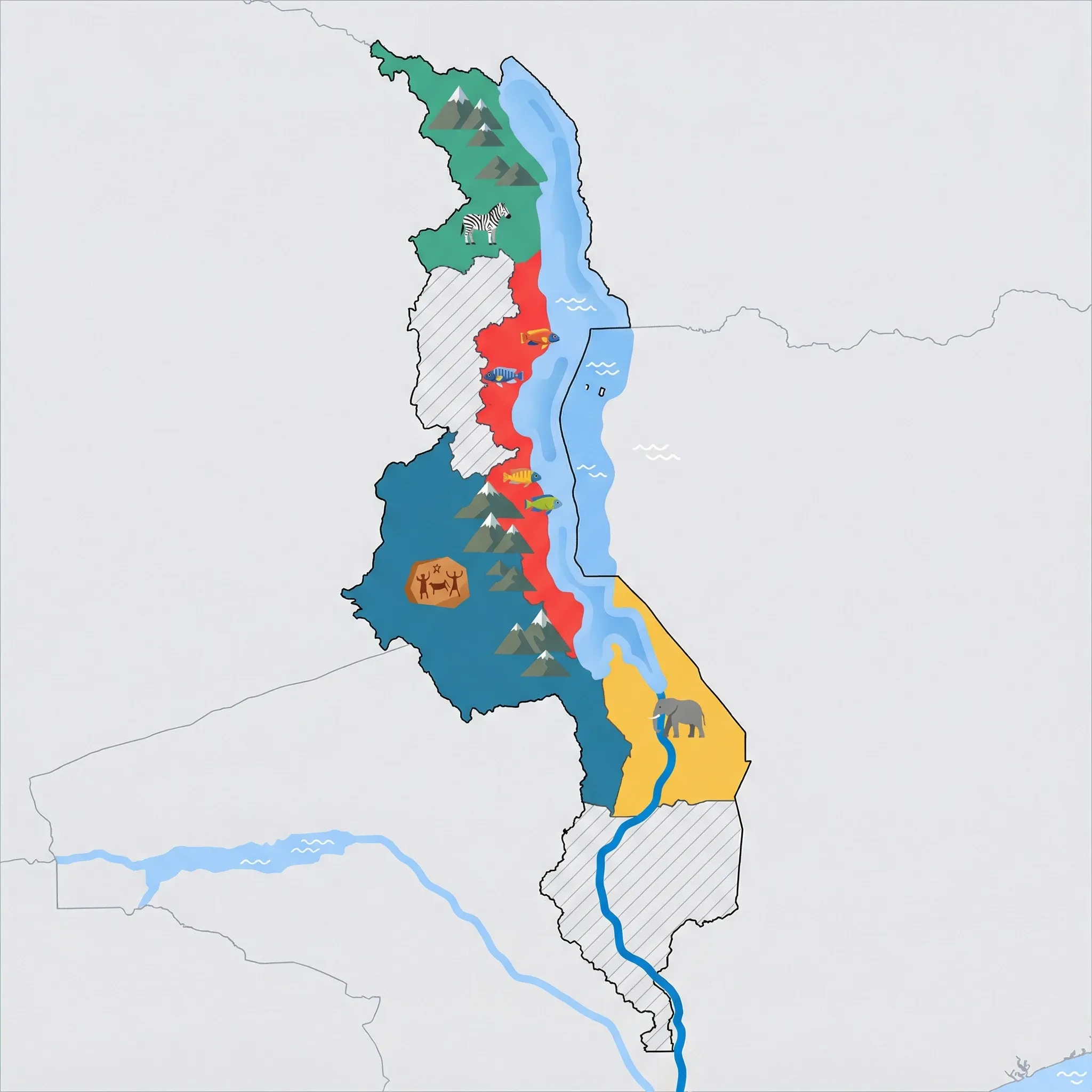
Click a region to explore
Overview
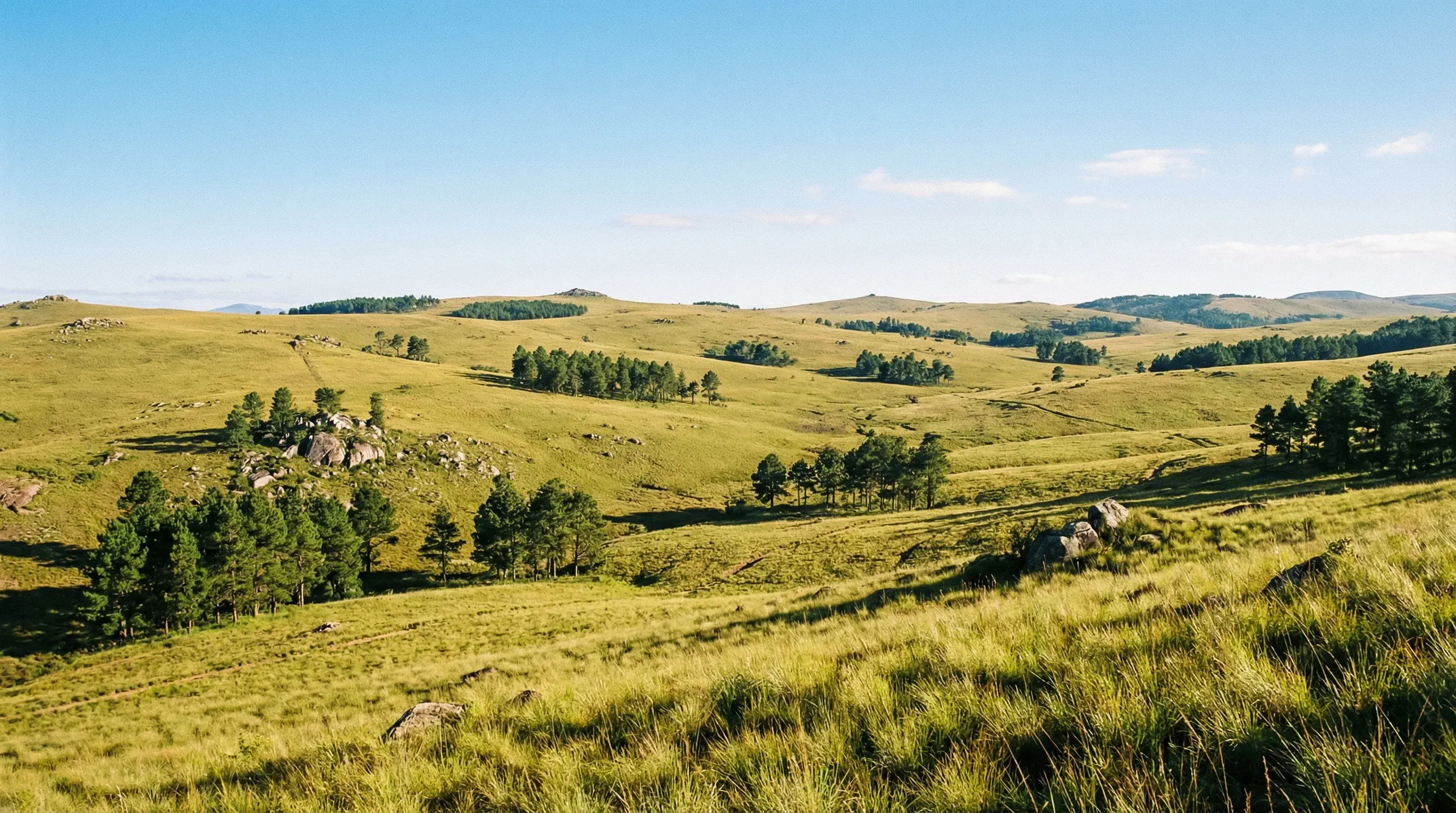
The Nyika Plateau is a place of wonder that defies the stereotypical image of Africa. Rising over 2,500 meters above sea level, it is an undulating world of montane grasslands, granite domes, and patches of evergreen forest. The air is crisp and cool—sometimes even freezing at night—which can be a welcome relief from the heat of the lake or the valley. For families, Nyika offers a sense of freedom rarely found in game parks. Because the plateau is largely free of lions and elephants, it is one of the few places where families can safely walk, mountain bike, or horse ride amongst the wildlife. Seeing a herd of zebra or roan antelope galloping through the mist while you cycle along a dirt track is a memory that will last a lifetime.
The landscape is the main attraction here. In the rainy season, the hills are carpeted with over 200 species of orchids and endless wildflowers. The vast open spaces allow children to run and explore without the constant confinement of a vehicle. It feels prehistoric and wild. Adjacent to the park, the town of Livingstonia sits perched on the edge of the Rift Valley escarpment. Accessing it is an adventure in itself via a steep hairpin road, but the history and views are spectacular. It provides a cultural counterpoint to the natural splendor of the plateau, grounding the visit in the fascinating story of early European explorers and their interaction with local communities.
Key Attractions
Inside Nyika National Park, the wildlife viewing is unique. While you won't see the "Big Five" (except for the occasional leopard at night), the park boasts the highest concentration of roan antelope in Africa, along with crawling herds of eland and zebra. Night drives are exceptional here; it is arguably the best place in Malawi to spot leopards, which hunt openly on the grasslands, as well as honey badgers and servals. The Nyika National Park activities team often organizes mountain biking, which is fantastic for active teenagers.
Just outside the plateau proper lies the Livingstonia Mission. Founded in 1894, this "stone town" looks like it was transported from Victorian Scotland. Families can visit the museum in the Stone House, explore the brick cathedral, and marvel at the view from the Manchewe Falls, which tumble hundreds of meters down towards the lake. It is a living history lesson in a stunning setting.
Practical Advice
Nyika is cold, especially from June to August when frost is common. Bring warm layers, hats, and gloves—items you wouldn't expect to need in Africa! The road up to the plateau is unpaved and can be tricky; a high-clearance 4x4 is essential. The remoteness means you should bring any specific medications or supplies you need, as the nearest shop is hours away.
Food & Drink
Typical meal times: Breakfast 7:00 am; Lunch 12:30 pm; Dinner 7:00 pm. The cold weather often leads to hearty, warming meals.
Typical meal costs: Dining is almost exclusively at Chelinda Lodge/Camp. Full board is standard. Casual meals in Livingstonia are cheap: MWK 5,000–8,000 (approx. $3–4.50 USD / €2.70–4.20 EUR).
Dietary requirements: The main lodge at Chelinda caters well to diets. In Livingstonia, options are basic (chicken/fish and rice/chips).
Signature dishes:
- Trout – Nyika's dams are stocked with trout; fresh grilled trout is a signature delicacy of the highlands.
- Scones and Tea – Reflecting the Scottish heritage, afternoon tea with scones is a tradition at the lodge.
Why this score?
This high-altitude montane environment is exceptionally rugged, with difficult road access and vast areas of uninhabited grasslands. It offers significant adventure opportunities for mountain biking and multi-day trekking in a climate that can be surprisingly cold and challenging for the unprepared.
Why this score?
The region is one of the most isolated in Malawi, with the primary accommodation at Chelinda being several hours away from even basic district hospitals. In the event of a medical emergency, the lack of nearby infrastructure and challenging terrain makes evacuation difficult and slow.
Why this score?
Located in the remote far north, the Nyika Plateau is visited by only a small fraction of travelers to Malawi due to its long travel distances and specialized appeal. It is a bucket-list item for dedicated hikers and birdwatchers but remains virtually unknown to the general global traveling public.

Accommodation options are limited. The main lodge (Chelinda) is mid-to-high range, costing MWK 280,000–525,000 (approx. $160–300 USD / €150–275 EUR) per person. There are cheaper self-catering cottages, but you must bring all food from Mzuzu. Livingstonia has budget guesthouses for under MWK 35,000 ($20 USD).

Getting Here & Around
Getting Here
- Driving – It is a long drive. From Mzuzu, it takes 4-5 hours to reach the gate. The road requires a 4x4 vehicle, especially in the rainy season.
- Air – The most comfortable way to arrive is by charter flight to the Chelinda airstrip within Nyika National Park.
- Access to Livingstonia – The famous "Gorilla Road" up to Livingstonia Mission is a steep gravel track with 20 hairpin bends. 4x4 is mandatory.
Getting Around
- Mountain Bike – Bikes can be hired at Chelinda Camp to explore Nyika National Park trails.
- Walking – Guided walks are a primary way to see the flora and fauna.
- Game Drive Vehicle – Essential for night drives to spot leopards.
No airports in this region. See the country flight map for nearby connections.
Official Links

Packing List
Temperatures can drop to freezing at night; many travelers are unprepared for the cold.
The high altitude air is very dry and windburn is common on game drives.
The roads leading up to the plateau and Livingstonia are extremely winding and bumpy.
Unlike other parks where you stay in the car, here you will want to walk on uneven terrain.
Effective at deterring tsetse flies in the bush, which are often attracted to moving vehicles and not repelled by standard DEET.
Power cuts and load shedding are common; a hands-free light is essential for navigating lodges or reading bedtime stories in the dark.
Cash is vital for visas and tips. Notes must be in pristine condition and printed after 2013, or banks and merchants will reject them.
Roads in national parks and rural areas can be extremely corrugated and bumpy; extra support is highly recommended for comfort.
Multi-purpose: use as a dust cover in vehicles, a modest skirt for village visits, or a beach towel at the lake.
The heat in the Shire Valley can be intense; these are hard to find in remote areas and vital for keeping kids hydrated.

Activities & Best Times

Hiking, wildlife, outdoor exploration, ecotourism
A unique Afro-montane wilderness offering high-altitude wildlife viewing including large herds of eland and zebra in a landscape unlike anywhere else in Africa. Peak months offer the best wildlife visibility and blooming wildflowers, while the rainy season from December to April makes tracks difficult to navigate.

Urban tourism, museums, historical sites, architecture
The historic Livingstonia Mission offers a fascinating glimpse into colonial history and Scottish missionary architecture with spectacular views over Lake Malawi. Access is highly dependent on dry weather as the steep escarpment roads are prone to washouts during the heavy summer rains.

Scenic drives, countryside tours, route-based travel
The legendary Gorodi Road with its 22 hairpins and the scenic circular drives across the plateau provide world-class technical driving and spectacular vistas. These routes require dry conditions for safety and accessibility, with the late dry season offering the clearest views and safest road surfaces.

Sport tourism, fitness activities, active recreation
Renowned for high-altitude mountain biking and multi-day trekking along the Livingstonia Trail, providing a physically demanding but rewarding experience. The cooler, dry months are essential for these activities to avoid heavy mist, thunderstorms, and slippery terrain on the plateau.

Learning experiences, scientific sites, historical education
Features limited but informative facilities like the Nyika National Park Information Centre and the Livingstonia Museum. While historically significant, these sites are secondary attractions rather than primary destination-level educational motivators for international families.




Public Holidays & Calendar Next 12 months
Public holidays, festivals, cultural celebrations, and seasonal natural phenomena coming up in Nyika Plateau over the next 12 months.
Loading holidays and events...

Travel Advisory
Travellers should exercise increased vigilance due to high rates of crime and potential civil unrest. While the country is generally safe for tourism, specific precautions against violent crime (including carjackings and robberies) and during political demonstrations are recommended. Health risks such as waterborne diseases and limited medical infrastructure also require preparation.
Safety Topics
Traveller Advice (4 groups)

Female travellers, particularly those moving alone, may encounter verbal harassment or unwanted attention. It is advisable to avoid walking alone at night and to dress modestly in rural or conservative areas.
When planning to climb Mount Mulanje, it is strongly recommended to coordinate with the Mountain Club of Malawi for updated security and safety information. Trails can be poorly marked and weather conditions change rapidly.

Ensure all visas are arranged before travel as rules for Irish and other citizens have recently changed. Maintain copies of travel documents and be prepared for limited police assistance in rural areas.

Same-sex relationships are illegal and can lead to imprisonment. Public displays of affection are generally discouraged for all travellers but may carry higher risks for LGBTQ+ individuals due to local laws and social conservative norms.
Agency Summaries
Travellers should be more alert due to significant crime rates. Safety concerns include violent incidents such as carjackings and robberies, particularly in larger cities. Public transport is often overcrowded and road conditions can be hazardous, necessitating extra care when driving.
Vigilance is advised because of frequent violent crime, including muggings and residential break-ins. Periodic civil unrest and political protests may lead to road closures or the use of crowd control measures. Police resources are often limited in their ability to respond to emergencies.
While travel is generally safe, visitors should be mindful of petty theft and stay informed about the potential for demonstrations. There is a general global threat of terrorism. Medical facilities are limited, and health precautions for waterborne diseases are essential.
No specific elevated security warnings are in place, but travellers should maintain typical safety habits. Significant focus should be placed on health risks, including rabies and bilharzia, and ensuring comprehensive insurance for medical evacuations.
A high level of vigilance is required due to the risk of violent crime. Avoid walking after dark and be cautious at transit hubs. Travellers should be aware of risks such as drink spiking and ensure all entry permits are secured prior to arrival.
Standard safety measures are recommended. New entry regulations require many visitors to obtain a visa in advance via the official government portal. Maintain awareness of local news and follow the instructions of local authorities during your stay.
Information is provided for general guidance only and does not constitute travel, safety, medical, or legal advice. Conditions may change. Users are responsible for independently verifying information before travel.