
Durmitor & Northern Mountains
Wild peaks, glacial lakes, and Europe's deepest canyon 🌲🐻🏞️
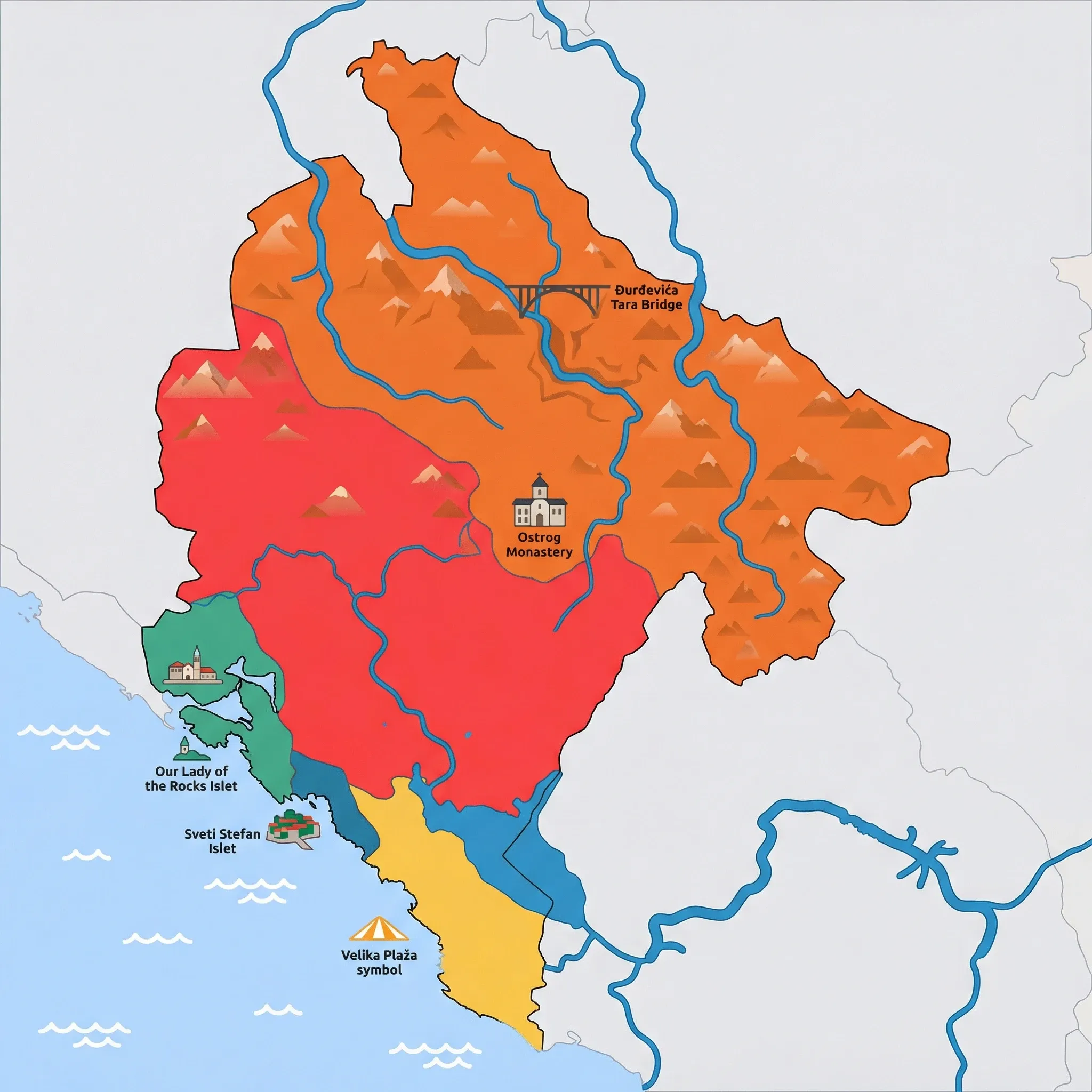
Click a region to explore
For families who love the outdoors, the Durmitor & Northern Mountains region offers a spectacular contrast to the Mediterranean coast. Here, the landscape is defined by jagged limestone peaks, rolling green pastures dotted with sheep, and crystal-clear glacial lakes known as "mountain eyes." The air is fresh and significantly cooler—often 10-15°C lower than the coast—making it a perfect escape during the sweltering heat of July and August. The region feels wild and untamed, yet it is accessible thanks to towns like Žabljak, the highest town in the Balkans. This is a place for active discovery: hiking through primeval forests, rafting on turquoise rivers, and spotting eagles soaring overhead.
Culturally, the north is the heart of "Old Montenegro." Life moves at a slower pace, and hospitality is paramount. Accommodations are often in A-frame wooden chalets which children find delightful. The nature here is grand in scale; the Tara Canyon is the second deepest in the world after the Grand Canyon. While the terrain is rugged, there are plenty of soft adventure options suitable for kids, from gentle walks around lakes to berry picking in late summer. It's a region that teaches children about nature, from the ancient trees of Biogradska Gora to the limestone caves of Durmitor.
Key Attractions
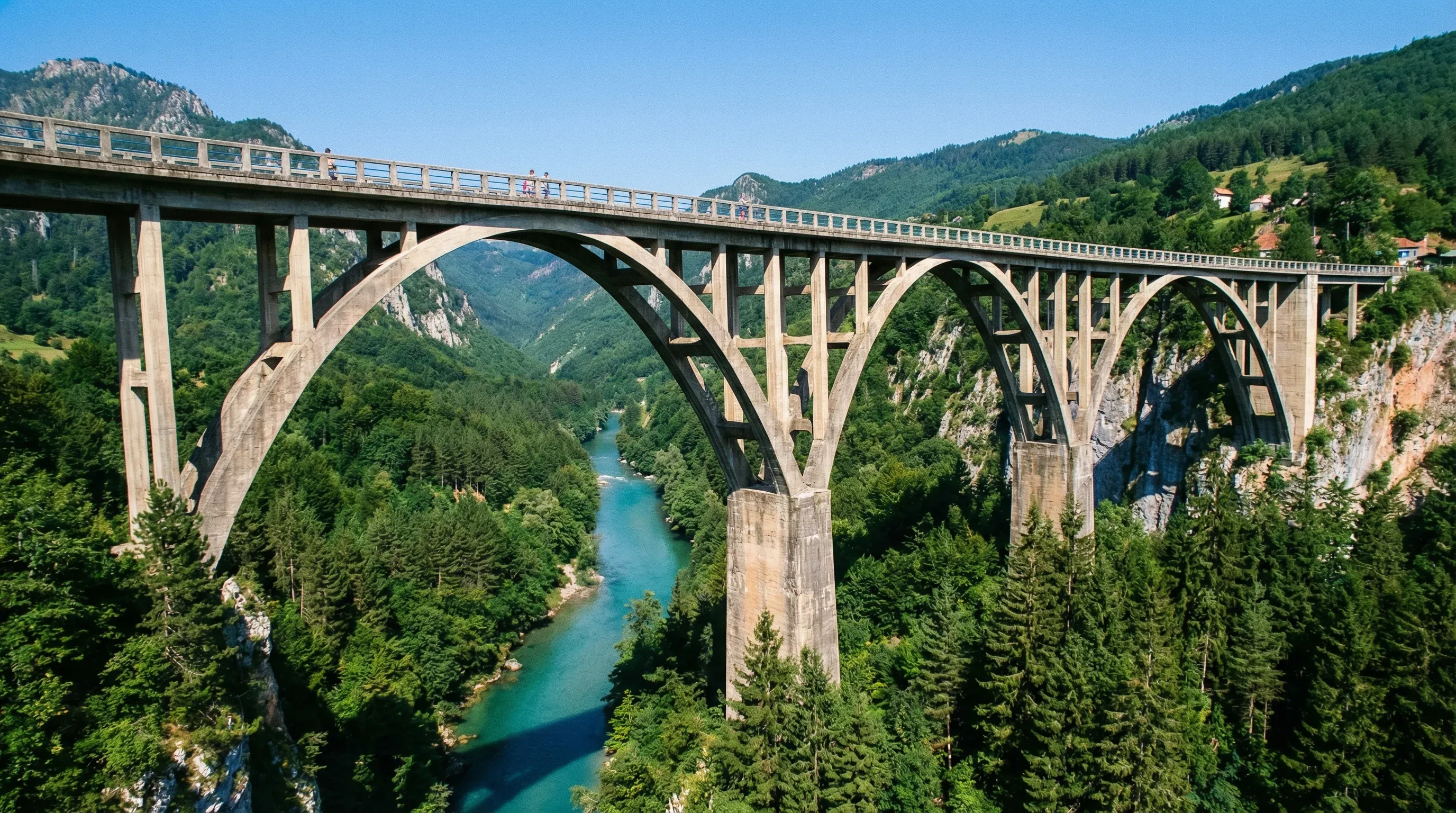
The centerpiece of the region is Durmitor National Park. The most family-friendly spot here is the Black Lake (Crno Jezero). It’s an easy, flat walk from the town of Žabljak, and there is a gentle 3.5km path circling the lake that is doable for most school-aged kids. In summer, you can rent kayaks or simply throw stones into the water. For a thrill that teenagers will love, head to the Đurđevića Tara Bridge. This architectural marvel spans the massive Tara River Canyon. You can simply walk across the bridge for dizzying views, or, for the brave, try one of the zip lines that run parallel to the bridge—some are tandem, allowing parents to ride with younger children.
Further east lies Biogradska Gora National Park, one of the last three primeval forests in Europe. The central lake is surrounded by easy boardwalks and paths shaded by ancient, giant trees, making it stroller-friendly and magical for toddlers who can look for squirrels and beetles. Nearby, the Morača Monastery offers a serene stop with stunning frescoes and a beautiful waterfall in the garden that creates a peaceful break during a road trip.
Practical Advice
The weather in the mountains is unpredictable. Even in August, temperatures can drop to single digits at night, and rainstorms can appear suddenly. Pack layers. A car is essential for exploring this region properly. Roads are scenic but can be narrow and winding; livestock often wanders onto the road, so drive carefully. The rafting season runs from May to October, but for families with smaller kids, July and August offer lower, gentler water levels.
Food & Drink
Typical meal times: Early risers here; Lunch 12:00 pm to 3:00 pm, Dinner 7:00 pm to 9:30 pm.
Typical meal costs: Very affordable. Hearty meal for four: €40–60 (approx. $43–65 USD / £35–50 GBP). Portions are notoriously huge.
Dietary requirements: Heavy on dairy and meat. Vegetarians can rely on excellent cheeses, salads, and potato dishes. Vegan options are scarce outside supermarkets.
Signature dishes:
- Kačamak – A heavy, delicious mountain staple made of cornmeal or potatoes mashed with specialized cheese (kajmak) and yogurt; pure comfort food that kids usually devour.
- Lamb under the bell (Ispod Sača) – Lamb slow-roasted with potatoes under a metal dome covered in hot coals; the meat is incredibly tender.
- Cicvara – Similar to Kačamak but richer, made almost entirely of melted cheese, milk, and flour.
Why this score?
This is the heart of Montenegro's adventure scene, featuring the dramatic Tara River Canyon, the deepest in Europe, and the high peaks of the Dinaric Alps. Activities include white-water rafting, mountaineering to Bobotov Kuk, and canyoning, which provide a genuine sense of wilderness. The terrain is challenging and remote, though the presence of marked trails and guides makes it accessible for active families.
Why this score?
Medical facilities in the north are basic, with the health center in Žabljak providing limited primary care and emergency stabilization. Serious injuries or complex conditions require long ambulance transports over winding mountain roads to Nikšić or Podgorica. While emergency mountain rescue services are active, the overall medical infrastructure is much sparser than on the Adriatic coast.
Why this score?
While a favorite for nature enthusiasts and hikers, the northern mountains receive significantly fewer international visitors than the coast due to the longer travel time from major airports. It functions as a niche destination for adventure travelers and domestic tourists seeking a cooler climate in summer or skiing in winter. The infrastructure in Žabljak is modest but growing, catering to a more rugged demographic.

The north is significantly cheaper than the coast. A cozy A-frame cabin for a family often costs €50–80 (approx. $55–85 USD / £42–70 GBP) per night. Restaurant portions are massive, often enough to share. Entrance fees to National Parks are modest (approx €3–5 per person, children often free or half price).

Getting Here & Around
Getting Here
- Driving – The primary way to arrive. It is a spectacular 2.5-hour drive from Podgorica through the Morača Canyon or approx. 3 hours from the coast via the new highway or Nikšić.
- Bus – Regular buses connect Podgorica to Žabljak (near Durmitor National Park) and Kolašin.
- Train – The spectacular Bar-Belgrade railway stops in Kolašin and Mojkovac, useful for accessing Biogradska Gora National Park (taxi required from station).
Getting Around
- Car – Essential for freedom. Attractions are spread out. To see the Đurđevića Tara Bridge from Žabljak is a 25km drive.
- Walking – Within the national parks, walking is the main mode of transport. Trails are well-marked.
- Taxi – Available in Žabljak and Kolašin for short trips to trailheads if you arrived by bus.
No airports in this region. See the country flight map for nearby connections.
Official Links

Packing List
Even in August, evenings in Žabljak can drop to 10°C (50°F).
Grass is often wet with dew or rain; sneakers may get soaked on trails.
Mosquitoes and horseflies can be present near the lakes and forests in summer.
Great for spotting eagles in canyons or bears/deer in Biogradska Gora (rare but possible).
Most beaches are pebbly or concrete, and sea urchins are common in the rocky shallows.
Roads are famously winding and serpentine, especially the route from Kotor to Lovćen.
Even in August, temperatures in the Durmitor mountains can drop significantly in the evening.
Many small bakeries, ice cream stands, and rural parking lots do not accept cards.
Essential if you plan to visit Lake Skadar or the Ada Bojana river area.

Activities & Best Times

Hiking, wildlife, outdoor exploration, ecotourism
Home to the UNESCO-listed Durmitor Massif and the deep Tara River Canyon, this region offers spectacular, authentic wilderness experiences. Peak summer provides the most stable conditions for high-altitude trekking and river rafting, while shoulder months offer fewer crowds and stunning seasonal foliage despite variable weather.

Sport tourism, fitness activities, active recreation
Renowned for world-class rafting on the Tara River and iconic high-altitude hiking routes like Bobotov Kuk. Specialized infrastructure including ziplines and adventure parks caters well to active families during the warmer months, while winter snow and spring runoff create barriers for most organized outdoor sports.

Urban tourism, museums, historical sites, architecture
Rich in high-altitude heritage, including UNESCO-listed medieval 'stećci' tombstones and the historic Moraāa Monastery set against mountain landscapes. While it lacks major urban centers, it offers profound cultural depth; peak months provide the best weather for accessing these remote, culturally significant sites.

Scenic drives, countryside tours, route-based travel
The 'Durmitor Ring' and the Tara Canyon scenic drives are among Europe's most dramatic routes, offering sophisticated travelers breathtaking mountain vistas and rural authenticity. Driving is optimal in summer when high-altitude passes like Sedlo are clear; heavy snow makes these remote routes impassable for standard vehicles in winter.

Winter sports, ski resorts, snow activities
The region features developing ski infrastructure at modern centers like Kolašin 1600 and traditional spots like Savin Kuk, offering a less crowded alpine alternative. Peak snow reliability is in January and February; shoulder months offer good value but are subject to variable snow cover due to relatively moderate altitudes.

Attractions (15 total)



Public Holidays & Calendar Next 12 months
Public holidays, festivals, cultural celebrations, and seasonal natural phenomena coming up in Durmitor & Northern Mountains over the next 12 months.
Loading holidays and events...

Travel Advisory
All major international agencies agree that Montenegro is safe for travel and requires only standard safety awareness. There are no significant country-wide security threats, although localized protests and seasonal petty crime occur.
Safety Topics
Traveller Advice (3 groups)

Women should exercise standard caution, particularly when out alone at night. There have been infrequent reports of drink spiking and assault in nightlife districts; always stay with trusted companions and monitor your beverages.

While same-sex relationships are legal, social attitudes can be conservative in certain areas. Discretion regarding public displays of affection is recommended to avoid unwanted attention or harassment.

All foreign visitors must register with the local police or a tourism office within 24 hours of arrival. Most hotels and registered rental accommodations will handle this for you, but it is your responsibility to confirm it has been completed.
Agency Summaries
No major travel restrictions are in place. Visitors are advised to monitor local news for reports of protests, such as those in the Zeta region, which can occasionally disrupt transportation to Podgorica Airport.
Montenegro is considered safe for visitors. Standard safety measures are recommended. Travellers should stay alert to their surroundings and use extra care when navigating narrow or winding mountain roads.
New Zealand does not have a specific high-risk advisory for Montenegro. Standard travel precautions apply, with a strong recommendation for comprehensive health insurance that includes medical evacuation.
Irish citizens are encouraged to follow standard safety protocols and stay informed of local developments. Registration of stay is a legal requirement for all foreign visitors.
The country is generally safe, though travellers should be mindful of petty crime and fraud. Vigilance is advised near the Kosovo border due to unpredictable security, and visitors should avoid any large public gatherings or protests.
Travellers should maintain a standard level of safety awareness. While the crime rate is generally low, petty theft like pickpocketing is more frequent during the peak summer tourist season, particularly in crowded areas and on public transport.
Information is provided for general guidance only and does not constitute travel, safety, medical, or legal advice. Conditions may change. Users are responsible for independently verifying information before travel.