
Ulcinj & Southern Coast
Endless sand, pirate legends, and kite surfers 🏴☠️🏖️🪁
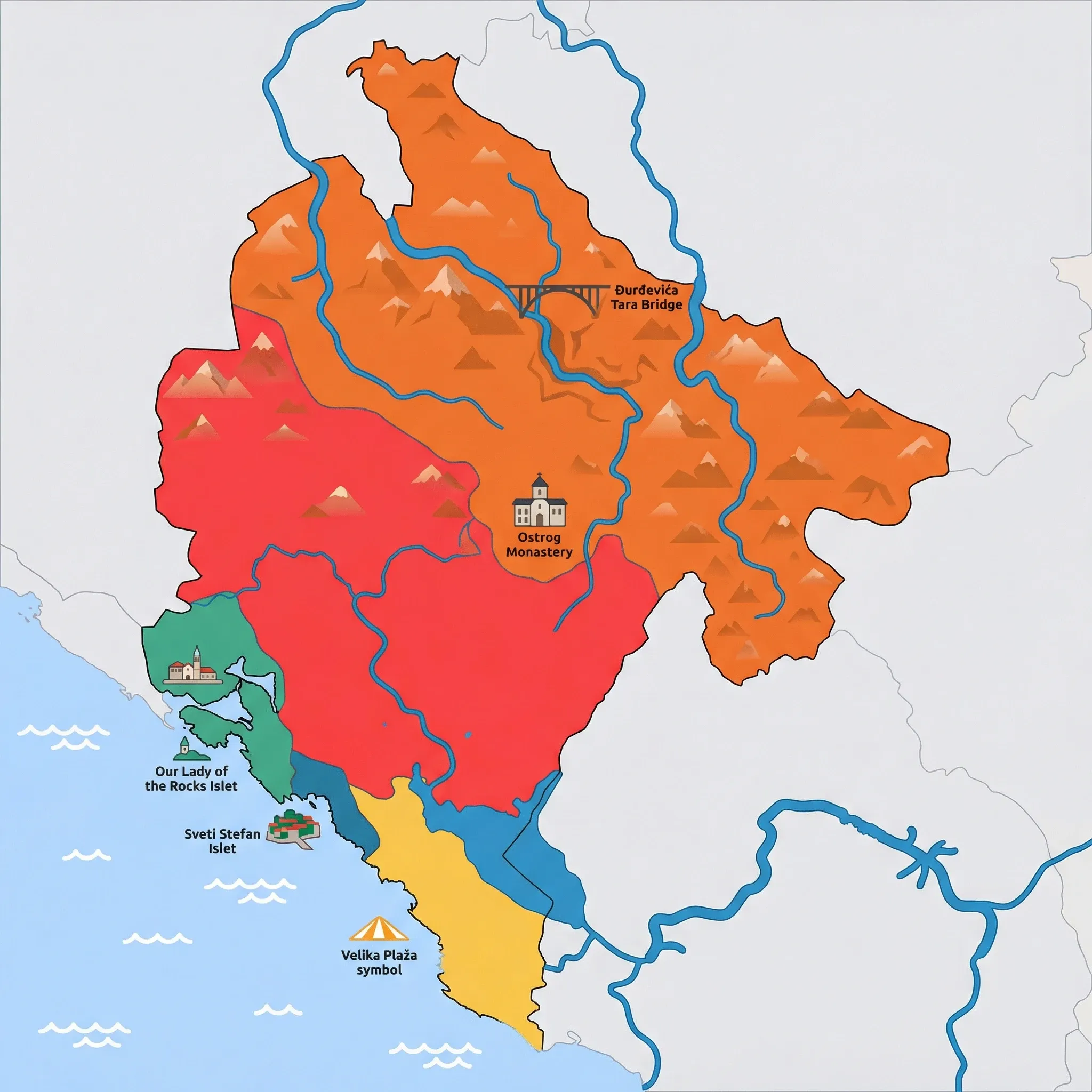
Click a region to explore
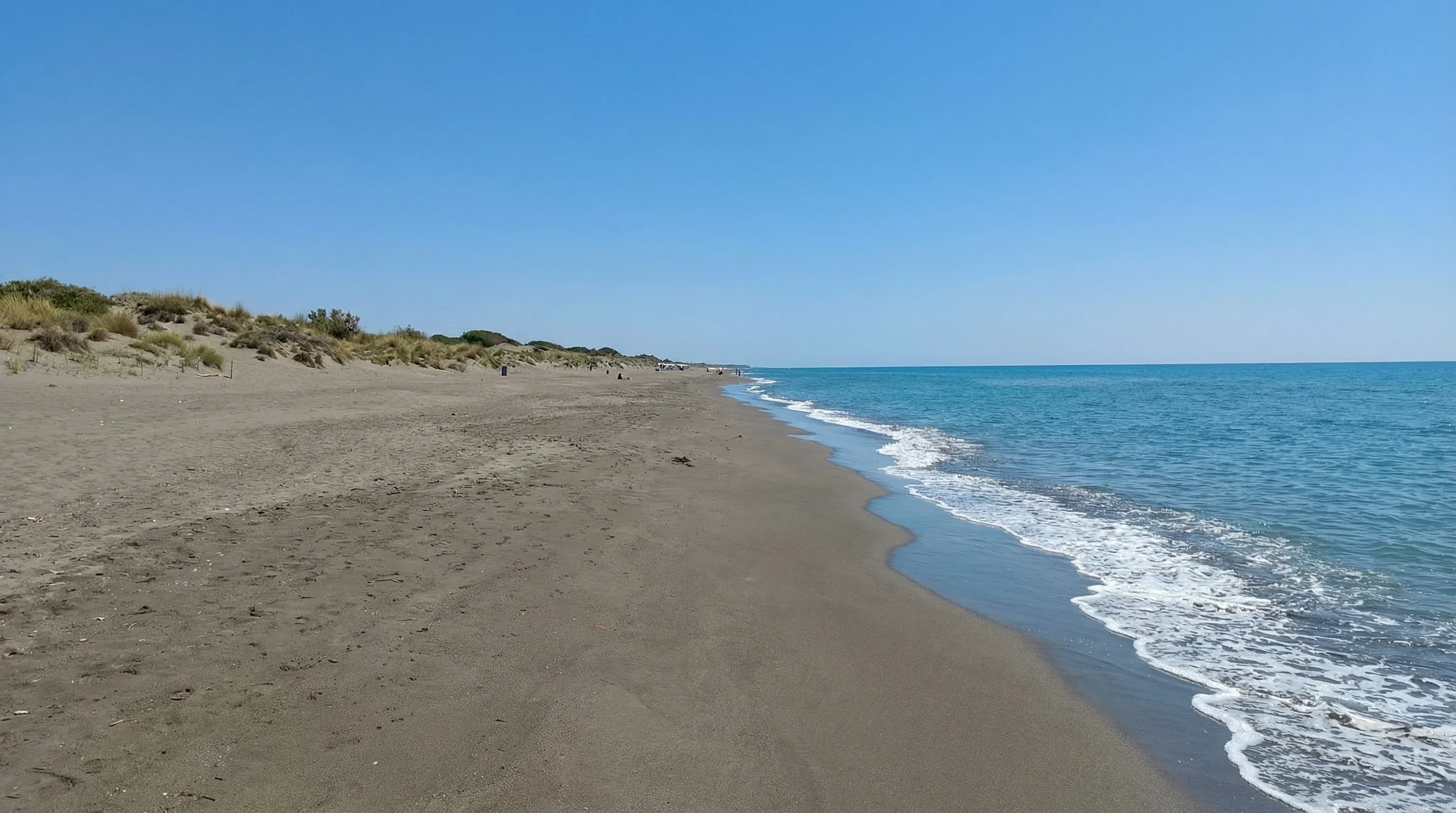
The Ulcinj & Southern Coast region feels distinct from the rest of Montenegro. Located on the border with Albania, it has a vibrant, multicultural atmosphere with minarets punctuating the skyline and the scent of kebab and coffee in the air. For families, the primary draw here is simple: sand. Unlike the pebbly beaches of Croatia or northern Montenegro, Ulcinj boasts Velika Plaža (Long Beach), a 12-kilometer stretch of fine, dark volcanic sand. The seabed here is incredibly shallow—you can walk out for 50 meters and the water might still only be knee-deep. This makes it a paradise for toddlers and young children who can play safely in the warm waves.
The vibe is relaxed, rustic, and slightly exotic. The town has a storied history of pirates (Cervantes was allegedly held captive here), which captures children's imaginations. Beyond the beach, the Ada Bojana river island offers a unique ecosystem where the river meets the sea, famous for its wooden houses on stilts and laid-back seafood restaurants. While the area is a hotspot for kitesurfing due to reliable afternoon winds, there are plenty of sheltered spots for families. The region is also less developed and cheaper than Budva or Kotor, appealing to families looking for a budget-friendly beach holiday with a twist of adventure.
Key Attractions
The star attraction is undeniably Velika Plaža (Long Beach). It is divided into various named beach clubs, each with playgrounds, sunbeds, and cafes. The sand is rich in minerals and famously good for building castles. At the very end of the beach lies Ada Bojana. Here, families can enjoy lunch at a restaurant suspended over the river while watching the kite surfers jump high in the air. Note that parts of Ada Bojana are nudist, but the river restaurants and the northern side are textile-friendly.
History buffs should head to Stari Grad (Ulcinj Old Town). Perched on a cliff overlooking the sea, it is older and rougher than Kotor or Budva, feeling like a real lived-in fortress. The museum here tells tales of the local pirates and slave trade. For a nature break, the Ulcinj Salina (Salt Pans) is a vast abandoned salt works that is now a bird sanctuary, often hosting flocks of flamingos—a spectacular sight for kids.
Practical Advice
The "Maestral" thermal wind starts blowing almost daily around 1:00 pm or 2:00 pm. This is great for cooling down but can whip up sand; mornings are best for calm beach play with babies. A car is very useful here as the Old Town is about 5km away from the best parts of Long Beach. Accommodation ranges from luxury hotels to basic camping.
Food & Drink
Typical meal times: Lunch 1:00 pm to 4:00 pm. Dinner is late, often 8:00 pm onwards.
Typical meal costs: The most affordable coastal region. Family dinner: €35–60 (approx. $38–65 USD / £30–50 GBP).
Dietary requirements: Being a Muslim-majority area, pork is less common, but lamb and beef are excellent. Halal options are widespread.
Signature dishes:
- Bamije (Okra Stew) – A slow-cooked veal and okra stew in a rich tomato sauce, a dish distinct to Ulcinj cuisine.
- Ćevapi – Small grilled minced meat sausages, served here in excellent homemade flatbreads with onions; cheap, delicious, and kid-friendly.
- Dulcineja – A traditional local dessert made of fried dough in syrup, a sweet legacy of the Ottoman influence.
Why this score?
Adventure here is centered on wind-based water sports like kitesurfing and windsurfing at the Ada Bojana river delta. The terrain is notably flatter and less rugged than the rest of Montenegro, making it easy to navigate for families with small children. While the salt pans and olive groves offer nice hiking, the region lacks the verticality and wilderness feel of the northern highlands.
Why this score?
Ulcinj has a local health center and several private practices, but the overall medical capacity is lower than in the central or northern coastal regions. Facilities are adequate for minor injuries and routine check-ups, but the local hospital infrastructure is older and less comprehensive. Travelers often find themselves traveling to Bar or Podgorica for anything requiring more than basic emergency care.
Why this score?
The southern coast is a popular regional destination, particularly for visitors from neighboring Balkan countries, but it has a lower global profile than Kotor. It is famous for Velika Plaža, a 12km sandy stretch that is unique in the region and attracts a dedicated community of kitesurfers. The atmosphere is more relaxed and less 'commercialized' in a western sense compared to Budva, offering a different cultural experience.

Ulcinj is the budget champion of the coast. You can find family apartments for €40–70 (approx. $43–75 USD / £35–60 GBP). A set of two sunbeds and an umbrella on the beach might cost €10–15 (approx. $11–16 USD / £8.50–13 GBP), significantly less than in Budva. Eating out is very affordable.

Getting Here & Around
Getting Here
- Airports – Podgorica Airport (TGD) is the closest (approx. 1.5 hours drive). Tivat (TIV) is about 2 hours away.
- Driving – The coast road from Bar to Ulcinj is scenic. Traffic can be dense in summer.
- Bus – Frequent buses run from all major Montenegrin towns to Ulcinj bus station. Taxis are needed to reach Velika Plaža (Long Beach) from the station.
Getting Around
- Car – Highly recommended. The distance between Stari Grad (Ulcinj Old Town) and the beaches is too far to walk comfortably in the heat.
- Taxi – Plentiful and cheap, but agree on a price before getting in.
- Water Taxi – Small boats run from the Old Town marina to secluded rocky beaches and the start of Long Beach during high season.
No airports in this region. See the country flight map for nearby connections.
Official Links

Packing List
The afternoon wind on Velika Plaža is consistent; a beach tent or windbreak is very useful.
The fine, dark sand sticks to everything; powder helps remove it from skin before getting in the car.
Proximity to the Bojana river and Salt Pans means mosquitoes are active at dusk.
Most beaches are pebbly or concrete, and sea urchins are common in the rocky shallows.
Roads are famously winding and serpentine, especially the route from Kotor to Lovćen.
Even in August, temperatures in the Durmitor mountains can drop significantly in the evening.
Many small bakeries, ice cream stands, and rural parking lots do not accept cards.

Activities & Best Times

Hiking, wildlife, outdoor exploration, ecotourism
The Ulcinj Salina is one of the most important birdwatching sites in Europe, while the Valdanos olive groves offer ancient, atmospheric hiking trails. Peak months align with the spectacular bird migration seasons and cooler temperatures suitable for exploring the coastal delta and groves.

Sport tourism, fitness activities, active recreation
Ada Bojana is a world-renowned destination for kitesurfing due to the consistent 'Maestral' thermal wind that blows throughout the summer. While other activities like cycling are possible in spring/autumn, the prime kiteboarding season is strictly defined by the reliable summer winds and warm waters.

Beach resorts, marine activities: diving, snorkelling, kite surfing, wind surfing, sailing
Home to Velika Plaža, the longest sandy beach on the Adriatic, and the unique river-sea delta of Ada Bojana, offering a distinct sandy alternative to the region's typical pebble coasts. Peak visitation occurs in mid-summer when sea temperatures are highest, though infrastructure remains less polished than major Mediterranean hubs.

Urban tourism, museums, historical sites, architecture
Ulcinj’s Old Town (Stari Grad) provides a unique blend of Ottoman and Venetian heritage with a storied history of corsairs and pirates. May, June, and September offer the best climate for walking the narrow stone streets before the intense heat and heavy rainfall of the mid-summer and winter periods.

Scenic drives, countryside tours, route-based travel
The Panoramic Route 'Between Two Magical Shores' and the drive through the Valdanos olive groves provide stunning vistas of the southern coast. Late spring and early autumn offer the best visibility and light for photography, while avoiding the heavy traffic congestion common on coastal roads in July and August.

Learning experiences, scientific sites, historical education
The Ulcinj Salina Bird Reserve & Museum offers a significant scientific look at Mediterranean salt production and avian ecology, though it is a niche educational draw. Visiting is best during peak migration in spring and autumn when the ecological importance of the site is most visible.

Spa retreats, wellness centers, peaceful getaways
Known for the sulfurous waters of Ladies' Beach and historic hammams, the region offers a rustic, traditional form of wellness. These outdoor thermal and therapeutic sites are best enjoyed during the warm summer months when the coastal microclimate is most favorable.




Public Holidays & Calendar Next 12 months
Public holidays, festivals, cultural celebrations, and seasonal natural phenomena coming up in Ulcinj & Southern Coast over the next 12 months.
Loading holidays and events...

Travel Advisory
All major international agencies agree that Montenegro is safe for travel and requires only standard safety awareness. There are no significant country-wide security threats, although localized protests and seasonal petty crime occur.
Safety Topics
Traveller Advice (3 groups)

Women should exercise standard caution, particularly when out alone at night. There have been infrequent reports of drink spiking and assault in nightlife districts; always stay with trusted companions and monitor your beverages.

While same-sex relationships are legal, social attitudes can be conservative in certain areas. Discretion regarding public displays of affection is recommended to avoid unwanted attention or harassment.

All foreign visitors must register with the local police or a tourism office within 24 hours of arrival. Most hotels and registered rental accommodations will handle this for you, but it is your responsibility to confirm it has been completed.
Agency Summaries
No major travel restrictions are in place. Visitors are advised to monitor local news for reports of protests, such as those in the Zeta region, which can occasionally disrupt transportation to Podgorica Airport.
Montenegro is considered safe for visitors. Standard safety measures are recommended. Travellers should stay alert to their surroundings and use extra care when navigating narrow or winding mountain roads.
New Zealand does not have a specific high-risk advisory for Montenegro. Standard travel precautions apply, with a strong recommendation for comprehensive health insurance that includes medical evacuation.
Irish citizens are encouraged to follow standard safety protocols and stay informed of local developments. Registration of stay is a legal requirement for all foreign visitors.
The country is generally safe, though travellers should be mindful of petty crime and fraud. Vigilance is advised near the Kosovo border due to unpredictable security, and visitors should avoid any large public gatherings or protests.
Travellers should maintain a standard level of safety awareness. While the crime rate is generally low, petty theft like pickpocketing is more frequent during the peak summer tourist season, particularly in crowded areas and on public transport.
Information is provided for general guidance only and does not constitute travel, safety, medical, or legal advice. Conditions may change. Users are responsible for independently verifying information before travel.