
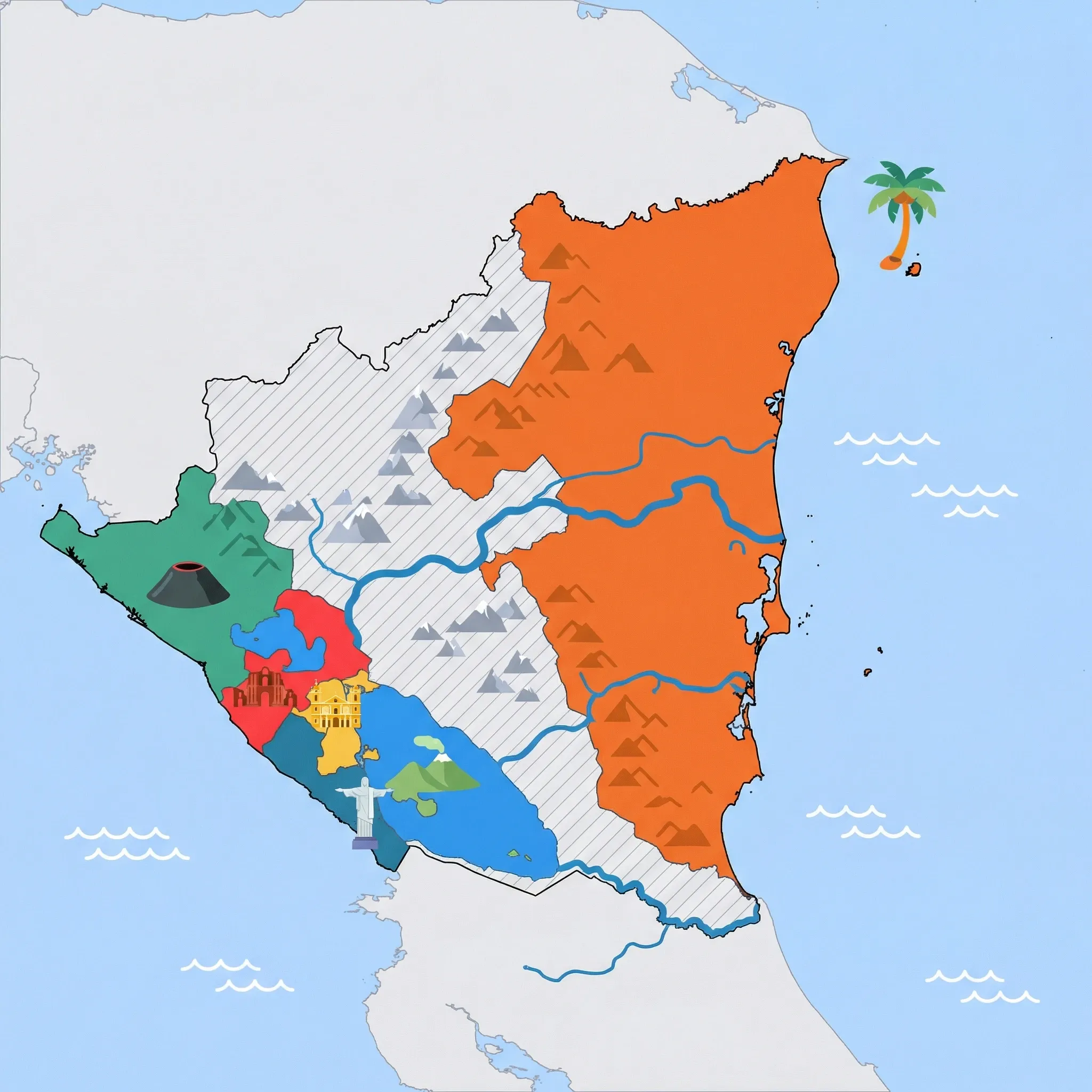
Click a region to explore
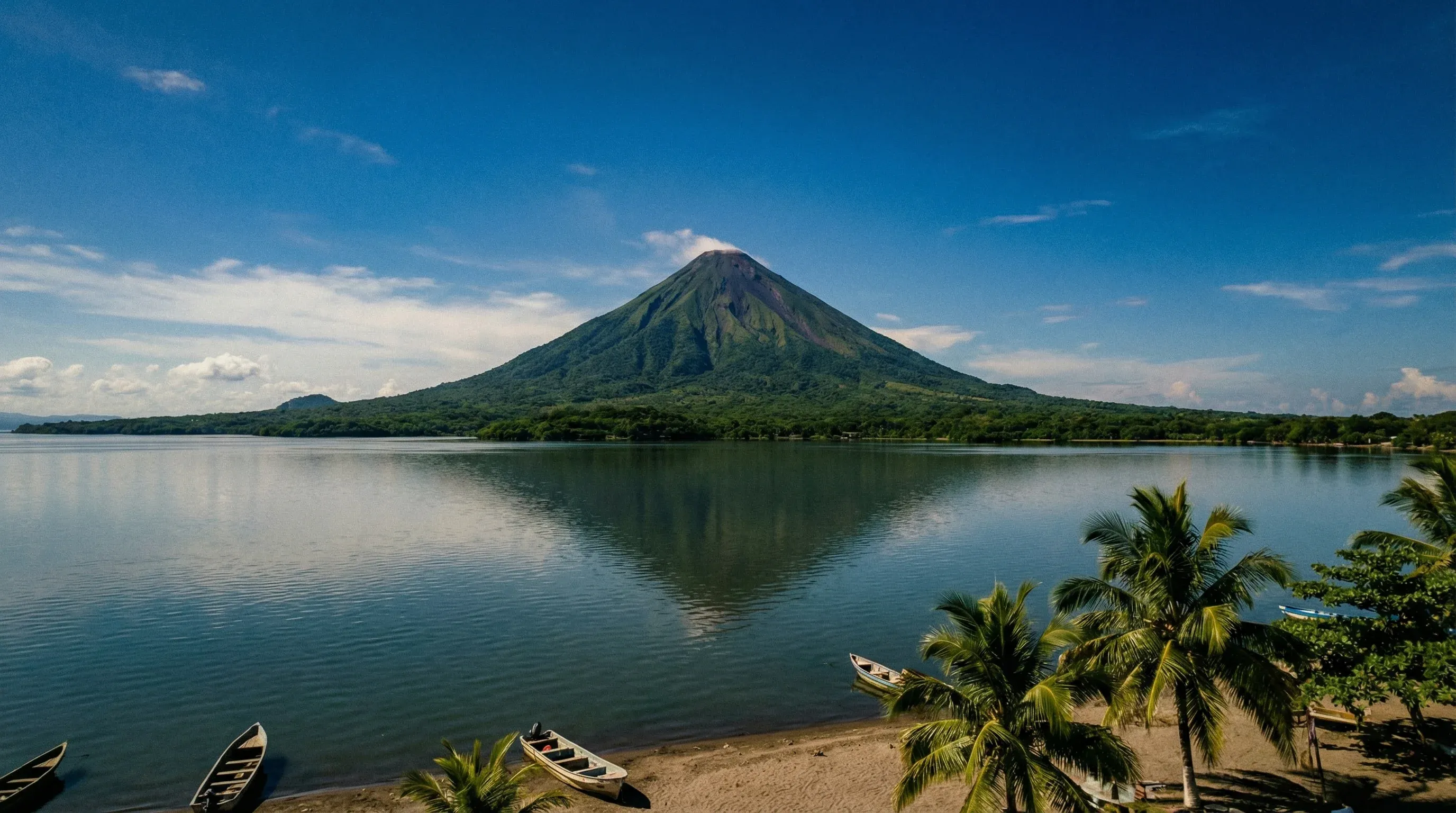
Ometepe is often described as the 'promised land'—a lush, figure-eight island formed by two volcanoes rising dramatically out of a freshwater lake. For families, it feels like entering a lost world. The island is a UNESCO Biosphere Reserve, teeming with howler monkeys, parrots, and butterflies. Life here is slow and rural; you are more likely to share the road with pigs and oxen than traffic jams. The island is divided into two halves: the perfect cone of Volcán Concepción (active and imposing) and the jungle-covered Volcán Maderas (dormant and misty).
This is a destination for nature-loving families. Activities focus on the outdoors: swimming in mineral pools, kayaking through wetlands, and hiking trails that lead to waterfalls. The beaches here are unique—they are freshwater, with dark volcanic sand and calm waves, making them distinct from the coast. The culture is deeply rooted in pre-Columbian history, and children can easily spot ancient petroglyphs carved into rocks scattered around the island. It is rustic—power cuts happen, and Wi-Fi can be spotty—but that is part of the charm.
Key Attractions
While climbing the volcanoes is a major draw for fit adults, it is often too strenuous for young children. However, families can explore the lower slopes of Volcán Maderas to see the San Ramón Waterfall, a stunning cascade tucked in the jungle (accessible by a long hike or a combination of car/hike). A more relaxing highlight is Ojo de Agua, a natural spring pool filled with crystal-clear volcanic water. It is developed with chairs and swings, making it the perfect family swimming hole.
Charco Verde is another family favorite—a reserve with a butterfly house, walking trails around a green lagoon, and a beach with calm water. Legend says the lagoon is home to 'Chico Largo,' a mythical figure, adding a layer of storytelling to the visit. For a history lesson, seek out the pre-Columbian stone idols and petroglyphs found at Finca El Porvenir or the museum in Altagracia.
Practical Advice
Ometepe is large; do not underestimate travel times. The road around Concepción is paved, but the road around Maderas is rough dirt and rock—a 4x4 is essential if staying on the Maderas side. Ferries can be cancelled in high winds (especially Jan-Feb). Bring enough cash for your entire stay, as ATMs often run out of money or reject foreign cards.
Food & Drink
Typical meal times: Early. Breakfast 6:30 am to 8:30 am. Lunch 12:00 pm to 1:30 pm. Dinner 6:00 pm to 8:00 pm. Restaurants close early.
Typical meal costs: Budget-friendly. Local meals cost C$150–250 (approx. $4–7 USD / €3.75–6.50 EUR). Tourist restaurants charge C$300–500 (approx. $8–14 USD / €7.50–12.50 EUR).Dietary requirements: Simple, fresh food. Vegetarians will find plenty of plantains, cheese, and eggs. Vegan options are growing in the tourist hubs of Balgüe and Santa Cruz.
Signature dishes:
- Guapote – Freshwater bass caught directly from the lake, usually fried whole and served with tomato sauce.
- Tostones con Queso – Twice-fried plantains served with a slab of salty fried cheese.
- Fresh Fruit Smoothies – Ometepe grows huge amounts of watermelon, pineapple, and bananas; the juices are incredibly fresh.
Why this score?
Hiking the steep, muddy slopes of Maderas or the active Concepción volcano is a significant physical challenge. The island’s infrastructure is rural, with many dirt roads and a sense of 'island time' that requires travelers to be self-reliant and physically active.
Why this score?
Medical facilities on the island are limited to small regional clinics and health centers that are not equipped for major traumas or complex surgeries. In the event of a serious illness or injury, the logistical hurdle of the ferry back to the mainland can create dangerous delays in reaching advanced care.
Why this score?
The island's unique twin-volcano profile in the middle of Lake Nicaragua makes it a must-visit for adventure-oriented backpackers and nature lovers. While highly iconic, its popularity is constrained by the necessity of a ferry crossing, keeping it from reaching the mass-market numbers of the Pacific mainland.

Ometepe offers great value. Hostels and eco-lodges are very affordable, with family cabins often costing C$1,400–2,800 (approx. $40–75 USD / €35–70 EUR). Transport is the main expense; a private taxi from the ferry to a hotel on the far side of the island can cost $30–40 USD, which is high relative to other local costs.

Getting Here & Around
Getting Here
- Ferry – Ferries depart from the mainland port of San Jorge (near Rivas) to Moyogalpa. The crossing takes 1 hour. There is also a smaller launch to San José del Sur.
- Air – Small flights occasionally run from Managua to the Ometepe airstrip, though schedules are irregular and seasonal.
- Bus – From Managua, take a bus to Rivas, then a taxi to the San Jorge dock.
Getting Around
- Scooter/Motorcycle – Popular for couples, but dangerous for families due to animals on the road.
- Bus – Local buses circle the island but are infrequent, slow, and very crowded.
- Taxi/Private Driver – The best option for families. Hiring a driver for the day allows you to see both sides of the island comfortably.
- 4x4 Rental – Essential if you plan to drive yourself to the Maderas side.
No airports in this region. See the country flight map for nearby connections.
Official Links

Packing List
The lake bottom can be rocky or muddy; shoes protect feet while swimming.
Street lighting is non-existent in many areas and power cuts are common.
Mosquitoes and small biting flies are prevalent, especially near the wetlands.
Essential for keeping gear safe during kayaking trips or rainy ferry rides.
Street lighting is poor in towns and power outages are relatively common.
Essential for keeping electronics dry during wet boat rides to Ometepe or the Corn Islands.
Voltage fluctuations can occur and may damage sensitive electronics like tablets or chargers.
English is rarely spoken outside of major hotels; basic Spanish is vital for local interaction.
Tap water is generally not safe to drink; this saves money and reduces plastic waste.

Activities & Best Times

Hiking, wildlife, outdoor exploration, ecotourism
A unique UNESCO Biosphere Reserve featuring twin volcanoes and lush cloud forests within a freshwater lake. Peak season offers clear views and accessible trails, whereas the heavy rains of May-October make volcano trekking hazardous.

Sport tourism, fitness activities, active recreation
Offers world-class, strenuous volcano hiking on Concepción and Maderas with significant elevation gain. Optimal conditions occur in the dry season when volcanic ash slopes are stable, unlike the rainy months when mud and low visibility create dangerous conditions.

Urban tourism, museums, historical sites, architecture
Provides an authentic look at Nicaraguan island life and rich pre-Columbian history through well-preserved petroglyphs and local museums. Travel between villages and access to outdoor archaeological sites is best during the dry season (December-March).

Learning experiences, scientific sites, historical education
Home to specialized museums focusing on the island's unique geology and archaeological importance. These sites serve as excellent educational supplements for families visiting during the peak dry season, though access to remote museum locations is difficult in the wet season.

Spa retreats, wellness centers, peaceful getaways
Features natural volcanic springs like Ojo de Agua for restorative bathing in a jungle setting. These facilities are best enjoyed during the dry months when the surrounding nature is lush but the springs are not overwhelmed by tropical downpours.

Scenic drives, countryside tours, route-based travel
The scenic loops around the volcanoes offer dramatic lake vistas and rural charm for adventurous drivers. Navigation is significantly easier in the dry season, as unpaved sections of the island routes can become impassable during the peak rainy months.




Public Holidays & Calendar Next 12 months
Public holidays, festivals, cultural celebrations, and seasonal natural phenomena coming up in Ometepe Island over the next 12 months.
Loading holidays and events...

Travel Advisory
The majority of international agencies recommend exercising a high degree of caution. While travel is possible, significant risks related to political instability, arbitrary law enforcement, and violent crime require travelers to be more vigilant than usual.
Safety Topics
Traveller Advice (4 groups)

Hiking in remote or volcanic regions is hazardous. Local law requires hiring certified guides for many volcanic trails, particularly on Ometepe Island.

Individuals associated with non-profits or religious organizations face severe risks, as thousands of civil society groups have been shut down and their staff subjected to detention or expulsion.

Media professionals are at high risk of being targeted, arrested, or denied entry for political reasons. Authorities actively monitor social media and professional backgrounds for any perceived anti-government sentiment.

Female travelers should be aware of reports of sexual assault and are advised to avoid walking alone, especially after dark or in isolated areas.
Agency Summaries
While no general travel ban is in place, visitors are warned about significant crime rates and the legal risks associated with political expression or participation in protests.
There are notable security concerns regarding violent crime and political instability. New Zealanders now require a visa to enter or transit through the country as of early 2026.
Travelers should remain extremely vigilant due to a volatile political climate, the potential for sudden civil unrest, and high rates of criminal activity.
It is advised to reconsider visiting because of the unpredictable application of local laws, the threat of being wrongfully detained, and the scarcity of adequate medical services. Violent crime also remains a concern.
A heightened level of awareness is necessary due to the prevalence of violent crime, including robberies and assaults. Police presence is limited outside of major cities.
Visitors can expect higher risks than in Ireland. It is essential to monitor local news and maintain a high level of personal security awareness throughout the trip.
Information is provided for general guidance only and does not constitute travel, safety, medical, or legal advice. Conditions may change. Users are responsible for independently verifying information before travel.