
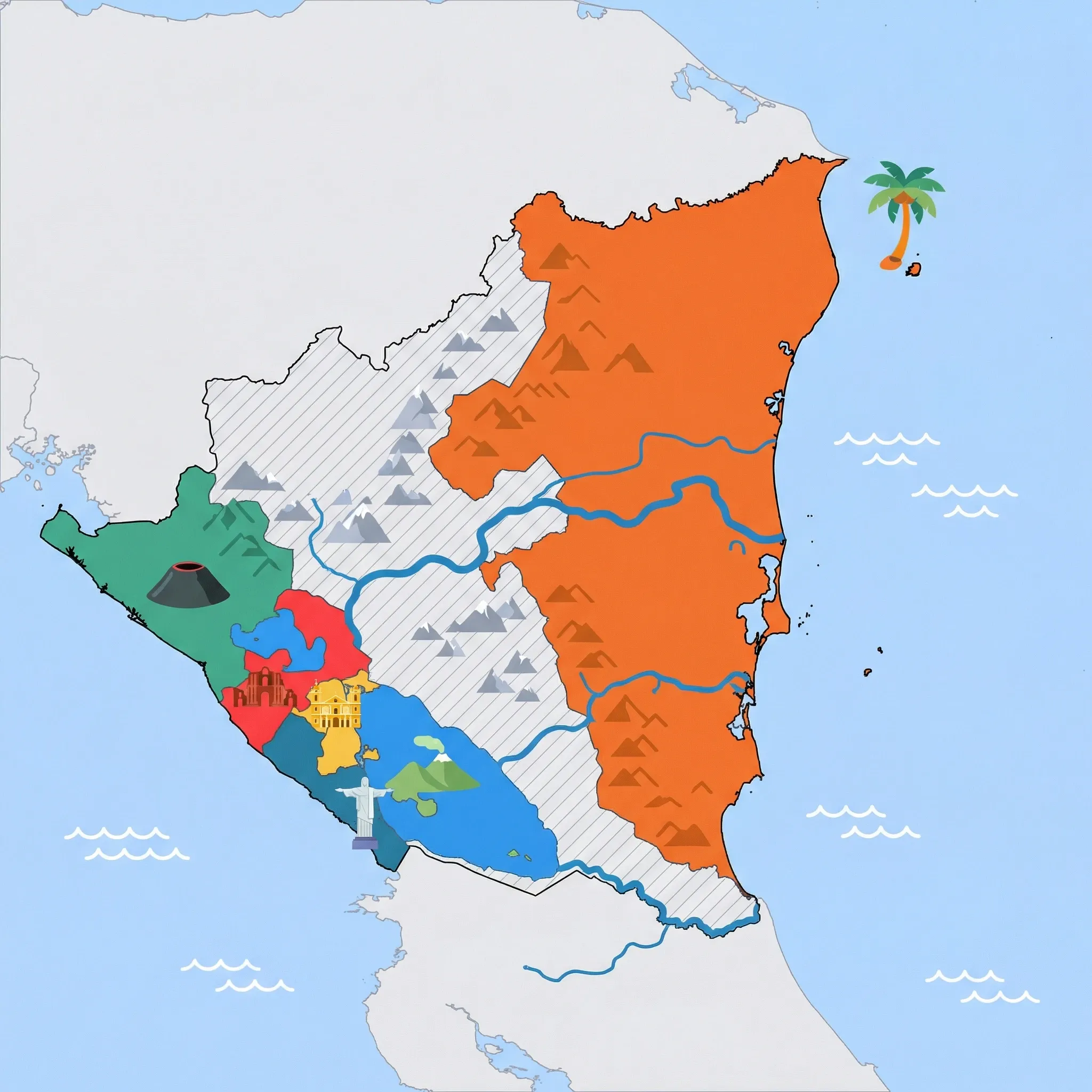
Click a region to explore
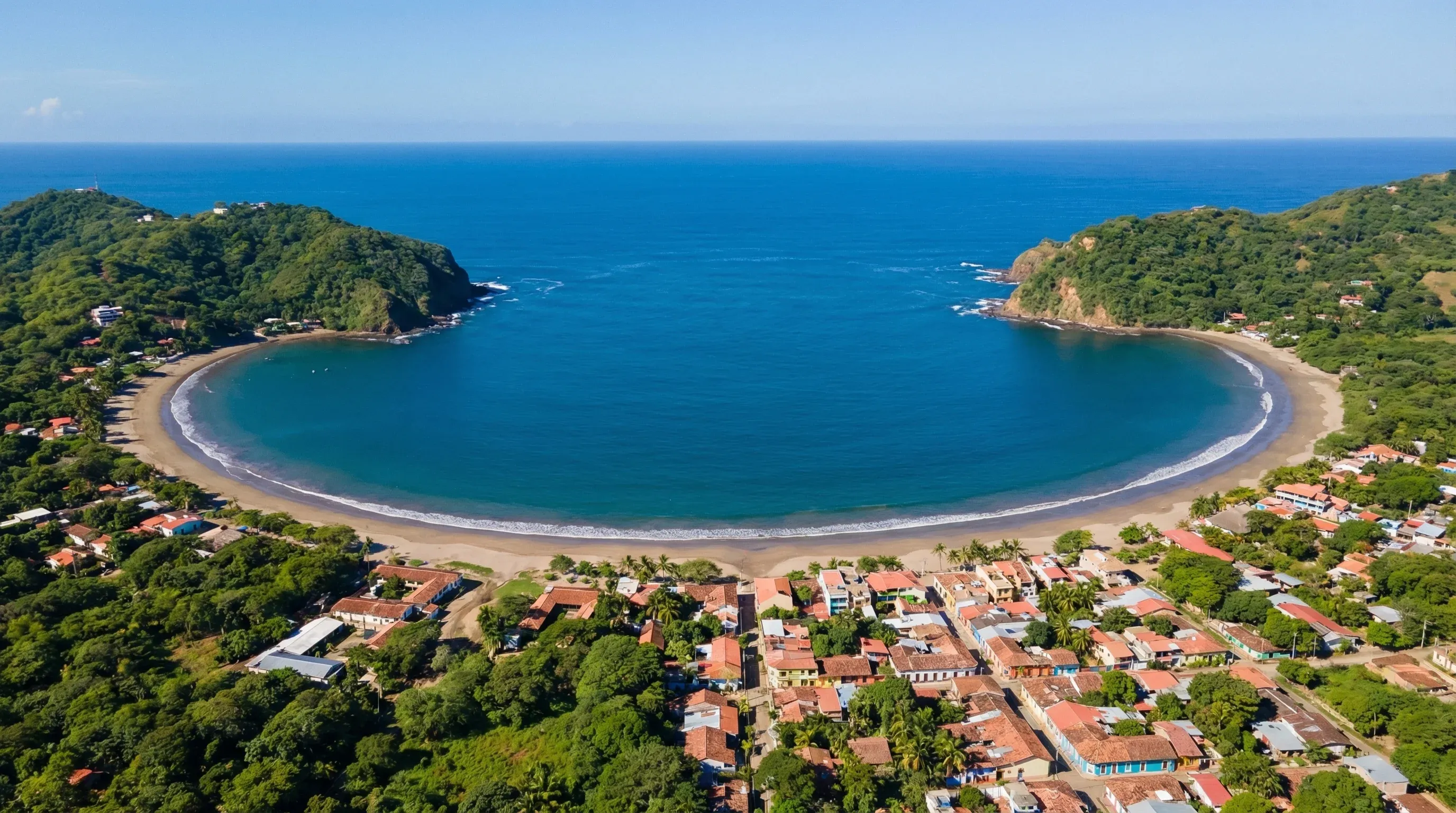
San Juan del Sur is the undisputed hub of beach tourism in Nicaragua. Formerly a sleepy fishing village, it has transformed into a lively town filled with colored clapboard houses, seaside restaurants, and surf shops. For families, it offers the most 'vacation-like' atmosphere in the country, with plenty of amenities, English-speaking services, and a wide variety of accommodation. The town sits in a beautiful horseshoe bay where the water is generally calm enough for swimming, though the real magic lies in the string of beaches to the north and south.
This region is the ideal place for children to learn to surf. The breaks range from gentle rollers to world-class barrels, and expert instructors are everywhere. Beyond the waves, the region is famous for its wildlife. The landscape here is tropical dry forest, which turns golden brown in the dry season and lush green in the wet season. It is common to see howler monkeys traversing the power lines and iguanas sunning themselves on roofs. The vibe is energetic and social, with a mix of backpackers, expats, and vacationing families.
Key Attractions
The crown jewel for nature lovers is the La Flor Wildlife Refuge. Located south of town, this is one of the few places in the world where olive ridley sea turtles come ashore in mass nesting events (arribadas). Between July and January, families can visit at night to watch thousands of turtles lay eggs, or visit later to help release hatchlings into the ocean—a profound experience for children.
For a classic beach day, Playa Hermosa is a top pick. It requires a drive down a long dirt road, but the destination is a wide, expansive beach with a facility offering hammocks, food, and showers. The waves here are fun but manageable. Closer to town, a hike (or taxi ride) up to the Christ of the Mercy statue is mandatory. Standing tall on the northern bluff, this massive statue offers the definitive photo opportunity with sweeping views of the bay and the Pacific coastline, particularly stunning at sunset.
Practical Advice
San Juan del Sur is a party town on weekends and holidays (especially Easter/Semana Santa). Families may prefer staying in hotels slightly outside the town center or on the northern beaches (like Marsella) for peace and quiet. The sun is extremely strong here; high-factor sunscreen and rash guards are non-negotiable.
Food & Drink
Typical meal times: Relaxed. Lunch 12:00 pm to 3:00 pm. Dinner 6:00 pm to 10:00 pm.
Typical meal costs: Higher than the rest of the country. A main course in a beachside restaurant costs C$450–900 (approx. $12–25 USD / €11–23 EUR). Smoothies and tacos are cheaper, around C$180–300 (approx. $5–8 USD / €4.50–7.50 EUR).
Dietary requirements: Excellent. This is the most vegan-friendly town in Nicaragua, with smoothie bowls, avocado toast, and gluten-free options available in nearly every cafe.
Signature dishes:
- Pargo Rojo – Red snapper, usually fried whole (frito) or grilled, served with tostones (fried plantains) and salad.
- Ceviche – Raw fish cured in lime juice with onions, peppers, and cilantro. Essential beach food.
- Tacos – Here, tacos are often rolled deep-fried tortillas filled with meat, topped with cream and cabbage salad (Nicaraguan style), though Mexican style is also common.
Why this score?
Adventure here is centered on the ocean, with world-class surfing and seasonal turtle watching at La Flor. While some backroads to remote beaches are unpaved and rugged, the town center itself is highly developed with ample tourism infrastructure for families.
Why this score?
The town has several private clinics that cater to the large expat community and tourists, offering basic emergency stabilization and primary care. For anything beyond routine treatment, patients must be transported two to three hours north to the better-equipped hospitals in Managua.
Why this score?
This is the most popular beach destination in Nicaragua, famous globally for its surfing and vibrant nightlife. It draws a consistent flow of international tourists from backpackers to luxury villa renters, making it one of the most Westernized and English-friendly regions in the country.

This is the most expensive region in Nicaragua. Prices for food and accommodation are 20-30% higher than in León or Granada. A family boutique hotel night costs C$3,600–7,200 (approx. $100–200 USD / €90–180 EUR). However, budget hostels and local eateries still exist if you look away from the beachfront.

Getting Here & Around
Getting Here
- Shuttle – Direct shuttles run from Managua Airport (2.5 hours) and Granada (1.5 hours). This is the standard way for tourists to arrive.
- Bus – Public buses run from the Rivas market to San Juan del Sur every 30 minutes. They are cheap but often crowded.
- Driving – The main road into town is paved and good. However, roads to the northern and southern beaches are often unpaved dirt tracks requiring high clearance.
Getting Around
- Beach Shuttles – dedicated shuttle trucks run from the town center to the popular surf beaches (Maderas, Hermosa) several times a day.
- Taxi – Abundant in town. Negotiate fares to beaches in advance.
- Walking – The town center is small and easily walkable.
No airports in this region. See the country flight map for nearby connections.
Official Links

Packing List
The sun is intense and surf lessons cause belly chafing without protection.
Required for turtle watching tours at night to avoid disturbing the animals.
Traveling in the back of beach trucks on dirt roads is incredibly dusty.
ATMs in town frequently run out of cash on busy weekends.
Street lighting is poor in towns and power outages are relatively common.
Essential for keeping electronics dry during wet boat rides to Ometepe or the Corn Islands.
Voltage fluctuations can occur and may damage sensitive electronics like tablets or chargers.
English is rarely spoken outside of major hotels; basic Spanish is vital for local interaction.
Tap water is generally not safe to drink; this saves money and reduces plastic waste.

Activities & Best Times

Hiking, wildlife, outdoor exploration, ecotourism
Home to major attractions like Da' Flying Frog and turtle nesting sites at La Flor Wildlife Refuge. Peak months coincide with the dry season and the mass arribadas of sea turtles during the mid-year 'Canícula' dry spell.

Urban tourism, museums, historical sites, architecture
Anchored by the historic San Juan del Sur district and the major Christ of the Mercy monument overlooking the bay. Best experienced in the dry season when the town's vibrant street life and outdoor viewpoints are most accessible.

Sport tourism, fitness activities, active recreation
Includes world-class zip-lining at Las Nubes and well-known hiking routes between coastal bays. Peak months offer reliable weather for outdoor activities, while the intense rainfall of late autumn significantly degrades trail conditions.

Beach resorts, marine activities: diving, snorkelling, kite surfing, wind surfing, sailing
Features iconic Pacific surf breaks at Playa Maderas and pristine coves like Playa Hermosa. Peak visitation occurs during the dry season when offshore winds create ideal surfing conditions and clear skies.

Scenic drives, countryside tours, route-based travel
The Southern Pacific Coastal Highway and Chocolata Road offer scenic coastal vistas and access to remote beaches. The dry season is essential for navigating unpaved coastal routes that can become impassable during peak rains in September and October.

Spa retreats, wellness centers, peaceful getaways
Limited to rustic experiences like the Nahualapa hot springs, offering a local alternative to more developed spa regions. Dry months are preferred for the more comfortable humidity levels and better road access to rural sites.



Public Holidays & Calendar Next 12 months
Public holidays, festivals, cultural celebrations, and seasonal natural phenomena coming up in San Juan del Sur & Pacific over the next 12 months.
Loading holidays and events...

Travel Advisory
The majority of international agencies recommend exercising a high degree of caution. While travel is possible, significant risks related to political instability, arbitrary law enforcement, and violent crime require travelers to be more vigilant than usual.
Safety Topics
Traveller Advice (4 groups)

Hiking in remote or volcanic regions is hazardous. Local law requires hiring certified guides for many volcanic trails, particularly on Ometepe Island.

Individuals associated with non-profits or religious organizations face severe risks, as thousands of civil society groups have been shut down and their staff subjected to detention or expulsion.

Media professionals are at high risk of being targeted, arrested, or denied entry for political reasons. Authorities actively monitor social media and professional backgrounds for any perceived anti-government sentiment.

Female travelers should be aware of reports of sexual assault and are advised to avoid walking alone, especially after dark or in isolated areas.
Agency Summaries
While no general travel ban is in place, visitors are warned about significant crime rates and the legal risks associated with political expression or participation in protests.
There are notable security concerns regarding violent crime and political instability. New Zealanders now require a visa to enter or transit through the country as of early 2026.
Travelers should remain extremely vigilant due to a volatile political climate, the potential for sudden civil unrest, and high rates of criminal activity.
It is advised to reconsider visiting because of the unpredictable application of local laws, the threat of being wrongfully detained, and the scarcity of adequate medical services. Violent crime also remains a concern.
A heightened level of awareness is necessary due to the prevalence of violent crime, including robberies and assaults. Police presence is limited outside of major cities.
Visitors can expect higher risks than in Ireland. It is essential to monitor local news and maintain a high level of personal security awareness throughout the trip.
Information is provided for general guidance only and does not constitute travel, safety, medical, or legal advice. Conditions may change. Users are responsible for independently verifying information before travel.