
Click a region to explore
⚠️ SAFETY WARNING: Government agencies (including CA, USA, UK, AU, IE, and NZ) have issued a DO NOT TRAVEL advisory for the W National Park and the surrounding Tillabéri region. This area is currently a highly active conflict zone with frequent terrorist attacks, kidnappings, and military operations. The park is effectively closed to tourism, and the security risk is extreme. Families must avoid this region entirely under current conditions.
Overview
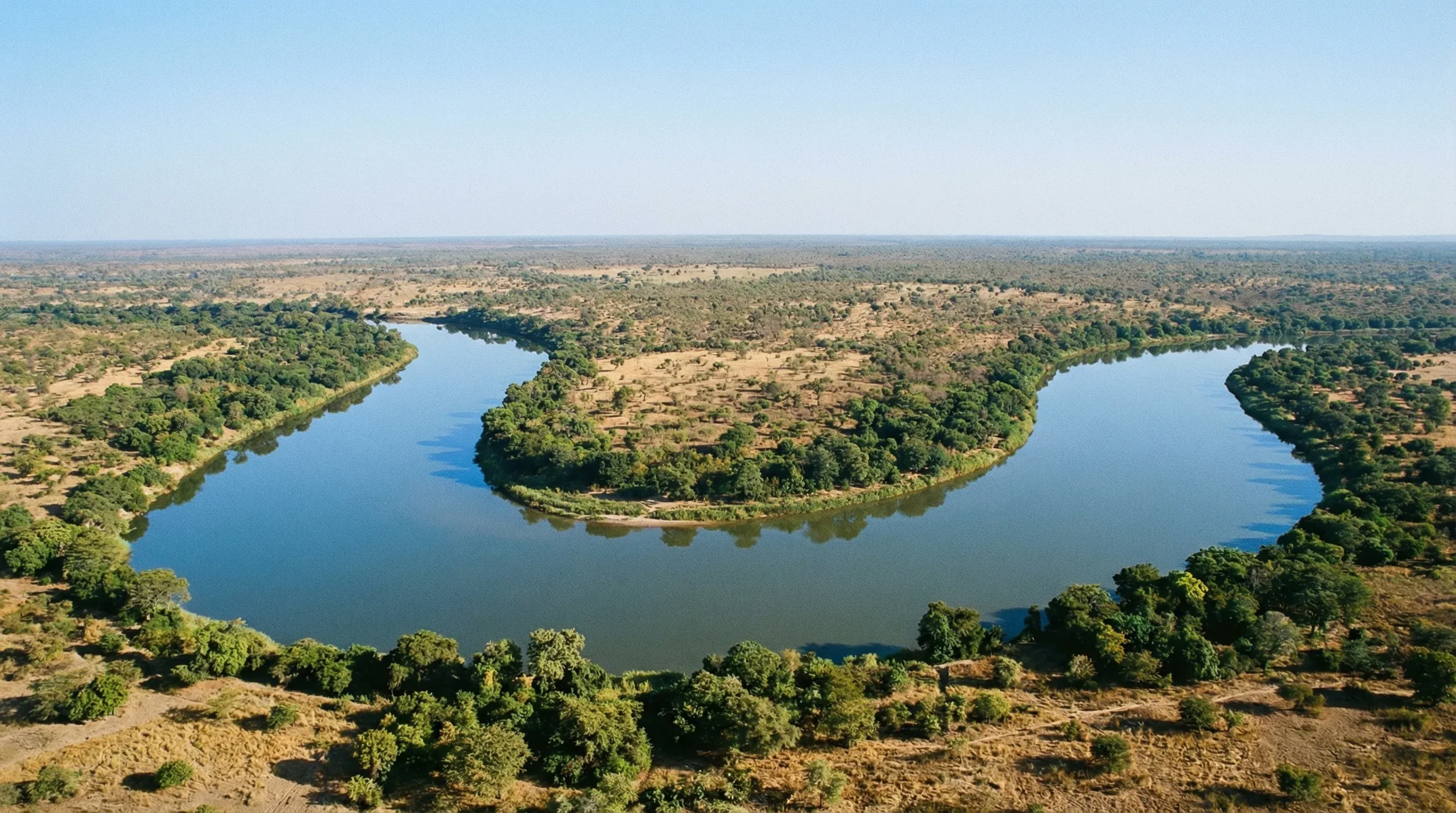
Ecologically, W National Park is one of the most important conservation areas in West Africa. Spanning three countries (Niger, Benin, and Burkina Faso), it represents a transition zone between the savannah and the forest. The park takes its name from the double meander of the Niger River, which shapes the landscape and provides a lifeline for the wildlife during the dry season. The scenery is a mix of gallery forests, shrubby savannah, and wetlands, offering a stunning backdrop for nature observation.
In peaceful times, this region offers one of the best safari experiences in West Africa. It is a refuge for the largest population of elephants in West Africa, alongside lions, cheetahs, leopards, and over 350 bird species. The park's biodiversity is critical for the ecological health of the Sahelian region. While currently inaccessible due to severe insecurity, its status as a UNESCO World Heritage site highlights its immense value to global natural heritage.
Key Attractions
The primary attraction is the W National Park (Niger Section) itself. The park is renowned for its birdwatching opportunities, particularly for waterbirds attracted to the Niger River's wetlands. In safer times, visitors could engage in game drives to spot herds of African buffalo and roan antelope, which are abundant here. The river itself offers opportunities to see hippopotamuses and crocodiles in their natural habitat, making it a thrilling location for wildlife enthusiasts.
Practical Advice
When to visit: The park is theoretically best visited during the dry season (December to April) when animals congregate around water points.
Access: Currently, all access routes are militarized and closed to civilian traffic.
Food & Drink
Typical meal times: In a safari lodge setting (when operational), breakfast is early (6:00 am), lunch is 12:30 pm to 2:00 pm, and dinner is 7:30 pm to 9:00 pm.
Typical meal costs: Lodge meals typically cost 8,000–15,000 XOF (approx. $13–25 USD / €12–23 EUR). Outside lodges, food options are non-existent.
Dietary requirements: Remote bush kitchens have limited capacity to cater to complex allergies. Meals are generally simple grilled meats, fish from the river, and rice.
Signature dishes:
- Capitaine (Nile Perch) – Fresh fish caught from the Niger River, usually grilled or fried, and considered a local delicacy.
- Masa – Small fermented rice cakes cooked in a special pan, often served as a side or breakfast item.
- Sauce Gombo – A sticky okra sauce served over tuition (corn or millet swallow), common in the rural areas bordering the park.
Why this score?
The park represents a vast, untamed savanna ecosystem where visitors must deal with remote river terrain and wild animals. The added layer of significant security risk and the remote location at the tri-border area makes it a high-intensity adventure destination.
Why this score?
There are no medical facilities within the park boundaries, and the surrounding rural areas offer only the most primitive health posts. In the event of an emergency, the travel time to Niamey is substantial, and there is no dedicated search-and-rescue infrastructure for tourists.
Why this score?
Formerly a premier West African safari destination, the park has seen visitor numbers plummet due to the expansion of regional instability. Current security risks and the proximity to volatile borders make it nearly inaccessible for standard international tourists.

When accessible, this is a mid-to-high cost destination due to the need for specialized logistics. Park entry fees are low (approx. 10,000 XOF / $16 USD), but vehicle hire and fuel are expensive. All-inclusive lodge stays (historical pricing) ranged from 60,000–120,000 XOF (approx. $100–200 USD / €90–180 EUR) per night.

Getting Here & Around
Getting Here
- Driving – The park is approximately 150km south of Niamey. The drive takes about 2.5–3 hours via Say, but the road is currently subject to high risk of ambushes and IEDs.
- Air – There are no commercial flights to the park; access is strictly by road or private charter (historically).
Getting Around
- 4x4 Safari Vehicle – A high-clearance 4x4 is mandatory for navigating the rough tracks within the W National Park (Niger Section).
- Boat – Pirogues were historically used for river safaris to view aquatic wildlife along the Niger River banks.
No airports in this region. See the country flight map for nearby connections.
Official Links

Packing List
Essential for spotting birds and distant wildlife across the river and savannah.
Fine laterite dust gets everywhere; protect electronics aggressively.
Tsetse flies can be present in the gallery forests near the water; strong repellent is needed.
Protection against both the intense equatorial sun and biting insects.
The Harmattan wind fills the air with fine desert dust (Dec–Mar), which can irritate lungs.
Power outages are frequent in Niamey and street lighting is inconsistent.
Malaria is a severe risk; hotel nets may be damaged or ill-fitting.
Credit cards are rarely accepted outside top hotels; ATMs often run out of cash.
Extreme heat causes rapid dehydration, especially in children; these are vital for recovery.
English is rarely spoken; basic French is essential for daily interactions.

Activities & Best Times

Hiking, wildlife, outdoor exploration, ecotourism
As a UNESCO World Heritage site, the park offers authentic West African safari experiences including elephants and rare West African lions. Peak visitation occurs during the cooler dry season when wildlife congregates near the Niger River, while the heavy rains of July-September make many tracks impassable.

Urban tourism, museums, historical sites, architecture
Features iconic landmarks like the 'W' meander of the Niger River and the Tapoa Gorges, which serve as major cultural and geographic symbols for the region. These sites are best accessed during the dry months when the landscape is most visible and infrastructure is reliable for international visitors.




Public Holidays & Calendar Next 12 months
Public holidays, festivals, cultural celebrations, and seasonal natural phenomena coming up in W National Park over the next 12 months.
Loading holidays and events...

Travel Advisory
All major agencies maintain their highest warning level for Niger, advising against any travel due to extreme risks from terrorism, political instability, and kidnapping. Security is highly volatile following the 2023 coup.
Safety Topics
Traveller Advice (2 groups)

Travellers are strongly discouraged from entering the country and those currently present should consider leaving via commercial means. Maintain emergency evacuation plans and a supply of essential items like water and food.

Aid workers are specifically identified as high-risk targets for kidnapping by extremist groups, particularly in rural and border regions where militant groups operate.
Agency Summaries
Ireland advises against all travel because of the unstable political climate and frequent terrorist activity. Crime levels in Niamey are high, and travelers are warned that they should be prepared to leave the country on short notice if already present.
New Zealand classifies Niger as a highest-risk destination due to the threat of armed militants and an unpredictable security situation. Violent crimes, including home invasions and carjackings, frequently target foreigners.
The FCDO strongly warns against all travel due to an increased frequency of terrorist kidnappings and the high risk of attacks in the capital, Niamey. Political conditions remain volatile, and in-person consular support is unavailable within the country.
The Canadian government advises avoiding all travel to Niger due to significant political instability following the 2023 coup and the extreme risk of terrorism and kidnapping throughout the country. Consular services are severely limited.
U.S. authorities have issued their highest warning level, ordering the departure of non-emergency staff. The advisory cites persistent threats from terrorism, violent crime, civil unrest, and kidnappings, particularly targeting Westerners and transport hubs.
Australia recommends that its citizens avoid all travel to Niger due to a dangerous security environment. There is a critical risk of kidnapping for ransom and terrorism. Foreigners are advised that the government's ability to provide assistance is extremely restricted.
Information is provided for general guidance only and does not constitute travel, safety, medical, or legal advice. Conditions may change. Users are responsible for independently verifying information before travel.