
Balochistan (restricted)
Where desert canyons meet the Arabian Sea 🏜️🌊
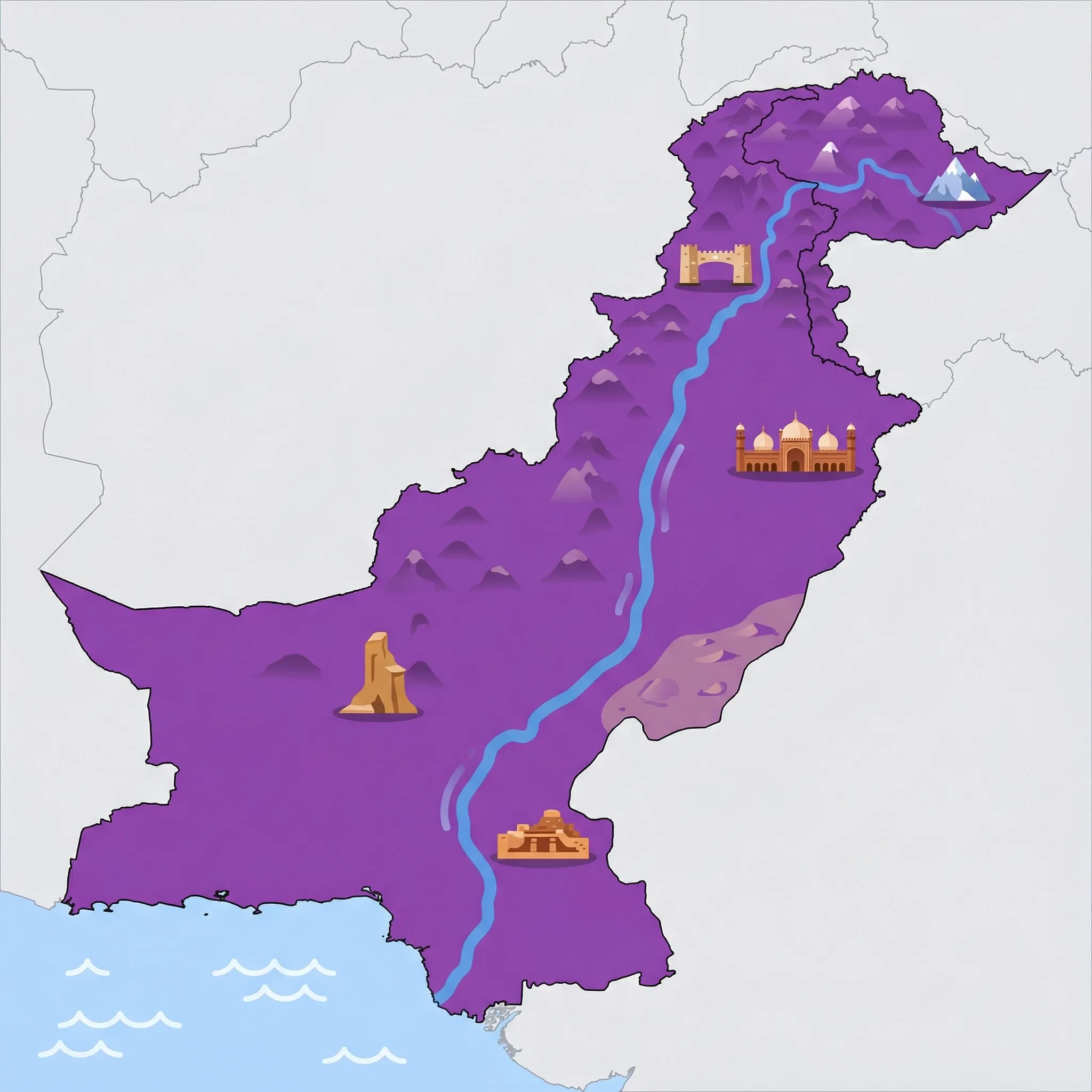
Click a region to explore
⚠️ SAFETY WARNING: Due to active separatist insurgency, risks of kidnapping, and terrorism, major government agencies (including CA, USA, UK, AU, and NZ) advise travelers to avoid all travel to Balochistan. The security environment is volatile, and tourist activities are currently considered dangerous and impractical. Families are strongly urged to consult their own government's official travel advisory before considering any trip to this region, as insurance is often invalid.
Overview
Balochistan is Pakistan's largest and most sparsely populated province, a land of stark, rugged beauty that feels almost extraterrestrial. Its geography is defined by arid mountain ranges, vast deserts, and a spectacular coastline along the Arabian Sea. For the intrepid few who have visited during safer times, the drive along the Makran Coastal Highway offers views of golden beaches meeting jagged rock formations. The culture here is distinct, driven by tribal hospitality and ancient traditions that have survived in this harsh environment for centuries.
While the region holds immense tourism potential with its geological wonders and untouched beaches, the current infrastructure for family travel is virtually non-existent outside of high-security zones. The climate is extreme, with blistering summers and freezing winters in the highlands of Quetta. Visitors who do gain access usually do so under strict security protocols or for business purposes, missing out on the leisurely exploration that families typically seek.
Key Attractions
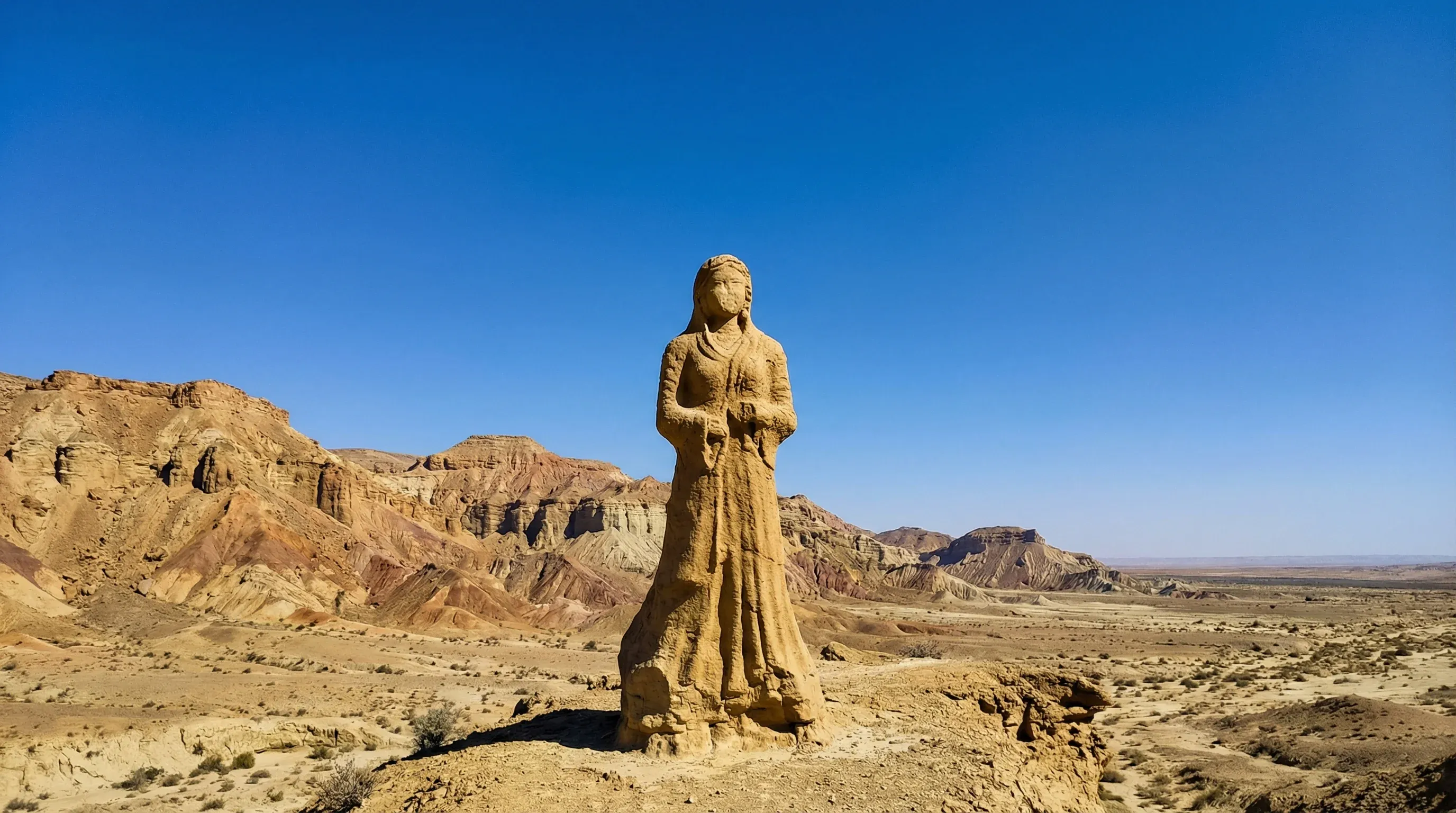
If security conditions eventually permit, the region's geological formations are world-class. Hingol National Park is the crown jewel, home to the mysterious Princess of Hope, a natural rock formation that resembles a standing woman, and active mud volcanoes. The coastal stretch includes Kund Malir Beach, known for its deep blue waters and desert backdrop. Further inland, the Quaid-e-Azam Residency in Ziarat offers a glimpse into colonial history surrounded by the ancient Ziarat Juniper Forest, one of the oldest in the world.
Practical Advice
Currently, travel is not advised. If essential travel is authorized, it requires No Objection Certificates (NOCs) and armed escorts. Winter (November to February) is the only comfortable time for the coast, while Ziarat is a summer retreat.
Food & Drink
Typical meal times: Lunch is typically served from 1:00 pm to 3:00 pm, and dinner is late, often 8:00 pm to 10:30 pm.
Typical meal costs: A meal for a family of four would cost approximately PKR 3,000–5,000 (approx. $10–18 USD / €9–16 EUR) in a standard restaurant.
Dietary requirements: The cuisine is heavily meat-based (lamb and goat). Vegetarian options are very limited beyond basic lentils and bread.
Signature dishes:
- Balochi Sajji – Whole lamb or chicken skewered and slow-roasted around a fire, seasoned simply with salt and papaya paste.
- Kaak (Stone Bread) – A hard bread baked by wrapping dough around a superheated stone, perfect for long journeys.
- Khaddi Kebab – A whole lamb stuffed with rice and cooked underground in a fire pit, a tribal feast dish.
Why this score?
This is one of the most rugged and least explored regions in South Asia, featuring vast deserts, mud volcanoes, and the remote Sphinx of Baluchistan. The lack of tourism infrastructure, combined with extreme weather and challenging security environments, makes any travel here a high-stakes expedition.
Why this score?
Medical facilities are extremely sparse and generally restricted to basic clinics in Quetta or Gwadar. For international families, the lack of specialized care, English-speaking staff, and emergency trauma centers makes any serious medical incident a critical risk requiring evacuation to Karachi.
Why this score?
Balochistan remains largely off-limits to international travelers due to strict security regulations and mandatory No Objection Certificates (NOCs). While sites like Hingol National Park and the Makran Coastal Highway are visually stunning, they receive almost no foreign visitors outside of escorted diplomatic or specialized missions.

Balochistan is generally inexpensive, though secure accommodation is scarce and can be priced higher due to supply constraints. A basic guest house might cost PKR 4,000–8,000 (approx. $14–28 USD / €13–26 EUR) per night. Simple roadside meals are very cheap, costing around PKR 500–800 (approx. $1.80–2.80 USD / €1.60–2.60 EUR) per person.

Getting Here & Around
Getting Here
- Airports – Quetta International Airport (UET) and Gwadar International Airport (GWD) receive flights from Karachi and Islamabad.
- Driving – The Makran Coastal Highway (N-10) connects Karachi to Gwadar, though checkpoints are frequent and strict.
- Bus – Long-distance buses run from Karachi to Quetta, but safety risks on these routes are currently extreme.
Getting Around
- Car – 4x4 vehicles are essential for any travel outside paved city roads due to the rugged terrain.
- Security Escort – Foreigners often require Levies or police escorts to move between districts.
- Public Transport – Not suitable for families due to overcrowding and safety concerns.
No airports in this region. See the country flight map for nearby connections.
Official Links

Packing List
Mobile network coverage is non-existent in vast swathes of the desert and coast (check permit rules first).
Fine desert sand and high winds make face protection essential.
Arid conditions lead to dehydration faster than expected; shops are miles apart.
Multiple physical copies of Non-Objection Certificates are needed for frequent checkpoints.
Bathtubs or sinks in budget guesthouses often lack plugs; useful for washing kid's clothes.
Essential for women and girls for modesty in bazaars and mandatory for entering mosques.
Power outages (load shedding) are frequent nationwide; keep devices charged.
The mountain roads to Hunza and Skardu are incredibly winding and long.
Hygiene standards vary; soap is not always available in public restrooms.
You will frequently remove shoes at mosques, shrines, and some traditional homes.

Activities & Best Times

Hiking, wildlife, outdoor exploration, ecotourism
Home to the rare mud volcanoes of Hingol and the ancient Ziarat Juniper Forest, offering raw wilderness and unique geological formations. Peak visitation occurs during the cooler winter months to avoid extreme desert temperatures and ensure safe trekking.

Urban tourism, museums, historical sites, architecture
Features unique heritage sites like the Hinglaj Mata Mandir and the Quaid-e-Azam Residency in Ziarat. High-altitude cultural hubs are best visited in spring and autumn, while winter months bring severe cold that can restrict access to heritage buildings.

Scenic drives, countryside tours, route-based travel
The Makran Coastal Highway provides a world-class scenic driving experience through surreal, canyon-like landscapes. Travel is optimal in the winter season when road conditions are stable and the heat is manageable for long-distance touring.

Sport tourism, fitness activities, active recreation
Features challenging trekking routes in Moola Chotok and long-distance cycling routes along the coast. Peak months offer the most comfortable temperatures for high-exertion sports, avoiding the dangerous heat of the Balochistan summer.

Beach resorts, marine activities: diving, snorkelling, kite surfing, wind surfing, sailing
While coastline like Astola Island is pristine, lack of infrastructure and restricted access makes 'good' rating too generous by international standards. Comparable to 'marginal' rating given to Sindh's more developed beaches.

Learning experiences, scientific sites, historical education
The Geological Museum of Pakistan provides significant insights into the region's complex tectonic history. While scientifically valuable, its infrastructure is modest compared to global natural history museums.

Spa retreats, wellness centers, peaceful getaways
Natural sulfur and hot springs like Lakha offer traditional restorative bathing in a rugged, authentic setting. These sites are only appealing during the coldest months when the thermal waters provide a comfortable contrast to the environment.

Amusement parks, family entertainment venues
Askari Park offers basic recreational facilities catering mainly to local families. It lacks the scale and international standards of major entertainment destinations, serving as a minor diversion rather than a travel motivator.

Attractions (11 total)



Public Holidays & Calendar Next 12 months
Public holidays, festivals, cultural celebrations, and seasonal natural phenomena coming up in Balochistan (restricted) over the next 12 months.
Loading holidays and events...

Travel Advisory
The country presents serious safety and security risks. While major urban centers may have established security, the overall threat from terrorism, kidnapping, and regional conflict necessitates a careful evaluation of the necessity of travel.
Safety Topics
Traveller Advice (5 groups)

Ensure you carry valid identification at all times and stay away from political rallies or religious processions. Individuals with dual citizenship should be aware that local authorities may treat them exclusively as local citizens, potentially restricting access to foreign consular services.

Same-sex relationships are not legally recognized and can lead to criminal prosecution. Discretion is strongly advised as public displays of affection or advocacy may provoke hostile reactions.

Aid workers and those involved in humanitarian projects, such as health initiatives, are frequently targeted by extremist groups. Enhanced security protocols and armored transport are often necessary for movement in high-risk provinces.

Those visiting religious sites should check the status of specific corridors and border crossings, as many official routes for pilgrims are currently closed due to regional tensions.

Female visitors are advised to dress conservatively in accordance with local customs and to avoid traveling unaccompanied, particularly after sunset or in less populated areas.
Agency Summaries
The security environment is considered unpredictable with a high potential for terrorist activity and civil disorder. Australians are advised to avoid large gatherings and be aware that consular assistance is severely limited in many regions.
Travelers are urged to re-evaluate their plans because of persistent threats from terrorism, sectarian violence, and organized crime. Non-essential government personnel have been ordered to depart certain areas, and extreme risks exist in Balochistan and Khyber Pakhtunkhwa.
Significant regional escalations and border tensions have led to heightened security measures. Authorities advise against visiting most border areas and specific high-conflict districts, while warning of sudden disruptions to air travel and restricted movement for diplomatic staff.
Visitors should maintain extreme vigilance due to a volatile security landscape characterized by terrorist threats, civil unrest, and the risk of kidnapping. While the national level remains elevated, strict 'do not travel' warnings are in place for border regions and several provinces.
A heightened state of alert is recommended due to the threat of cross-border violence and internal political instability. Travelers should avoid traditional protest sites and remain updated on rapidly changing local conditions.
Due to a pervasive risk of terrorism and kidnapping, travelers should only visit for critical reasons. Security operations are ongoing in several provinces, and there is no resident New Zealand diplomatic representation to provide direct aid.
Information is provided for general guidance only and does not constitute travel, safety, medical, or legal advice. Conditions may change. Users are responsible for independently verifying information before travel.