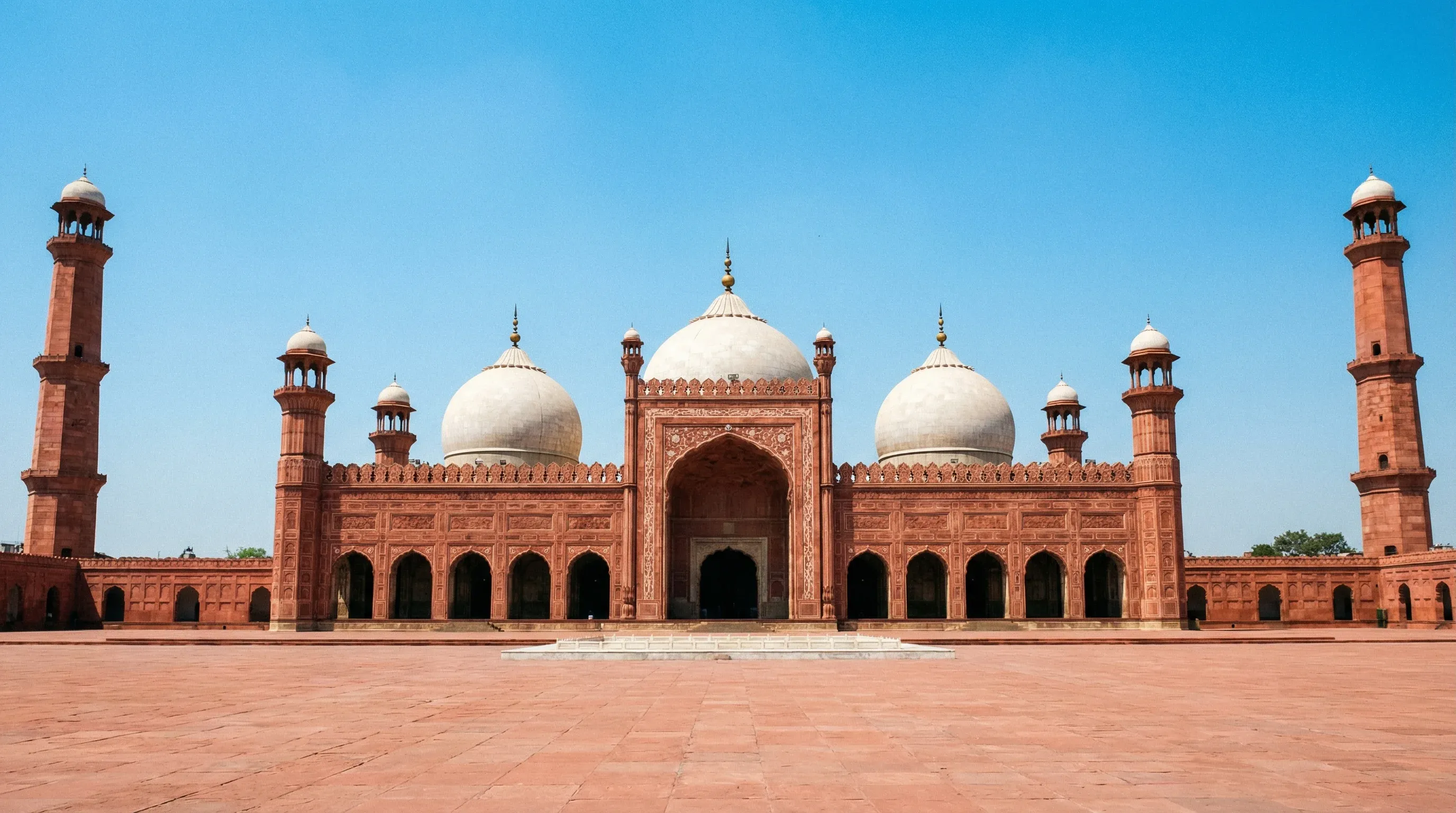

Islamabad & Punjab (Lahore)
The cultural heart and modern soul of the nation 🕌🌳
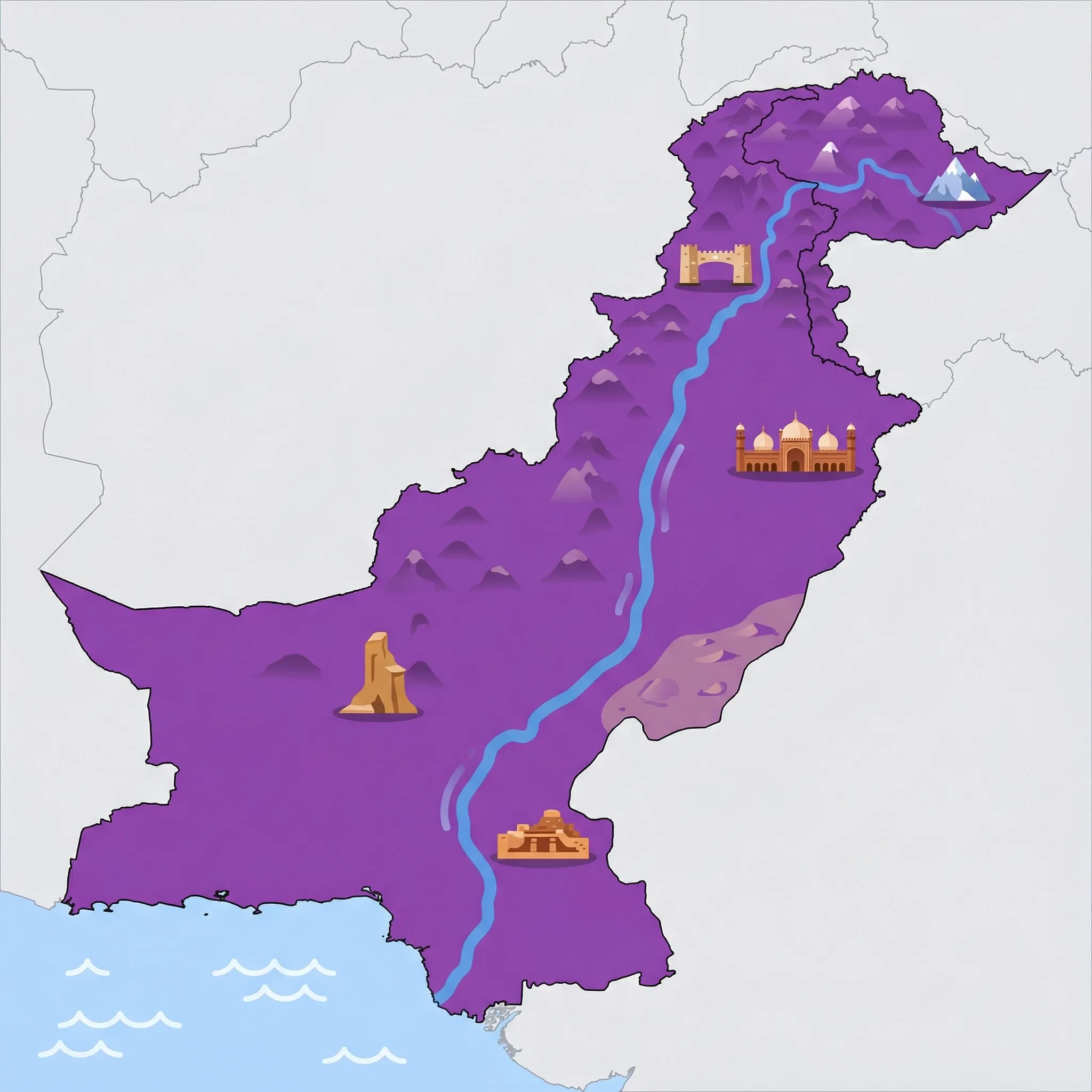
Click a region to explore
⚠️ SAFETY WARNING: Due to the potential for political demonstrations and security alerts at religious sites, government agencies (including USA, UK, and AU) advise travelers to reconsider travel to this region. While Islamabad and Lahore are the most accessible cities for tourists, visitors should avoid large gatherings, protests, and sensitive religious processions. Families should consult their own government's official travel advisory for the latest security assessments.
Overview
Punjab is the beating heart of Pakistan, offering a blend of ancient Mughal history and modern development that makes it the most family-friendly region in the country. Islamabad, the capital, is a purpose-built city nestled against the Margalla Hills National Park. It provides a soft landing for international visitors with its clean streets, organized sectors, and hiking trails. It serves as a calm counterpoint to Lahore, the provincial capital, which is a sensory explosion of color, history, and incredible food.
For families, the contrast is engaging: you can spend one day hiking in the pine-covered hills of Islamabad and the next riding a tuk-tuk through the narrow, bustling streets of Lahore's Walled City. The region is fertile and flat, punctuated by the fascinating Salt Range. The winter months are delightful for exploring outdoor forts and gardens, while the hospitality here is legendary—Punjabis are known for their warmth and generosity toward guests.
Key Attractions
In Lahore, the Lahore Fort and the adjacent Badshahi Mosque are unmissable UNESCO-standard sites where kids can run through massive courtyards and explore mirrored palaces. For a fun day out, the Khewra Salt Mine offers a unique underground train ride into a world carved entirely of pink salt—a hit with children. In Islamabad, the iconic Faisal Mosque dominates the skyline, and Lake View Park offers boating and aviaries perfect for younger kids. History buffs will appreciate the well-preserved Rohtas Fort near Jhelum, a massive 16th-century garrison.
Practical Advice
The best time to visit is October to March. Summers (May–August) are intensely hot (40°C+). Lahore suffers from severe smog in November/December, so check air quality forecasts.
Food & Drink
Typical meal times: Lunch is 1:30 pm to 3:00 pm. Dinner is a major social event, usually served late, from 8:00 pm to 11:00 pm.
Typical meal costs: A generous family meal in a mid-range restaurant costs PKR 4,000–7,000 (approx. $14–25 USD / €13–23 EUR). Street food is much cheaper.
Dietary requirements: Vegetarian options (daal, palak paneer, vegetable curries) are widely available, though veganism is less understood (ghee/butter is common). Nut allergies should be communicated clearly.
Signature dishes:
- Lahori Chargha – Whole chicken, marinated in yogurt and spices, then steam-cooked and fried to crisp perfection.
- Halwa Puri – The classic Sunday breakfast: deep-fried bread served with chickpea curry and sweet semolina pudding.
- Murgh Pulao – A fragrant, mild chicken and rice dish that is often more kid-friendly than spicy biryani.
Why this score?
The region is dominated by fertile plains and the well-developed M-2 motorway, making travel relatively smooth and predictable. Beyond light hiking in the Margalla Hills or exploring the Khewra Salt Mine, the experience is primarily urban and cultural rather than ruggedly adventurous.
Why this score?
Islamabad and Lahore house Pakistan's most advanced healthcare facilities, including JCI-accredited hospitals like Shifa International and various high-end private clinics. These centers offer English-speaking specialists and modern diagnostic equipment that are reliable for international travelers and expats.
Why this score?
As the country's cultural and administrative heart, this region attracts the highest volume of foreign visitors for business, heritage tourism, and the Wagah Border ceremony. While Lahore is a world-class historical city, the overall international visitor count remains modest compared to major global hubs.

Islamabad is the most expensive city in Pakistan, while Lahore offers a range of options. A good 4-star family hotel room costs PKR 25,000–40,000 (approx. $90–145 USD / €80–130 EUR). Dining varies wildly; a high-end dinner might be PKR 3,000 (approx. $11 USD / €10 EUR) per person, while a hearty street food meal is under PKR 500 (approx. $1.80 USD / €1.60 EUR).

Getting Here & Around
Getting Here
- Airports – Islamabad International (ISB) and Allama Iqbal International (LHE) in Lahore are the main gateways with direct international connections.
- Train – The 'Green Line' express train connects Islamabad (Margalla station) and Lahore with Karachi, offering AC parlors suitable for families.
- Driving – The M2 Motorway connects Islamabad and Lahore. It is excellent, safe, and comparable to European highways, taking about 4.5 hours.
Getting Around
- Ride-hailing – Uber and Careem are reliable, safe, and air-conditioned options for getting around both cities.
- Metro Bus – Both cities have modern Metro Bus systems; Lahore also has the Orange Line Metro Train, which passes near the Shalimar Gardens.
- Daewoo Express – For intercity travel, these luxury buses are safe, punctual, and have dedicated terminals.
No airports in this region. See the country flight map for nearby connections.
Official Links

Packing List
Essential for Lahore in winter (Nov-Jan) due to severe smog/air pollution.
Dengue is a risk in Punjab, especially post-monsoon (Sep-Nov).
If visiting hotel pools or water parks, board shorts and t-shirts are more culturally appropriate than speedos/bikinis.
Sockets vary between hotels; having a versatile adapter is crucial.
Bathtubs or sinks in budget guesthouses often lack plugs; useful for washing kid's clothes.
Essential for women and girls for modesty in bazaars and mandatory for entering mosques.
Power outages (load shedding) are frequent nationwide; keep devices charged.
The mountain roads to Hunza and Skardu are incredibly winding and long.
Hygiene standards vary; soap is not always available in public restrooms.
You will frequently remove shoes at mosques, shrines, and some traditional homes.

Activities & Best Times

Hiking, wildlife, outdoor exploration, ecotourism
The Margalla Hills and varied safari parks offer accessible wildlife and hiking experiences within reach of urban centers. Peak visitation occurs during the cool, dry winter months to avoid the extreme heat and monsoon humidity of the Punjabi plains.

Urban tourism, museums, historical sites, architecture
Home to UNESCO-listed Mughal architecture in Lahore and the iconic Faisal Mosque in Islamabad, the region offers deep historical immersion. Winter is peak for cultural exploration as summer temperatures frequently exceed 40°C, making urban walking tours difficult.

Scenic drives, countryside tours, route-based travel
The M-2 motorway through the Salt Range and the scenic drives to Pir Sohawa offer well-maintained, picturesque routes for family touring. Travel is best in winter to avoid monsoon-related road hazards and the hazy visibility of the hot season.

Sport tourism, fitness activities, active recreation
Excellent hiking infrastructure in the Margalla Hills and developed outdoor activity centers in urban parks provide solid options for active families. Activity peaks in the cooler months when the air quality and temperature are most conducive to physical exertion.

Amusement parks, family entertainment venues
The region features several large-scale amusement and water resorts like Dino Valley that serve as significant regional draws. These facilities are most popular and comfortable during the cooler winter season and school holiday periods.

Learning experiences, scientific sites, historical education
National museums and specialized science centers provide educational value, though they are primarily geared toward domestic audiences. These indoor facilities offer year-round access but see peak international interest during the general winter tourism window.

Spa retreats, wellness centers, peaceful getaways
The historic Shahi Hammam represents a unique cultural wellness experience, though the region lacks a high density of dedicated international-standard wellness retreats. The cooler winter months are the only appropriate time for traditional bathhouse experiences.

Attractions (25 total)



Public Holidays & Calendar Next 12 months
Public holidays, festivals, cultural celebrations, and seasonal natural phenomena coming up in Islamabad & Punjab (Lahore) over the next 12 months.
Loading holidays and events...

Travel Advisory
The country presents serious safety and security risks. While major urban centers may have established security, the overall threat from terrorism, kidnapping, and regional conflict necessitates a careful evaluation of the necessity of travel.
Safety Topics
Traveller Advice (5 groups)

Ensure you carry valid identification at all times and stay away from political rallies or religious processions. Individuals with dual citizenship should be aware that local authorities may treat them exclusively as local citizens, potentially restricting access to foreign consular services.

Same-sex relationships are not legally recognized and can lead to criminal prosecution. Discretion is strongly advised as public displays of affection or advocacy may provoke hostile reactions.

Aid workers and those involved in humanitarian projects, such as health initiatives, are frequently targeted by extremist groups. Enhanced security protocols and armored transport are often necessary for movement in high-risk provinces.

Those visiting religious sites should check the status of specific corridors and border crossings, as many official routes for pilgrims are currently closed due to regional tensions.

Female visitors are advised to dress conservatively in accordance with local customs and to avoid traveling unaccompanied, particularly after sunset or in less populated areas.
Agency Summaries
The security environment is considered unpredictable with a high potential for terrorist activity and civil disorder. Australians are advised to avoid large gatherings and be aware that consular assistance is severely limited in many regions.
Travelers are urged to re-evaluate their plans because of persistent threats from terrorism, sectarian violence, and organized crime. Non-essential government personnel have been ordered to depart certain areas, and extreme risks exist in Balochistan and Khyber Pakhtunkhwa.
Significant regional escalations and border tensions have led to heightened security measures. Authorities advise against visiting most border areas and specific high-conflict districts, while warning of sudden disruptions to air travel and restricted movement for diplomatic staff.
Visitors should maintain extreme vigilance due to a volatile security landscape characterized by terrorist threats, civil unrest, and the risk of kidnapping. While the national level remains elevated, strict 'do not travel' warnings are in place for border regions and several provinces.
A heightened state of alert is recommended due to the threat of cross-border violence and internal political instability. Travelers should avoid traditional protest sites and remain updated on rapidly changing local conditions.
Due to a pervasive risk of terrorism and kidnapping, travelers should only visit for critical reasons. Security operations are ongoing in several provinces, and there is no resident New Zealand diplomatic representation to provide direct aid.
Information is provided for general guidance only and does not constitute travel, safety, medical, or legal advice. Conditions may change. Users are responsible for independently verifying information before travel.