
Khyber Pakhtunkhwa (Peshawar)
Ancient history and alpine splendor 🌲🕌
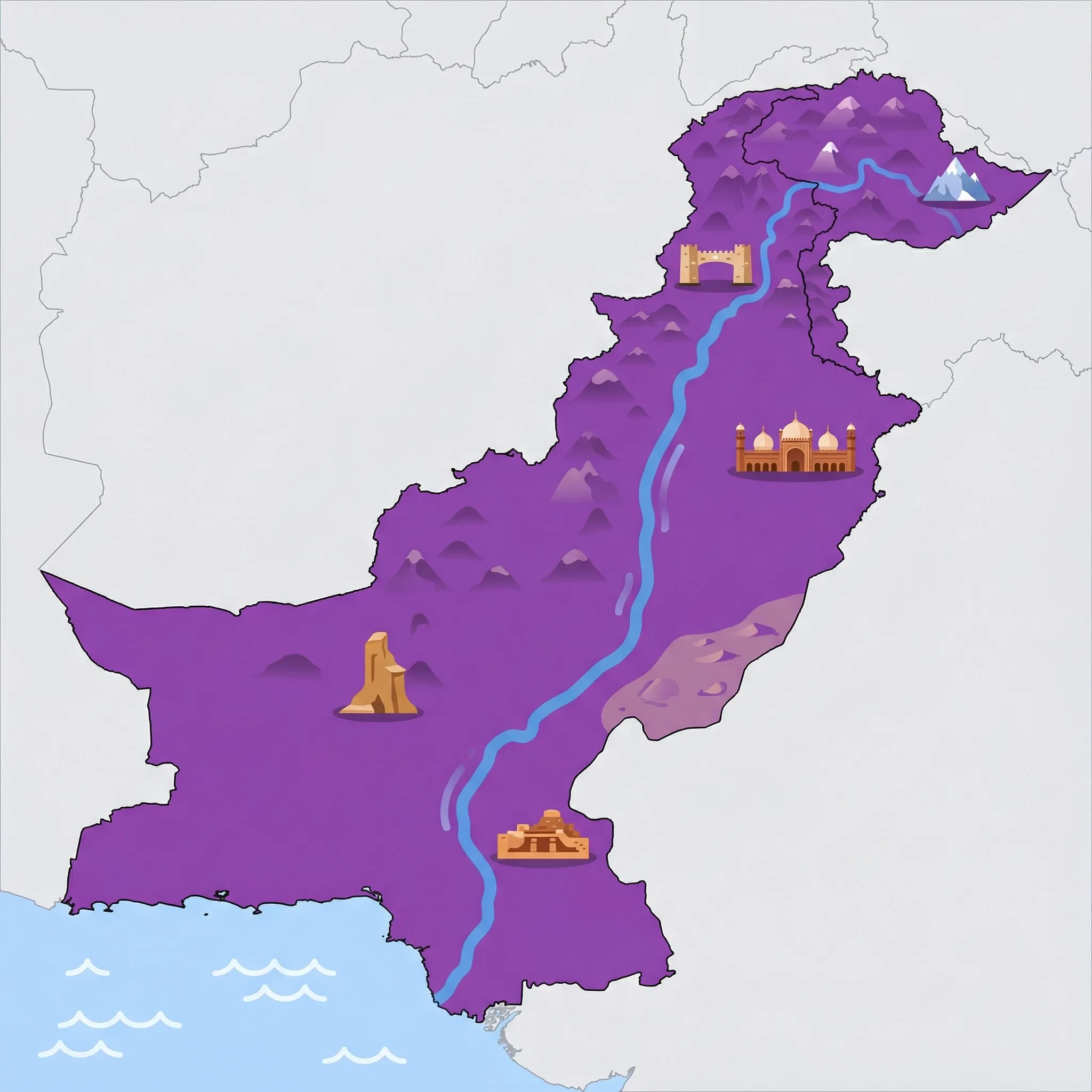
Click a region to explore
⚠️ SAFETY WARNING: Due to elevated risks of terrorism and security operations, government agencies (including CA, USA, UK, and AU) advise travelers to avoid all travel to most of Khyber Pakhtunkhwa, particularly areas near the Afghan border and former tribal districts. While tourist areas like the Swat and Kaghan Valleys see domestic tourism, the security situation is unpredictable. Families must consult their government's official travel advisory and exercise extreme caution.
Overview
Khyber Pakhtunkhwa (KP) is a land of dramatic contrasts, transitioning from the dusty plains of Peshawar to the lush, pine-forested peaks of the Hindu Kush. Known as the land of hospitality, the Pashtun culture here is deeply traditional and welcoming to guests. Peshawar, one of the oldest living cities in South Asia, is a treasure trove of history, filled with storytellers, ancient bazaars, and the aroma of grilled meats. It feels like stepping back in time.
However, for most families, the primary appeal lies in the northern valleys of Naran, Kaghan, and Swat (often called the 'Switzerland of the East'). These areas offer accessible mountain tourism with river rafting, trout fishing, and hiking. The scenery is lush and green, distinct from the arid beauty of the further north. While the province has faced security challenges, the tourist corridors in the north are generally bustling with domestic visitors during the summer months.
Key Attractions
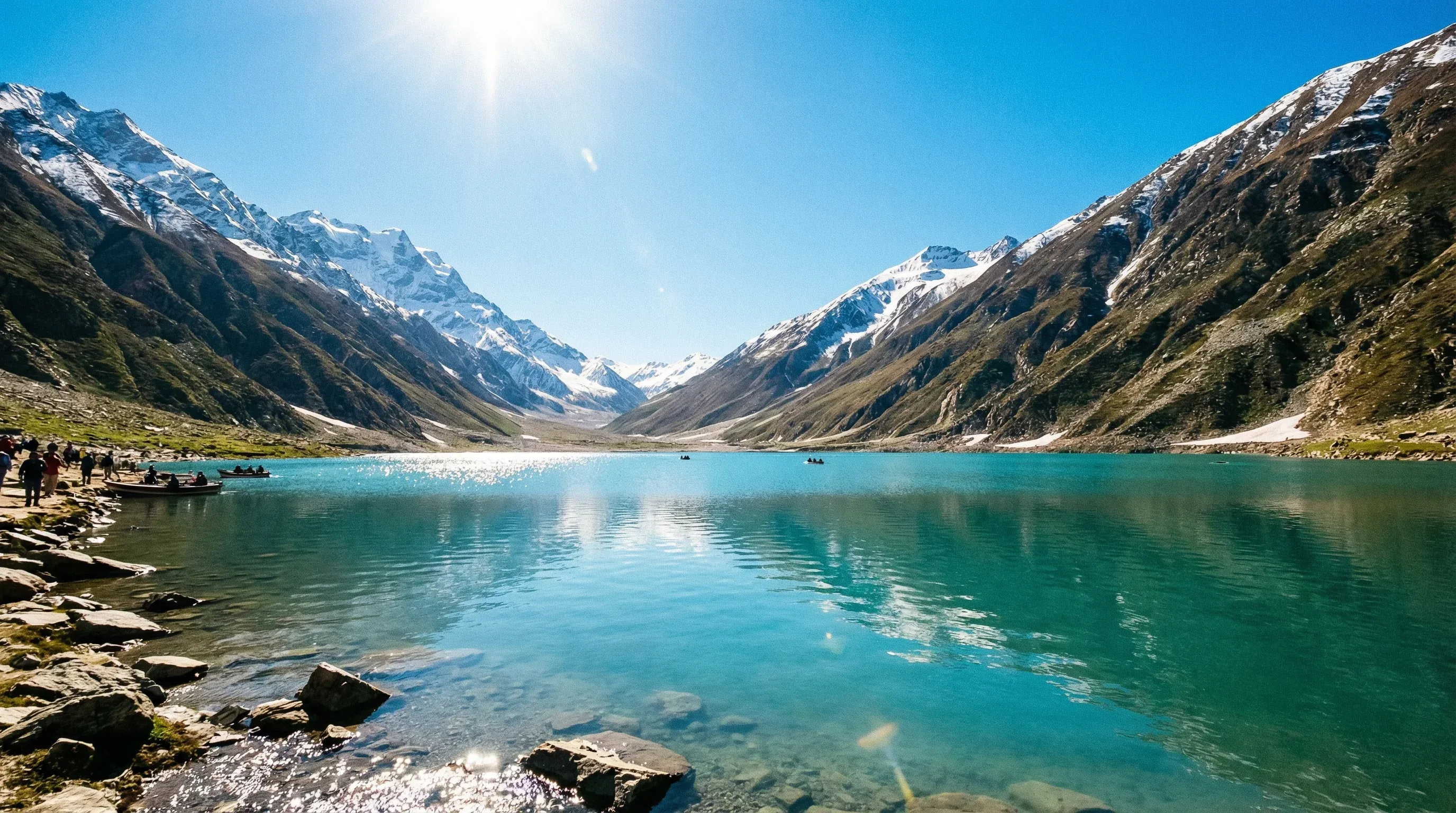
In the north, Lake Saif-ul-Muluk is a bucket-list destination; surrounded by snow-capped peaks, it sits at 3,224 meters and is steeped in folklore about fairies and princes. The Peshawar Museum is widely regarded as having one of the best collections of Gandhara (Buddhist) art in the world. For nature lovers, Ayubia National Park offers the 'Pipeline Track', an easy, flat walking trail through forests that is perfect for families with younger children and strollers.
Practical Advice
Best time to visit: May to September for the mountain valleys. October to March for Peshawar (summers are too hot). Modesty in dress is strictly observed here; women should cover heads.
Food & Drink
Typical meal times: Lunch 1:00 pm to 3:00 pm. Dinner 7:30 pm to 10:00 pm. Eating is communal and portions are huge.
Typical meal costs: Very affordable. A family feast costs PKR 3,000–5,000 (approx. $11–18 USD / €10–16 EUR). Street food is incredibly cheap.
Dietary requirements: This is meat-lover's territory. Vegetarians will struggle outside of daal (lentils) and naan. Nuts (pine nuts, walnuts) are common ingredients.
Signature dishes:
- Chapli Kebab – A massive, flat patty of minced beef heavily spiced with coriander and pomegranate seeds, fried in animal fat.
- Kabuli Pulao – Steamed rice with lamb, sweet carrots, and raisins—a non-spicy dish that children usually love.
- Namak Mandi Karahi – Lamb cooked simply with salt, fat, and green chilies (no tomatoes or spices), famous in Peshawar.
Why this score?
The province offers significant adventure through its alpine valleys, rushing rivers, and high passes like Babusar Top. Travelers face challenging road conditions in the Naran-Kaghan corridor and remote, culturally distinct environments that require a high degree of self-sufficiency.
Why this score?
Peshawar offers several large teaching hospitals and private clinics with decent standards of care. However, in the popular tourist valleys like Swat or Kaghan, medical services are much more basic, and specialized care is hours away via winding mountain roads.
Why this score?
The region is highly popular with domestic tourists seeking the cool climates of Swat and Naran, but international visitor numbers are relatively low. Foreigners who do visit are usually drawn to the ancient Silk Road history of Peshawar or the unique Kalash culture in Chitral.

KP is generally cheaper than Punjab. A mid-range hotel in Swat or Naran costs PKR 8,000–15,000 (approx. $28–54 USD / €26–50 EUR) per night. Food is exceptional value; a kilogram of high-quality lamb karahi costs around PKR 2,800–3,500 (approx. $10–12 USD / €9–11 EUR) and feeds 3-4 people.

Getting Here & Around
Getting Here
- Airports – Bacha Khan International Airport (PEW) serves Peshawar. Many travelers fly into Islamabad and drive.
- Driving – The M1 Motorway connects Islamabad to Peshawar in under 2 hours. The Karakoram Highway (KP Segment) leads north towards the mountains.
- Train – Rail links exist to Peshawar, but they are slow and not recommended for tourists compared to the motorway.
Getting Around
- Private Car – The only practical way for families to explore the valleys (Swat/Naran). Roads can be congested in peak season.
- Jeep – Required for the final leg to Lake Saif-ul-Muluk; the road is rough and steep.
- Rickshaw – Iconic in Peshawar for short hops, but dusty and noisy.
No airports in this region. See the country flight map for nearby connections.

Packing List
Cultural necessity for women in public areas; helps blend in and show respect.
Best for crossing streams and rocky paths around lakes where sneakers might get soaked.
ATMs are unreliable in mountain valleys (Naran/Kaghan); cash is king.
Public restrooms in remote areas often lack water/paper; essential for kids.
Bathtubs or sinks in budget guesthouses often lack plugs; useful for washing kid's clothes.
Essential for women and girls for modesty in bazaars and mandatory for entering mosques.
Power outages (load shedding) are frequent nationwide; keep devices charged.
The mountain roads to Hunza and Skardu are incredibly winding and long.
Hygiene standards vary; soap is not always available in public restrooms.
You will frequently remove shoes at mosques, shrines, and some traditional homes.

Activities & Best Times

Hiking, wildlife, outdoor exploration, ecotourism
Diverse mountain ecosystems in the Swat and Kaghan valleys offer spectacular trekking and wildlife spotting for families. High summer months are subject to monsoons, while winter months see heavy snow blocking many natural access points.

Urban tourism, museums, historical sites, architecture
Peshawar and Swat hold immense historical value with world-class museums and ancient bazaars reflecting Gandharan and Silk Road heritage. Summer months are avoided due to extreme heat in the Peshawar valley, while spring and autumn offer ideal walking weather.

Learning experiences, scientific sites, historical education
Takht-i-Bahi (UNESCO Buddhist ruins) and Peshawar Museum (world-class Gandhara collection) provide genuinely significant educational value beyond 'marginal'. Should be 'good'.

Scenic drives, countryside tours, route-based travel
Home to the legendary Karakoram Highway and Naran-Kaghan routes, providing some of the world's most dramatic mountain scenery. High-altitude passes are typically closed by snow from December to March, with July and August carrying landslide risks due to rains.

Sport tourism, fitness activities, active recreation
High-altitude trekking routes to Ansoo and Dudipatsar Lakes are world-renowned, though they require specific summer windows for safety and access. Facilities like Malam Jabba provide organized outdoor activity infrastructure that is best utilized when alpine trails are clear.

Events, celebrations, seasonal attractions
The high-altitude Shandur Polo Festival and Kalash cultural celebrations offer unique and authentic international-caliber experiences. These events are strictly tied to specific dates in May, July, and December, requiring precise travel planning.

Spa retreats, wellness centers, peaceful getaways
Natural hot springs like Garam Chashma offer authentic wellness opportunities in remote mountain settings. Accessibility is limited during the cold winter months, making the warmer summer period the only practical time for international visitors.

Amusement parks, family entertainment venues
Regional water parks and amusement centers like Nowshera Water World provide local family entertainment during the hot summer season. These facilities are generally modest by international standards and serve primarily as domestic recreational spots.

Attractions (19 total)



Public Holidays & Calendar Next 12 months
Public holidays, festivals, cultural celebrations, and seasonal natural phenomena coming up in Khyber Pakhtunkhwa (Peshawar) over the next 12 months.
Loading holidays and events...

Travel Advisory
The country presents serious safety and security risks. While major urban centers may have established security, the overall threat from terrorism, kidnapping, and regional conflict necessitates a careful evaluation of the necessity of travel.
Safety Topics
Traveller Advice (5 groups)

Ensure you carry valid identification at all times and stay away from political rallies or religious processions. Individuals with dual citizenship should be aware that local authorities may treat them exclusively as local citizens, potentially restricting access to foreign consular services.

Same-sex relationships are not legally recognized and can lead to criminal prosecution. Discretion is strongly advised as public displays of affection or advocacy may provoke hostile reactions.

Aid workers and those involved in humanitarian projects, such as health initiatives, are frequently targeted by extremist groups. Enhanced security protocols and armored transport are often necessary for movement in high-risk provinces.

Those visiting religious sites should check the status of specific corridors and border crossings, as many official routes for pilgrims are currently closed due to regional tensions.

Female visitors are advised to dress conservatively in accordance with local customs and to avoid traveling unaccompanied, particularly after sunset or in less populated areas.
Agency Summaries
The security environment is considered unpredictable with a high potential for terrorist activity and civil disorder. Australians are advised to avoid large gatherings and be aware that consular assistance is severely limited in many regions.
Travelers are urged to re-evaluate their plans because of persistent threats from terrorism, sectarian violence, and organized crime. Non-essential government personnel have been ordered to depart certain areas, and extreme risks exist in Balochistan and Khyber Pakhtunkhwa.
Significant regional escalations and border tensions have led to heightened security measures. Authorities advise against visiting most border areas and specific high-conflict districts, while warning of sudden disruptions to air travel and restricted movement for diplomatic staff.
Visitors should maintain extreme vigilance due to a volatile security landscape characterized by terrorist threats, civil unrest, and the risk of kidnapping. While the national level remains elevated, strict 'do not travel' warnings are in place for border regions and several provinces.
A heightened state of alert is recommended due to the threat of cross-border violence and internal political instability. Travelers should avoid traditional protest sites and remain updated on rapidly changing local conditions.
Due to a pervasive risk of terrorism and kidnapping, travelers should only visit for critical reasons. Security operations are ongoing in several provinces, and there is no resident New Zealand diplomatic representation to provide direct aid.
Information is provided for general guidance only and does not constitute travel, safety, medical, or legal advice. Conditions may change. Users are responsible for independently verifying information before travel.