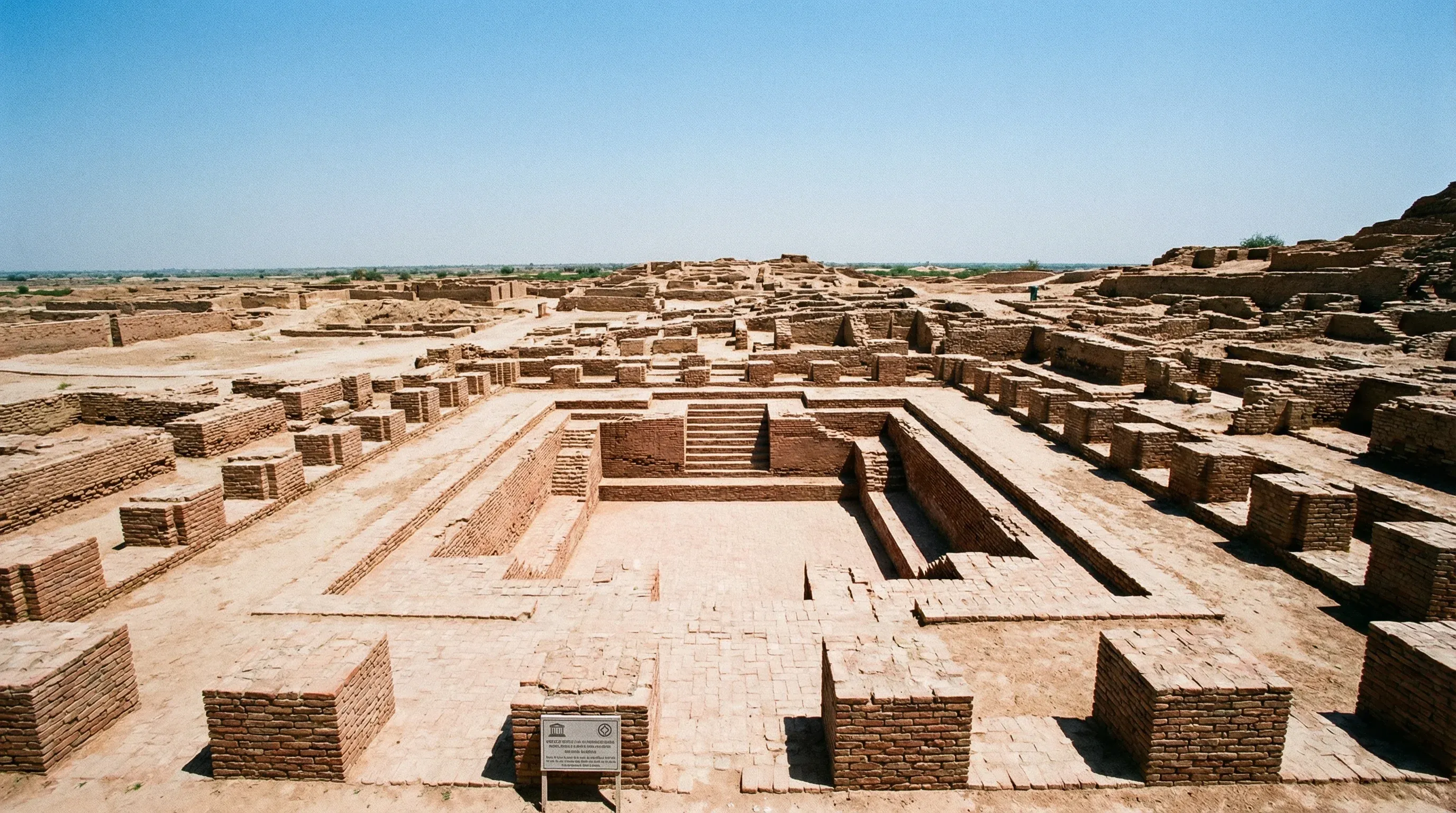

Sindh (Karachi)
The gateway to the Arabian Sea and ancient civilizations 🌊🏺
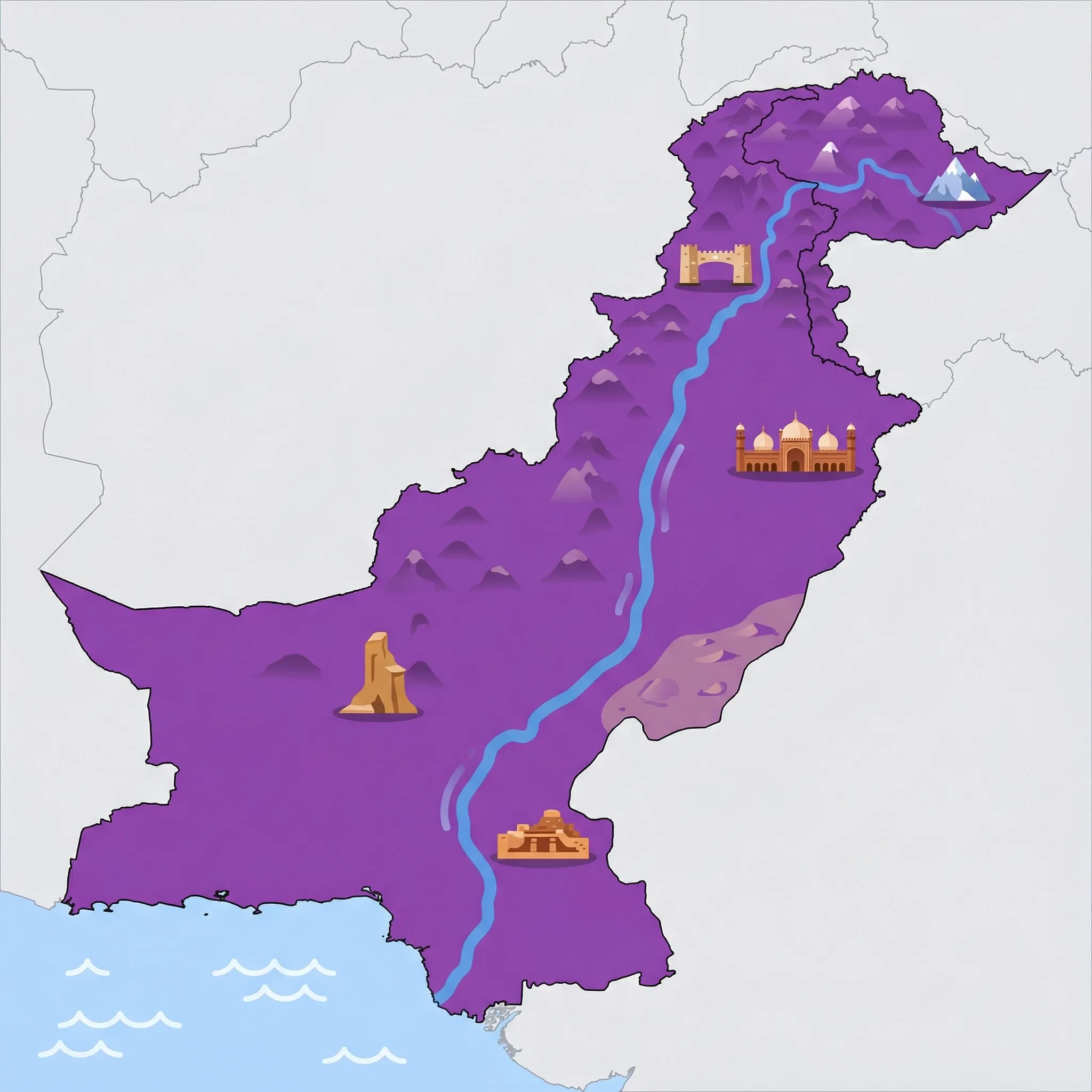
Click a region to explore
⚠️ SAFETY WARNING: Due to high rates of street crime, civil unrest, and potential for terrorism, government agencies (including USA, UK, and AU) advise travelers to reconsider travel to Karachi and parts of Sindh. Visitors should be extremely vigilant in public areas, avoid displaying wealth (phones/cameras), and use trusted private transport. Families should consult their government's official travel advisory for neighborhood-specific guidance.
Overview
Sindh is the land of the Indus, where the mighty river meets the sea. It is a province of Sufi shrines, vast deserts, and Karachi—a chaotic, coastal megalopolis that is the economic engine of Pakistan. For families, Karachi offers a mix of urban excitement and coastal relaxation. The city never sleeps, and its dining scene is legendary, offering everything from roadside bun kebabs to high-end fusion cuisine. The sea breeze (Karachi breeze) makes the evenings pleasant even after hot days.
Beyond the city, the interior of Sindh offers a starkly different experience. It is the cradle of the Indus Valley Civilization, one of the oldest in the world. Visiting these sites provides a profound history lesson for older children. The culture here is deeply rooted in Sufism, music, and art, with colorful Ajrak patterns seen everywhere. While the infrastructure outside Karachi can be basic, the history is world-class.
Key Attractions
The UNESCO World Heritage site of Mohenjo-Daro is a must-visit for its historical significance, showing urban planning from 2500 BCE. In Karachi, the white marble Mazar-e-Quaid (Jinnah Mausoleum) is an architectural icon surrounded by parkland. Families often enjoy Clifton Beach for camel and buggy rides, though the water is not ideal for swimming. The Pakistan Maritime Museum is excellent for kids, featuring a real submarine they can explore. For science lovers, the TDF MagnifiScience Centre is a modern, interactive museum that rivals international standards.
Practical Advice
Best time to visit: November to February. Summers are humid and hot. Karachi does not experience the freezing winters of the north, making it a great winter sun destination.
Food & Drink
Typical meal times: Karachi runs late. Lunch 2:00 pm to 4:00 pm. Dinner often starts at 9:00 pm and goes well past midnight.
Typical meal costs: From ultra-cheap to luxury. A family meal at a nice highway restaurant (Super Highway) costs PKR 4,000–6,000 (approx. $14–21 USD / €13–20 EUR).
Dietary requirements: Seafood is prominent here. Spicy food is the norm; ask for "mild" for children, though it may still have a kick.
Signature dishes:
- Sindhi Biryani – More aromatic and spicy than other versions, loaded with potatoes, dried plums (aloo bukhara), and mint.
- Bun Kebab – The ultimate Karachi street food: a spicy lentil/beef patty fried in egg, served in a soft bun with chutney.
- Palla Fish – A local river fish (Hilsa), traditionally cooked in sand or spiced and fried, a delicacy of the Indus.
Why this score?
While the Thar Desert and Gorakh Hill Station offer some off-road and camping opportunities, much of the tourism is centered around the urban metropolis or the Indus delta. The coastal areas provide some ruggedness, but the infrastructure is more developed than in the northern provinces.
Why this score?
Karachi is home to the Aga Khan University Hospital, widely considered one of the best medical institutions in South Asia. International families can find world-class specialist care and emergency services in the city, though quality drops significantly once traveling into rural Sindh.
Why this score?
Karachi serves as the primary international gateway and a hub for business travelers, though it is not a major leisure tourism destination. Historical sites like Mohenjo-daro and the Makli Necropolis draw small numbers of archaeology enthusiasts, but the region lacks a steady flow of general international tourists.

Karachi has options for every budget. Luxury hotels (Pearl Continental, Marriott) charge PKR 30,000–50,000 (approx. $108–180 USD / €100–165 EUR) per night due to security overheads. However, food is incredibly cheap; a world-class biryani costs less than PKR 600 (approx. $2.15 USD / €2 EUR) per portion.

Getting Here & Around
Getting Here
- Airports – Jinnah International Airport (KHI) is Pakistan's busiest hub with flights from everywhere.
- Train – Karachi Cantonment station is the southern terminus for all major lines, including the luxury Green Line to Islamabad.
- Bus – Luxury buses connect Karachi to the rest of the country via the M9 Motorway.
Getting Around
- Ride-hailing – Uber, Careem, and Indriver are the safest ways for tourists to move around Karachi. Avoid yellow taxis.
- Private Driver – Highly recommended for day trips outside the city to places like Makli Necropolis.
- Auto-Rickshaw – Fun for short distances but negotiate the price beforehand and prepare for noise.
No airports in this region. See the country flight map for nearby connections.
Official Links

Packing List
Street crime (mobile/wallet snatching) is a risk; keep a dummy wallet with small cash handy.
Malaria and Dengue are persistent risks in Karachi and rural Sindh year-round.
Humidity is high (often 70-80%); synthetic fabrics become very uncomfortable very quickly.
Essential before eating street food, as running water isn't always available at stalls.
Bathtubs or sinks in budget guesthouses often lack plugs; useful for washing kid's clothes.
Essential for women and girls for modesty in bazaars and mandatory for entering mosques.
Power outages (load shedding) are frequent nationwide; keep devices charged.
The mountain roads to Hunza and Skardu are incredibly winding and long.
Hygiene standards vary; soap is not always available in public restrooms.
You will frequently remove shoes at mosques, shrines, and some traditional homes.

Activities & Best Times

Urban tourism, museums, historical sites, architecture
Contains 2 UNESCO World Heritage Sites (Moenjodaro, Makli) plus the Historic Monuments at Makli complex. This UNESCO density rivals top cultural destinations globally. Should be elevated to 'excellent'.

Hiking, wildlife, outdoor exploration, ecotourism
Features unique ecosystems like the Indus River delta, Kirthar National Park, and critical marine turtle nesting grounds on the Arabian Sea coast. Visitation is strictly seasonal due to the intense Thar Desert heat and monsoon conditions from April through September.

Scenic drives, countryside tours, route-based travel
The Makran Coastal Highway and the route to Nagarparkar offer spectacular, world-class desert and coastal scenery for adventurous families. Winter months provide the necessary clear visibility and safe temperatures for long-distance driving across arid landscapes.

Beach resorts, marine activities: diving, snorkelling, kite surfing, wind surfing, sailing
While Karachi offers expansive beaches like Hawke's Bay and Manora, infrastructure lacks the world-class luxury of international resorts. The Arabian Sea is best enjoyed in winter when waters are calm and temperatures are mild; summer brings rough monsoon swells and unsafe swimming conditions.

Sport tourism, fitness activities, active recreation
Offers unique hiking at Ranikot Fort and niche activities like karting, though specialized tourist infrastructure is limited. Activities are highly weather-dependent, with peak months being the only viable time for strenuous outdoor exertion due to Sindh's high heat index.

Attractions (19 total)



Public Holidays & Calendar Next 12 months
Public holidays, festivals, cultural celebrations, and seasonal natural phenomena coming up in Sindh (Karachi) over the next 12 months.
Loading holidays and events...

Travel Advisory
The country presents serious safety and security risks. While major urban centers may have established security, the overall threat from terrorism, kidnapping, and regional conflict necessitates a careful evaluation of the necessity of travel.
Safety Topics
Traveller Advice (5 groups)

Ensure you carry valid identification at all times and stay away from political rallies or religious processions. Individuals with dual citizenship should be aware that local authorities may treat them exclusively as local citizens, potentially restricting access to foreign consular services.

Same-sex relationships are not legally recognized and can lead to criminal prosecution. Discretion is strongly advised as public displays of affection or advocacy may provoke hostile reactions.

Aid workers and those involved in humanitarian projects, such as health initiatives, are frequently targeted by extremist groups. Enhanced security protocols and armored transport are often necessary for movement in high-risk provinces.

Those visiting religious sites should check the status of specific corridors and border crossings, as many official routes for pilgrims are currently closed due to regional tensions.

Female visitors are advised to dress conservatively in accordance with local customs and to avoid traveling unaccompanied, particularly after sunset or in less populated areas.
Agency Summaries
The security environment is considered unpredictable with a high potential for terrorist activity and civil disorder. Australians are advised to avoid large gatherings and be aware that consular assistance is severely limited in many regions.
Travelers are urged to re-evaluate their plans because of persistent threats from terrorism, sectarian violence, and organized crime. Non-essential government personnel have been ordered to depart certain areas, and extreme risks exist in Balochistan and Khyber Pakhtunkhwa.
Significant regional escalations and border tensions have led to heightened security measures. Authorities advise against visiting most border areas and specific high-conflict districts, while warning of sudden disruptions to air travel and restricted movement for diplomatic staff.
Visitors should maintain extreme vigilance due to a volatile security landscape characterized by terrorist threats, civil unrest, and the risk of kidnapping. While the national level remains elevated, strict 'do not travel' warnings are in place for border regions and several provinces.
A heightened state of alert is recommended due to the threat of cross-border violence and internal political instability. Travelers should avoid traditional protest sites and remain updated on rapidly changing local conditions.
Due to a pervasive risk of terrorism and kidnapping, travelers should only visit for critical reasons. Security operations are ongoing in several provinces, and there is no resident New Zealand diplomatic representation to provide direct aid.
Information is provided for general guidance only and does not constitute travel, safety, medical, or legal advice. Conditions may change. Users are responsible for independently verifying information before travel.