
Dakar & Cap-Vert Peninsula
West Africa's vibrant cultural capital 🇸🇳🎨
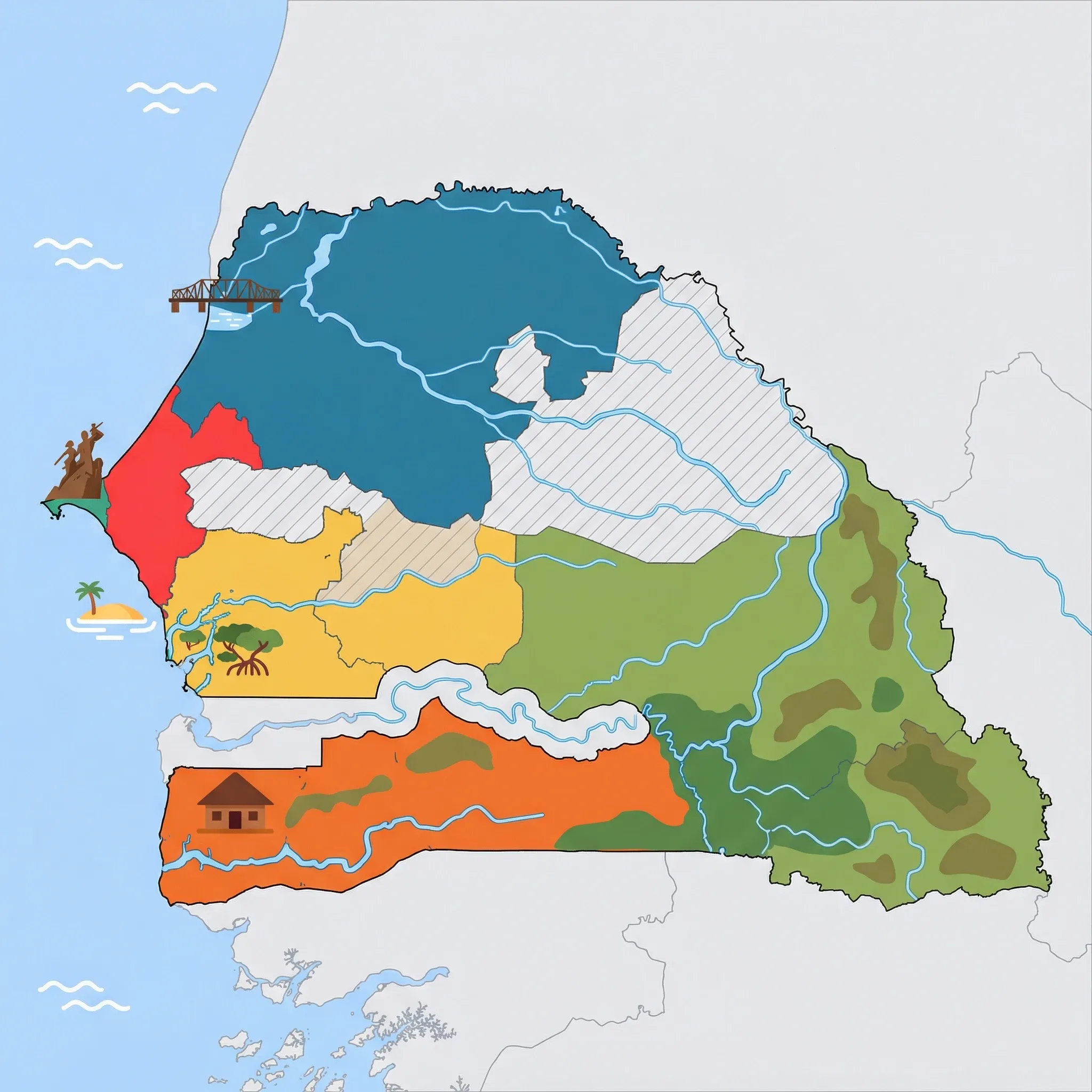
Click a region to explore
Overview
Dakar is a sensory explosion that can be intense but rewarding for adventurous families. As the westernmost city on the African mainland, it is a sprawling metropolis where horse-drawn carts share the road with shiny SUVs. The peninsula is surrounded by the Atlantic Ocean, meaning a cooling breeze often tempers the heat. For children, the city offers a fascinating introduction to modern West Africa, blending French colonial architecture, vibrant markets, and a thriving art scene. It is loud, colorful, and full of life.
Beyond the traffic of the city center (Plateau), the coastal suburbs offer breathing room. The Corniche Ouest provides stunning ocean views and walking paths, while the nearby islands serve as peaceful escapes from the urban buzz. Whether it's visiting world-class museums or playing on the beach at Yoff, Dakar requires patience to navigate but delivers rich cultural experiences that leave a lasting impression on young minds.
Key Attractions
No trip to Dakar is complete without the ferry ride to Gorée Island. This car-free UNESCO site is incredibly atmospheric with its pastel-colored colonial houses and bougainvillea. The House of Slaves (Maison des Esclaves) is a somber but essential history lesson for older children, while the island's safe, pedestrianized streets allow younger kids to run freely.
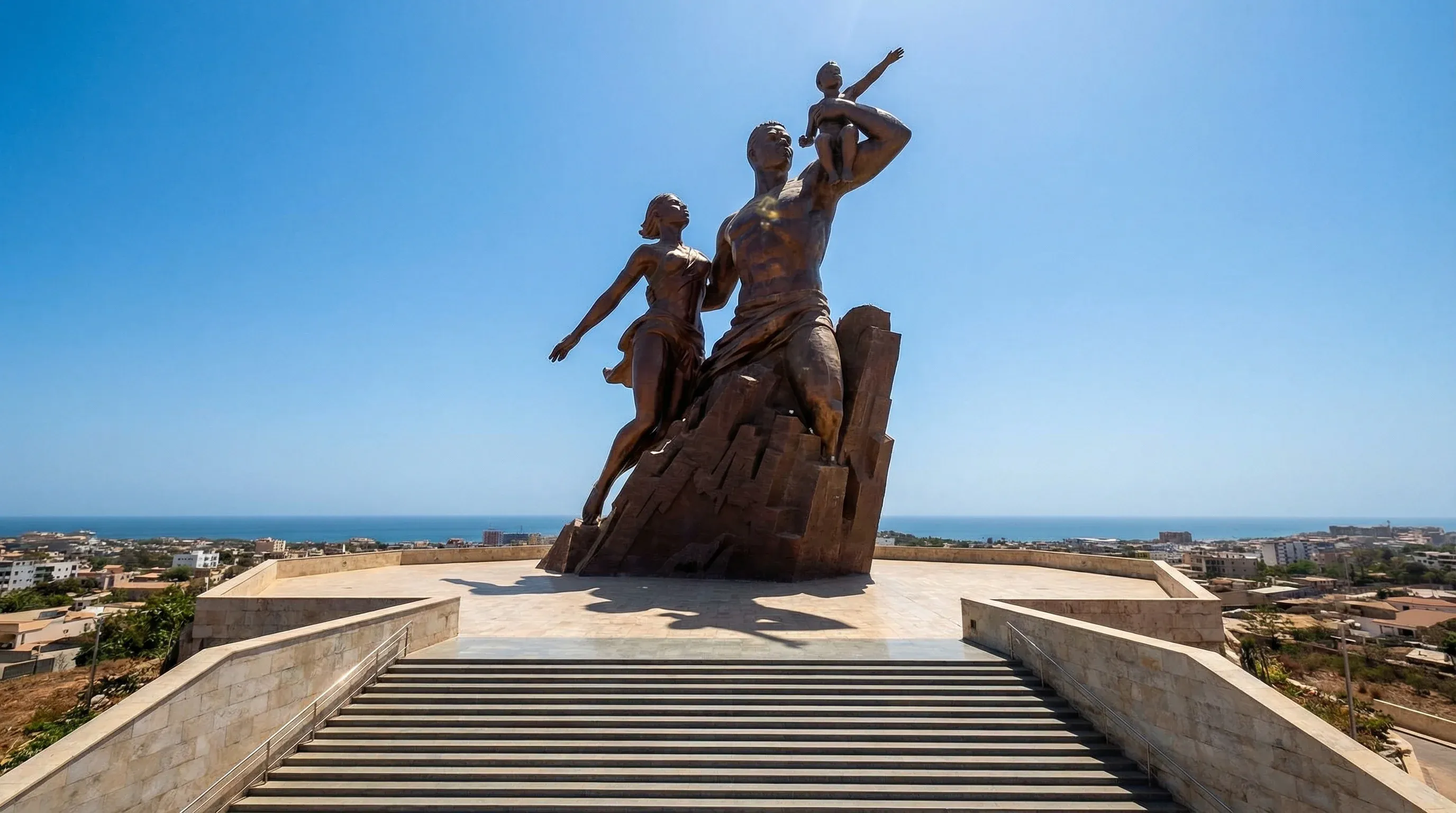
Back on the mainland, the African Renaissance Monument is a hit with kids simply due to its scale—it is taller than the Statue of Liberty. Climbing the stairs offers a physical challenge and great views. For a nature break within the city, Hann Forest Park and Zoo offers a green sanctuary with botanical gardens and a small zoo, providing a much-needed respite from the city noise.
Practical Advice
Traffic in Dakar is notorious; allow double the time you think you need to get anywhere, especially during rush hours (8:00 am–10:00 am and 5:00 pm–8:00 pm). The best time to visit is November to May when the weather is dry and cooler.
Food & Drink
Typical meal times: Lunch is the main meal of the day, eaten between 1:00 pm and 2:30 pm. Dinner is served late, typically from 8:30 pm onwards.
Typical meal costs: Dakar is the most expensive region. A nice sit-down dinner ranges from 10,000–18,000 XOF (approx. $16–30 USD / €15–27 EUR). Street food is cheap, but hygiene varies.
Dietary requirements: Vegetarian options are growing in Dakar's modern cafes (Almadies area). Traditional Senegalese food relies heavily on fish and meat stocks, so strict vegans need to ask specifically about the base of sauces.
Signature dishes:
- Thieboudienne (Ceebu Jën) – The national dish of fish, rice, and vegetables cooked in a tomato base. It is spicy, filling, and found everywhere.
- Yassa Poulet – Chicken marinated in a rich onion and lemon sauce, usually grilled and very approachable for children.
- Dibi – Seasoned grilled lamb served with mustard and onions on greaseproof paper, a popular evening street food.
Why this score?
Adventure here is primarily urban, involving navigating bustling markets and traffic-heavy streets. While surfing at N'Gor and exploring the Pink Lake provide some outdoor activity, the region is largely developed and lacks true wilderness.
Why this score?
Dakar hosts Senegal's best medical infrastructure, including Hôpital Principal and several private clinics like Clinique de la Madeleine that cater to expats. While the best in the country, services still face language barriers and quality gaps compared to European or North American standards.
Why this score?
As the primary international gateway, Dakar sees a high volume of business travelers and cultural tourists visiting Gorée Island and the African Renaissance Monument. While iconic in West Africa, it lacks the massive leisure tourist volume of global hubs like Bangkok or Dubai.

Dakar is significantly more expensive than the rest of the country. A mid-range hotel in Almadies or Plateau costs 60,000–100,000 XOF (approx. $100–165 USD / €90–150 EUR). Imported goods in supermarkets are priced similarly to Europe. However, taxis remain affordable, with most cross-town trips costing 2,000–4,000 XOF (approx. $3.30–6.60 USD / €3–6 EUR).

Getting Here & Around
Getting Here
- Airports – Blaise Diagne International Airport (DSS) is the main entry point, located about 50km (1 hour) from downtown Dakar.
- Train – The TER (Regional Express Train) is a modern, clean, and fast link connecting Dakar station to Diamniadio, with bus connections to the airport.
- Taxi – Licensed taxis (yellow and black) are available everywhere but require haggling. Ride-hailing apps are increasingly popular and safer for fixed prices.
Getting Around
- Taxi – The easiest way for families. Yellow taxis are ubiquitous; always agree on the price before getting in.
- Ferry – Essential for reaching Gorée Island (departs from the main port) and N'Gor Island (departs from N'Gor beach).
- Walking – Only recommended in specific areas like Gorée Island or the Corniche; city sidewalks are often crowded or non-existent.
No airports in this region. See the country flight map for nearby connections.
Official Links

Packing List
The 'Harmattan' wind can bring heavy dust from the Sahara, and city pollution is high.
Senegal is a conservative country; cover shoulders/knees when away from hotel pools.
Essential for eating street food or after handling cash in busy markets.
Many hotels have limited outlets; a multi-plug is useful for charging family devices.
Power cuts are common even in hotels; red light keeps bugs away.
Hotel nets often have small holes; a needle and thread or patches ensure safety.
English is rarely spoken outside major hotels; basic French is essential for drivers.
Essential for spotting wildlife at Bandia and birds at Djoudj.
Useful for wet bathrooms and dusty, sandy streets where shoes are removed often.

Activities & Best Times

Urban tourism, museums, historical sites, architecture
A premier West African cultural hub featuring the UNESCO-listed Gorée Island and the world-class Museum of Black Civilizations. Peak visitation aligns with the cooler, dry Harmattan season, providing the best conditions for walking tours of the historic Plateau district.

Hiking, wildlife, outdoor exploration, ecotourism
Features extraordinary natural sites like the pink waters of Lake Retba and the volcanic cliffs of Les Mamelles. The dry season provides comfortable temperatures for exploring coastal trails and forest parks, while August and September bring excessive heat and heavy rainfall.

Sport tourism, fitness activities, active recreation
Highly regarded for its surfing at N'Gor Right and the dedicated mountain bike trails around Lac Rose. Surfing conditions are at their international peak with northern swells from November to March, while summer heat makes active sport difficult.

Beach resorts, marine activities: diving, snorkelling, kite surfing, wind surfing, sailing
Dakar offers unique island beach experiences at N'Gor and Gorée, known for world-class surfing and clear Atlantic waters during the dry season. The summer months are less ideal due to high humidity and the peak of the rainy season which can cause water quality issues.

Learning experiences, scientific sites, historical education
Offers profound historical learning at the House of Slaves and unique marine biology at the IFAN Marine Museum. These sites provide internationally significant educational narratives, though accessibility to Gorée Island is most reliable outside the stormy rainy season.

Scenic drives, countryside tours, route-based travel
The Corniche Ouest offers one of West Africa's most scenic urban drives, and the peninsula serves as the starting point for routes to the Petite Côte. Visibility and road conditions are optimal during the dry months, whereas rainy season downpours can lead to urban flooding.

Events, celebrations, seasonal attractions
Anchored by Dak'Art, the Biennale of Contemporary African Art, which is a major global event but occurs only once every two years. Peak months reflect the typical schedule of this internationally recognized cultural festival.

Amusement parks, family entertainment venues
Limited to regional-standard facilities like the Piscine Olympique, which serves as a notable local leisure hub but lacks international destination-level attractions. Best visited during warm, non-rainy months when aquatic facilities are most appealing.

Attractions (9 total)



Public Holidays & Calendar Next 12 months
Public holidays, festivals, cultural celebrations, and seasonal natural phenomena coming up in Dakar & Cap-Vert Peninsula over the next 12 months.
Loading holidays and events...

Travel Advisory
The majority of international agencies recommend exercising a high degree of caution throughout Senegal. While the country is generally stable, risks from street crime, civil unrest, and regional instability near borders warrant increased vigilance.
Safety Topics
Traveller Advice (5 groups)

Be aware that quality medical facilities are largely concentrated in the capital, Dakar. Access to specialized healthcare is extremely limited in rural and inland regions.

Local customs are conservative; it is recommended to dress modestly and avoid walking alone after dark, particularly in isolated areas.

Ensure you have comprehensive travel insurance that covers medical evacuation. Register your travel plans with your national consulate and maintain a high level of personal security awareness in public spaces.

Same-sex relations are criminalized and can lead to imprisonment. Societal discrimination is significant, and discretion is advised as public displays of affection may attract negative attention or legal consequences.

Extreme caution is required in remote border regions near Mali and Mauritania, where there is a documented risk of kidnapping by extremist groups targeting Westerners.
Agency Summaries
A high level of caution is advised because of the risk of civil unrest and common crime. Public health concerns also exist, including a reported outbreak of Rift Valley Fever in multiple regions, including Dakar.
Visitors should be particularly alert to street crime in urban areas like Dakar. It is recommended to avoid travel within 25 kilometers of the borders with Mali and Mauritania due to the threat of extremist activity and kidnapping.
The overall security situation is stable, but there is an underlying threat of terrorism and potential for civil unrest. Authorities advise against travel to certain border regions and the Casamance province due to ongoing security risks.
Travellers should remain highly vigilant due to prevalent crime. There are specific regional warnings advising against non-essential travel to the Casamance region (excluding Ziguinchor and Cap Skirring) and areas near the border with Mali due to security concerns.
Increased vigilance is required due to the risk of violent crime, including armed robberies, and the frequency of public demonstrations that can turn violent. Regional restrictions are in place for the eastern border and Casamance.
While the country is generally safe, visitors should be aware of heightened risks in certain areas. Increased caution is recommended in the Casamance region due to crime and the presence of landmines. Avoid showing signs of wealth to minimize the risk of petty theft.
Information is provided for general guidance only and does not constitute travel, safety, medical, or legal advice. Conditions may change. Users are responsible for independently verifying information before travel.