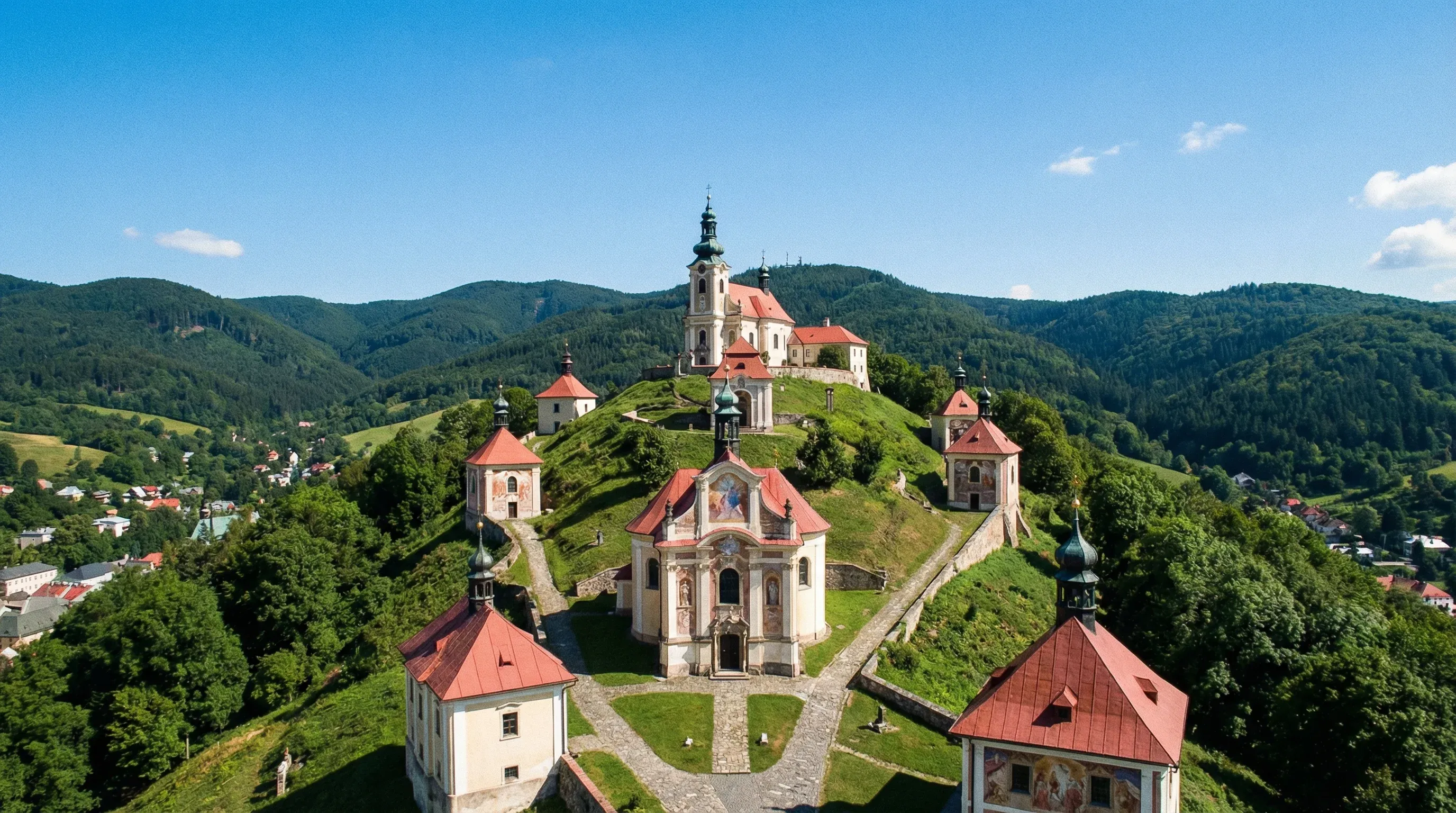

Central Slovakia (Banská Štiavnica, Low Tatras)
Where ancient volcanoes meet deep forests 🌲⚒️
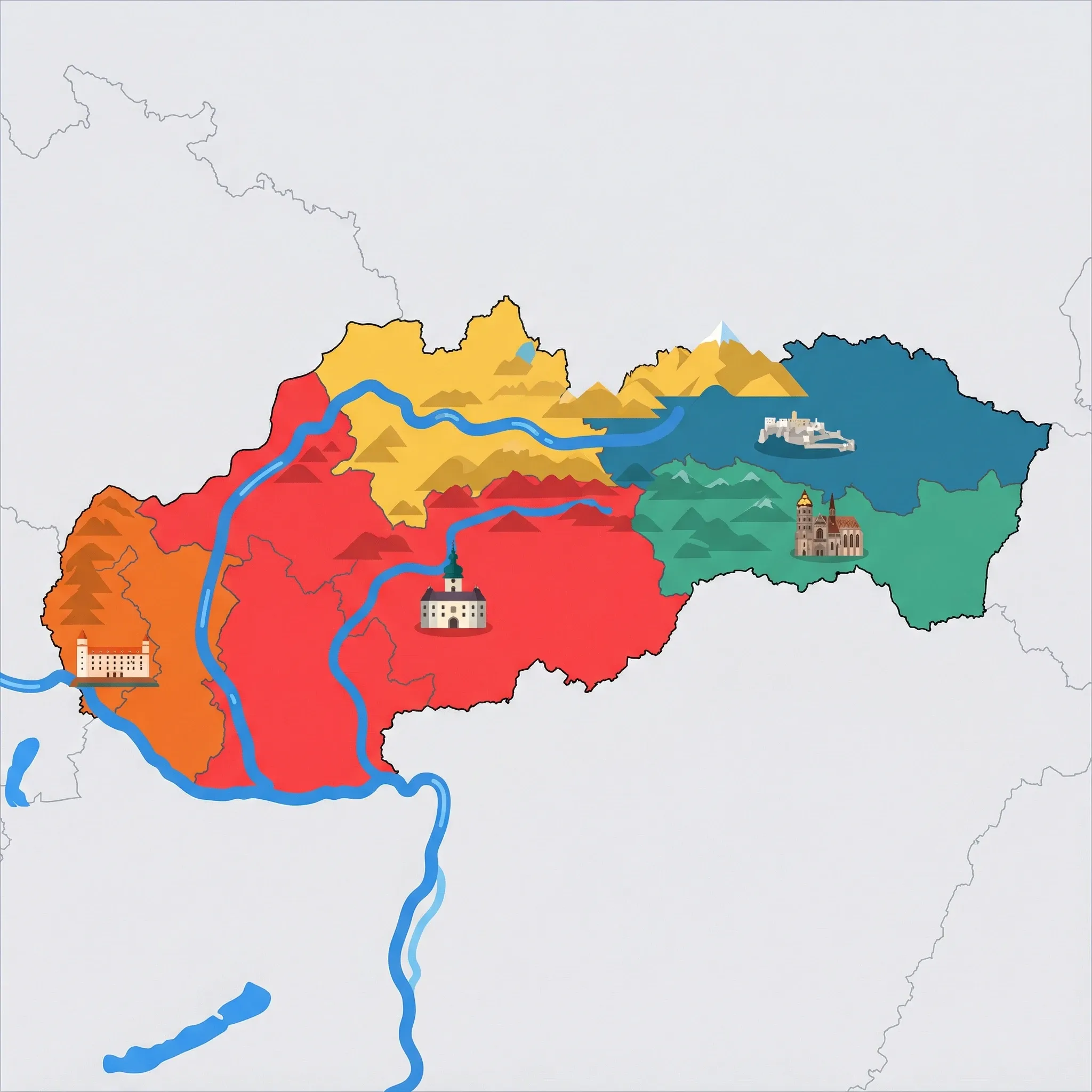
Click a region to explore
Central Slovakia is a region of dramatic contrasts, where ancient mining history is nestled within vast, untouched wilderness. Dominated by the Low Tatras National Park (NAPANT) to the north and the volcanic Štiavnica Mountains to the south, this area is an outdoor playground for active families. The landscape is defined by dense spruce forests, rolling alpine meadows, and deep valleys that hide some of the country's most significant historical treasures. Unlike the jagged granite peaks of the High Tatras, the Low Tatras offer grassy, windswept ridges that are more accessible for family hiking, while the southern mining towns feel like open-air museums frozen in time. The region has a rugged, authentic character; it feels less manicured than the main tourist hubs, offering a sense of genuine discovery.
For children, Central Slovakia is an adventure story come to life. They can descend into medieval mine shafts equipped with helmets and lamps, ride heritage trains through mountain passes, or explore traditional wooden villages that look exactly as they did a century ago. The culture here is deeply rooted in folklore and mining traditions. In winter, the region transforms into a premier ski destination with family-friendly slopes, while summer brings opportunities for swimming in 'tajchy'—artificial lakes originally built for mining operations but now used for recreation. It is a place where education and physical activity blend seamlessly; kids learn about geology and history simply by exploring the landscape.
Key Attractions
The crown jewel of the region is the UNESCO-listed town of Banská Štiavnica. Families should visit the Banská Štiavnica Calvary, a complex of churches and chapels on a hill that offers a short but rewarding hike with incredible views over the caldera. Nearby, the Old Castle provides a history lesson in fortification against Ottoman raids. Just a short drive away lies Počúvadlo Lake, one of the famous mining lakes, perfect for a refreshing dip or a paddle boat ride in summer.
Heading north to the mountains, Chopok Peak is a must-visit. Modern cable cars from both the north and south sides make reaching this 2,024m summit easy for families of all ages, offering alpine views that usually require hours of strenuous hiking. Deep beneath the mountains lies the Demänovská Cave of Liberty, a spectacular show cave filled with stalactites and underground waterfalls that fascinates children. For a glimpse into rural history, the Vlkolínec UNESCO Village is a remarkably preserved settlement of colourful log houses where people still live today, offering a tangible connection to the past.
Practical Advice
A car is highly recommended for this region as public transport between the mountains and mining towns can be infrequent. The weather in the mountains can be unpredictable; always carry rain gear and warm layers, even in summer. The 'tajchy' lakes can be cold, so swim only on warm days. In winter, book accommodation well in advance as ski resorts like Jasná fill up quickly.
Food & Drink
Typical meal times: Lunch is served from 12:00 pm to 2:30 pm. Dinner is generally earlier in rural areas and mountain resorts, from 6:00 pm to 8:30 pm.
Typical meal costs: Family dining is affordable here. A main meal costs €8–15 (approx. $8.50–16 USD / £7–13 GBP). A half-litre of Kofola (local cola) costs around €1.50–2.50 (approx. $1.60–2.70 USD / £1.30–2.15 GBP).
Dietary requirements: Options can be limited in traditional "Salaš" (shepherd huts). Vegetarians can rely on cheese dumplings or fried cheese, but vegans may struggle outside of major towns like Banská Bystrica.
Signature dishes:
- Halušky s bryndzou – The regional staple; small potato dumplings with strong sheep cheese and bacon.
- Cesnačka – Creamy garlic soup often served in a hollowed-out loaf of bread; great for warming up after hiking.
- Lokše – Potato flatbreads, served either savoury with duck fat or sweet with poppy seeds and jam.
- Kofola – A herbal cola soft drink on tap everywhere; the beloved local alternative to Coke/Pepsi.
Why this score?
The Low Tatras offer substantial outdoor opportunities, including extensive ridge hiking and winter sports, while the medieval mines of Banská Štiavnica provide unique underground exploration. While rugged, the presence of major resorts like Donovaly ensures that the infrastructure remains family-friendly and accessible.
Why this score?
Banská Bystrica provides very good regional healthcare with a major teaching hospital that serves as a trauma center for the mountain resorts. While rural areas are further from these facilities, the overall quality of care for tourists is reliable and modern.
Why this score?
This region is a major draw for domestic and regional tourists from Poland, Hungary, and Czechia, particularly for skiing at Jasná and visiting the UNESCO-listed Banská Štiavnica. However, it remains largely off the radar for global travelers compared to Western European mountain resorts.

Central Slovakia offers excellent value. Accommodation in guest houses (penzión) costs €50–80 (approx. $54–86 USD / £43–68 GBP) per night for a family room. Ski passes in Jasná are expensive (comparable to the Alps), but summer activities and food remain cheap. A hearty lunch in a shepherd's hut costs €6–10 (approx. $6.50–11 USD / £5–8.50 GBP).
Family Travel Notice
Minors traveling alone or with only one parent should carry notarized written consent from the non-traveling parent(s) to avoid being blocked from exiting the country.

Getting Here & Around
Getting Here
- Driving – The region is centrally located. Banská Bystrica is about a 2-hour drive from Bratislava via the R1 expressway. The drive offers scenic views as you approach the mountains.
- Train – Fast trains connect Bratislava to Zvolen and Banská Bystrica (approx. 3 hours). From there, local connections or buses are needed to reach resorts like Donovaly or towns like Banská Štiavnica.
- Bus – Direct buses run to major towns, but reaching specific trailheads or the Demänovská Cave of Liberty usually requires a transfer in Liptovský Mikuláš.
Getting Around
- Car – Essential for flexibility. Scenic drives like the Čertovica Mountain Pass and Slovak Route 66 (Horehronie Section) are attractions in themselves but can be winding and steep.
- Cable Cars – The easiest way to ascend the mountains. The lift system to Chopok Peak connects the north and south sides of the mountain range.
- Mountain Train – In summer, the historic Čiernohronská railway (near Brezno) is a fantastic family attraction, though it requires a car to reach the station.
No airports in this region. See the country flight map for nearby connections.
Official Links

Packing List
Roads in mining areas and mountain passes are extremely twisty
Useful for exploring unlit castle ruins or mining tunnels
The banks of mining lakes (tajchy) can be rocky and slippery
Forest ticks are very common and can carry TBE; essential for any nature walks.
It is polite and expected to remove outdoor shoes when entering Slovak homes or small guesthouses.
Cave tours are a constant 7°C year-round, and mountain weather drops quickly even in July.
Some older thermal pools and swimming baths still strictly require caps for hygiene.
Roads in the Tatras and Fatra mountains are scenic but very winding.

Activities & Best Times

Hiking, wildlife, outdoor exploration, ecotourism
Home to the Low Tatras National Park and the legendary Path of the Heroes of the SNP, offering rugged wilderness and extensive trail networks. Peak summer months provide the best accessibility for high-altitude trekking, while spring and late autumn can be hampered by mud or early snow.

Urban tourism, museums, historical sites, architecture
Banská Štiavnica is a preserved UNESCO site offering an authentic glimpse into medieval mining wealth with its distinctive architecture and 'tajchs'. Late spring through early autumn is ideal for exploring the steep, atmospheric streets and castle complexes.

Sport tourism, fitness activities, active recreation
The region features the 'Bajkom k tajchom' cycling network and major outdoor activity centers in Donovaly catering to active families. Summer offers optimal conditions for the purpose-built bike trails and alpine coasters that define the region's active tourism.

Learning experiences, scientific sites, historical education
The Open-Air Mining Museum and Museum of Coins and Medals provide world-class insights into Central Europe's industrial heritage. Most educational sites are best visited when historical outdoor mining sites are accessible and guided tours are at full frequency.

Spa retreats, wellness centers, peaceful getaways
Unique thermal experiences like the Parenica Cave Bath offer natural mineral-rich waters in a historic setting. While available year-round, these wellness facilities are most appealing during the colder winter months as a restorative escape from the alpine climate.

Scenic drives, countryside tours, route-based travel
Scenic mountain passes like Donovaly and Čertovica offer spectacular alpine views and well-maintained winding roads. Spring and autumn provide the best visibility and most dramatic colors for touring the Horehronie section of the Slovak Route 66.

Winter sports, ski resorts, snow activities
Jasná and Donovaly are solid regional ski resorts but calling them 'premier European ski destinations' overstates their international standing. They lack the vertical drop, guaranteed snow, and global reputation of Austrian, Swiss, French, or Italian premier resorts. Appropriate for national/regional significance but not European elite.

Amusement parks, family entertainment venues
Features unique fairytale-themed villages like Habakuky and Donovalkovo that offer high-quality, culturally-themed family entertainment. These outdoor venues are primarily seasonal, peaking during the warm summer school holidays.

Attractions (24 total)



Public Holidays & Calendar Next 12 months
Public holidays, festivals, cultural celebrations, and seasonal natural phenomena coming up in Central Slovakia (Banská Štiavnica, Low Tatras) over the next 12 months.
Loading holidays and events...

Travel Advisory
All major agencies agree that Slovakia is a safe destination requiring only standard safety awareness. There are no significant nationwide threats to travelers.
Safety Topics
Traveller Advice (4 groups)

Exercise caution when walking alone at night and use reputable, licensed taxi services rather than hailing cars on the street.

Minors traveling alone or with only one parent should carry notarized written consent from the non-traveling parent(s) to avoid being blocked from exiting the country.

Carry identification at all times as police may request it. Ensure you register with local authorities if staying in private accommodation for more than a few days.

While legal, same-sex relationships are not recognized via marriage or civil unions. Public displays of affection may attract negative attention, and travelers should be aware of a 2022 attack on an LGBTQ+ venue in Bratislava.
Agency Summaries
Most visits are trouble-free. Travelers should be mindful of potential overcharging by taxis and remain vigilant in crowded areas following a previous terrorist incident in 2022.
Slovakia is considered a safe destination for visitors. Travelers are advised to follow standard safety routines, enroll in the Smart Traveler Enrollment Program (STEP), and stay away from political gatherings or demonstrations.
Travelers should maintain a standard level of safety awareness as they would in Canada. Be particularly alert for petty crime and pickpocketing in Bratislava's tourist centers and on public transportation.
Maintain a common-sense approach to safety. Note that the European Entry/Exit System (EES) is being implemented, which may cause border delays. Avoid travel from Slovakia into neighboring Ukraine due to the ongoing conflict.
No specific warning is in place. Visitors are advised to respect local registration laws if staying long-term and to be aware of occasional livestock disease outbreaks near the borders that may increase vehicle inspections.
Slovakia is generally safe. Key concerns for visitors include petty crime like drink spiking and car theft. Protests occur occasionally and should be avoided to prevent disruption or safety risks.
Information is provided for general guidance only and does not constitute travel, safety, medical, or legal advice. Conditions may change. Users are responsible for independently verifying information before travel.