
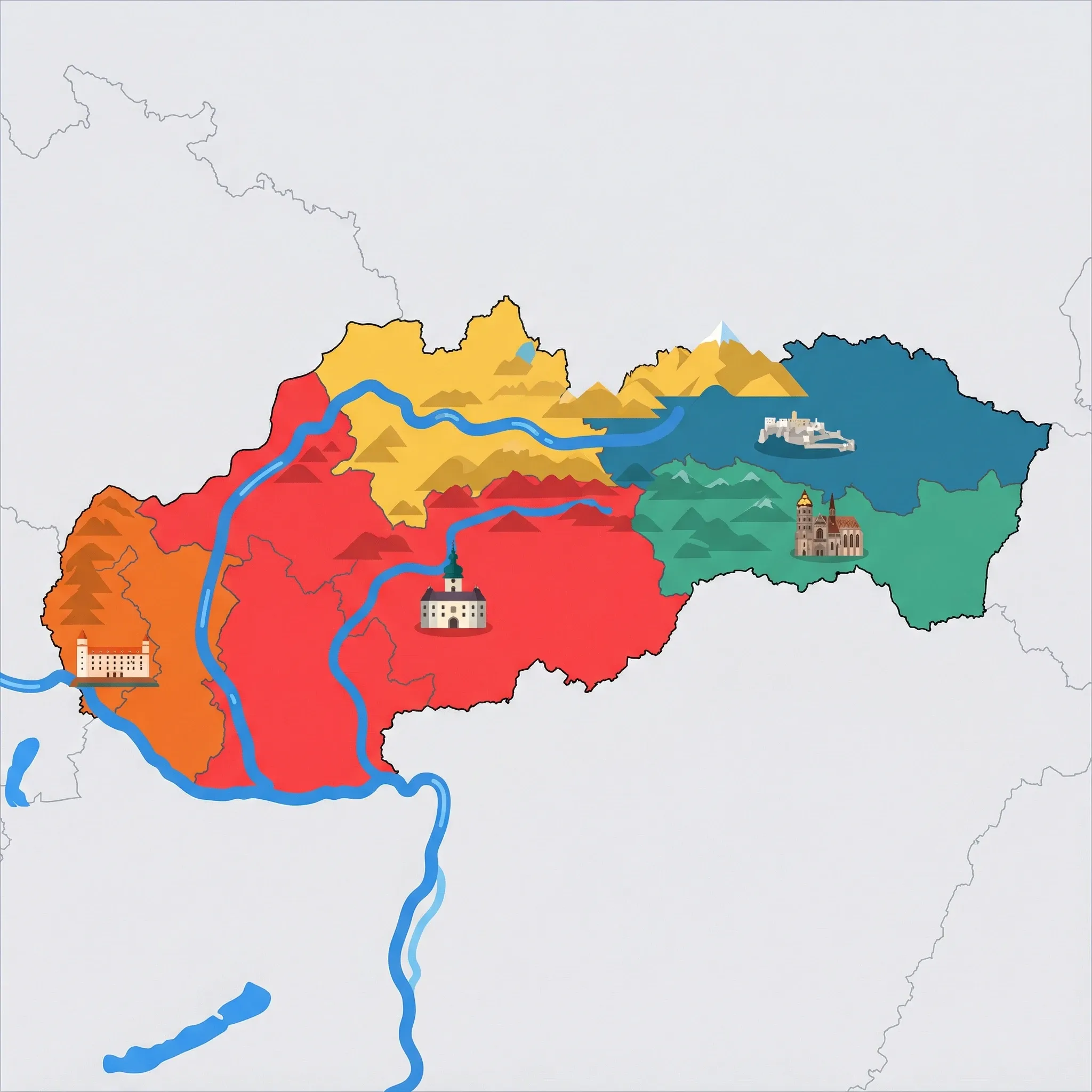
Click a region to explore
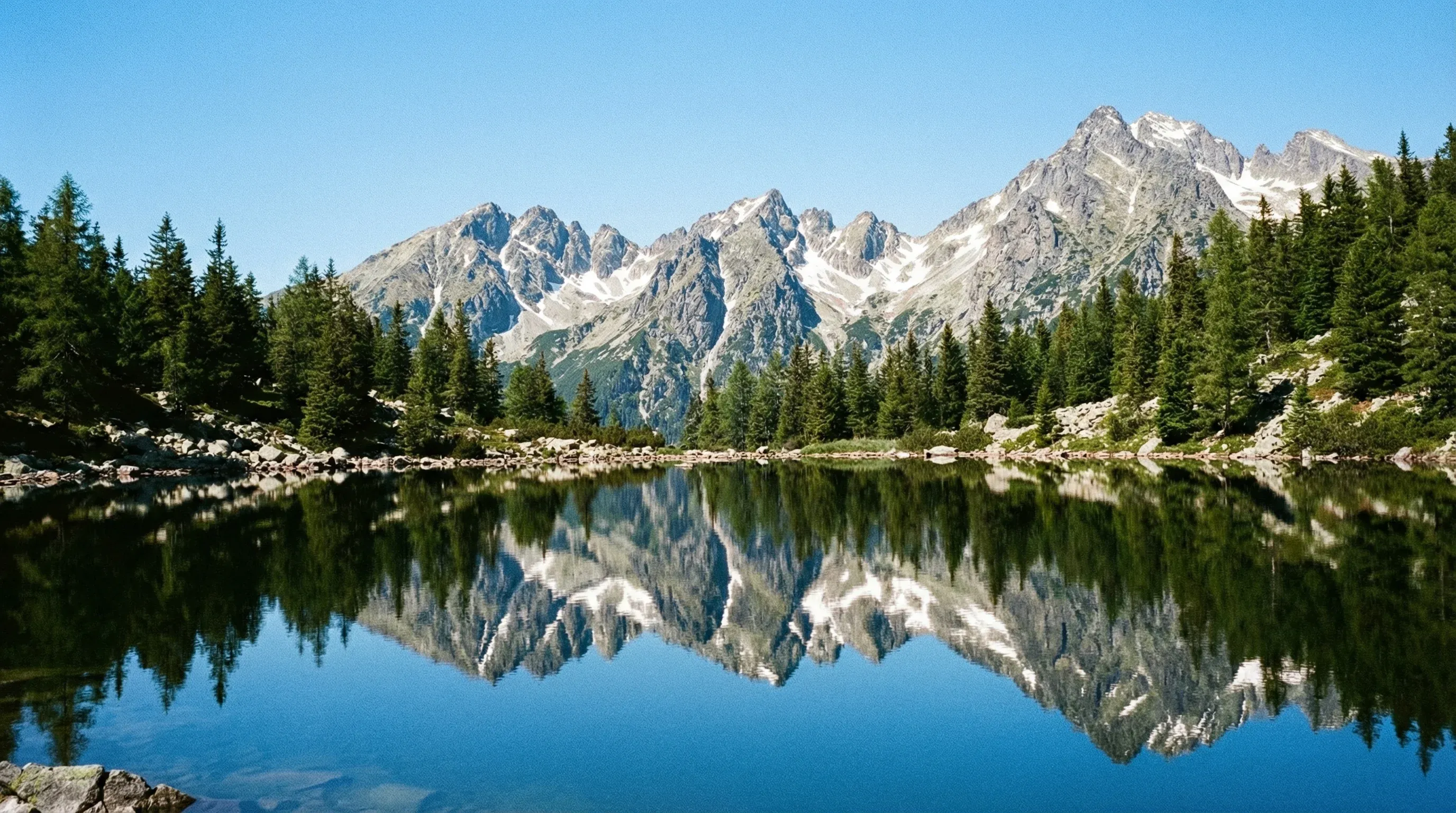
The High Tatras (Vysoké Tatry) are often described as the "smallest high mountain range in the world," packing the dramatic scenery of the Alps into a compact, accessible area. For families, this is the premier outdoor destination in Slovakia. The landscape is characterized by sharp granite peaks, crystal-clear glacial lakes (tarns), and thundering waterfalls. What makes it exceptional for traveling with children is the infrastructure: a network of electric trains connects the main resort towns, and modern cable cars whisk you up to high altitudes without the need for grueling climbs. The air here is famed for its purity—historically used to treat respiratory issues—making it a healthy escape from city life.
The region is divided into three main resort areas: Štrbské Pleso, Starý Smokovec, and Tatranská Lomnica. Each has a distinct character but all are family-oriented. In summer, the focus is on hiking; there are plenty of paved or gentle gravel paths suitable for strollers or little legs, leading to mountain huts (chaty) where you can reward yourselves with steaming soup and herbal tea. In winter, these towns transform into ski resorts with excellent ski schools for beginners. The atmosphere is authentically alpine but distinctly Slovak, with folklore architecture, hearty food, and a deep respect for nature. Beware that this is bear country—while attacks are rare, sticking to marked trails is essential.
Key Attractions
No visit is complete without seeing Štrbské Pleso, the most famous glacial lake in the Tatras. The path around it is flat and easy for children, and you can rent small rowing boats for a view from the water. For a high-altitude thrill, take the cable car from Tatranská Lomnica to Lomnický štít. It is the second-highest peak in Slovakia, and the viewing platform offers clouds-eye views that kids will never forget (booking in advance is essential).
Families seeking winter sports should head to Tatranská Lomnica Ski Resort, which offers the longest ski slope in Slovakia and dedicated zones for children learning to ski. For an educational break from the outdoors, the Museum of the Tatra National Park in Tatranská Lomnica provides fascinating exhibits on the local wildlife, including marmots, chamois, and bears, helping kids understand the environment they are exploring.
Practical Advice
Travel Advisory: Mountain Rescue Insurance is NOT included in standard travel insurance or EHIC cards for hiking/skiing accidents in Slovakia. It is mandatory to have specific coverage if you go off urban paths; you can buy it cheaply (approx. €1/day) via apps or at tourist offices. Weather changes rapidly; sunny mornings can turn into stormy afternoons. Always check forecasts.
Food & Drink
Typical meal times: Lunch 11:30 am to 2:30 pm. Dinner 6:00 pm to 9:00 pm. Mountain huts serve food throughout the day.
Typical meal costs: "Alpine surcharge" applies here. Main meals cost €12–20 (approx. $13–22 USD / £10–17 GBP). A beer or tea at a high-altitude hut will cost more than in the valley due to transport logistics.
Dietary requirements: Tourist-heavy area means good options. Most hotels cater to allergies. Vegetarian options are standard (cheese, pasta, pancakes).
Signature dishes:
- Tatranský čaj (Tatra Tea) – A herbal tea-based liqueur that comes in varying strengths (from 22% to 72%). Strictly for adults, but an icon of the region.
- Parené buchty – Steamed sweet buns filled with jam and topped with cocoa and melted butter; a childhood classic.
- Cesnaková polievka (Garlic soup) – Strong, clear garlic broth with croutons and cheese, considered a natural antibiotic.
Why this score?
This is Slovakia's most rugged terrain, featuring high-altitude hiking, technical climbing, and challenging ski slopes. While cable cars make some peaks accessible, the region's core appeal is its dramatic, rocky wilderness and the professional-grade trails that require physical fitness.
Why this score?
The nearby city of Poprad provides modern hospital facilities and specialized orthopedic care geared toward mountain injuries. Additionally, the region is served by a world-class mountain rescue service (HZS) that is highly experienced in handling international tourist emergencies.
Why this score?
The High Tatras are Slovakia's most famous natural attraction, acting as a premier alpine destination for Central and Eastern Europe. While well-known regionally for its dramatic peaks and luxury mountain hotels, it has not yet reached the global popularity levels of the Swiss or French Alps.

This is Slovakia's most expensive region. Accommodation prices can rival Austrian resorts in peak season. Expect to pay €120–200 (approx. $130–215 USD / £100–170 GBP) per night for a family room in a 4-star hotel. Cable car tickets are pricey: a return trip to Lomnický štít costs around €80 (approx. $86 USD / £68 GBP) per person.
Family Travel Notice
Minors traveling alone or with only one parent should carry notarized written consent from the non-traveling parent(s) to avoid being blocked from exiting the country.

Getting Here & Around
Getting Here
- Train – Poprad-Tatry is the main gateway hub. Fast InterCity trains arrive from Bratislava and Košice. From Poprad, you transfer directly to the Cesta Slobody (Road of Freedom) electric train network.
- Airports – Poprad-Tatry Airport (TAT) is very close but has limited flights (mostly seasonal charters or from London/Luton).
- Driving – The D1 highway runs along the base of the mountains, making access easy. The Cesta Slobody (Road of Freedom) connects all the resorts.
Getting Around
- Train (TEŽ) – The Tatra Electric Railway (TEŽ) is the lifeline of the region. It connects Poprad, Starý Smokovec, Štrbské Pleso, and Tatranská Lomnica. It's cheap, scenic, and kids love the tram-like trains.
- Cable Cars – Essential for getting high up without walking. The system at Tatranská Lomnica Ski Resort is modern and efficient.
- Walking – The best way to see nature. The Tatranská Magistrála (Tatra Arterial Trail) is the main hiking artery, though only sections are suitable for small children.
No airports in this region. See the country flight map for nearby connections.
Official Links

Packing List
Rescue services are not free in Slovakia; carrying proof of insurance is vital
High altitude sun and wind can burn lips very quickly
Trails are rocky and often wet even in summer; sneakers are dangerous
Safety essential for hiking to signal for help if separated
Forest ticks are very common and can carry TBE; essential for any nature walks.
It is polite and expected to remove outdoor shoes when entering Slovak homes or small guesthouses.
Cave tours are a constant 7°C year-round, and mountain weather drops quickly even in July.
Some older thermal pools and swimming baths still strictly require caps for hygiene.
Roads in the Tatras and Fatra mountains are scenic but very winding.

Activities & Best Times

Hiking, wildlife, outdoor exploration, ecotourism
While the High Tatras offer exceptional alpine hiking and climbing for Central Europe, they are explicitly the 'smallest high-mountain range in the world' (26km). They cannot compete internationally with the Alps, Dolomites, Himalayas, Rockies, or Patagonia for 'excellent' adventure status. Strong regional significance warrants 'very_good' but not global elite status.

Urban tourism, museums, historical sites, architecture
Kežmarok and Poprad offer a blend of Gothic architecture and UNESCO heritage sites like the wooden articulated church. Summer provides the most vibrant atmosphere for exploring the historic squares and manor houses.

Sport tourism, fitness activities, active recreation
High-quality infrastructure for climbing, technical hiking, and bobsledding attracts active families. Most outdoor rope parks and the Rysy hiking routes are only safe and operational during the summer peak.

Learning experiences, scientific sites, historical education
The Museum of the Tatra National Park (TANAP) is a destination-level natural history center crucial for understanding Carpathian ecology. Visitation is highest during the warmer months when the museum's botanical exhibits are in bloom.

Scenic drives, countryside tours, route-based travel
The 'Road of Freedom' (Cesta Slobody) is a celebrated scenic route connecting all major Tatra settlements with dramatic mountain views. Best driven from late spring to early autumn to avoid icy conditions and seasonal pass closures.

Winter sports, ski resorts, snow activities
Home to Slovakia's premier ski resorts, offering modern lift infrastructure and the country's highest vertical drops. While smaller than Alpine resorts, it provides reliable snow and authentic mountain culture during the core winter months.

Amusement parks, family entertainment venues
Dominated by AquaCity Poprad, a world-class geothermal water park that is a major draw for families. Peak usage occurs in summer for outdoor slides, though the thermal facilities remain popular as a post-ski activity in winter.

Spa retreats, wellness centers, peaceful getaways
Offers regional thermal bath facilities and spa hotels, though it lacks the concentration of world-class facilities found in established European spa towns. It serves primarily as a secondary activity for hikers and skiers.

Attractions (15 total)



Public Holidays & Calendar Next 12 months
Public holidays, festivals, cultural celebrations, and seasonal natural phenomena coming up in High Tatras over the next 12 months.
Loading holidays and events...

Travel Advisory
All major agencies agree that Slovakia is a safe destination requiring only standard safety awareness. There are no significant nationwide threats to travelers.
Safety Topics
Traveller Advice (4 groups)

Exercise caution when walking alone at night and use reputable, licensed taxi services rather than hailing cars on the street.

Minors traveling alone or with only one parent should carry notarized written consent from the non-traveling parent(s) to avoid being blocked from exiting the country.

Carry identification at all times as police may request it. Ensure you register with local authorities if staying in private accommodation for more than a few days.

While legal, same-sex relationships are not recognized via marriage or civil unions. Public displays of affection may attract negative attention, and travelers should be aware of a 2022 attack on an LGBTQ+ venue in Bratislava.
Agency Summaries
Most visits are trouble-free. Travelers should be mindful of potential overcharging by taxis and remain vigilant in crowded areas following a previous terrorist incident in 2022.
Slovakia is considered a safe destination for visitors. Travelers are advised to follow standard safety routines, enroll in the Smart Traveler Enrollment Program (STEP), and stay away from political gatherings or demonstrations.
Travelers should maintain a standard level of safety awareness as they would in Canada. Be particularly alert for petty crime and pickpocketing in Bratislava's tourist centers and on public transportation.
Maintain a common-sense approach to safety. Note that the European Entry/Exit System (EES) is being implemented, which may cause border delays. Avoid travel from Slovakia into neighboring Ukraine due to the ongoing conflict.
No specific warning is in place. Visitors are advised to respect local registration laws if staying long-term and to be aware of occasional livestock disease outbreaks near the borders that may increase vehicle inspections.
Slovakia is generally safe. Key concerns for visitors include petty crime like drink spiking and car theft. Protests occur occasionally and should be avoided to prevent disruption or safety risks.
Information is provided for general guidance only and does not constitute travel, safety, medical, or legal advice. Conditions may change. Users are responsible for independently verifying information before travel.