
East Coast (Trincomalee, Arugam Bay)
Untouched beaches, surfing waves, and whale watching 🐋🏄♂️
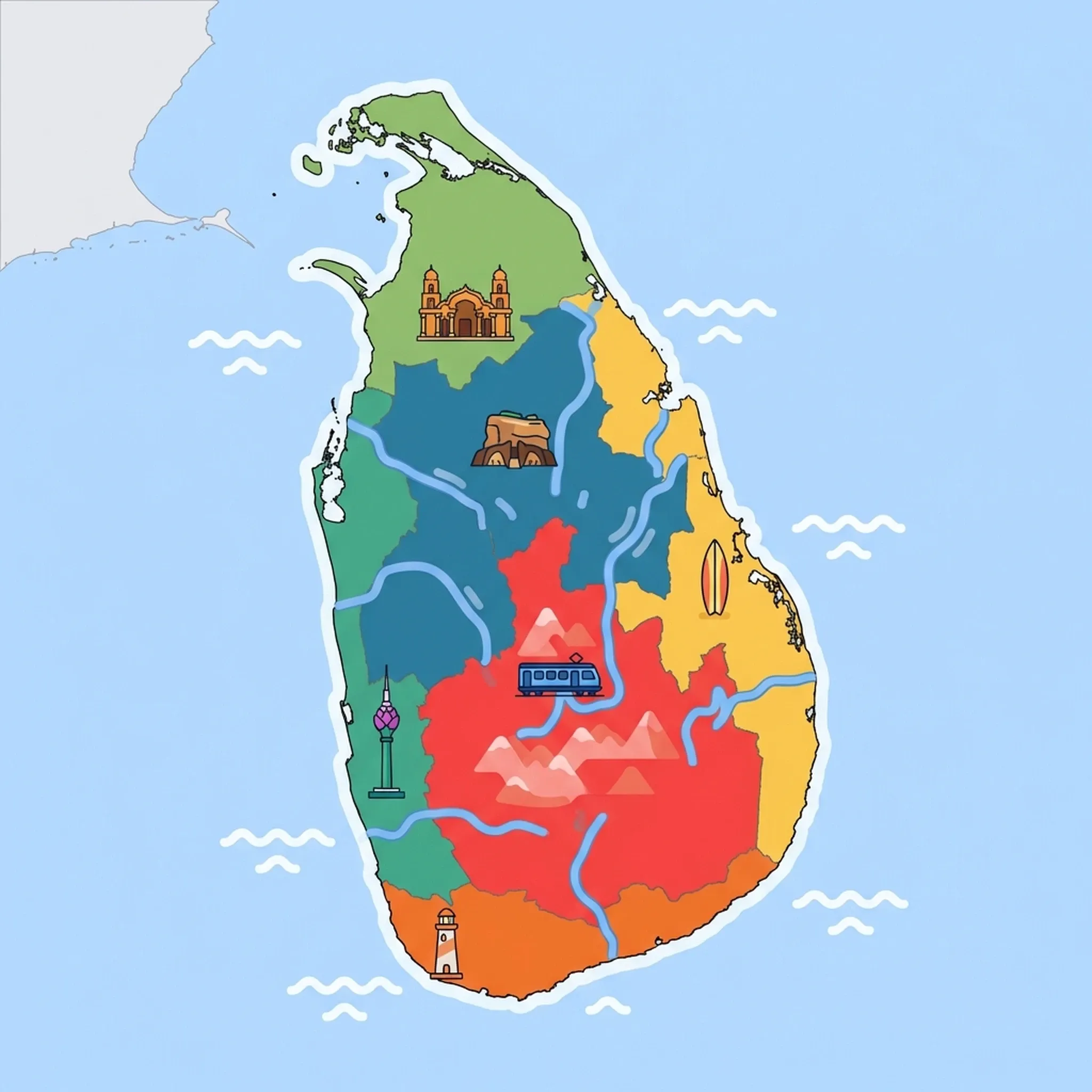
Click a region to explore
The East Coast of Sri Lanka is the island's seasonal paradise, coming into its prime from May to September when the rest of the country is often rainy. This region feels distinct from the west; it is quieter, culturally more Tamil, and blessed with some of the finest beaches in Asia. For families, the East Coast offers two distinct flavors: the calm, shallow bays of Trincomalee and Pasikudah which are perfect for toddlers and snorkeling, and the cool, surfer-vibe of Arugam Bay which appeals to teenagers and active parents. The pace of life here is slow and rural. You will share the roads with wild deer in Trincomalee and might see elephants standing by the roadside near Habarana on your way in.
The ocean is the main playground here. Unlike the sometimes rough waves of the south, beaches like Pasikudah are protected by reefs, creating swimming pool-like conditions where you can wade out for hundreds of meters. Cultural experiences are also rich; the Hindu temples here are colorful and vibrant, offering a different spiritual perspective to the Buddhist-dominated south. Exploring the coastline involves boat trips, whale watching expeditions, and quiet mornings watching fishermen haul in their nets. It is an area that rewards those willing to travel a bit further with unspoiled landscapes and a genuine sense of escape.
Key Attractions
For an underwater adventure, Pigeon Island National Park is unmissable. A short boat ride from Nilaveli Beach, this marine park offers some of the best snorkeling in Sri Lanka. Children can swim alongside harmless blacktip reef sharks and sea turtles in clear, shallow water—a thrilling experience that feels safe and managed. Back on land, the historic Fort Frederick in Trincomalee is a fascinating mix of colonial history and roaming spotted deer, which are incredibly tame and a huge hit with kids.
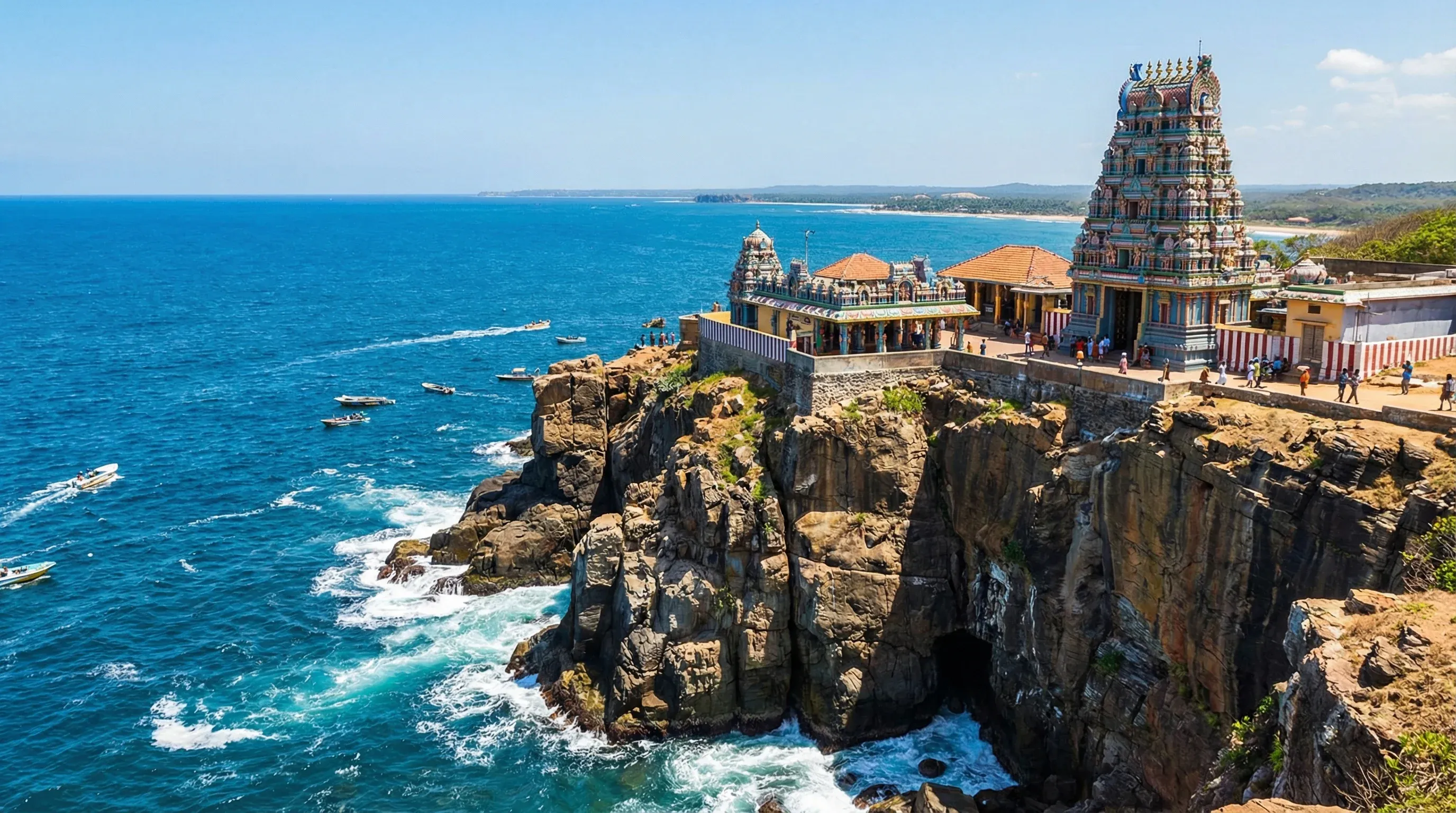
Inside the fort lies the Koneswaram Temple, perched high on Swami Rock. Known as the 'Lover's Leap', the drop to the ocean is dramatic, and the temple itself is a riot of color and incense. For families who love nature but want to avoid the crowds of Yala, Kumana National Park (near Arugam Bay) offers a fantastic bird-watching safari where you might also spot leopards and elephants in a serene, lagoon-heavy landscape.
Practical Advice
The season is crucial: visit May–September for sunny skies and calm seas. November–January brings the monsoon here. Arugam Bay is very seasonal; many restaurants close entirely in the off-season. Trincomalee is more of a year-round city.
Food & Drink
Typical meal times: Lunch 12:30 pm to 2:30 pm. Dinner 7:30 pm to 9:30 pm. Surfer cafes in Arugam Bay often serve food all day.
Typical meal costs: Fresh seafood is the staple. A seafood platter for the family costs LKR 8,000–12,000 (approx. $27–40 USD / €25–37 EUR). Basic curry meals are LKR 600–1,000 (approx. $2–3.50 USD / €1.80–3 EUR).
Dietary requirements: Vegetarian options are abundant due to the Hindu culture. Vegan is easy. In Arugam Bay, you will find trendy smoothie bowls and avocado toast catering to the surf crowd.
Signature dishes:
- Jaffna-style Crab Curry – Though from the north, this spicy, fennel-heavy crab curry is a staple in Trincomalee. It is messy, spicy, and delicious.
- Rio Ice Cream – A legendary ice cream parlor in Jaffna that has branches in Trincomalee. Known for neon-colored sundaes and jelly-topped scoops that kids go crazy for.
- Kool – A seafood broth thickened with palmyra root flour, containing crab, prawns, and cuttlefish. A hearty regional specialty.
Why this score?
The region feels significantly more rugged and less developed than the West or South coasts, with vast stretches of untouched coastline. Activities like surfing in Arugam Bay and exploring the remote Kumana National Park offer a more raw experience for travelers. Infrastructure is sparser, and the travel distances between attractions add a layer of logistical adventure.
Why this score?
Healthcare infrastructure is very limited, with Trincomalee and Batticaloa housing the only significant hospitals. Outside of these centers, medical care is minimal, and travelers may struggle to find English-speaking specialists or modern diagnostic equipment. Emergency evacuations from this side of the island are time-consuming and logistically difficult.
Why this score?
The East Coast is highly seasonal, peaking during the European summer months when the South Coast experiences monsoons. Arugam Bay is a world-renowned surf destination, but the region's overall visitor numbers are limited by its distance from the main airport. It remains an emerging destination with a more niche, backpacker, and surf-oriented international crowd.

Arugam Bay can be pricier due to its popularity with expats and surfers; expect to pay LKR 1,500–2,500 ($5–8 USD) for a hipster cafe breakfast. Trincomalee and Pasikudah have high-end resorts (LKR 60,000+ / $200+) but also very affordable local guesthouses. Transport costs are higher here due to the remoteness.
Family Travel Notice
Review specific requirements for travelling with minors and ensure all family members are enrolled in relevant safety notification programs.

Getting Here & Around
Getting Here
- Driving – It is a long drive from Colombo (6–7 hours). Breaking the journey in the Cultural Triangle is highly recommended for families.
- Train – The night mail train or day intercity runs from Colombo to Trincomalee. It is a long, slow journey but an adventure.
- Air – Cinnamon Air operates seasonal flights to Trincomalee and Batticaloa, dramatically cutting travel time to 45 minutes from Colombo.
Getting Around
- Tuk-Tuk – The standard mode of transport for short trips to the beach or town. Bargain hard in tourist areas like Arugam Bay.
- Scooter Rental – Popular in Arugam Bay for accessing surf spots like Whiskey Point, but use caution with children.
- Boat – Essential for reaching Pigeon Island National Park or going whale watching. Ensure the boat provides life jackets for children before boarding.
No airports in this region. See the country flight map for nearby connections.

Packing List
Essential for Pigeon Island snorkeling to protect the delicate coral ecosystems.
The sun is stronger on the East Coast; protects kids from sunburn and jellyfish stings.
For boat trips and keeping sand out during long beach days.
If staying in budget surf cabanas, the provided nets often have holes.
You must remove shoes at temples, and the stone floors can be scorching hot or gravelly.
Dengue fever is a risk, so high-strength repellent is essential for the whole family.
Eating with your hands is common, and soap isn't always available at local eateries.
Roads in the hill country are extremely winding and can upset children's stomachs.
White is the respectful colour for temples, and clothes must cover shoulders and knees.
Sri Lanka uses a mix of plug types (D, G, and M), so a versatile adapter is crucial.

Activities & Best Times

Hiking, wildlife, outdoor exploration, ecotourism
Home to the world-class birding and leopard habitat of Kumana National Park and unique lagoon ecosystems. Wildlife sightings are optimal during the dry months, whereas heavy Northeast Monsoon rains from November to February can limit access to park trails.

Beach resorts, marine activities: diving, snorkelling, kite surfing, wind surfing, sailing
Features high-quality coastal stretches like Nilaveli and Pasikudah with unique snorkeling at Pigeon Island. The season is strictly defined by the Southwest Monsoon, offering calm, clear waters while the rest of the island experiences rough seas.

Urban tourism, museums, historical sites, architecture
Trincomalee offers significant historical sites including Fort Frederick and the iconic Koneswaram Temple perched on Swami Rock. Visitation peaks during the dry season when the vibrant cultural atmosphere and coastal heritage sites are most accessible for walking tours.

Sport tourism, fitness activities, active recreation
Arugam Bay is a globally recognized surfing destination with consistent point breaks that attract international athletes. The surfing season is concentrated between May and September, with the best swell and offshore winds occurring mid-year.

Spa retreats, wellness centers, peaceful getaways
Offers rustic, authentic wellness experiences at natural thermal sites like Kanniya Hot Springs. While culturally significant, these lack the high-end infrastructure found in global spa hubs, making them supplementary to a beach or nature itinerary.

Scenic drives, countryside tours, route-based travel
The East Coast Scenic Highway provides a distinct landscape of lagoons and coastal vistas that differ from the island's interior. Travel is most rewarding during dry months when visibility is high and rural roads near Panama remain easily navigable.

Amusement parks, family entertainment venues
Limited to localized aquatic centers like Wild Water Pasikudah, which serve as a diversion rather than a primary destination motivator. These outdoor facilities are best enjoyed during the height of the dry season to avoid monsoon-related closures.

Attractions (9 total)



Public Holidays & Calendar Next 12 months
Public holidays, festivals, cultural celebrations, and seasonal natural phenomena coming up in East Coast (Trincomalee, Arugam Bay) over the next 12 months.
Loading holidays and events...

Travel Advisory
All major agencies recommend exercising increased caution or a high degree of vigilance. Primary concerns include civil unrest, the threat of terrorism, and localized safety risks.
Safety Topics
Traveller Advice (4 groups)

Ensure you have an Electronic Travel Authorization (ETA) before arrival and maintain situational awareness during festivals or near political gatherings.

Female travellers should be aware of reports of verbal and physical harassment, particularly on public buses and in crowded areas. It is recommended to dress conservatively and avoid travelling alone at night.

Same-sex sexual activity is technically criminalized under colonial-era laws, and while rarely prosecuted, LGBTQ+ individuals may face social stigma and discrimination.

Review specific requirements for travelling with minors and ensure all family members are enrolled in relevant safety notification programs.
Agency Summaries
While no nationwide travel ban is in place, visitors are warned of a heightened threat of terrorism and likely demonstrations. Staying alert in public spaces and monitoring local news is strongly advised.
Increased caution is recommended because of civil unrest, the risk of terrorism, and potential landmine hazards in specific northern regions. Demonstrations can occur unexpectedly and disrupt essential services.
A high level of caution is necessary due to the threat of public protests and ongoing security risks. Terrorist attacks remain a possibility, potentially targeting areas frequented by foreigners.
The country has stabilized but significant security concerns remain, including the risk of terrorism and civil unrest. Economic issues continue to cause sporadic shortages of some basic goods.
Vigilance is required regarding personal security and local political developments. Visitors should ensure they have proper electronic travel authorizations and remain aware of local safety conditions.
Travellers should remain highly vigilant due to frequent public demonstrations, a persistent threat of terrorist activity, and general crime. Particular care is advised in remote areas where landmines may still exist.
Information is provided for general guidance only and does not constitute travel, safety, medical, or legal advice. Conditions may change. Users are responsible for independently verifying information before travel.