
Click a region to explore
Overview
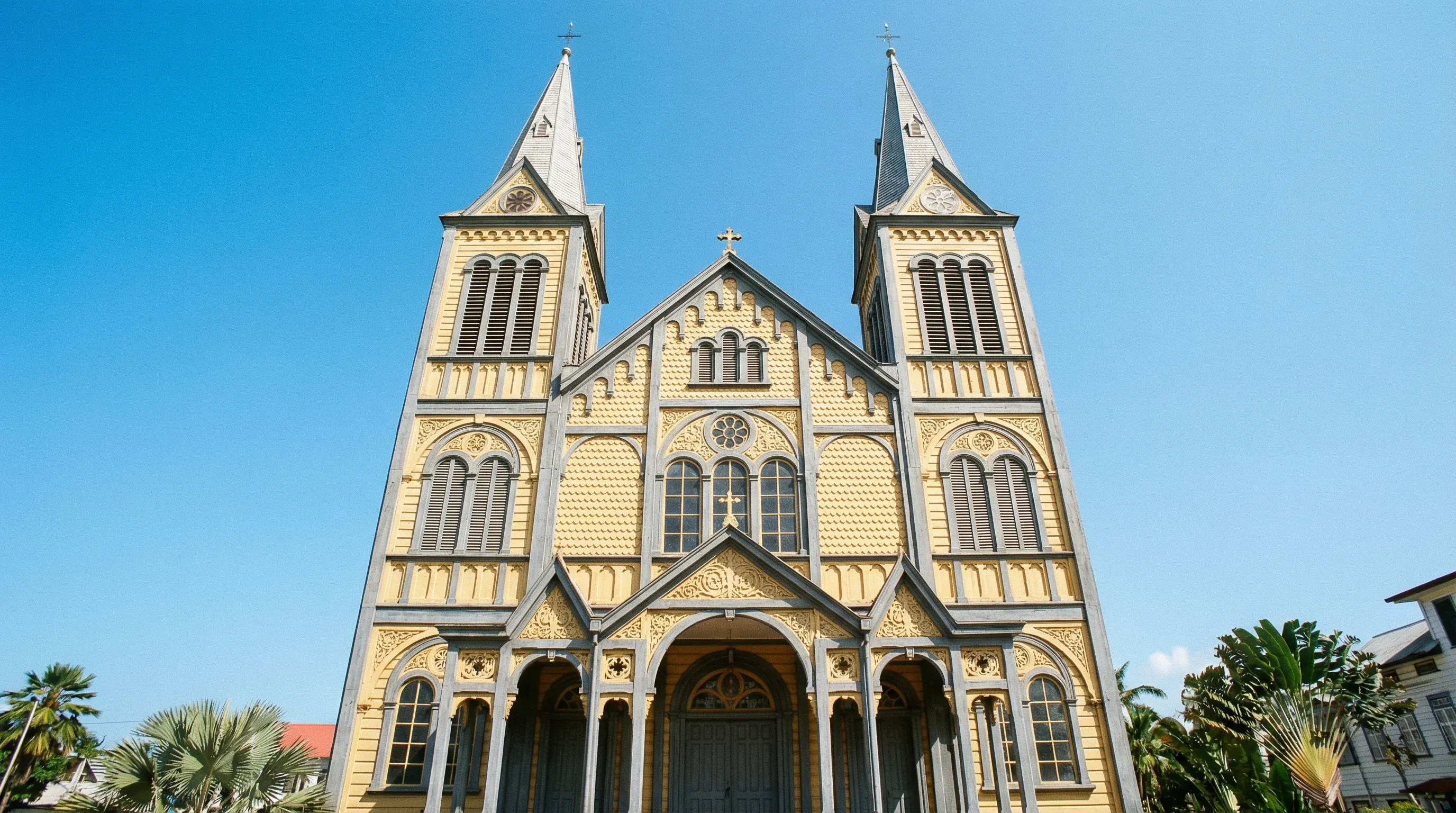
Paramaribo is one of the most unique capital cities in South America, serving as the beating heart of Suriname. Designated a UNESCO World Heritage site, the Historic Inner City of Paramaribo is famous for its unique fusion of Dutch colonial architecture and local craftsmanship, resulting in beautiful white wooden buildings with distinct verandahs. For families, the city offers a gentle introduction to the country's complex history and rich diversity. Walking through the streets, children will see a mosque standing right next to a synagogue—a symbol of the peaceful coexistence that defines the nation. The vibe is laid-back and tropical; life moves at a slower pace here, often centered around the cooling breeze of the river.
The city is not just about history; it is a sensory playground. The markets bustle with vendors selling exotic fruits like rambutan and dragon fruit, while the riverside comes alive at sunset. While it is a city, nature is never far away. A short boat ride can take you to sandy river beaches or mangrove forests teeming with birds. The culture is a fascinating mix of Creole, Hindustani, Javanese, Chinese, and Indigenous influences, all of which are accessible to visitors through festivals, music, and, most importantly, the incredible food scene.
Key Attractions
Start your exploration at Fort Zeelandia, the oldest structure in the city. It houses a museum that tells the story of Suriname's past, and the surrounding grounds offer great river views where kids can run around. Just a short walk away is the Palmentuin (Palm Garden), a historic park filled with royal palms that provides a shady respite from the midday heat and is home to capuchin monkeys. The Presidential Palace and Independence Square are impressive photo stops nearby.
For a uniquely Surinamese nature experience within reach of the city, take a sunset boat tour to Braamspunt. This sandy spit at the river mouth is a nesting site for sea turtles (in season) and the boat ride often includes spotting the profusion of Guiana dolphins that live in the estuary. Back in the city, the Waterkant (Riverside Boulevard) is the place to be in the late afternoon. Families gather here to buy snacks from the stalls, watch the boats pass by, and enjoy the cooling trade winds.
Practical Advice
Paramaribo is hot and humid year-round. The best time to explore the streets is early morning or late afternoon; midday heat can be oppressive for children. Sundays are very quiet with most shops closed, so plan nature trips or pool days for Sundays. English is widely understood, but Dutch is the official language.
Food & Drink
Typical meal times: Lunch is the main meal for many, served 12:00 pm to 2:00 pm. Warungs (Javanese food stalls) and restaurants stay open for dinner from 6:00 pm to 10:00 pm.
Typical meal costs: Street food is very affordable at SRD 90–150 (approx. $3–5 USD / €2.75–4.50 EUR). A sit-down dinner in a nice restaurant costs SRD 450–750 (approx. $15–25 USD / €14–23 EUR) per person.
Dietary requirements: Very good. The diversity of Indian and Javanese cuisine means vegetarian and vegan options (tofu, tempeh, vegetables) are abundant and delicious. Halal food is extremely common.
Signature dishes:
- Pom – The national dish; a casserole made from grating the Pomtayer root, baked with chicken, citrus, and spices. A must-try party dish.
- Roti – A Surinamese-Hindustani staple; a soft flatbread served with curried chicken, potatoes, and yardlong beans (kousenband).
- Saoto Soup – A savory Javanese soup with chicken broth, beansprouts, shredded chicken, boiled egg, and crispy potato sticks.
- Baka Bana – Fried plantain served with a spicy peanut sauce, a favorite sweet-savory snack for kids.
Why this score?
As a developed capital city, Paramaribo offers a relatively comfortable experience with colonial architecture, paved streets, and organized river tours. Adventure is mostly limited to light activities like cycling in the nearby Commewijne District or taking sunset boat trips to see river dolphins.
Why this score?
Paramaribo contains the country's best healthcare facilities, including the Academic Hospital Paramaribo (AZP), where some staff speak English. While it is the most reliable place for medical care in Suriname, the quality and wait times do not match international Western standards, and specialized care can be limited.
Why this score?
Paramaribo is the primary entry point for Suriname and hosts the country's most famous attractions, including the UNESCO-listed historic center and Fort Zeelandia. However, with total national arrivals under 300,000, it remains a niche destination compared to major Caribbean or South American hubs.

Paramaribo offers good value compared to the Caribbean. A comfortable family hotel room costs SRD 2,400–4,500 (approx. $80–150 USD / €75–140 EUR) per night. Local food is cheap and plentiful, while imported goods in supermarkets can be pricey. Taxis around the city center typically cost SRD 150–300 (approx. $5–10 USD / €4.50–9 EUR).
Family Travel Notice
Parents should closely supervise children due to the presence of rabies in local dogs and wildlife. Ensure all routine vaccinations are up to date before visiting.

Getting Here & Around
Getting Here
- Airports – Johan Adolf Pengel International Airport (PBM) is the main entry point, located about 45km (1 hour drive) south of the city.
- Taxi/Shuttle – Airport transfers should be booked in advance. Shared buses and private taxis connect the airport to the city center.
- Bus – Regional buses from French Guiana and Guyana arrive at various terminals on the outskirts of the city.
Getting Around
- Walking – The Historic Inner City is compact and best explored on foot, though sidewalks can be uneven.
- Taxi – The safest and most convenient way for families to travel, especially at night. Unmetered, so agree on the price (in SRD) before getting in.
- Bicycle – Bike rentals are popular for riding to the Commewijne district, but caution is needed in city traffic.
No airports in this region. See the country flight map for nearby connections.
Official Links

Packing List
You will frequently need to remove shoes when entering homes, certain guesthouses, and religious sites.
Mosquitoes are present even in the city; wipes are easier to apply to children than sprays.
Sudden, intense tropical showers are common in the afternoon, even during 'dry' seasons.
City center hotels can be noisy due to traffic and street dogs at night.
Jungle lodges often rely on generators that turn off at night; essential for navigating cabins in the dark.
River travel in dugout canoes (korjaals) is frequent; keeps cameras and phones safe from splashes and sudden rain.
ATMs are scarce outside Paramaribo; interior lodges and villages often only accept cash for tips and souvenirs.
Tuck trousers into socks during jungle hikes to prevent tick bites and keep insects out.
Wildlife like sloths, monkeys, and toucans is often high in the canopy; essential for kids to see the action.

Activities & Best Times

Urban tourism, museums, historical sites, architecture
A UNESCO-listed historic center with unique Dutch colonial wooden architecture and a vibrant multi-ethnic food scene. Best visited during the major dry season and the festive December period when the city's atmosphere is most lively.

Hiking, wildlife, outdoor exploration, ecotourism
Only 2 attractions in database, both cultural (Fort Zeelandia, Historic Town). 'Very good' requires stronger nature/adventure infrastructure. If Peperpot Nature Park and plantation sites are added, this could remain very_good, but current evidence doesn't support it.

Scenic drives, countryside tours, route-based travel
The East-West Connection and Afobakaweg provide gateways to the country's diverse interior and coastal districts. Dry seasons are essential for safe driving conditions and clear views of the changing landscapes.

Sport tourism, fitness activities, active recreation
Established cycling routes through historic plantations and nature park discovery trails offer unique active exploration for families. These activities are best enjoyed when humidity is lower and trails are firm during the dry seasons.

Beach resorts, marine activities: diving, snorkelling, kite surfing, wind surfing, sailing
Focuses on rugged coastal recreation and turtle nesting sites like Braamspunt rather than luxury resorts. Conditions are most reliable for boat access during the primary dry seasons.

Learning experiences, scientific sites, historical education
The Surinaams Museum and Peperpot Discovery Center provide important historical and ecological context. While informative, the facilities are modest in scale compared to global destination-level educational centers.

Amusement parks, family entertainment venues
Local water park facilities provide regional entertainment but lack the international scale or unique themes required for a higher rating. Peak visitation follows the hottest and driest months.

Attractions (9 total)



Public Holidays & Calendar Next 12 months
Public holidays, festivals, cultural celebrations, and seasonal natural phenomena coming up in Paramaribo over the next 12 months.
Loading holidays and events...

Travel Advisory
The majority of international agencies classify Suriname as a destination requiring standard safety awareness. While Ireland maintains a higher caution level, the consensus among five other major agencies supports a baseline risk assessment, provided travelers remain vigilant against local crime in the capital.
Safety Topics
Traveller Advice (4 groups)

All visitors must pay an entry fee prior to arrival and complete a digital immigration form. It is recommended to use only licensed hotel taxis and avoid the Palm Garden area after sunset.

Female travelers should be particularly cautious when traveling alone, especially at night in Paramaribo. Harassment and petty crime are reported risks in secluded areas or near major tourist hotels.

While same-sex acts are not illegal, social acceptance remains limited. Travelers should be mindful of local cultural sensitivities regarding public displays of affection.

Parents should closely supervise children due to the presence of rabies in local dogs and wildlife. Ensure all routine vaccinations are up to date before visiting.
Agency Summaries
Australia recommends standard vigilance. Travelers should be aware of high crime levels in Paramaribo, including armed robbery and theft. Ensure comprehensive travel insurance is obtained before departure.
The overall security situation is stable, though street crime and occasional political demonstrations in the capital require vigilance. Specific attention is given to road safety and the risk of flooding during rainy seasons.
No specific travel warning is in effect, but travelers are urged to maintain common sense security practices. Focus is placed on health risks in the region and the necessity of medical evacuation coverage.
Visitors should maintain standard safety awareness. Common concerns include petty crime in urban centers and limited medical infrastructure in remote areas. Health alerts are active for mosquito-borne illnesses such as Chikungunya.
Travelers are advised to follow standard safety measures. While the country is generally safe, urban areas like Paramaribo experience pickpocketing and robberies. Avoid displaying wealth and walking alone after dark.
Ireland advises increased vigilance due to risks associated with serious crime, potential civil unrest, and limited healthcare facilities. Travelers should avoid large gatherings and monitor local news.
Information is provided for general guidance only and does not constitute travel, safety, medical, or legal advice. Conditions may change. Users are responsible for independently verifying information before travel.