
Kpalimé & Plateaux
Waterfalls, butterflies, and green mountains 🦋🌿
Click a region to explore
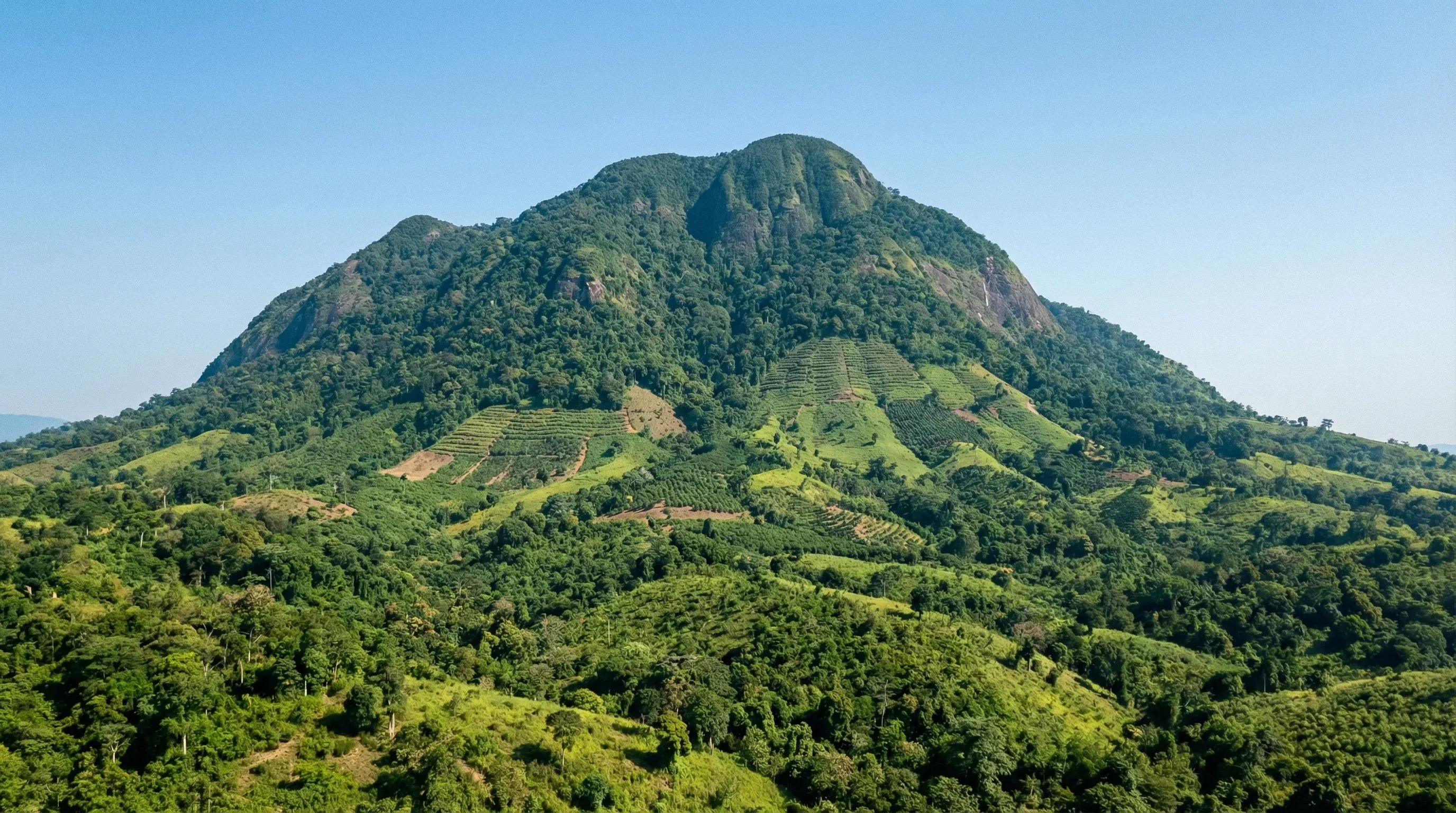
The Plateaux region, centered around the charming town of Kpalimé, is widely considered the most family-friendly destination in Togo. In stark contrast to the humidity of the coast and the dry heat of the north, this region offers a microclimate that is cooler, greener, and incredibly lush. It is a playground of rolling hills, dense forests, and hidden waterfalls, making it perfect for active families who love hiking and nature. The atmosphere here is relaxed and artistic; Kpalimé attracts craftsmen, weavers, and artists from across West Africa, meaning you can combine outdoor adventures with visits to local workshops where children can watch pottery or batik being made.
For children, the biodiversity is the main draw. The forests around Kpalimé are teeming with colorful butterflies and exotic birds. The hiking trails are generally accessible, often leading through coffee and cocoa plantations where guides explain how chocolate grows—a revelation for most kids! The region is also the fruit basket of Togo; you will find the freshest pineapples, avocados, and bananas sold at roadside stalls, providing healthy and safe snacks for the journey. It is a safe, welcoming, and visually stunning part of the country that feels like a tropical garden.
Key Attractions
While the region is famous for its natural beauty, it also holds deep historical significance. A visit to Notsé (Historical Walls of Agbogbo) is essential for understanding the Ewe people. Notsé is the ancestral home of the Ewe, and the remains of the ancient walls (Agbogbo) tell the story of their migration and escape from a tyrannical king—a legend that captures the imagination of older children. The town hosts the spectacular Agbogbo-Za harvest festival in September, which is a riot of color and tradition.
Nature lovers should head towards Mount Agou, the highest peak in Togo. While the summit has a telecommunications tower, the lower slopes and surrounding villages offer wonderful walking paths. Near Kpalimé, the Kpime and Tomegbe waterfalls are popular spots. The walks to reach them are relatively short and shaded, and the reward is a cool, refreshing pool where families can dip their feet or swim, surrounded by the sounds of the jungle.
Practical Advice
The climate is pleasant year-round, but the rainy season (April to October) makes the waterfalls spectacular, albeit with muddy trails. Good walking shoes are non-negotiable. This region is a malaria zone like the rest of Togo, so evening insect repellent is crucial, especially in the forest areas.
Food & Drink
Typical meal times: Lunch is served from 12:00 pm to 2:30 pm. Dinner is usually eaten between 7:00 pm and 9:00 pm.
Typical meal costs: Meals are affordable. A hearty lunch in a local maquis (eatery) costs 2,000–4,000 XOF (approx. $3.50–6.50 USD / €3–6 EUR). Hotel restaurants charge 6,000–10,000 XOF (approx. $10–16 USD / €9–15 EUR).
Dietary requirements: This is the best region for vegetarians due to the abundance of fresh produce. You can easily find avocado salads, fried plantains, and yam dishes, though you must still verify that beans or sauces haven't been cooked with fish.
Signature dishes:
- Fufu – Boiled yams or cassava pounded into a stretchy dough, served with a light soup (chicken or goat). The rhythmic pounding of fufu is a sound you will hear all over Kpalimé.
- Djenkoume – A reddish, savory cornmeal dough cooked with tomato and palm oil, often served with fried chicken.
- Fresh Fruit Platter – Not a cooked dish, but the region's papayas, mangoes, and sweet mini-bananas are famous across the country.
Why this score?
The region offers moderate physical challenges through mountain hiking on Mount Agou and forest treks to various waterfalls. While paths are becoming more established, the humid tropical environment and steep terrain provide a genuine outdoor experience for active visitors.
Why this score?
Local clinics in Kpalimé can provide basic treatment for minor injuries or common tropical ailments, but they lack advanced diagnostic tools and specialized staff. For any significant medical concerns or surgeries, patients must be transported several hours to the capital city.
Why this score?
While Kpalimé is Togo's primary center for eco-tourism, it primarily serves domestic weekenders and a small number of regional expatriates. On a global scale, it lacks the international name recognition and luxury infrastructure required to draw significant crowds.

Kpalimé is very budget-friendly. Accommodation offers great value, with charming guesthouses costing 15,000–35,000 XOF (approx. $25–58 USD / €23–53 EUR) per night. Guided forest walks generally cost 5,000–10,000 XOF (approx. $8–16 USD / €7.50–15 EUR) for a family group, depending on the duration.

Getting Here & Around
Getting Here
- Driving – Kpalimé is an easy 2-hour drive (approx. 120km) northwest of Lomé on a paved road. It is one of the best-maintained routes in the country, making it a stress-free journey for families.
- Bus/Shared Taxi – Minibuses depart regularly from the Gare Routière in Lomé. The journey costs roughly 2,000–3,000 XOF (approx. $3.50–5 USD / €3–4.50 EUR) per seat, but they can be crowded and hot.
Getting Around
- Walking – The center of Kpalimé is compact and walkable. Hiking is the primary way to see the waterfalls and forests.
- Taxi – Private taxis are available for hire to take you to trailheads like Mount Agou or Notsé. Negotiate the price for a half-day or full-day rental.
- Zémidjans – Moto-taxis are the main local transport, but use caution with children; always ask for a helmet or prefer a car taxi for family safety.
No airports in this region. See the country flight map for nearby connections.

Packing List
If you plan to swim in waterfall pools, regular soap harms the delicate ecosystem.
The region is a prime spot for birdwatching and spotting rare butterflies in the canopy.
Trails to waterfalls can be steep and slippery with red clay mud after rain.
Sudden tropical showers are common in the mountains even during dry spells.
Mandatory physical document. You will be refused entry without the original yellow card.
Power cuts (load shedding) are common, and streets are often poorly lit at night.
The CFA Franc is pegged to the Euro. Euros are the easiest currency to exchange; USD is harder to use.
English is rarely spoken outside major hotels; basic French is essential for daily interactions.
Essential for cleaning dusty hands before eating fufu and for humid travel days.

Activities & Best Times

Hiking, wildlife, outdoor exploration, ecotourism
Offers exceptional biodiversity in the Kloto-Missahoé forest and trekking to Mount Agou with authentic plantation experiences. Peak season coincides with the dry months when forest trails are accessible and the mountain flora is most vibrant.

Urban tourism, museums, historical sites, architecture
Rich in artisanal heritage and colonial history, notably the artisanal center of Kpalimé and the Agbogbo walls of Notsé. Cultural exploration is best in the dry season, though indoor artisanal workshops remain accessible throughout most of the year.

Scenic drives, countryside tours, route-based travel
The scenic drive ascending Mount Agou and the Plateau de Dayes provides some of West Africa's most breathtaking highland vistas. Dry months offer optimal road safety and clear visibility across the coffee and cocoa valleys.

Sport tourism, fitness activities, active recreation
Internationally recognized trails for mountain biking and hiking connect Kpalimé to the Danyi Plateau. The dry season provides firm trail conditions and more manageable humidity for physically demanding highland activities.




Public Holidays & Calendar Next 12 months
Public holidays, festivals, cultural celebrations, and seasonal natural phenomena coming up in Kpalimé & Plateaux over the next 12 months.
Loading holidays and events...

Travel Advisory
Travelers should exercise increased vigilance across the country. Significant security risks exist in northern border areas due to terrorism, while urban centers face risks from crime and occasional political demonstrations.
Safety Topics
Traveller Advice (3 groups)

Aid workers should exercise extreme care in the Savanes region due to the specific targeting of foreign nationals by extremist groups.

Same-sex relationships are prohibited by law, and individuals may face fines or imprisonment for participating in activities deemed 'unnatural' or 'indecent'.

Female visitors are advised to dress modestly and respect local customs to avoid unwanted attention or cultural offense.
Agency Summaries
No specific travel warning is in place, but travelers are encouraged to ensure they have comprehensive insurance and stay informed about local health risks.
A high degree of caution is necessary, especially near the border with Burkina Faso, where the security environment is unstable due to kidnapping and extremist threats.
While general travel is permitted, there is a serious threat of terrorism and kidnapping near the northern border. Demonstrations can occur and may become confrontational.
Visitors should maintain significant vigilance due to the potential for social disturbances, political protests, and incidents of violent crime.
Heightened caution is recommended due to the activities of criminal and extremist groups, particularly in border regions, alongside risks of civil unrest and kidnapping.
Australians are advised to be highly alert to security threats, including the risk of terrorist attacks and civil instability across the country.
Information is provided for general guidance only and does not constitute travel, safety, medical, or legal advice. Conditions may change. Users are responsible for independently verifying information before travel.