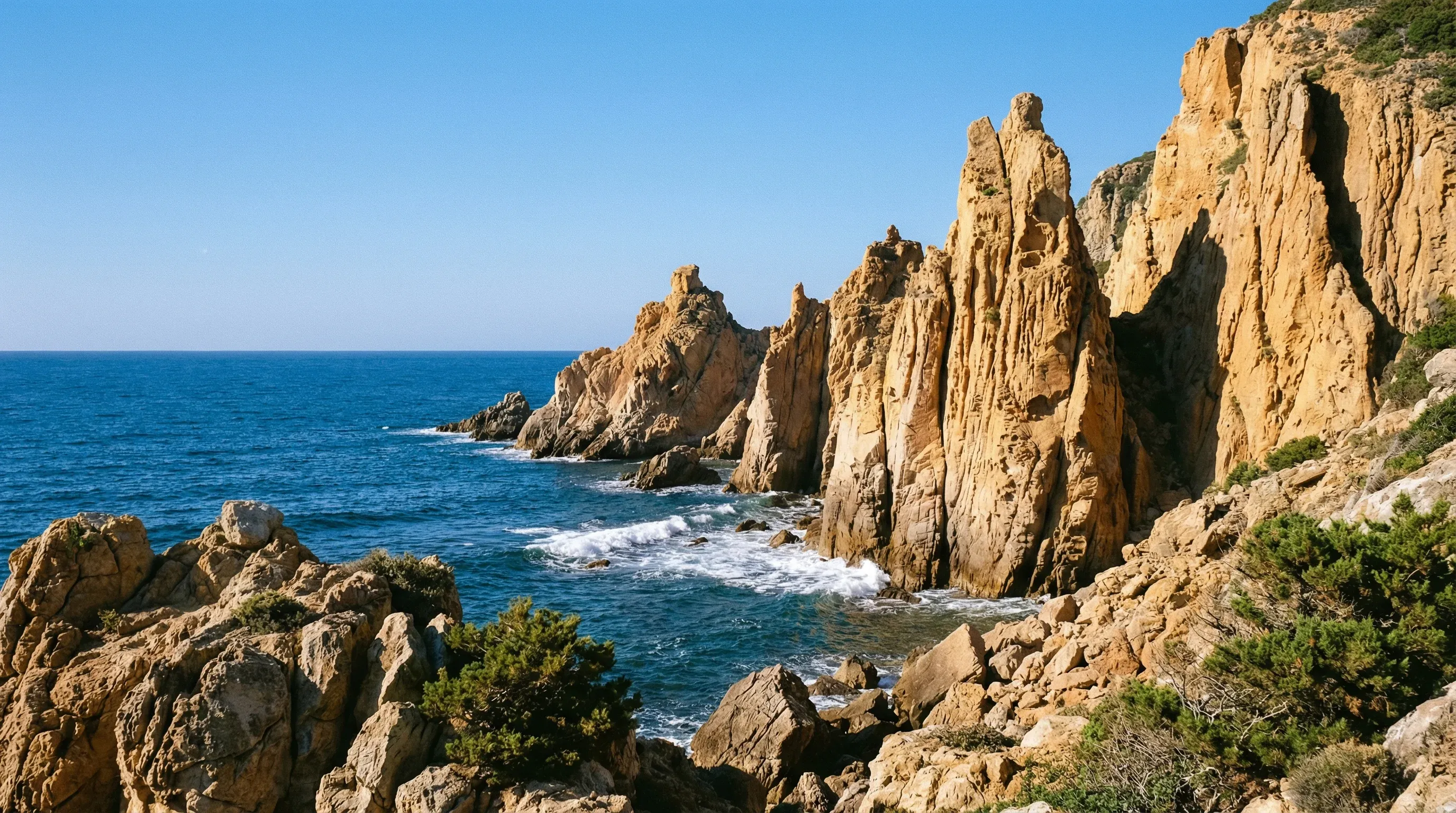

Northern Mountains (Tabarka)
🌲 Where green mountains meet the coral coast
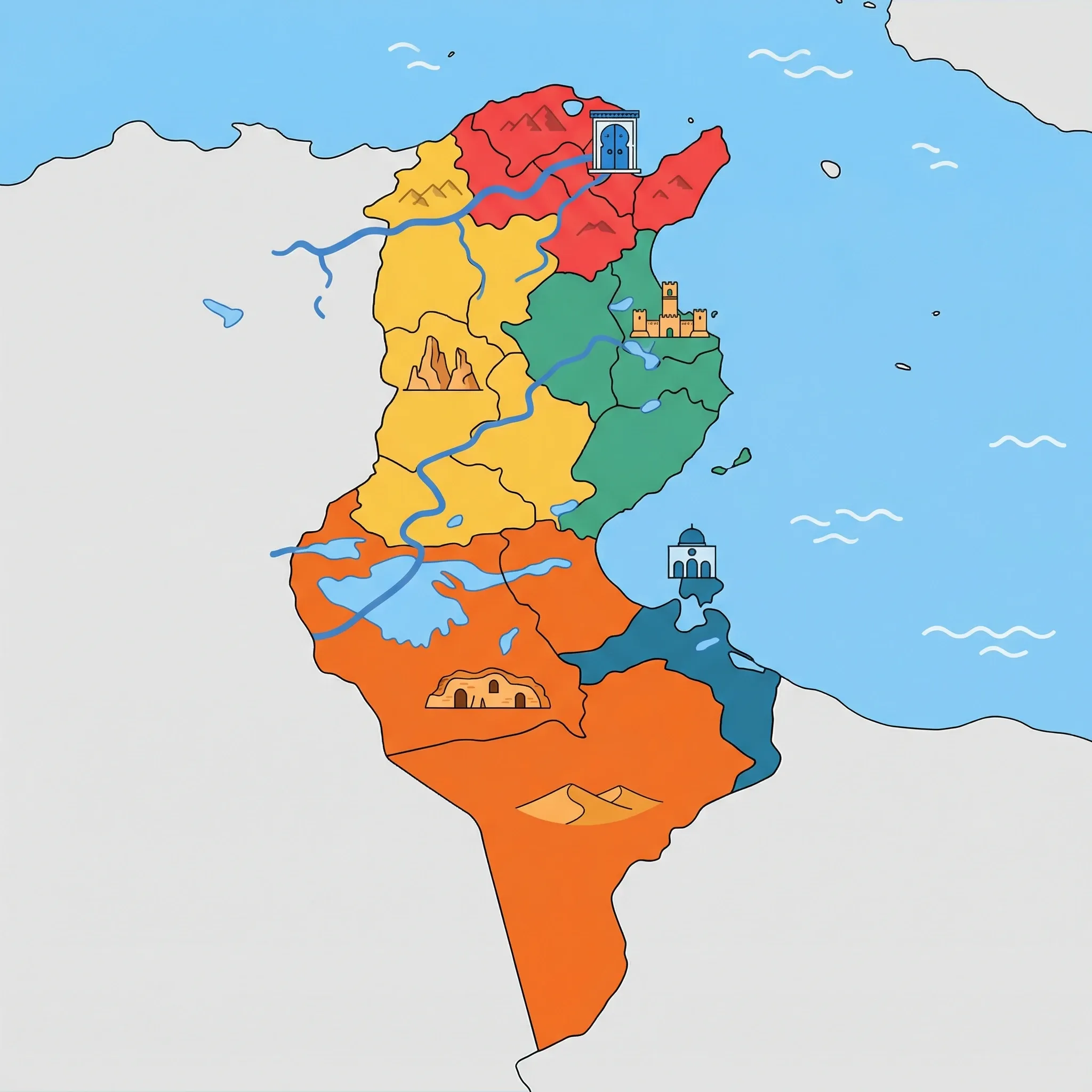
Click a region to explore
⚠️ SAFETY WARNING: Due to potential security concerns near the border, government agencies (including CA, USA, UK, and AU) advise travelers to exercise a high degree of caution or reconsider travel to specific areas in this region. The US and UK specifically advise against all travel to the Chaambi Mountains and areas immediately bordering Algeria. Families are strongly urged to consult their own government's official travel advisory before considering a trip, as circumstances and risk assessments vary. Stay on main roads and within established tourist zones in Tabarka and Ain Draham.
The Northern Mountains reveal a side of Tunisia that few international tourists expect: a landscape of dense green cork oak forests, rolling hills, and dramatic rocky coastlines that resemble Southern Europe more than Northern Africa. Centered around the coastal town of Tabarka and the mountain retreat of Ain Draham, this region is known as the "Switzerland of Tunisia." For families who love nature, hiking, and cooler climates, this is a refreshing escape. The air is crisp, smelling of pine and sea salt. In winter, the red-tiled roofs of Ain Draham are often covered in snow, while summer offers a relief from the searing heat of the south.
This region is ideal for active families. The coastline at Tabarka is famous for its coral reefs, offering accessible snorkeling and boat trips that delight children. Inland, the forests provide ample opportunity for easy nature walks where you might spot local wildlife. Culturally, the area is rich with Roman history that feels undiscovered; you won't fight crowds here. The atmosphere is quieter and more provincial than the resort towns of the east coast, offering a genuine look at rural Tunisian life. It is a place to slow down, eat hearty mountain food, and enjoy the dramatic scenery where the Kroumirie mountains crash into the Mediterranean Sea.
Key Attractions
The most iconic natural landmark is Les Aiguilles (The Needles), massive jagged rock pinnacles rising from the sea near the port; families can walk along the promenade to view them or take a boat for a closer look. Just a short drive inland lies the Bulla Regia Archaeological Site, which is fascinating for children because the Roman villas were built underground to escape the heat. Kids can explore these subterranean houses with their preserved mosaics still in situ. For nature lovers, a guided visit to El Feidja National Park offers the chance to walk through ancient oak forests and perhaps spot the Barbary stag, the symbol of the region.
Practical Advice
This region is best visited in late spring or summer. Winters can be surprisingly cold and wet, with snow blocking mountain roads. A car is essential here as public transport to the sites is limited. Security checkpoints are common near the border areas; always carry passports and stay on main tourist routes.
Food & Drink
Typical meal times: Lunch is the main event, served 12:00 pm to 2:00 pm. Dinner is usually 7:00 pm to 9:00 pm.
Typical meal costs: Prices are lower than in Tunis. A hearty family meal costs 50–90 TND (approx. $16–29 USD / €15–27 EUR).
Dietary requirements: This is wild boar country—one of the few places in Tunisia where game meat is common in tourist hotels, though it is distinct from pork. Vegetarians will find plenty of fresh salads and egg dishes.
Signature dishes:
- Wild Boar Stew – A rich, dark stew spiced with rosemary and thyme, available in specific licensed restaurants in Tabarka and Ain Draham.
- Tabarka Shrimp – Large, sweet prawns caught locally, often grilled simply with garlic.
- Pain Tabouna – Traditional flatbread baked in clay ovens, widely sold by the roadside and best eaten hot with harissa and olive oil.
Why this score?
The Kroumirie Mountains offer some of the most rugged terrain in Tunisia, featuring dense forests and steep passes like the one from Tabarka to Ain Draham. Families can engage in snorkeling among coral reefs or hiking segments of the TransTunisia Trail. The region feels significantly more remote and less manicured than the coastal resorts.
Why this score?
Medical services in the northwest are basic, with regional hospitals in Tabarka and Jendouba providing limited specialized care. While adequate for minor injuries, the facilities lack the international accreditation and language support found in Tunis or Sousse. Severe cases often require a lengthy transfer to the capital for advanced treatment.
Why this score?
This region is an emerging niche destination that primarily attracts domestic travelers and visitors from neighboring Algeria rather than global crowds. While the 'Aiguilles' and cork forests are beautiful, the international infrastructure and hotel capacity are significantly lower than on the eastern coast. It remains a quiet alternative to the country's major beach hubs.

This is one of the most affordable regions in Tunisia. Accommodation is generally cheaper than the main coastal resorts. A night in a nice hotel costs 100–200 TND (approx. $32–64 USD / €30–60 EUR). Restaurant meals are excellent value, with mains often costing 15–25 TND (approx. $5–8 USD / €4.50–7.50 EUR).

Getting Here & Around
Getting Here
- Driving – The primary way to arrive. It is a scenic 2.5 to 3-hour drive from Tunis via the A3 highway and P7 road.
- Airports – Tabarka-Ain Draham International Airport (TBJ) exists but has very limited seasonal flight schedules, mostly in summer.
- Bus – SNTRI buses run from Tunis (Bab Saadoun station) to Tabarka, taking about 4 hours.
Getting Around
- Car – Highly recommended. Reaching El Feidja National Park or Bulla Regia Archaeological Site requires a vehicle.
- Taxis – Available within Tabarka town but difficult to find for long-distance trips into the mountains.
- Walking – Tabarka town and the port area are compact and walkable.
No airports in this region. See the country flight map for nearby connections.

Packing List
This is the wettest region in Tunisia; rain is common even in shoulder seasons.
The roads between Tabarka, Ain Draham, and Bulla Regia are winding and mountainous.
Essential for comfortable exploration of the cork oak forests and rocky coastal paths.
English is not widely spoken outside major hotels; French is the primary second language and essential for local interactions.
Multipurpose: essential for covering shoulders/hair when visiting holy sites and useful for protection against desert dust.
Roman sites like Carthage and El Jem have uneven, rubble-strewn ground that is difficult to navigate in flip-flops.
Public restrooms outside of high-end hotels and restaurants frequently lack toilet paper.
Taxi drivers and small shopkeepers in the souks rarely have change for large bills; keep plenty of 1, 5, and 10 Dinar coins/notes.

Activities & Best Times

Hiking, wildlife, outdoor exploration, ecotourism
Home to the rare cork oak forests of El Feidja National Park, this region provides Tunisia's most authentic mountain wilderness experience. Peak visiting times are spring and autumn when temperatures are ideal for trekking through the Kroumirie range.

Urban tourism, museums, historical sites, architecture
Bulla Regia features unique subterranean Roman villas that are world-class archaeological sites, complemented by the Genoese Fort in Tabarka. Best visited in spring or autumn to avoid the punishing summer heat of the interior plains.

Sport tourism, fitness activities, active recreation
Dedicated infrastructure like the TransTunisia Trail and the Beni M'Tir outdoor centers cater to high-standard hiking and cycling. Activity is best in the shoulder seasons to avoid both the intense summer sun and the muddy, wet winter conditions.

Beach resorts, marine activities: diving, snorkelling, kite surfing, wind surfing, sailing
Tabarka offers unique coastal landscapes with the Les Aiguilles rock formations and coral reefs popular for diving. The season is strictly summer-focused as the northern coast is significantly cooler and wetter than the south during winter.

Scenic drives, countryside tours, route-based travel
The P7 mountain pass between Tabarka and Ain Draham offers spectacular winding forest roads and scenic vistas unique to Tunisia. Winter months are often avoided due to frequent fog and high rainfall in the Kroumirie highlands.

Learning experiences, scientific sites, historical education
The El Feidja Ecomuseum provides specialized insight into the unique Maghrebian ecosystem and endemic species like the Barbary stag. Its appeal is largely tied to the accessibility of the surrounding national park.

Spa retreats, wellness centers, peaceful getaways
Hammam Bourguiba is an established thermal spa destination where international travelers seek restorative treatments in a mountain setting. The peak season is winter when the contrast between the cold mountain air and hot springs is most restorative.




Public Holidays & Calendar Next 12 months
Public holidays, festivals, cultural celebrations, and seasonal natural phenomena coming up in Northern Mountains (Tabarka) over the next 12 months.
Loading holidays and events...

Travel Advisory
While most tourist areas remain open, all major agencies recommend increased vigilance due to the threat of terrorism and regional instability. Specific border and mountainous zones carry extreme risk and should be avoided.
Safety Topics
Traveller Advice (3 groups)

Ensure you have comprehensive travel insurance that covers medical evacuation. Always carry a copy of your passport and monitor local media for news of protests or security incidents.

Homosexual acts are illegal in Tunisia and can lead to imprisonment. Public displays of affection should be avoided to prevent legal issues or harassment.

Female travellers may experience unwanted attention or verbal harassment, particularly when travelling alone. Dressing modestly and exercising discretion in public can help mitigate these risks.
Agency Summaries
Irish citizens should maintain a strong level of security awareness. Terrorism remains a primary concern, particularly following historical attacks on tourist infrastructure. Avoid demonstrations and border regions.
New Zealanders should be aware of significant security concerns, including terrorism and the possibility of violent protests. Foreigners have previously been targeted, and border areas carry a risk of kidnapping.
A heightened level of caution is necessary because of the risk of terrorist attacks and potential civil unrest. Protests can occur without warning, and the security environment near international borders is volatile.
Travellers are advised to maintain vigilance throughout the country due to the ongoing threat of terrorism. Extremely strict warnings are in place for areas near the borders with Libya and Algeria, where travel should be completely avoided.
The government warns against all travel to border regions with Libya and Algeria due to security operations and militant activity. While major tourist resorts are generally accessible, visitors must stay informed of shifting security conditions.
Increased caution is recommended due to potential terrorist activity. High-risk zones, including specific mountainous regions in the west and border zones, are designated as Level 4 areas where travel is prohibited for embassy personnel and discouraged for citizens.
Information is provided for general guidance only and does not constitute travel, safety, medical, or legal advice. Conditions may change. Users are responsible for independently verifying information before travel.