
Crimea (currently occupied; not accessible)
A beautiful peninsula currently closed to the world 🚫🌊
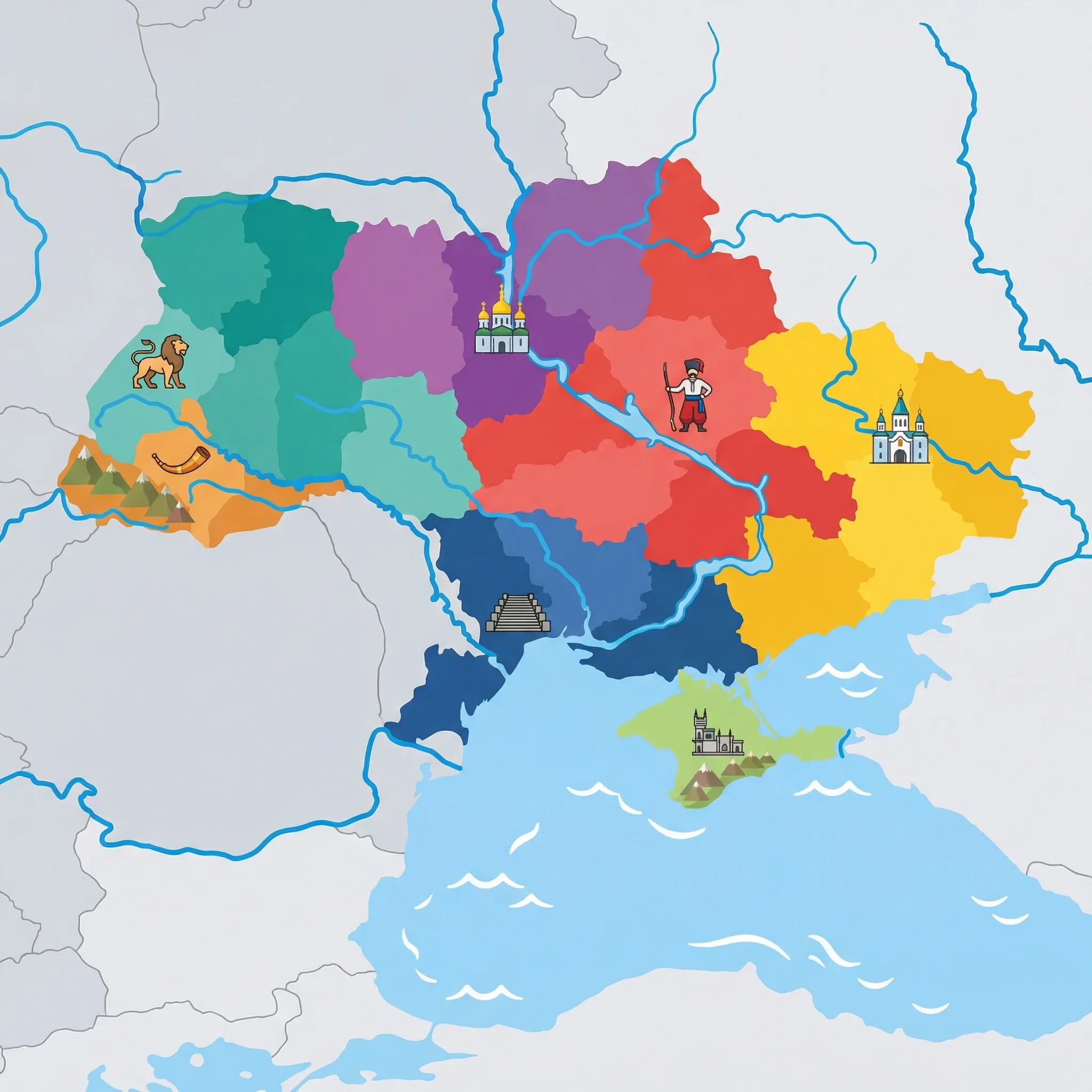
Click a region to explore
⚠️ SAFETY WARNING: Due to Russian military occupation and active conflict, government agencies (including CA, USA, UK, AU, IE, NZ) advise to do not travel to Crimea. The peninsula is inaccessible from mainland Ukraine and is a zone of significant military activity. There is no consular support available. Families are strongly urged to consult their own government's official travel advisory, which universally prohibits travel to this region.
Crimea is geographically distinct from the rest of the mainland, featuring a unique sub-Mediterranean climate on its southern coast that once attracted tsars and general secretaries alike. The Crimean Mountains rise sharply from the sea, creating a stunning backdrop of limestone cliffs protecting pebble beaches. The region is rich in history, from the ancient Greek city of Chersonesus to the Genoese fortresses and the ornate palaces of the 19th-century nobility. The interior offers aromatic lavender fields and fascinating cave cities carved into the soft rock.
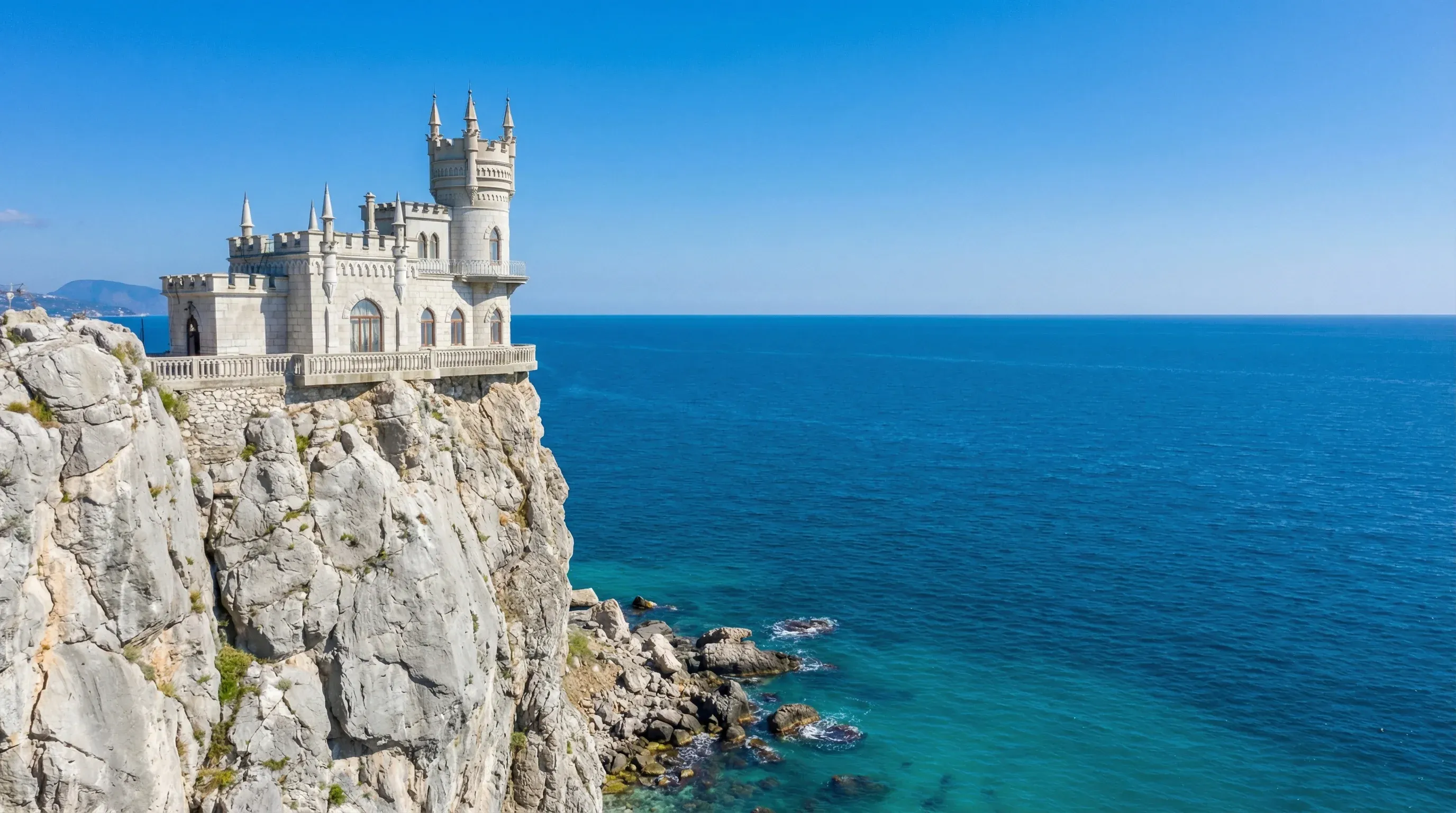
For families, the region was historically celebrated for its health resorts, dolphinariums, and the fairytale-like Swallow's Nest castle perched on a cliff edge. The Nikitsky Botanical Gardens and the scenic trolleybus route—the longest in the world—were major highlights. However, the current geopolitical situation makes these treasures entirely out of reach for international travelers. The infrastructure and legal environment are currently under occupation authorities, meaning standard travel insurance and banking cards will not function.
Key Attractions
While currently inaccessible, the region's heritage includes world-class sites. The Livadia Palace, site of the Yalta Conference, and the Vorontsov Palace are architectural marvels. The ancient cave city of Mangup-Kale offers incredible hiking opportunities through history. Bakhchysarai Palace stands as a testament to the Crimean Tatar heritage, with its famous Fountain of Tears. Hopefully, in the future, families will once again be able to explore these historic wonders safely.
Practical Advice
Best time to visit: N/A - Travel is currently not possible.
Logistics: Entry from Ukraine is blocked. Entry from Russia is illegal under Ukrainian law and international sanctions.
Food & Drink
Typical meal times: Standard times are 1:00 pm for lunch and 7:00 pm for dinner.
Typical meal costs: Prices are volatile due to logistics. Expect 800–1,500 UAH (approx. $20–37 USD / €18–34 EUR) equivalent for a meal, though local transaction currency is different.
Dietary requirements: Cuisine is a mix of Tatar, Slavic, and Mediterranean influences.
Signature dishes:
- Chebureki – Deep-fried turnover with minced meat and onions, a Crimean Tatar classic.
- Yantykh – Similar to chebureki but grilled on a dry pan, offering a lighter alternative.
- Lagman – A hearty noodle soup with lamb and vegetables, spiced with cumin and herbs.
Why this score?
The Crimean Mountains and rugged coastline offer dramatic scenery, sea caves, and cliffside hiking that provide a high level of physical adventure. However, the current political and military climate makes the region hazardous rather than traditionally adventurous for families.
Why this score?
International travel insurance typically does not cover this territory, and medical facilities have been severed from international standards and supply chains since 2014. Quality of care is inconsistent, and there is no specialized support for foreign tourists.
Why this score?
Once a major international destination for Soviet and Eastern European travelers, the ongoing occupation and international sanctions have effectively halted global tourism flow. Current access is almost entirely restricted to the domestic Russian market, making it inaccessible to the wider world.

Costs are currently difficult to estimate for international travelers due to the occupation and economic sanctions. Historically, it was a mid-to-high cost destination compared to the rest of Ukraine. Expect effectively higher costs due to scarcity and inflation.

Getting Here & Around
Getting Here
- No Access – There are currently no legal or safe routes for international tourists to enter Crimea. All entry points from the Ukrainian mainland are closed due to the occupation.
Getting Around
- Restricted – Internal movement is subject to military checkpoints and security restrictions.
No airports in this region. See the country flight map for nearby connections.
Official Links

Packing List
Travel to this region is not possible at this time
Region is inaccessible
Region is inaccessible
Region is inaccessible
Frequent power outages due to infrastructure attacks make backup power essential for phones.
Street lights are often turned off for camouflage or energy saving; essential for walking at night.
Visibility is poor in unlit streets; drivers cannot see pedestrians without reflective gear.
Mobile internet can be unstable or jammed; offline navigation is a critical backup.
ATMs and card terminals often fail during blackouts; cash is king in emergencies.
Air raid sirens are extremely loud and frequent, often disrupting sleep.
No activity data available for this region yet.

Public Holidays & Calendar Next 12 months
Public holidays, festivals, cultural celebrations, and seasonal natural phenomena coming up in Crimea (currently occupied; not accessible) over the next 12 months.
Loading holidays and events...

Travel Advisory
Extreme risk; travel strongly discouraged or prohibited due to ongoing full-scale military invasion and country-wide security threats.
Safety Topics
Traveller Advice (3 groups)

While the desire to help is recognized, the environment is too dangerous for individual volunteers. It is recommended to support established humanitarian organizations from abroad rather than traveling to the conflict zone.

All foreign nationals are strongly urged to avoid entering the country and to depart immediately if they are currently present. Safety cannot be guaranteed in any region due to the risk of indiscriminate strikes and active ground combat.

Media professionals are at extreme risk of injury, kidnapping, or death in combat zones. Proper military accreditation is mandatory for anyone attempting to report from the field, and the risk of being targeted is high.
Agency Summaries
United States authorities advise against all travel to Ukraine because of the active war. While some western regions are technically classified as Level 3 (Reconsider Travel), the national alert remains at the highest level. Citizens are warned of the risk of being targeted by security officials in occupied zones and the limited ability of the embassy to provide emergency assistance.
Australia continues to warn its citizens to avoid Ukraine entirely due to the volatile security environment and active military conflict. The advisory stresses that the security situation can change without notice and that the Australian Embassy in Kyiv is unable to provide advance warnings of attacks or in-person consular services.
New Zealand advises its citizens against all travel to Ukraine due to the invasion and military aggression. The government notes a real risk to life from heavy fighting and unexploded ordnance. Those currently in the country should seek shelter in secure locations until it is safe to depart via land borders.
Ireland maintains its highest warning level for Ukraine, advising against all travel for any purpose, including surrogacy arrangements. Citizens are told to leave immediately if they can do so safely, as drone and missile strikes occur almost daily and target civilian infrastructure like hotels and residential buildings.
British officials recommend against all travel to most of Ukraine, with only highly essential travel suggested for certain western regions. The warning highlights a significant increase in drone and missile attacks over the past year, resulting in high civilian casualties. Nationals are advised to stay alert to air raid sirens and be prepared to seek immediate shelter.
The Canadian government strongly advises against any travel to Ukraine due to the ongoing full-scale military invasion by Russia. Safety is at extreme risk throughout the country from missile and drone strikes targeting both government and civilian areas. Canadians currently present are urged to leave if safe and are warned that consular help is highly restricted.
Information is provided for general guidance only and does not constitute travel, safety, medical, or legal advice. Conditions may change. Users are responsible for independently verifying information before travel.