
Odesa & Black Sea Coast
The pearl of the Black Sea with a spirit of humor ⚓🌊
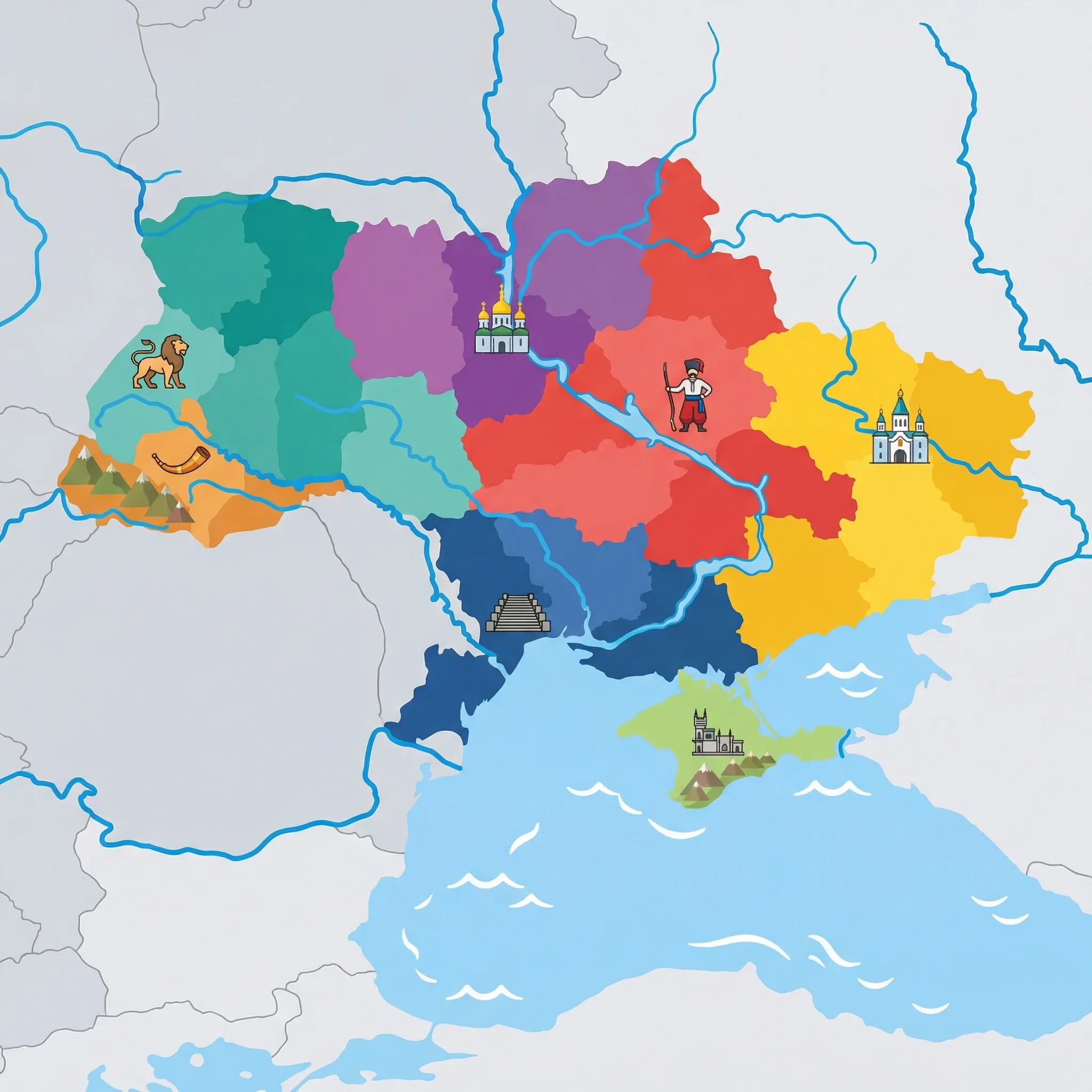
Click a region to explore
⚠️ SAFETY WARNING: Due to the threat of naval mines and missile attacks, government agencies (including CA, USA, UK, AU, IE, NZ) advise to do not travel to Odesa or the Black Sea Coast. The coastline is a defensive zone. Beaches are often closed and mined. Port infrastructure is frequently targeted. Families are strongly urged to consult their own government's official travel advisory before considering a trip, as circumstances and risk assessments vary.
Odesa is a city with a distinct personality—sun-drenched, witty, and fiercely independent. Founded by Catherine the Great, it has a more Mediterranean feel than the rest of Ukraine, with acacia-lined boulevards and Italianate architecture. For families, the city's appeal lies in its outdoor lifestyle. The Primorsky Boulevard offering views of the busy port (now heavily guarded) and the vast Shevchenko Park provide plenty of space for strolling. The city is built on a grid of catacombs, the longest in the world, which are a source of endless fascination and legends for older children.
The region stretches along the coast to the wilder steppe of Mykolaiv and Kherson. While the beaches are currently dangerous due to the war (mines are a serious risk), the estuaries or "limans" remain unique natural features. The air here is salty and curative. Odesa's courtyards are famous social spaces where neighbors live like a large family, and cats are treated like royalty—a detail kids always love. The culture is a melting pot of Jewish, Ukrainian, Greek, and Moldovan influences, creating a vibrant culinary and social scene.
Key Attractions
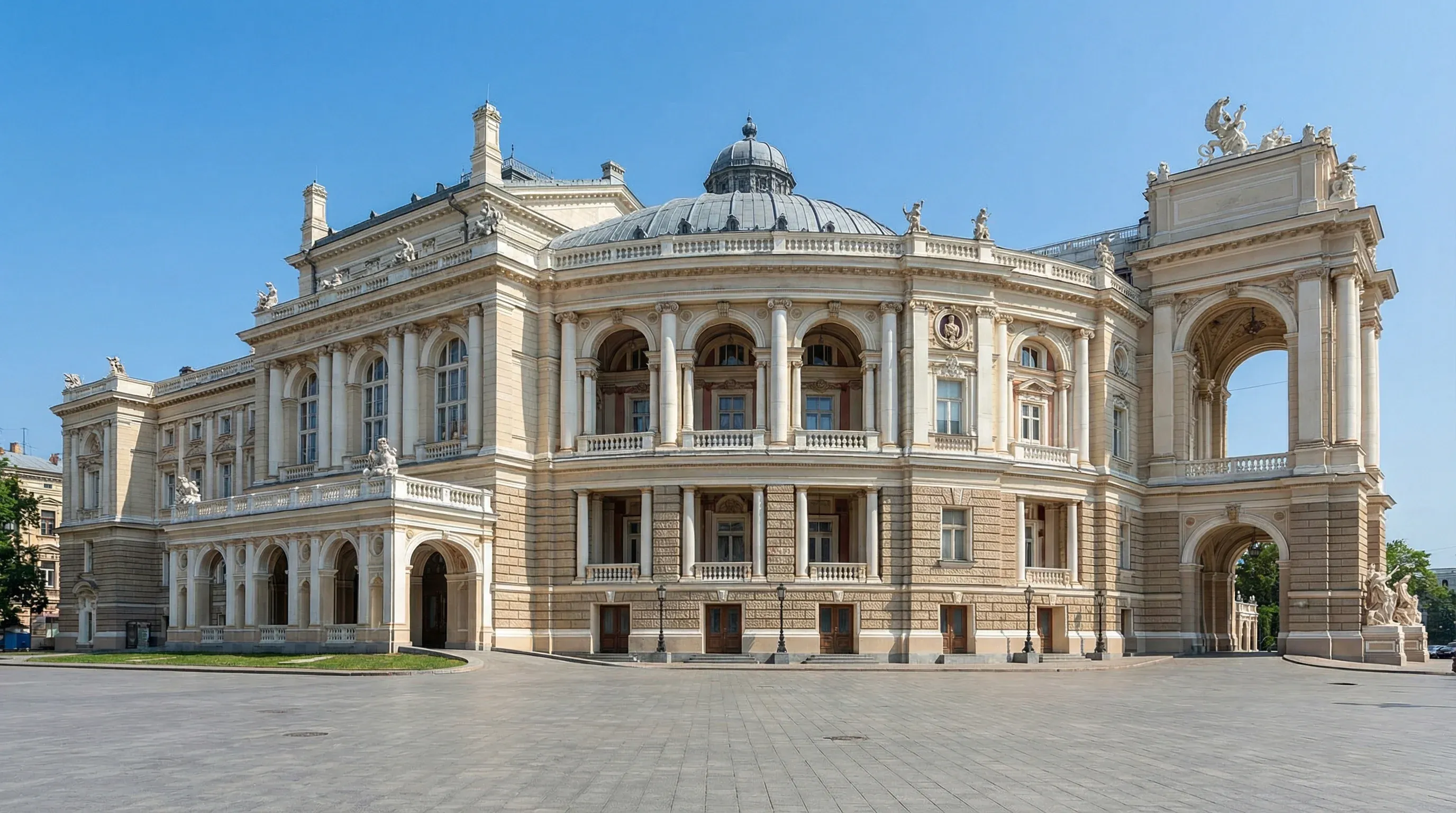
The Kuyalnik Mud Clinic is located on a saltwater estuary that turns pink in hot weather due to algae; it's a surreal landscape for photos and health treatments. The Odesa Opera and Ballet Theatre is one of the most beautiful in the world, and seeing a matinee performance there is a magical experience for children. The Potemkin Stairs are an architectural illusion and a fun cardio challenge for energetic kids. The city also hosts a zoo and a dolphinarium, though ethical views on these vary.
Practical Advice
Best time to visit: Summer is traditional, but currently dangerous. Late spring (May) is beautiful.
Logistics: Access to the sea is strictly prohibited in most areas due to mines. Do not ignore "Danger Mines" signs on beaches.
Food & Drink
Typical meal times: Lunch 1:00 pm to 3:00 pm. Dinner is late and long, often 8:00 pm to 10:00 pm.
Typical meal costs: A seafood dinner for a family costs 1,500–2,500 UAH (approx. $36–60 USD / €33–55 EUR).
Dietary requirements: Seafood is central, but vegetarian options are plentiful. Local tomatoes and vegetables are legendary for their flavor.
Signature dishes:
- Forshmak – The definitive Odesa appetizer: minced herring, apple, onion, and egg.
- Black Sea Mussels – Served in creamy garlic or tomato sauce, fresh from the local waters.
- Fried Gobies (Bychky) – Small, bony fish fried whole, eaten like chips by locals.
Why this score?
The region's primary appeal is coastal and urban, with the extensive catacombs offering a minor sense of underground exploration. It is not a rugged wilderness area, as much of the coast is developed for tourism and shipping.
Why this score?
Odesa has a well-developed healthcare system with private options that cater to the maritime industry and tourists. Facilities are generally reliable for families, though English proficiency among staff is lower than in Kyiv.
Why this score?
Odesa is a major port city and a famous seaside resort that attracts significant numbers of regional tourists. Its unique humor, catacombs, and architecture make it a recognized destination, though current maritime security concerns have limited beach access.

Odesa prices spike in summer but are generally reasonable. Accommodation ranges from budget hostels to luxury historic hotels (2,000–4,000 UAH / $48–97 USD per night). Market produce at the famous Privoz market is cheap if you know how to haggle.

Getting Here & Around
Getting Here
- Train – Overnight trains from Kyiv and Lviv are the safest way to reach Odesa. The journey is around 10–12 hours.
- Bus – Buses connect to Moldova (Chisinau), which is the nearest open airport for international access.
- Driving – The Kyiv-Odesa highway (E95) is in good condition but has numerous checkpoints.
Getting Around
- Trolleybus – Slow but scenic routes cover the city center and coast.
- Funicular – Runs alongside the Potemkin Stairs, saving little legs from the climb.
- Walking – The city center is compact and flat, perfect for strollers.
No airports in this region. See the country flight map for nearby connections.
Official Links

Packing List
The southern sun is significantly stronger here than in northern Ukraine
Estuaries and coastal humidity breed aggressive mosquitoes in summer
For safely viewing ships and birds from the high coastal bluffs
The famous Privoz market is largely cash-only and haggling is expected
Frequent power outages due to infrastructure attacks make backup power essential for phones.
Street lights are often turned off for camouflage or energy saving; essential for walking at night.
Visibility is poor in unlit streets; drivers cannot see pedestrians without reflective gear.
Mobile internet can be unstable or jammed; offline navigation is a critical backup.
ATMs and card terminals often fail during blackouts; cash is king in emergencies.
Air raid sirens are extremely loud and frequent, often disrupting sleep.

Activities & Best Times

Spa retreats, wellness centers, peaceful getaways
The region is home to the internationally recognized Kuyalnik Liman, famous for its therapeutic muds and historic 19th-century salt-water clinic, alongside several natural geothermal springs. Peak visitation occurs during the warm summer months when outdoor thermal pools are most accessible, while the damp and cold winter season significantly reduces the appeal for wellness tourism despite indoor facility availability.



Public Holidays & Calendar Next 12 months
Public holidays, festivals, cultural celebrations, and seasonal natural phenomena coming up in Odesa & Black Sea Coast over the next 12 months.
Loading holidays and events...

Travel Advisory
Extreme risk; travel strongly discouraged or prohibited due to ongoing full-scale military invasion and country-wide security threats.
Safety Topics
Traveller Advice (3 groups)

While the desire to help is recognized, the environment is too dangerous for individual volunteers. It is recommended to support established humanitarian organizations from abroad rather than traveling to the conflict zone.

All foreign nationals are strongly urged to avoid entering the country and to depart immediately if they are currently present. Safety cannot be guaranteed in any region due to the risk of indiscriminate strikes and active ground combat.

Media professionals are at extreme risk of injury, kidnapping, or death in combat zones. Proper military accreditation is mandatory for anyone attempting to report from the field, and the risk of being targeted is high.
Agency Summaries
United States authorities advise against all travel to Ukraine because of the active war. While some western regions are technically classified as Level 3 (Reconsider Travel), the national alert remains at the highest level. Citizens are warned of the risk of being targeted by security officials in occupied zones and the limited ability of the embassy to provide emergency assistance.
Australia continues to warn its citizens to avoid Ukraine entirely due to the volatile security environment and active military conflict. The advisory stresses that the security situation can change without notice and that the Australian Embassy in Kyiv is unable to provide advance warnings of attacks or in-person consular services.
New Zealand advises its citizens against all travel to Ukraine due to the invasion and military aggression. The government notes a real risk to life from heavy fighting and unexploded ordnance. Those currently in the country should seek shelter in secure locations until it is safe to depart via land borders.
Ireland maintains its highest warning level for Ukraine, advising against all travel for any purpose, including surrogacy arrangements. Citizens are told to leave immediately if they can do so safely, as drone and missile strikes occur almost daily and target civilian infrastructure like hotels and residential buildings.
British officials recommend against all travel to most of Ukraine, with only highly essential travel suggested for certain western regions. The warning highlights a significant increase in drone and missile attacks over the past year, resulting in high civilian casualties. Nationals are advised to stay alert to air raid sirens and be prepared to seek immediate shelter.
The Canadian government strongly advises against any travel to Ukraine due to the ongoing full-scale military invasion by Russia. Safety is at extreme risk throughout the country from missile and drone strikes targeting both government and civilian areas. Canadians currently present are urged to leave if safe and are warned that consular help is highly restricted.
Information is provided for general guidance only and does not constitute travel, safety, medical, or legal advice. Conditions may change. Users are responsible for independently verifying information before travel.