
Great Zimbabwe & Masvingo
Uncover the secrets of the ancient stone city 🏛️
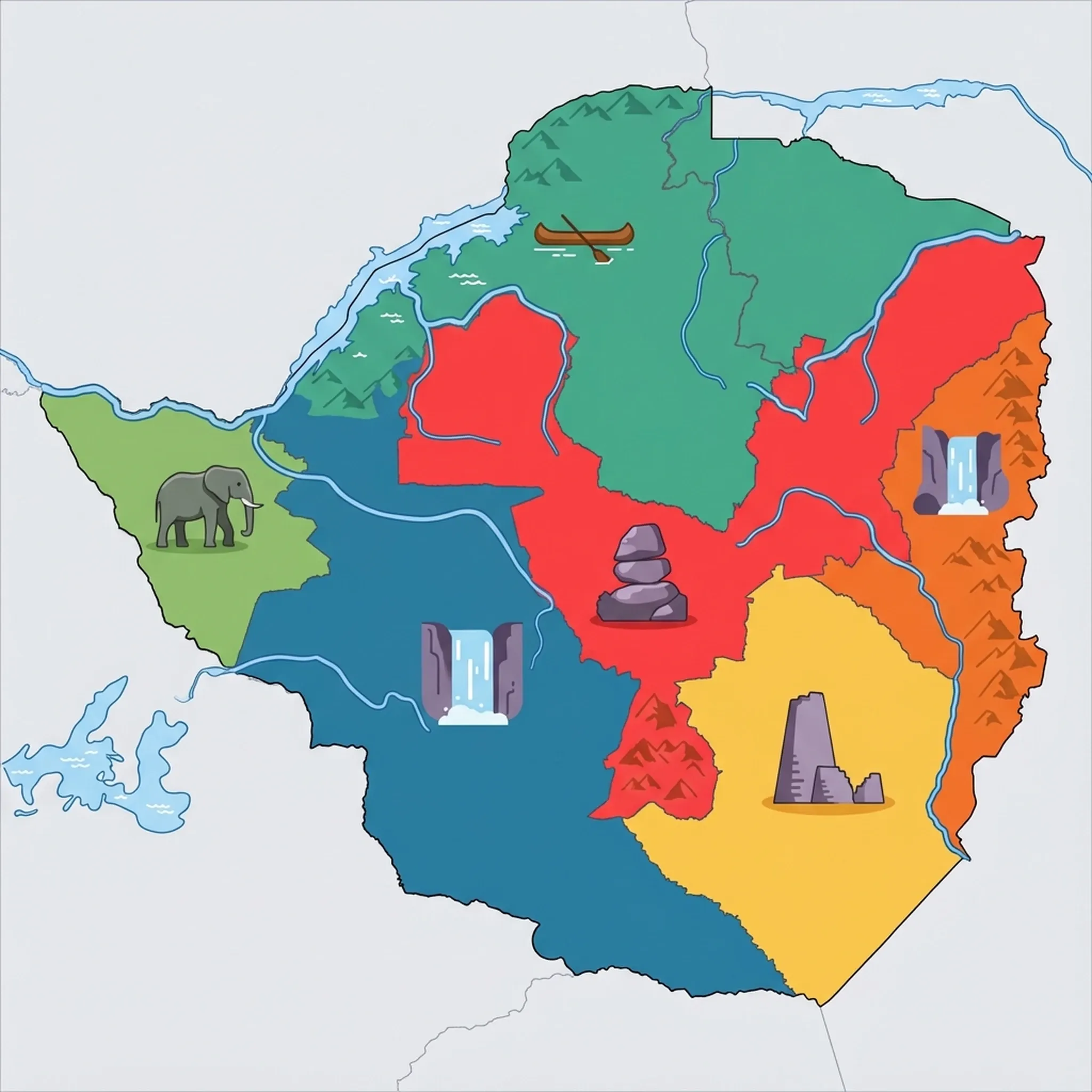
Click a region to explore
The Masvingo province is the historical heart of the nation—in fact, the country takes its name "Zimbabwe" (House of Stone) from the ruins found here. For families who want to add an educational layer to their holiday, this region is indispensable. The landscape is characterized by smooth granite domes (kopjes) balancing precariously on top of one another, grassy plains, and the vast expanse of Lake Mutirikwi. It is a quieter region than Victoria Falls, offering a peaceful atmosphere where families can immerse themselves in the mystery of the past without the crowds. The local Karanga culture is welcoming, and there are opportunities to visit cultural villages to learn about traditional pottery and weaving.
Beyond the history, the region serves as a recreational hub thanks to the lake. The climate is generally warm and dry, making it a pleasant stopover between the Eastern Highlands and Bulawayo or Hwange. It provides a crucial narrative to the African story, showing children that great civilizations thrived here long before colonial times. The combination of climbing through ruins in the morning and fishing or boating in the afternoon creates a balanced itinerary that keeps both parents and active children engaged.
Key Attractions
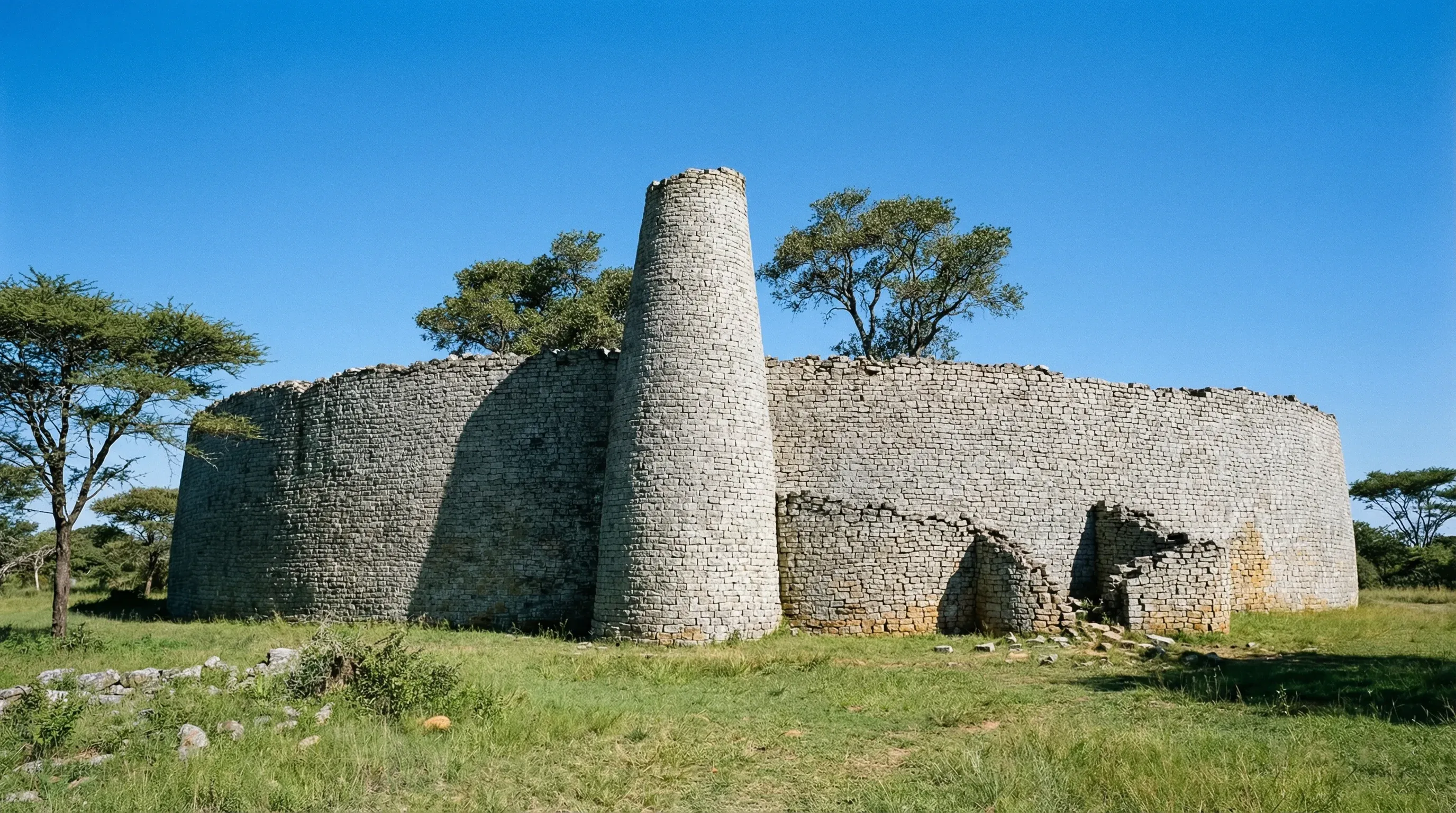
The absolute must-see is the Great Zimbabwe National Monument. A UNESCO World Heritage site, this ancient city dates back to the 11th century. Families can explore the Hill Complex, which involves a stepped climb offering commanding views over the valley—older kids love the sense of adventure in scrambling up the ancient paths. The Great Enclosure, with its iconic Conical Tower and massive dry-stone walls (built without mortar), is a marvel of engineering. Local guides are excellent at explaining the history in a way that captivates children, sharing legends of the Shona kings who once ruled here.
Nearby, Lake Mutirikwi (Lake Kyle) offers a different pace. It is Zimbabwe's largest inland water body and is home to the Kyle Recreational Park. While not a "Big Five" park, it is a fantastic place for families to see white rhinos, which are heavily protected here. Walking safaris to see the rhinos are popular and can be done with experienced rangers, offering a rare chance to see these prehistoric-looking beasts on foot. The dam wall itself is an impressive engineering sight, and boat cruises on the lake offer a relaxing way to spot hippos and crocodiles from a safe distance.
Practical Advice
The best time to visit is May to September when the weather is mild and dry. The ruins can get very hot in the midday sun, so plan your exploration for early morning (opening at 6:00 am in summer, 8:00 am in winter) or late afternoon. Wear sturdy shoes for the Hill Complex climb. Malaria risk is present but generally lower here than in the Zambezi valley; prophylaxis is still recommended.
Food & Drink
Typical meal times: Lunch is typically 12:00 pm to 2:00 pm, and dinner is served 6:30 pm to 8:30 pm. Hotels often offer buffet dinners.
Typical meal costs: A standard restaurant meal costs $12–20 USD (approx. €11–18 EUR / £9–16 GBP). Fast food options in Masvingo town are cheaper, around $5–8 USD (approx. €4.50–7.50 EUR / £4–6.50 GBP).
Dietary requirements: Hotels near the ruins cater to tourists and can manage common allergies. Vegan options may be limited to salads and side dishes unless pre-arranged.
Signature dishes:
- Sadza ne Nyama – The national staple: thick white maize porridge served with beef stew and green leafy vegetables (covo or rape).
- Kariba Bream – Although from Kariba, tilapia (bream) is farmed in Lake Mutirikwi and served fresh—fried or grilled.
- Mopane Worms – For the brave! These dried caterpillars are a protein-rich local delicacy, often served in a tomato and onion sauce.
Why this score?
Adventure here is relatively mild, consisting mostly of exploring ancient stone ruins and light boating or rhino tracking at Lake Mutirikwi. The terrain is accessible and the infrastructure is designed for low-impact cultural exploration rather than rugged wilderness survival.
Why this score?
Healthcare in Masvingo is limited to provincial hospitals that may not meet international standards for specialized care. Foreign visitors typically rely on basic stabilization before seeking more advanced medical services in Harare or abroad via travel insurance.
Why this score?
As a UNESCO World Heritage site, Great Zimbabwe is a significant historical landmark, yet it receives far fewer international visitors than the natural wonders of the west. It primarily serves as an educational stop for tour groups and domestic travelers rather than a primary destination for global tourists.

This is one of the more affordable regions. Entry to the ruins is reasonably priced for internationals ($15 USD / approx. €14 EUR / £12 GBP). Accommodation ranges from budget campsites at $20 USD (approx. €18 EUR / £16 GBP) to mid-range lodges at $100–150 USD (approx. €90–140 EUR / £80–120 GBP) per night.

Getting Here & Around
Getting Here
- Driving – Masvingo is a major hub on the main road between Harare and South Africa (Beitbridge). The drive from Harare takes about 3.5 to 4 hours. The road is generally paved but watch for potholes and livestock.
- Bus – Regular buses run from Harare to Masvingo, but they drop off in town, requiring a taxi to reach the Great Zimbabwe National Monument (approx. 25km away).
Getting Around
- Car – Having your own vehicle is highly recommended to shuttle between your accommodation, the ruins, and the lake. Taxis are available but can be unreliable for return trips from the lake.
- Walking – Within the Great Zimbabwe National Monument, walking is the only way to see the ruins. The site is extensive, so bring a carrier for toddlers.
No airports in this region. See the country flight map for nearby connections.
Official Links

Packing List
The granite rocks on the Hill Complex climb can be slippery and steep.
The ruins are exposed with very little shade during the main part of the day.
There are few vendors inside the monument complex; you must carry your own hydration.
Signage is sparse at the ruins; a book helps explain the significance to children.
Change is almost never available; $1, $5, and $10 notes are essential for tips and small purchases.
Hotel sockets vary (Type G/D) and outlets are scarce; vital for charging multiple family devices.
Power cuts (load shedding) are frequent, and safari camps can be very dark at night.
Essential for protecting phones and cameras from the heavy spray at Victoria Falls.
Morning game drives and evenings are surprisingly cold, often dropping below 10°C (50°F).
Keeps children engaged on safari; sharing one pair among a family often leads to frustration.

Activities & Best Times

Hiking, wildlife, outdoor exploration, ecotourism
Features significant wildlife sanctuaries like Lake Mutirikwi and Mushandike, offering authentic bushveld immersion. Peak visiting occurs during the dry winter months when vegetation thins and animals congregate at water sources.

Urban tourism, museums, historical sites, architecture
Centred on the UNESCO-listed Great Zimbabwe National Monument, providing a world-class archaeological experience of immense historical depth. Dry, cool months are essential for safely navigating the extensive granite stone complexes and Hill Complex paths.

Sport tourism, fitness activities, active recreation
Offers recognized hiking routes through ancient ruins and cycling trails along the Lake Mutirikwi shoreline. Peak conditions align with the cooler winter season to avoid the high heat and humidity of the tropical summer.

Scenic drives, countryside tours, route-based travel
Includes scenic drives around the lake and the historic Birchenough Bridge route. Best driven in the dry season when road infrastructure is most stable and landscape visibility is at its highest.




Public Holidays & Calendar Next 12 months
Public holidays, festivals, cultural celebrations, and seasonal natural phenomena coming up in Great Zimbabwe & Masvingo over the next 12 months.
Loading holidays and events...

Travel Advisory
The strong majority of international agencies recommend exercising elevated caution in Zimbabwe. This consensus is driven by significant concerns regarding street crime, the potential for political demonstrations to turn violent, and an unstable economic environment that impacts the reliability of basic services.
Safety Topics
Traveller Advice (3 groups)

Foreign media workers and journalists may face increased scrutiny or official harassment. Ensure all accreditation is properly obtained before attempting to report or film.

Female travellers should avoid walking alone at night and remain vigilant in isolated areas or when using public transport. Dressing conservatively is recommended to respect local norms.

Same-sex sexual activity is criminalised and can lead to imprisonment. Social intolerance is common, and public displays of affection may attract negative attention or legal consequences.
Agency Summaries
A high level of care is necessary due to the threat of crime and civil unrest. The economic situation is volatile, and protests can emerge quickly and become violent.
Irish citizens are urged to maintain high personal security awareness. The risk of muggings and pickpocketing is elevated in cities, especially after dark.
Visitors should increase their safety awareness because of frequent opportunistic crime and the possibility of official harassment of foreign nationals. Violent crimes like carjackings and home invasions also occur.
Travellers are advised to be extremely vigilant due to a high rate of crime and the potential for sudden civil disturbances. The security environment remains unpredictable.
While most visits are incident-free, there is a persistent risk of street crime and political demonstrations. Travellers should avoid any political activity and remain alert in urban areas.
Travelers should be cautious due to safety concerns that exceed standard levels. Political tension is common, and basic infrastructure like power and water can be unreliable.
Information is provided for general guidance only and does not constitute travel, safety, medical, or legal advice. Conditions may change. Users are responsible for independently verifying information before travel.