

Italy stands out as one of the world's most welcoming destinations for families. The Italian culture places a high value on children (bambini), meaning kids are not just tolerated but warmly embraced in restaurants, shops, and public squares. From the snowy peaks of the Alps to the sun-drenched beaches of Sicily, the country offers a diverse geography that functions as an open-air classroom.
Geography and Climate
Shaped like a boot kicking the island of Sicily, Italy offers distinct experiences depending on where you travel. The north features the dramatic Dolomites and calm lakes like Lake Garda, which is home to Gardaland theme park. Central Italy rolls with the famous hills of Tuscany, while the south offers dramatic coastlines and volcanic landscapes. Summers can be intensely hot, particularly in July and August, so many families prefer visiting in spring or autumn when the weather is mild enough for all-day exploration.
Family Travel Highlights
Most family itineraries revolve around the "Big Three": Rome, Florence, and Venice. In Rome, history becomes tangible; children can attend "Gladiator School" to learn sword fighting or explore the underground tunnels of the Colosseum. Venice is magical for younger travelers because it is completely car-free; families can navigate the city by vaporetto (water bus) or gondola. In Florence, the climb to the top of the Duomo offers a physical challenge with a rewarding view, while the nearby Leaning Tower of Pisa provides the perfect backdrop for funny perspective photos.
Food and Dining
Italian cuisine is naturally kid-friendly. Picky eaters are easily satisfied with simple pasta al pomodoro or pizza margherita. Gelato shops (gelaterias) are on nearly every corner, offering a sweet incentive for walking tours. Dining times are later than many families are used to, with restaurants often opening for dinner after 7:30 PM. However, lively piazzas allow children to run and play while parents finish their meals nearby.
Practical Considerations
Traveling between cities is efficient thanks to high-speed trains like the Frecciarossa, which are often more convenient than driving. While Italy is walkable, parents with toddlers should note that Venice's bridges and Rome's cobblestones can be difficult for lightweight strollers; a sturdy carrier is often a better choice. Public restrooms can be scarce, so carrying small change for paid facilities is wise.
Explore Regions
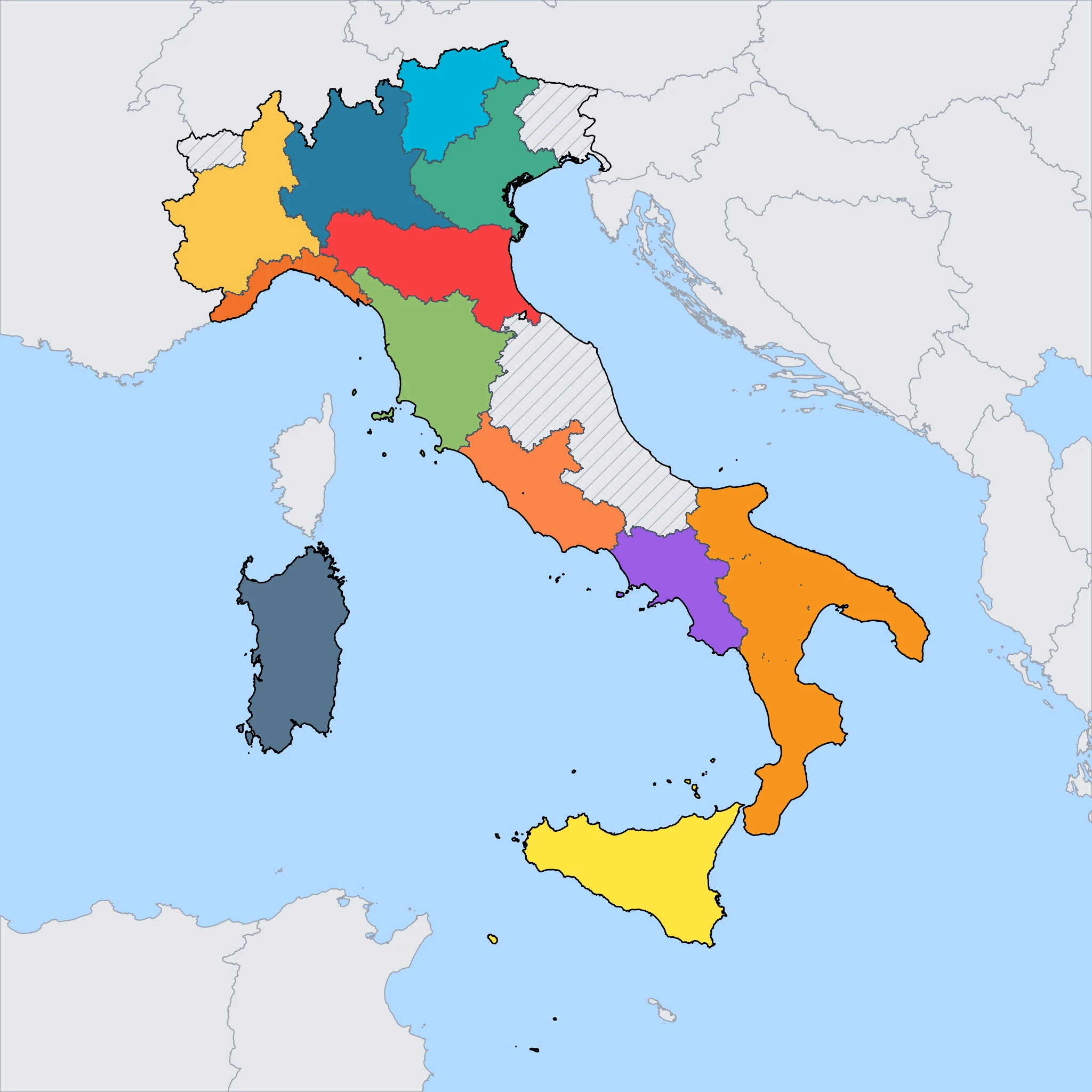
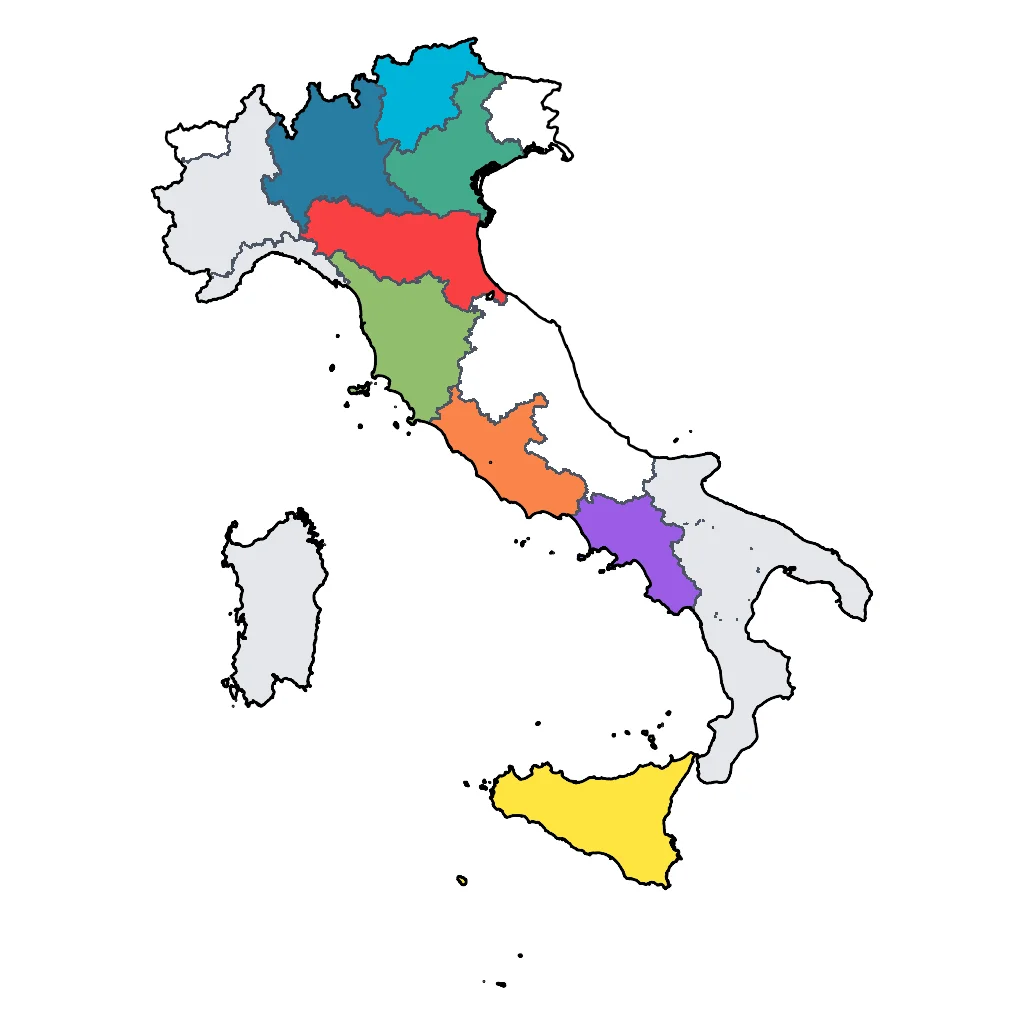
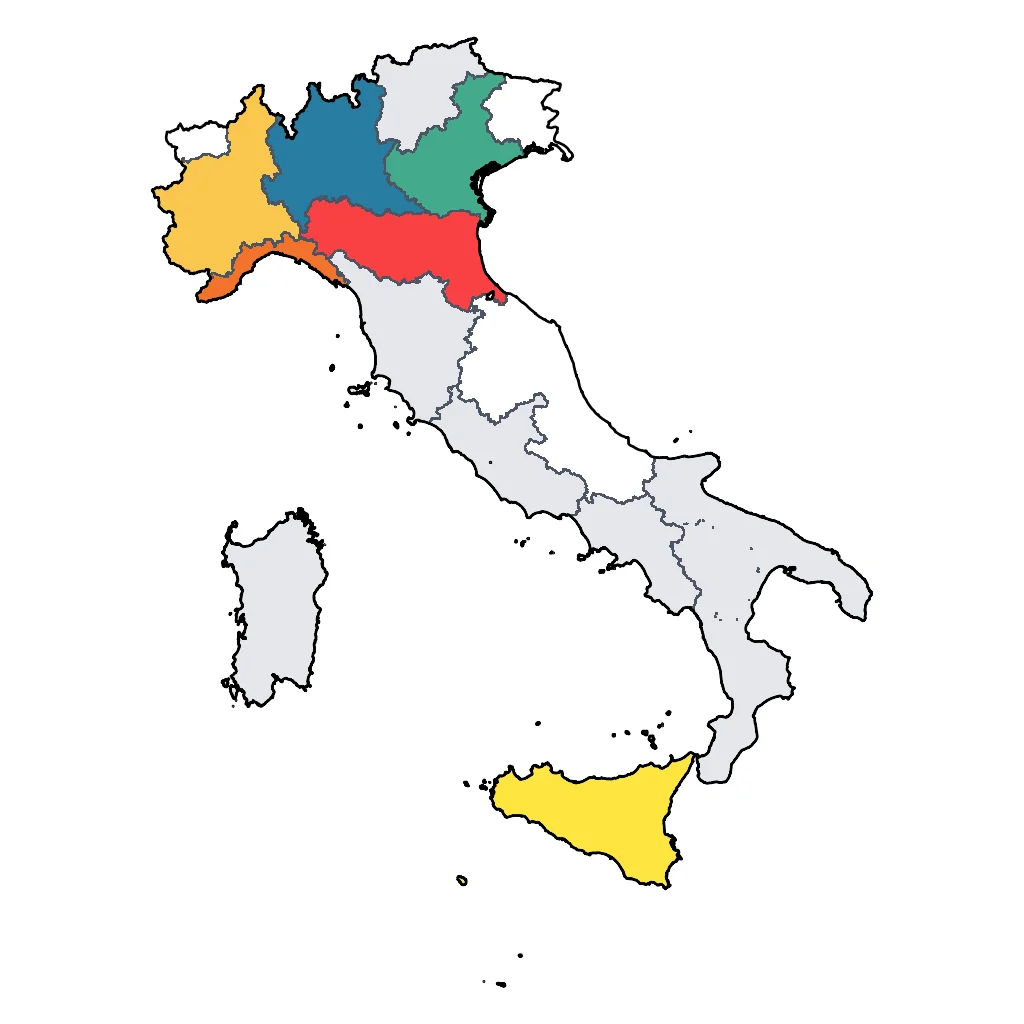
12 Regions
Dolomites & South Tyrol
Jagged peaks, easy trails, and Alpine adventures 🏔️
Emilia-Romagna (Bologna)
Fast cars, slow food, and sandy beaches 🏎️🍝
Italian Lakes (Como, Garda, Maggiore)
Theme parks, castles, and boat trips 🛥️🎢
Liguria (Cinque Terre, Genoa)
Colorful villages, giant aquariums, and pesto 🌿🐠
Milan & Lombardy
Rooftop views, inventions, and city castles 🏰🚇
Naples & Campania (Amalfi, Pompeii)
Volcanoes, ancient ruins, and the world's best pizza 🍕🌋
Puglia & Southern Italy
Fairytale houses and crystal-clear swimming 🧚🌊
Rome & Lazio
Gladiators, gelato, and living history ⚔️🏛️
Sardinia
Caribbean-style beaches and ancient towers 🏖️⛵
Sicily
Smoking volcanoes, Greek temples, and puppets 🌋🎭
Tuscany (Florence, Siena, Chianti)
Leaning towers, walled cities, and farm stays 🌻🍷
Venice & Veneto
Floating city, glass blowing, and Roman arenas 🎭🛶
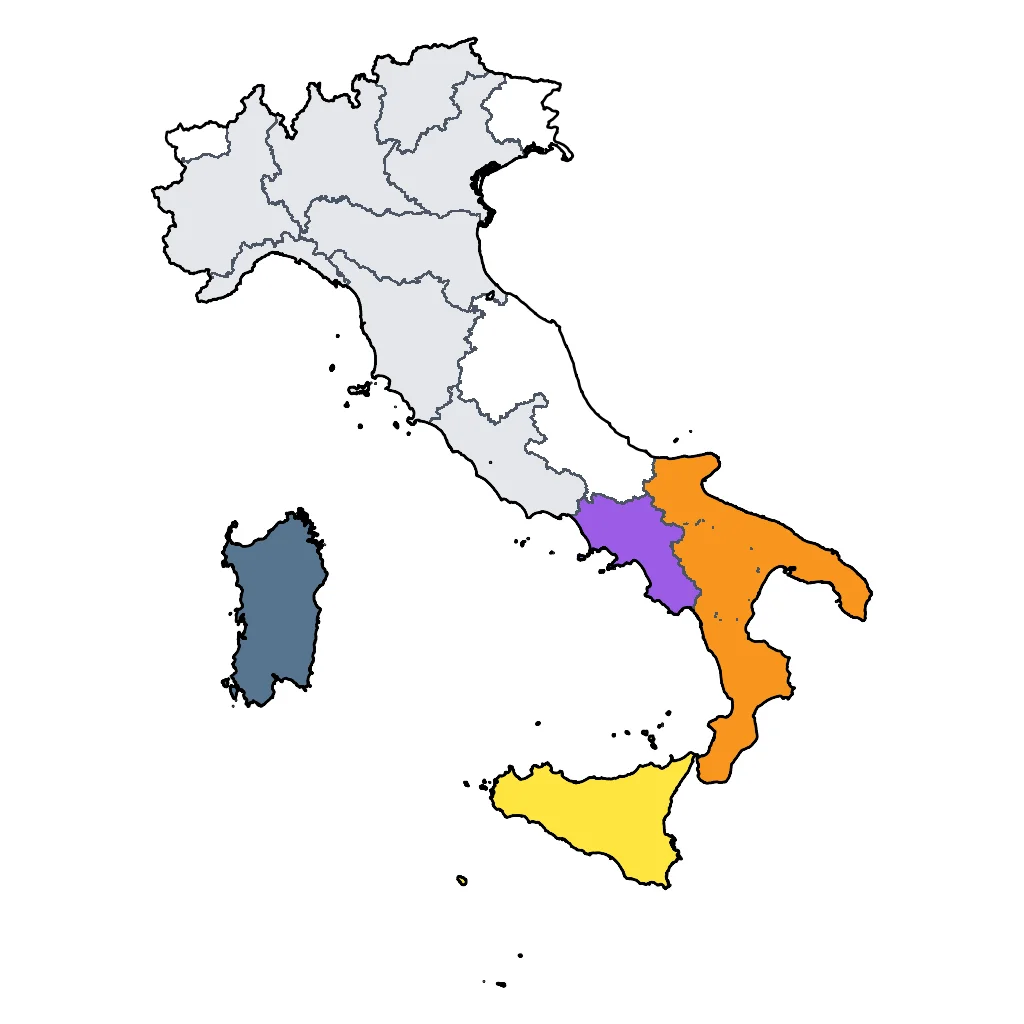
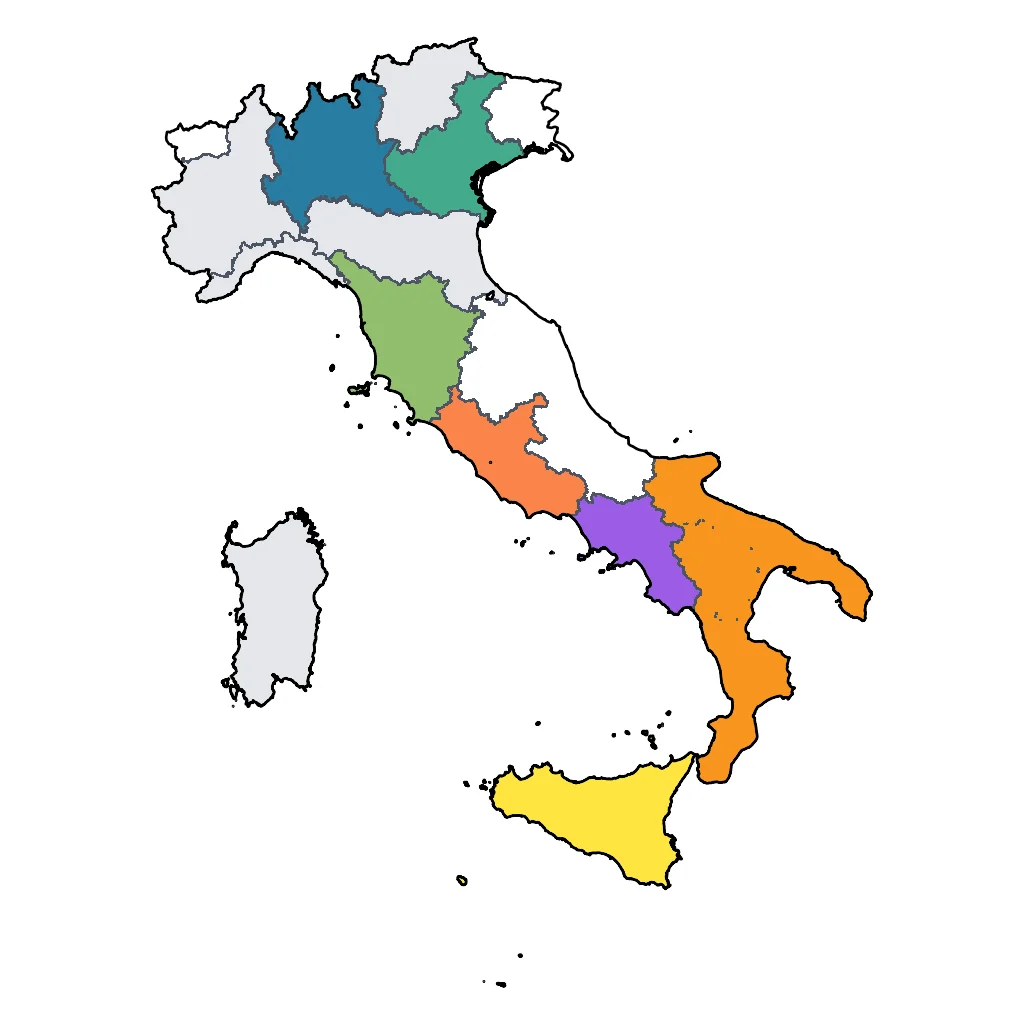
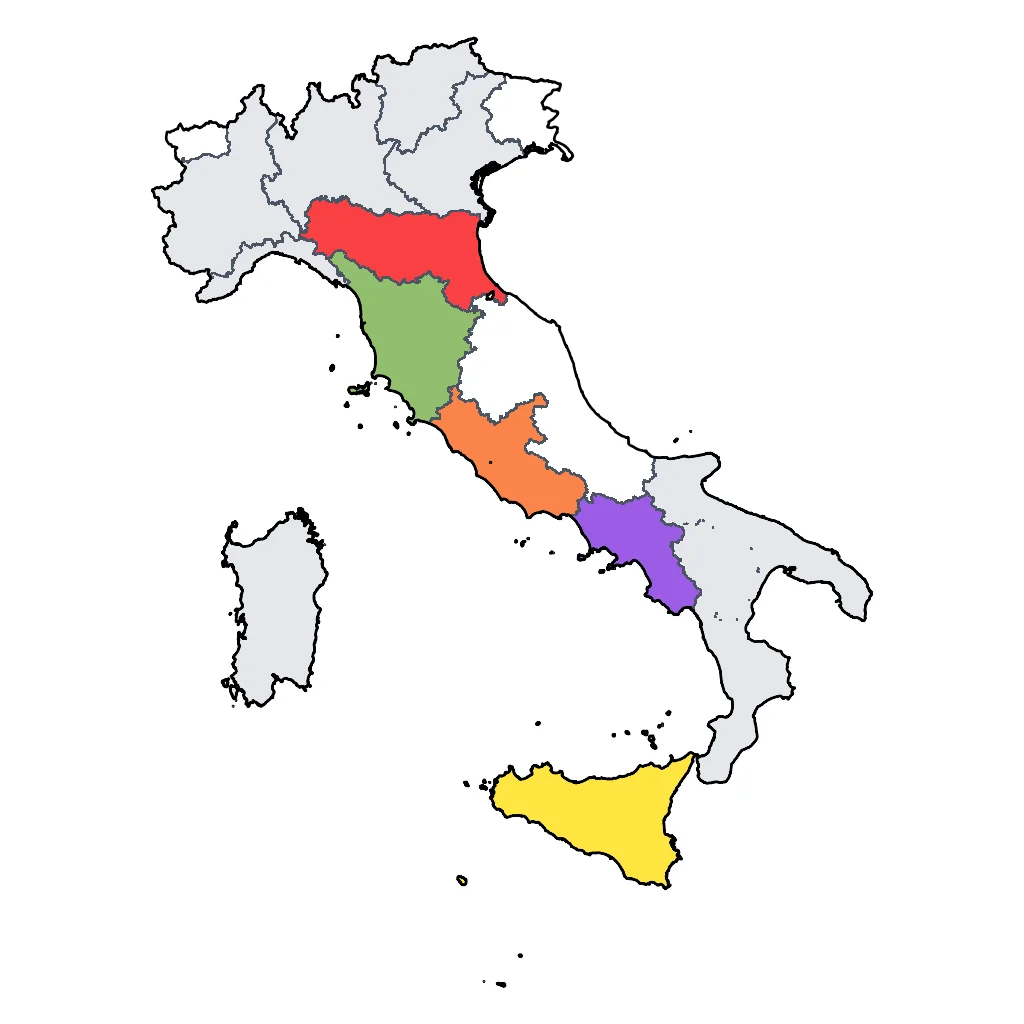
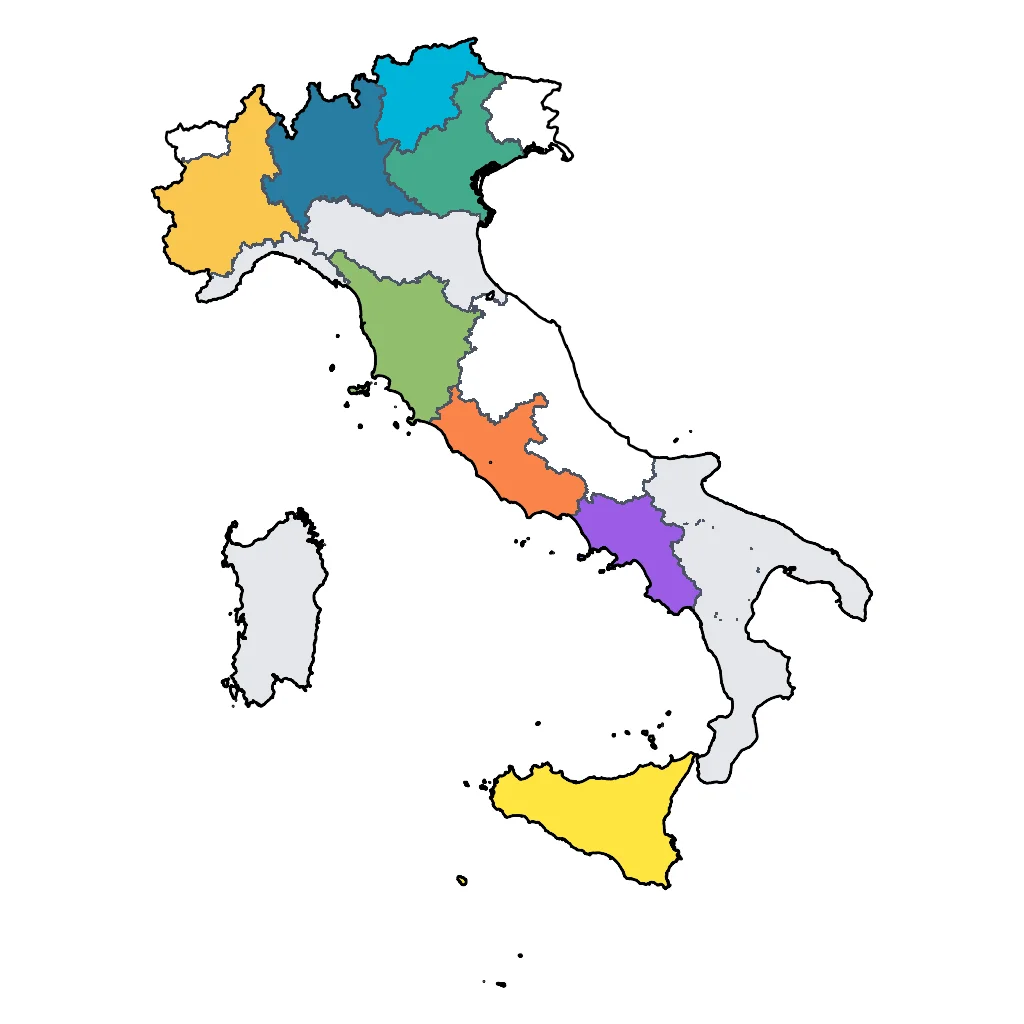
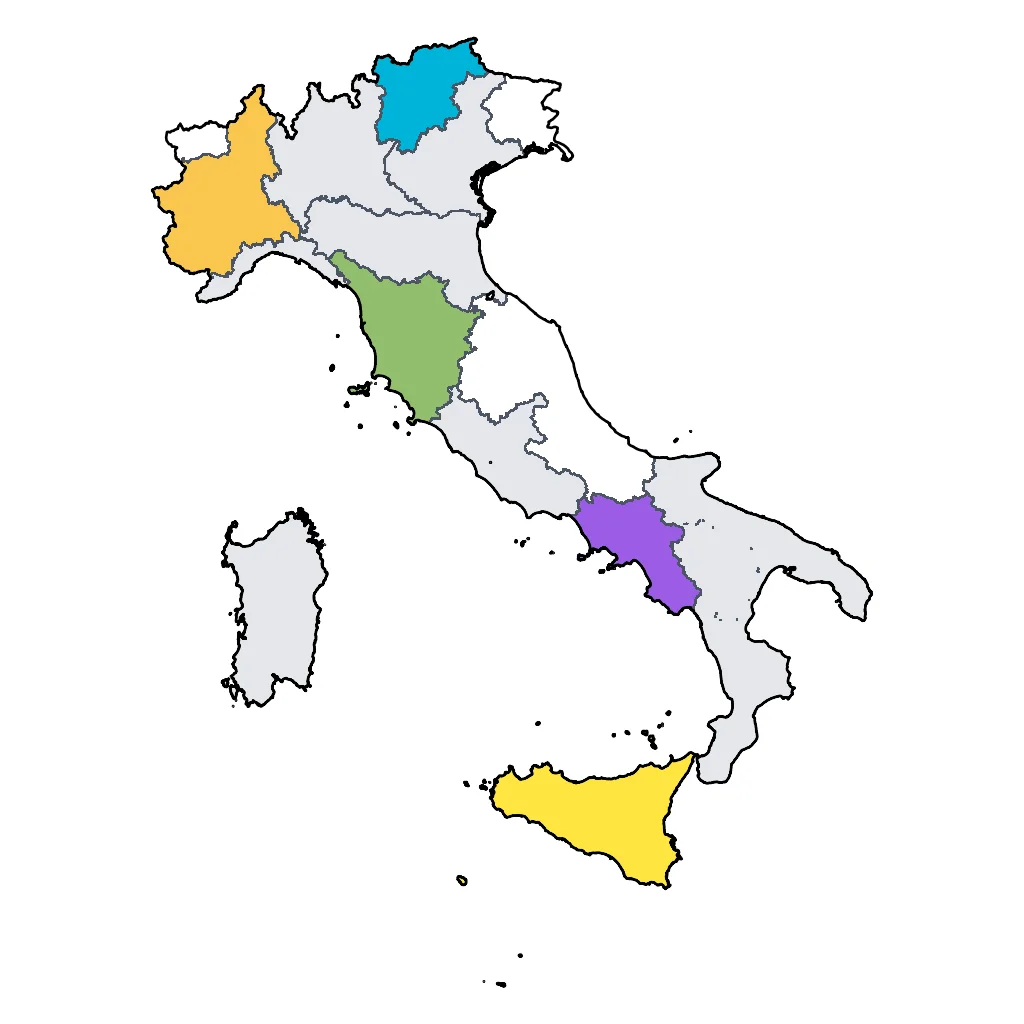
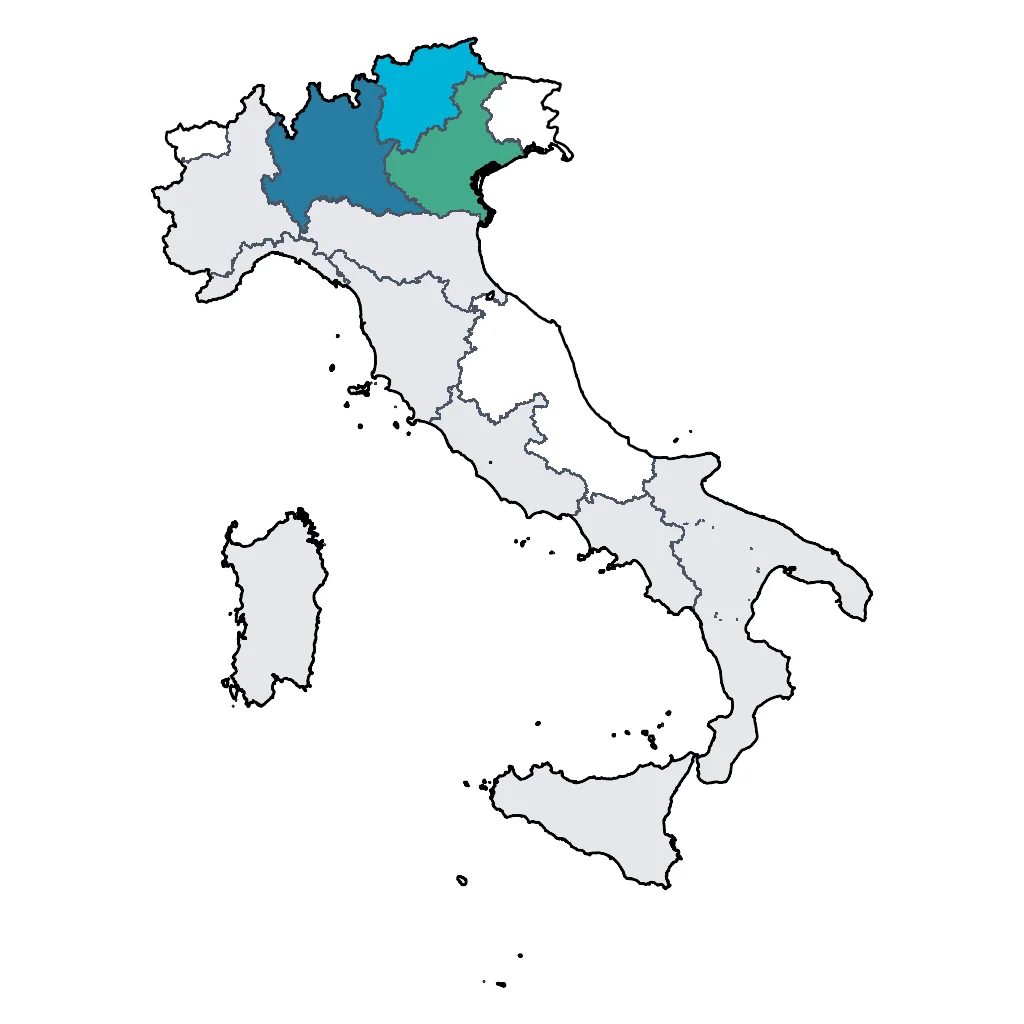
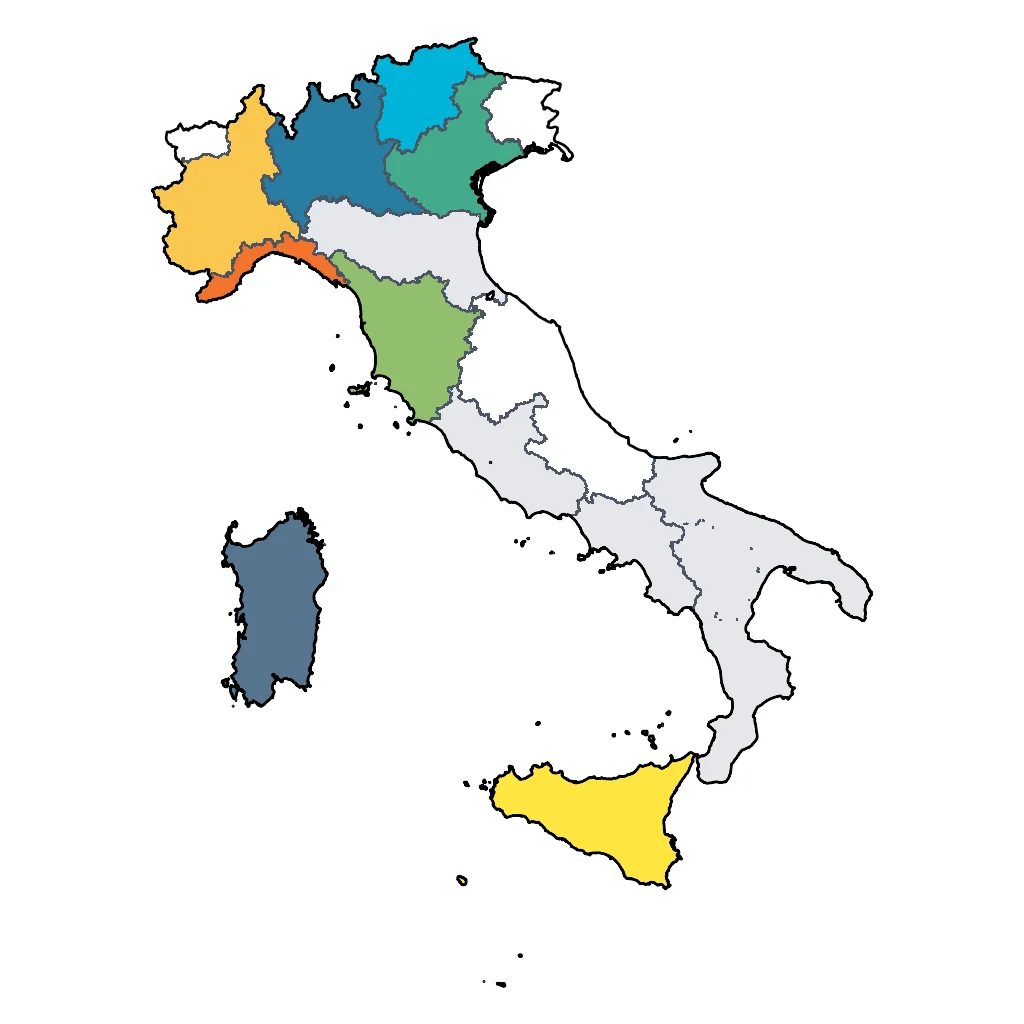
Click on a region marker to explore details. Use the dropdown to color regions by activity suitability.

Activities & Best Times

Adventure & Nature
ExcellentHiking, wildlife, outdoor exploration, ecotourism
The unique experience of hiking on Mount Etna, Europe's most active volcano, provides a world-class adventure for families. Spring and autumn offer ideal conditions for exploring volcanic landscapes and coastal reserves like Zingaro, whereas winter brings snow and closures to high-altitude trails.
A UNESCO World Heritage site offering world-class hiking and via ferrata through iconic jagged limestone peaks. Peak summer (Jul-Aug) provides the best access to high-altitude trails, while shoulder months offer stunning autumn colors and manageable temps, though May is often too wet and winter brings heavy snow closures.
Features dramatic alpine foothills with high-quality hiking trails that provide spectacular views of the deep blue lakes. Peak months offer the best trail stability and visibility; shoulder months are suitable but can be quite wet, especially in May and October.

Beach & Sea
ExcellentBeach resorts, marine activities: diving, snorkelling, kite surfing, wind surfing, sailing
Home to the iconic Amalfi Coast and the islands of Capri and Ischia, offering world-class beach clubs and sailing. Peak summer provides the necessary 25°C+ temperatures and dry conditions for the Mediterranean lifestyle, while shoulder months offer quieter waters despite slightly cooler temperatures.
Sardinia offers world-class turquoise waters and white sands that rival the Maldives, particularly in the Costa Smeralda and La Maddalena. Peak summer months provide the perfect 25-31°C air temperatures and calm, clear seas, while winter brings high rainfall and significant seasonal closures.
Home to the 'Maldives of Italy' in Salento, the region offers crystal-clear Adriatic and Ionian waters with high-end beach clubs. Peak summer months provide the necessary heat and calm seas, while shoulder months offer warmer water but slightly more variable air temperatures.

City & Cultural
ExcellentUrban tourism, museums, historical sites, architecture
Milan and UNESCO cities like Mantua offer world-class art and architecture, including Da Vinci’s Last Supper. Peak spring and autumn provide mild temperatures for urban discovery; summers are oppressively humid, and winters are often foggy and biting.
Naples is a global cultural powerhouse with unrivaled Baroque architecture, the Sansevero Chapel, and world-class museums. Peak months align with the driest weather for urban exploration, whereas the heavy rainfall of late autumn and winter can detract from the city's atmospheric but narrow streets.
Venice and Verona offer world-class UNESCO heritage, unique architecture, and unparalleled historical depth. Peak months provide mild walking temperatures (18-22°C); summer is hot and humid, while winter brings high-tide flooding (Acqua Alta) and damp cold.

Educational & Exploratory
ExcellentLearning experiences, scientific sites, historical education
The region hosts Pompeii and Herculaneum, arguably the world's most significant archaeological sites for understanding Roman life. These outdoor sites are best experienced during the low-rainfall months of late spring and summer; winter rain and cold temperatures significantly limit the immersive educational experience.
Unrivaled access to archaeological sites, Renaissance history, and authentic culinary education through world-class workshops. Peak timing allows for full access to outdoor sites in comfortable weather; shoulder months have shorter days and more rain; winter weather limits the outdoor exploratory aspect of historical education.
Home to some of the world's most intact Greek temples in Agrigento and the Roman mosaics of Piazza Armerina, the region is a premier destination for historical learning. Sites are best visited in the mild transition seasons to avoid the extreme heat and direct sun exposure of mid-summer.

Festivals & Seasonal
ExcellentEvents, celebrations, seasonal attractions
Venice Carnival (Feb), the Verona Opera Festival (summer), and the Venice Film Festival (Sept) are globally iconic cultural events. These peak periods offer authentic, high-caliber experiences, though winter festivals require tolerance for the region's damp, cool climate.
Fashion Week and Salone del Mobile are industry trade events with limited public access, not traditional cultural festivals that typical holiday travelers can attend. Venice Carnival, Verona Opera, and the Palio di Siena are genuine seasonal cultural tourism festivals. Conflating trade fairs with holiday festivals over-calibrates this rating. 'Very_good' acknowledges the cultural significance while recognizing these events are not primarily oriented toward tourist participation.
Famous for the historic Christmas markets of Via San Gregorio Armeno in December and major religious festivals during Easter (April) and Ferragosto (August). These periods offer high authenticity and unique cultural traditions that appeal to sophisticated travelers seeking genuine local immersion.

Relaxation & Wellness
ExcellentSpa retreats, wellness centers, peaceful getaways
Renowned for elite wellness retreats and historic thermal spa towns like Sirmione, offering a sophisticated sanctuary for discerning travelers. Summer months are peak for outdoor relaxation by the water; shoulder seasons remain pleasant for indoor thermal treatments despite higher rainfall.
Offers a sophisticated blend of luxury villa retreats and high-end thermal spa facilities set within a tranquil, world-class landscape. Warm, dry weather from May to September is optimal for outdoor relaxation and alfresco dining; shoulder months are cooler; winter's humidity (up to 64%) and low temps make outdoor wellness less appealing.
The primary evidence cited is 'Sirmione thermal spas' — the same asset claimed by Italian Lakes region (which correctly rates excellent for relaxation_wellness). Milan itself is a business/fashion city, not a wellness destination. Bormio's Roman baths are genuine but niche. Having two overlapping regions both claim 'excellent' for the same thermal spa town inflates the picture. Italian Lakes should own the 'excellent' wellness rating; Milan & Lombardy at 'very_good' reflects that wellness assets exist but are not the region's primary draw.

Road Trips & Scenic
ExcellentScenic drives, countryside tours, route-based travel
Iconic, winding coastal roads such as the 'Gardesana' offer some of the world's most scenic driving experiences through tunnels and cliffs. Peak visibility and dry roads occur in mid-summer; shoulder months are beautiful but more prone to heavy rains that can make narrow lakeside roads challenging.
The Amalfi Drive (SS163) is one of the world's most spectacular coastal routes, offering breathtaking views and authentic villages. Peak weather ensures clear visibility and safe driving conditions, while the high rainfall and low cloud cover of winter (Oct-Mar) obscure the scenery and make the winding roads treacherous.
The rolling hills of Chianti and the Val d'Orcia provide internationally iconic scenic drives on well-maintained roads between historic estates. Peak summer months provide the best visibility and driest conditions (34-72mm precip); shoulder months offer stunning autumn foliage or spring blooms but with higher rain risk; winter is often too foggy and wet.

Ski & Snow
ExcellentWinter sports, ski resorts, snow activities
Home to 2026 Olympic venues like Bormio and Livigno, the region offers elite infrastructure and high-altitude snow reliability. Peak months ensure a deep snow base and powder; shoulder months offer spring skiing with warmer temps, while summer is unsuitable.
Home to Cortina d'Ampezzo, the region features Olympic-grade infrastructure and the unique pink-hue limestone scenery of the Dolomites. Peak winter offers the most reliable snow and crisp conditions, while shoulder months see variable cover.
Home to Dolomiti Superski, one of the world's largest ski circuits with impeccable grooming and sophisticated mountain dining. Peak conditions occur in Jan-Feb with stable cold temps (-7°C to 4°C); shoulder months (Dec/Mar) offer festive atmosphere or spring skiing but can suffer from thinner snow or slushy afternoons.

Sports & Active
ExcellentSport tourism, fitness activities, active recreation
A global hub for cycling, climbing, and mountain biking, hosting events like the Maratona dles Dolomites. Summer months offer stable 15-22°C temperatures ideal for high-intensity activity; winter weather shifts the focus exclusively to snow sports, making mountain biking and climbing impossible.
Northern Lake Garda is a global hub for world-class windsurfing and sailing due to consistent thermal winds. Peak summer offers the best water temperatures and steady winds; winter is unsuitable due to cold lake temperatures and inconsistent wind conditions.
A mecca for road cycling on climbs like the Ghisallo and world-class sailing on Lake Garda. Late spring and early autumn offer the best conditions for active pursuits, avoiding the extreme summer heat and the freezing winter off-season.
Theme Park & Entertainment
Very GoodAmusement parks, family entertainment venues
Gardaland and Movieland on Lake Garda are world-class entertainment destinations that meet high international standards for family travel. Peak summer ensures all attractions are operational and weather is mild; many parks close or limit operations during the cold, wet winter months.
Gardaland and Leolandia provide high-quality family entertainment that is well-regarded regionally. Peak summer months ensure all attractions are open in warm weather; shoulder months are quieter but more prone to rain, with most parks closing in winter.
Gardaland is a major European attraction with high-quality themed areas suitable for families. It ranks below global benchmarks like Orlando but offers solid entertainment during the warm summer months when all rides are open.
Airports & Flight Routes
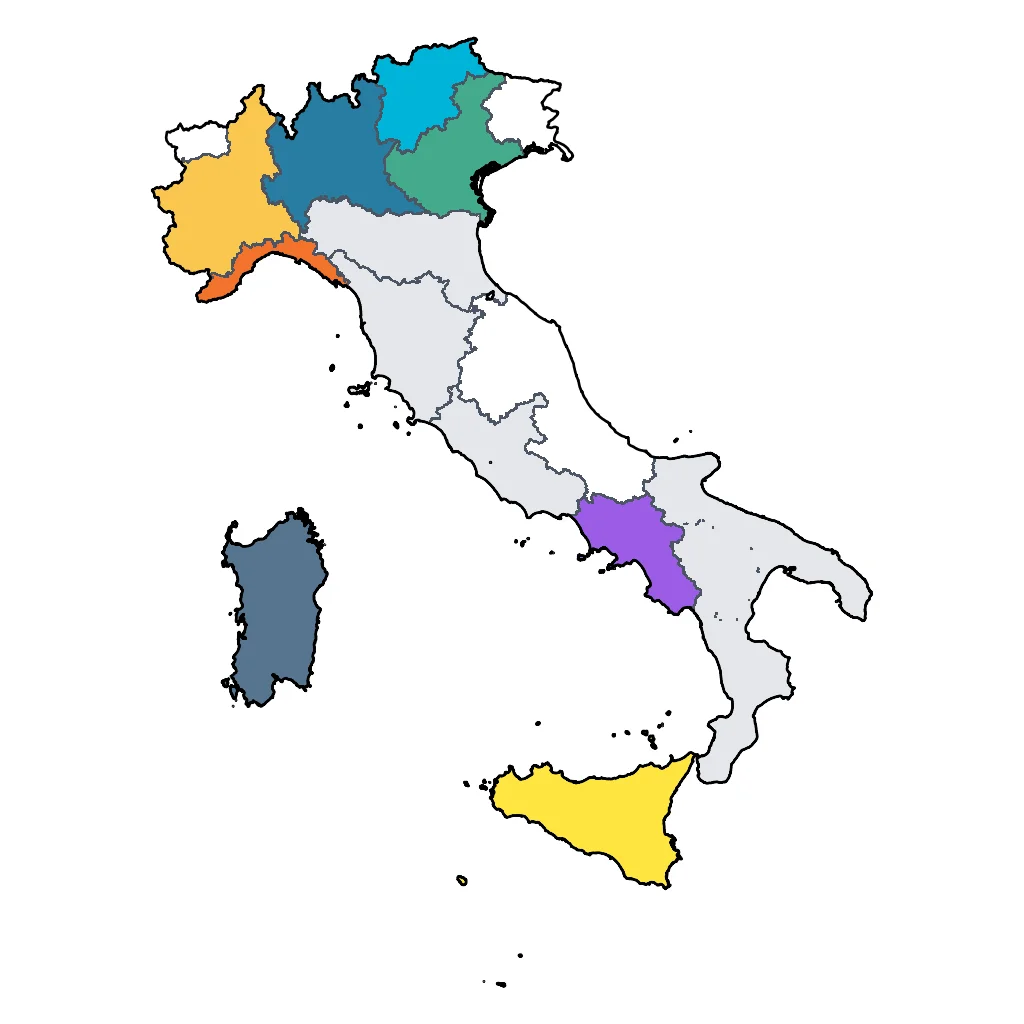
Toggle options to view domestic routes and international airports. Click an airport for details.
Climate & Weather
Dolomites & South Tyrol
Show Details
| Month | Temp °C | Rain | Humidity |
|---|
Emilia-Romagna (Bologna)
Show Details
| Month | Temp °C | Rain | Humidity |
|---|
Italian Lakes (Como, Garda, Maggiore)
Show Details
| Month | Temp °C | Rain | Humidity |
|---|
Liguria (Cinque Terre, Genoa)
Show Details
| Month | Temp °C | Rain | Humidity |
|---|
Milan & Lombardy
Show Details
| Month | Temp °C | Rain | Humidity |
|---|
Naples & Campania (Amalfi, Pompeii)
Show Details
| Month | Temp °C | Rain | Humidity |
|---|

Travel Advisory
While several agencies maintain baseline ratings, a significant number of major partners recommend increased vigilance primarily due to terrorism threats and major event security.
Safety Topics
Traveller Advice (5 groups)

Individuals participating in mountain sports or volunteering should ensure their insurance specifically covers specialized rescue and repatriation.

Information on the accessibility of public infrastructure and historic sites is provided to assist with trip planning.

Maintain copies of your passport separate from the original and remain aware of your surroundings in crowded plazas and transit stations.

Guidance is available regarding local social norms and legal protections; Italy is generally welcoming but regional attitudes may vary.

General safety guidance for solo travel is provided, focusing on remaining vigilant in less-lit areas at night.