

⚠️ SAFETY WARNING: Due to the volatile security environment, risk of armed conflict, and civil unrest, government agencies (including the USA, UK, Canada, Australia, Ireland, and New Zealand) advise travelers to reconsider or avoid travel to Lebanon. Specific concerns include border instability, the threat of terrorism, and limited consular assistance. Families are strongly urged to consult their own government's official travel advisory before considering a trip, as circumstances and risk assessments vary significantly.
Located at the eastern edge of the Mediterranean Sea, Lebanon offers a landscape that shifts rapidly from sandy coastlines to rugged mountain peaks. For families, the country's compact size means travel times between diverse environments are relatively short, although traffic congestion can be significant. The climate is typically Mediterranean, with hot, dry summers perfect for the coast and cool, wet winters that bring snow to the higher elevations.
History is visible everywhere, particularly in the coastal city of Byblos (Jbeil). Regarded as one of the oldest continuously inhabited cities in the world, it allows children to walk through Crusader castles, Roman colonnades, and Phoenician ruins all in one site. Just north of Beirut, the Jeita Grotto is a natural wonder that captivates visitors of all ages; families can take a cable car to the upper cave and a boat ride on the underground river in the lower cave to view massive stalactites and stalagmites.
Lebanese culture revolves heavily around food and hospitality. Dining is often a communal experience featuring mezze-small plates that are perfect for sharing. Children usually enjoy local staples like hummus, mild grilled chicken (taouk), and manakish, a warm flatbread often topped with cheese or thyme (za'atar). Sweets like baklava are widely available and popular.
Travelers must be aware of practical challenges resulting from the ongoing economic crisis. Lebanon currently operates largely as a cash-based economy; credit cards are rarely accepted, and families should carry sufficient US dollars in small denominations. Public infrastructure can be unreliable, with frequent electricity shortages, so flexibility and preparation are essential for any visit.

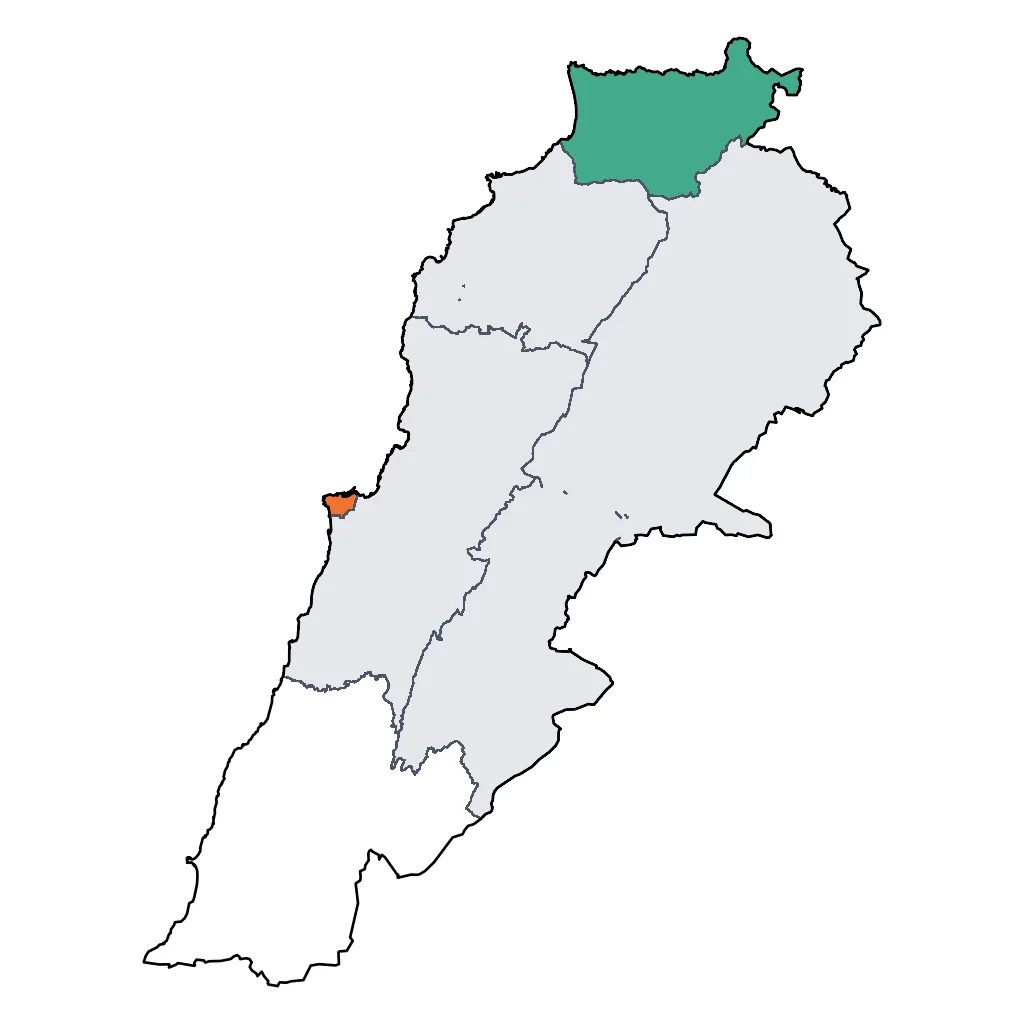
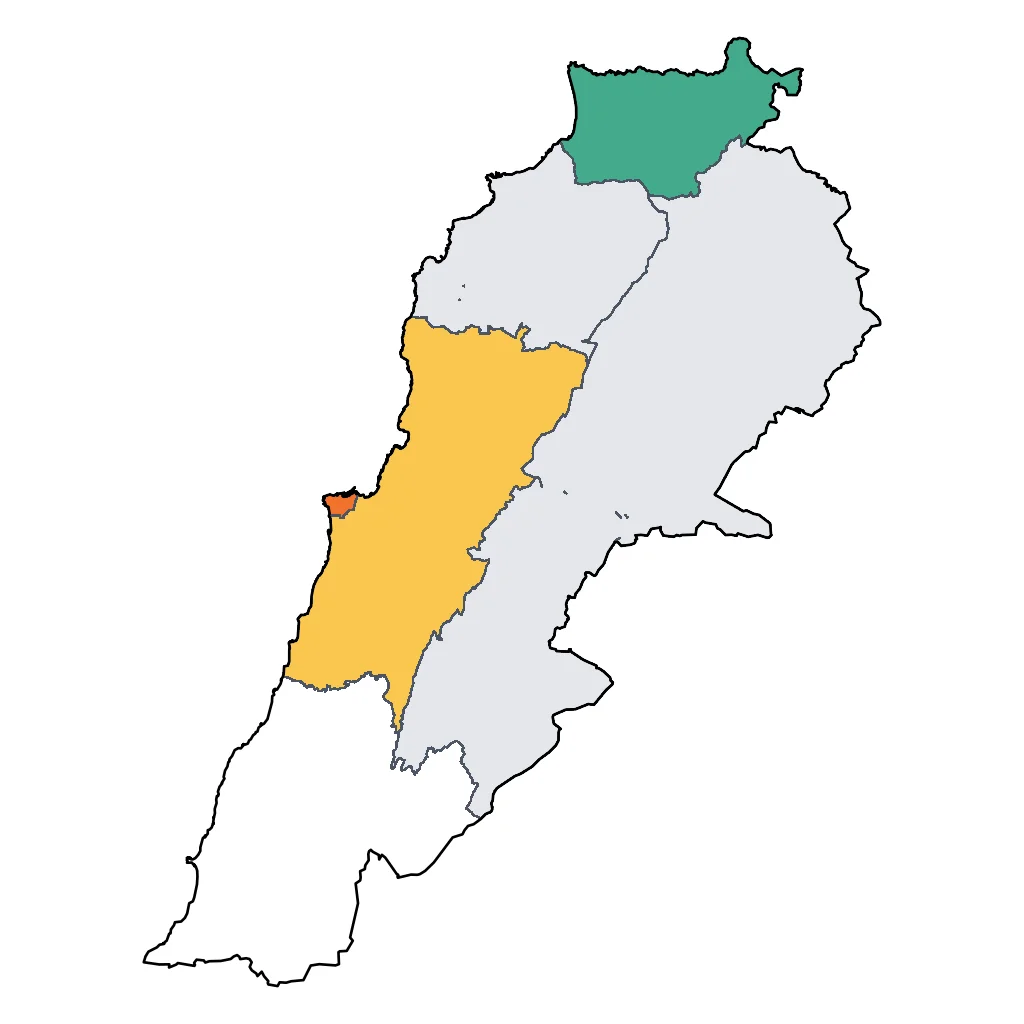
Explore Regions
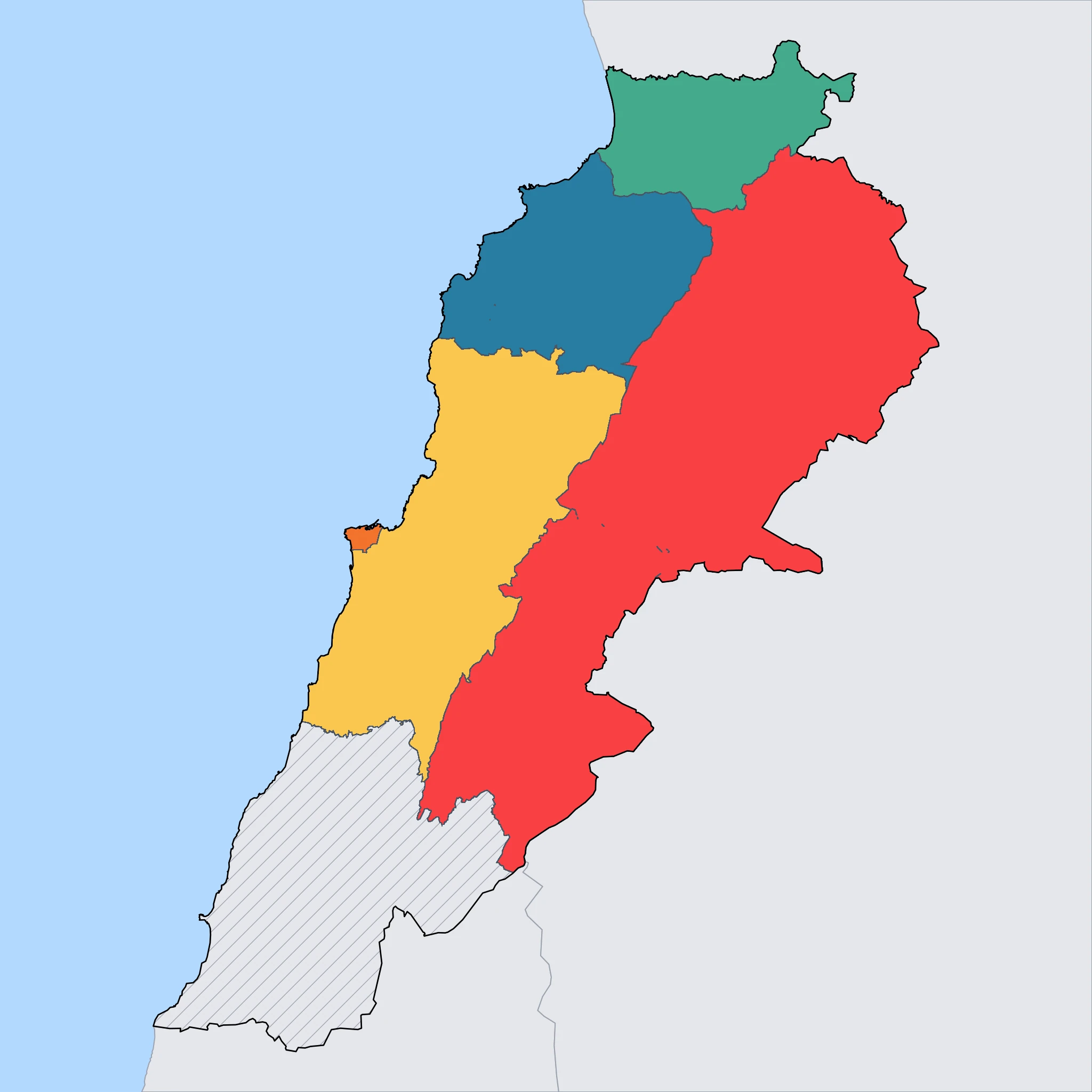
5 Regions
Beirut
A resilient city of culture, history, and seaside charm 🌊🏛️
Bekaa Valley (Baalbek)
Home to giants of history and endless vineyards 🍇🏛️
Byblos & North Coast
Ancient harbors, fossil hunts, and fresh lemonade 🍋🏰
Cedars & Mountains
majestic peaks and ancient forests 🌲🏔️
Tripoli
Authentic souks, medieval castles, and sweet treats 🍬🏰
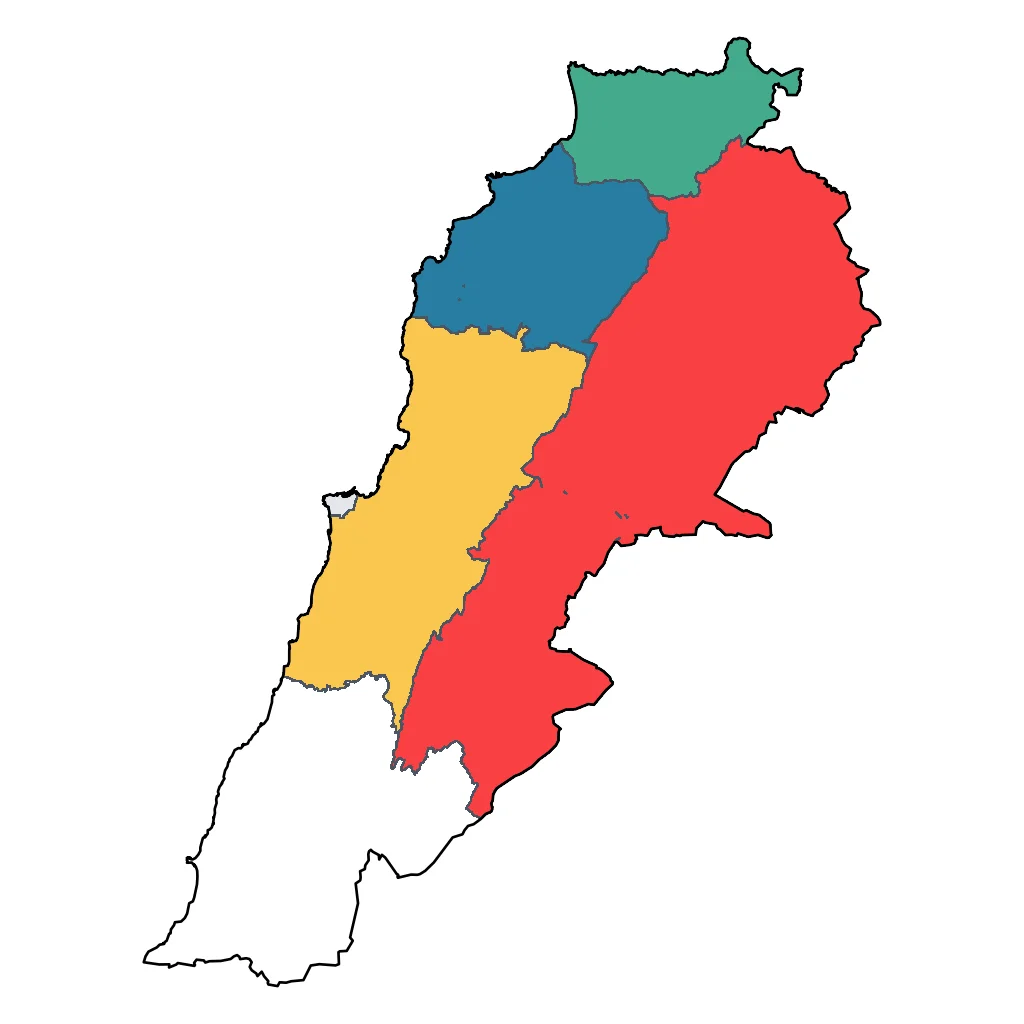
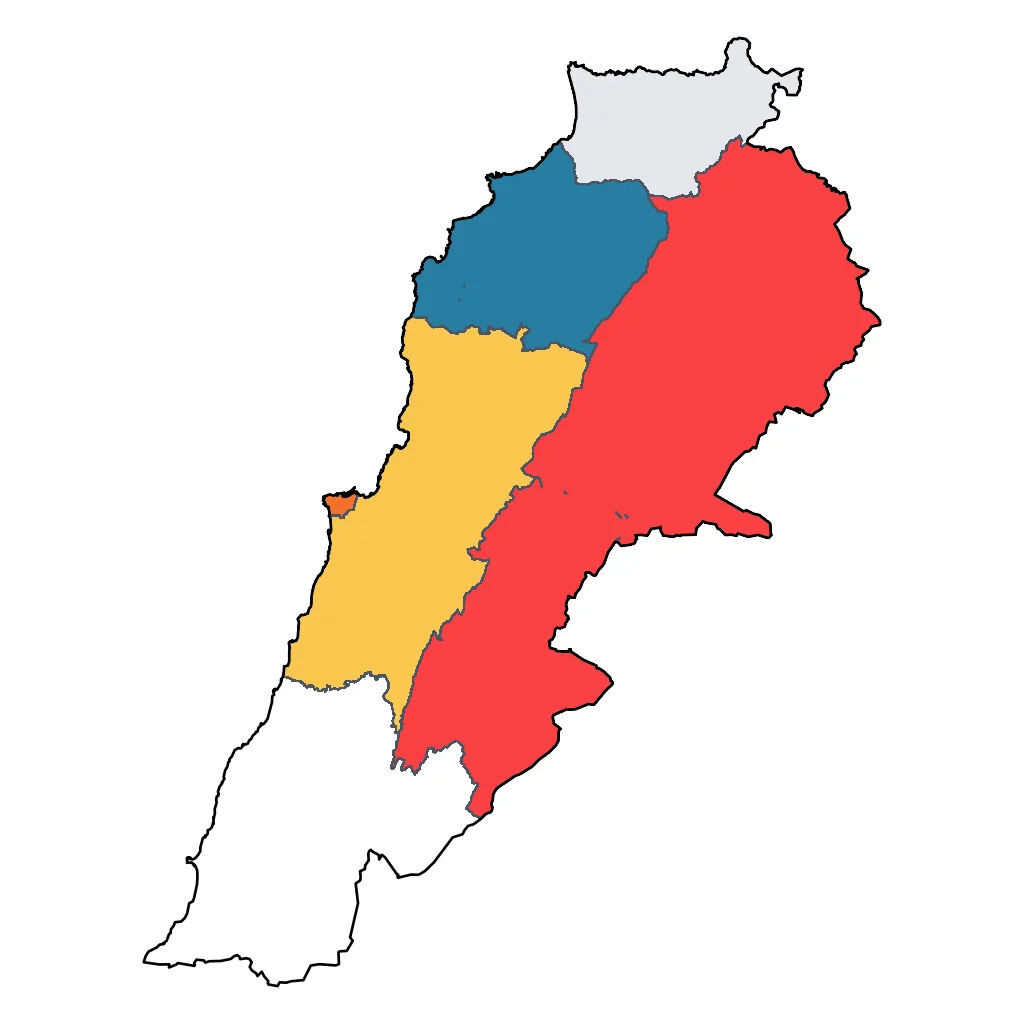
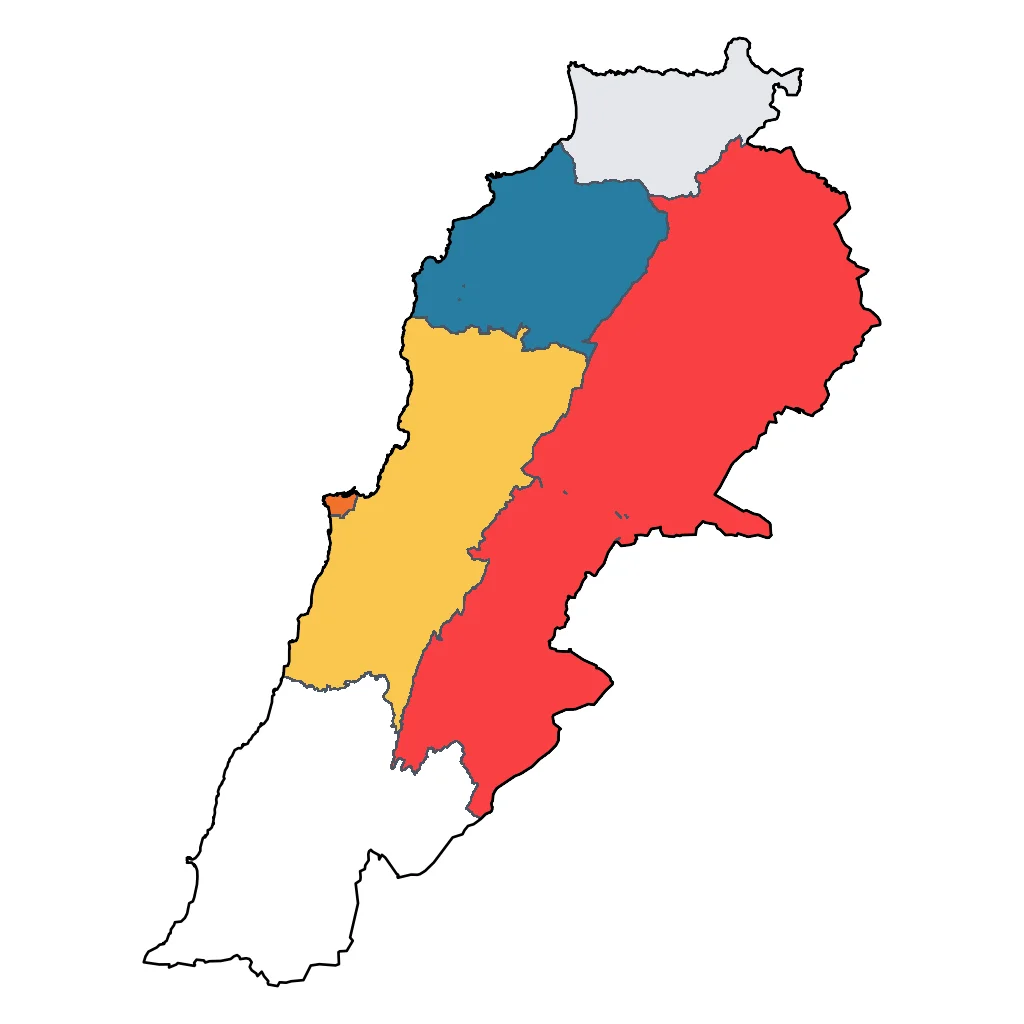
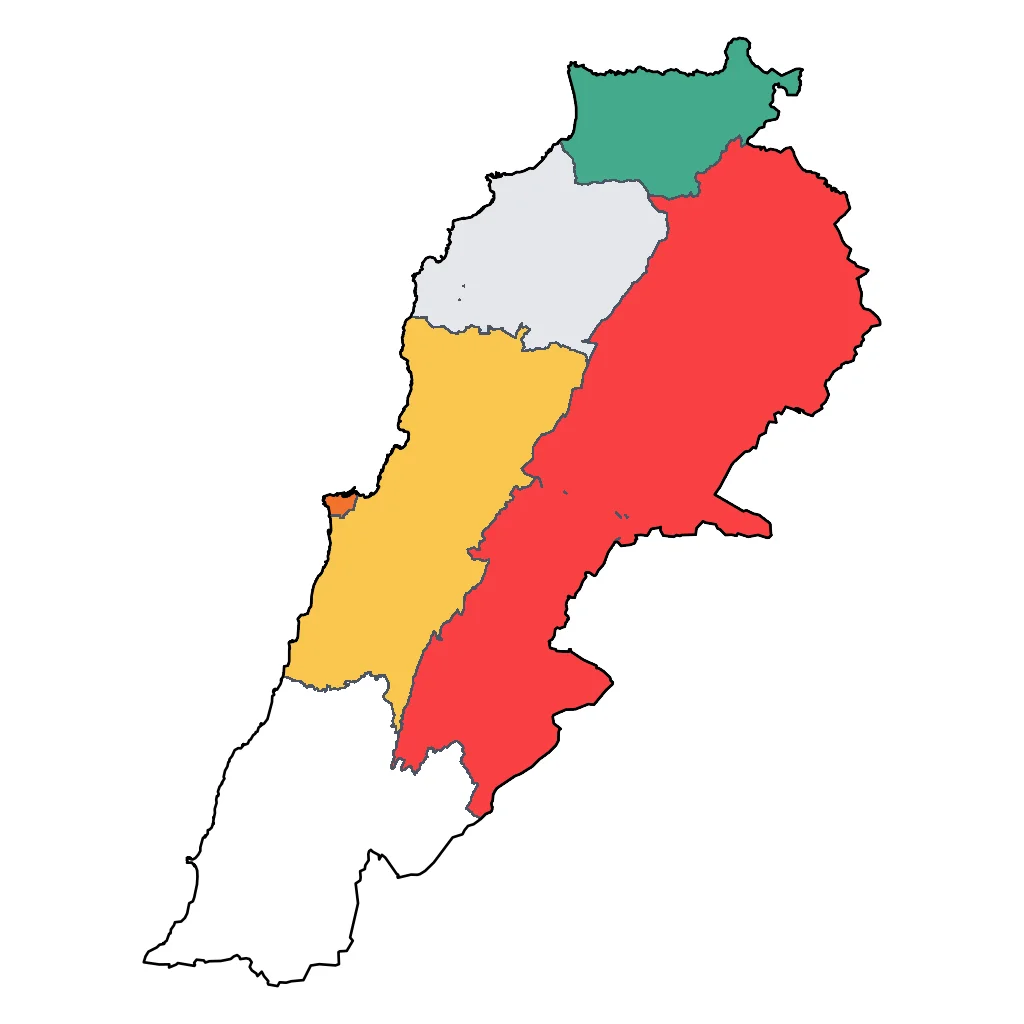
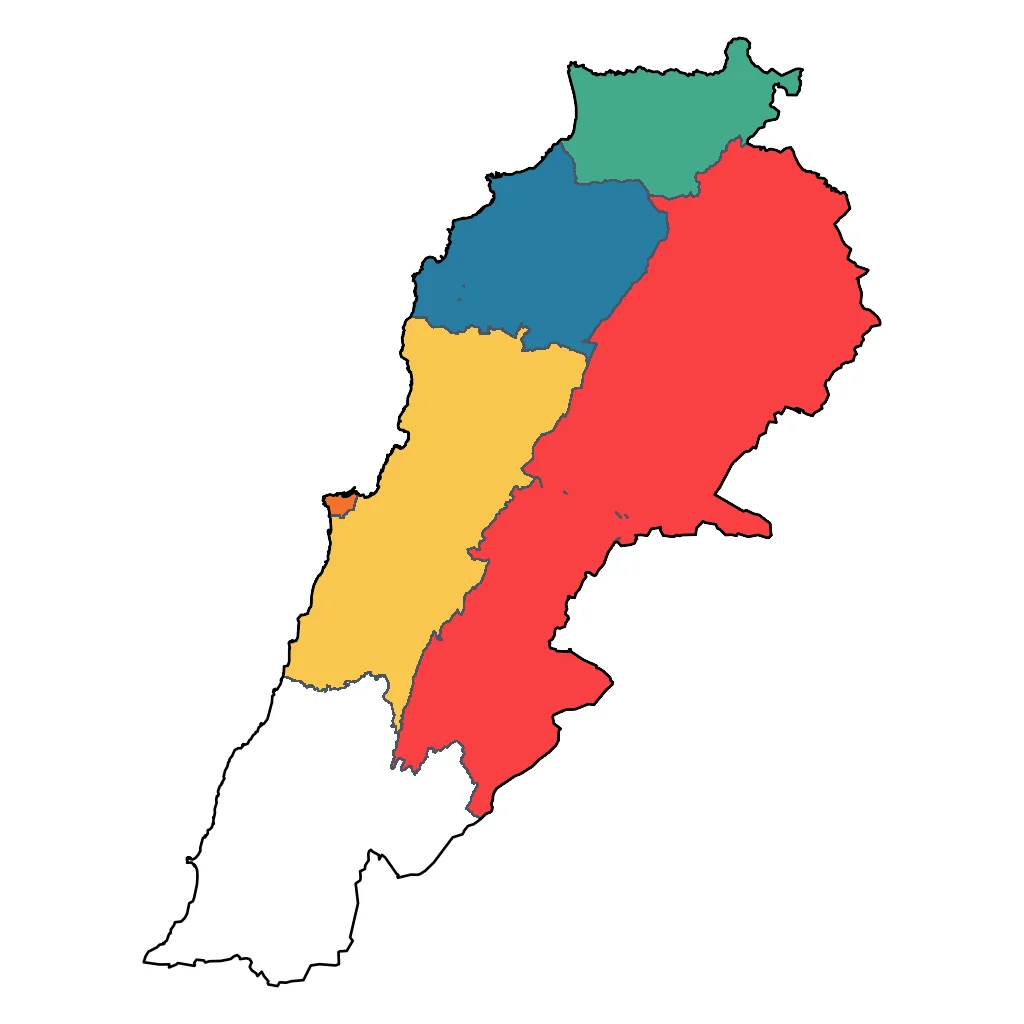
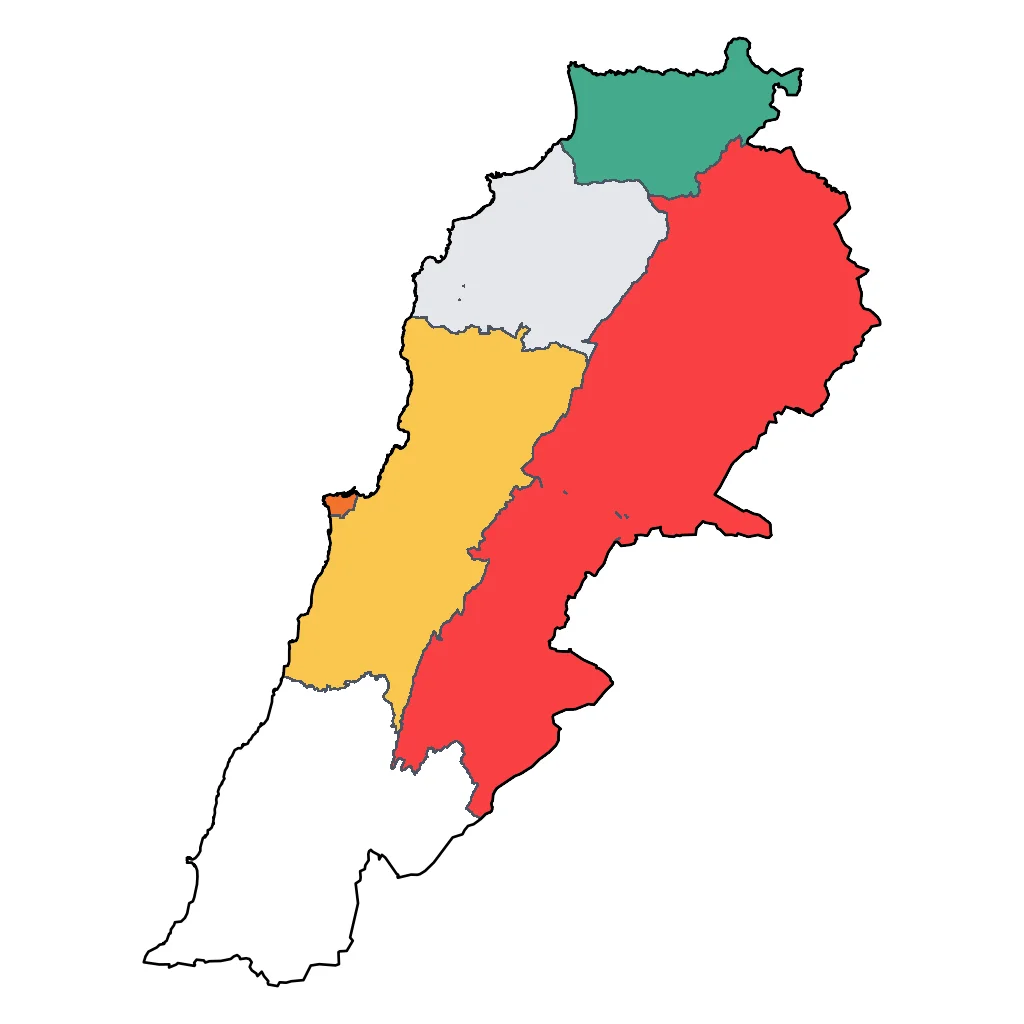
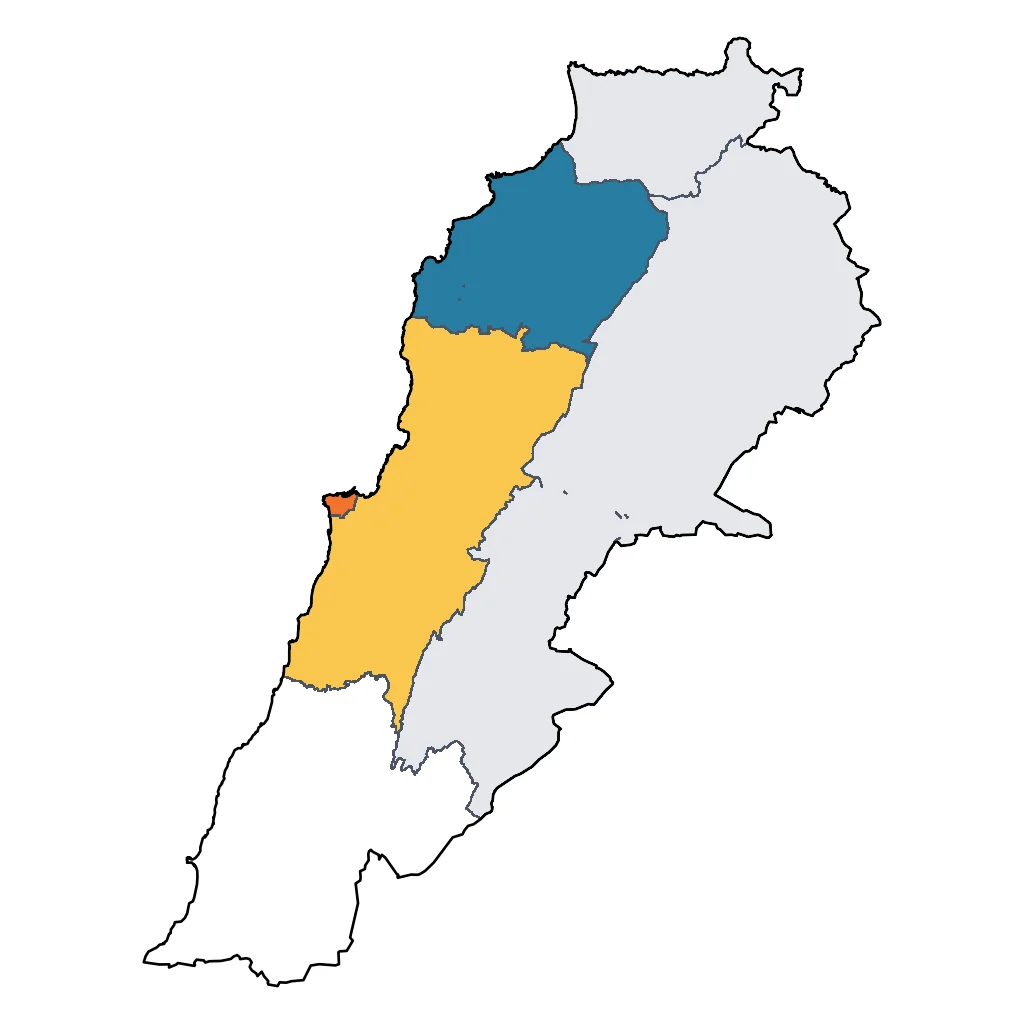
Click on a region marker to explore details. Use the dropdown to color regions by activity suitability.

Activities & Best Times

Adventure & Nature
ExcellentHiking, wildlife, outdoor exploration, ecotourism
Home to the UNESCO-listed Cedars of God and the dramatic Qadisha Valley, offering world-class hiking and pristine alpine scenery. Peak months provide dry, clear weather (precip <70mm) ideal for exploring ancient forests, while winter months see heavy precipitation and snow-blocked trails.
Features unique sites like the Aammiq Wetland for birdwatching and hiking in the foothills of the Anti-Lebanon range. Spring and autumn are peak for ecological diversity and moderate temperatures, while peak summer heat (31°C+) is more suited to indoor winery visits.
The Palm Islands serve as a pristine sanctuary for endangered sea turtles and migratory birds, offering a raw, authentic nature experience. Peak months align with mild weather and wildlife activity, while the peak of summer is slightly humid for outdoor exploration and winter months are often too rainy for island access.

City & Cultural
ExcellentUrban tourism, museums, historical sites, architecture
Home to the UNESCO-listed Baalbek Temple Complex, featuring some of the largest and best-preserved Roman architecture globally. Dry summer months provide ideal visibility and atmosphere for exploring the ruins, while heavy winter rains (over 100mm) and cold temperatures make outdoor sightseeing uncomfortable.
Byblos is a world-class UNESCO site offering 7,000 years of continuous history with authentic souks and a medieval harbor. Peak months offer mild temperatures perfect for exploring ruins; summer (Jul-Aug) is humid and hot, while winter (Nov-Feb) sees heavy rainfall exceeding 150mm.
Beirut offers a sophisticated blend of Phoenician history, French Mandate architecture, and a world-class culinary scene that rivals major European capitals. Spring and autumn provide the most comfortable walking weather, while summer humidity and heavy winter rains (over 150mm/month) make urban exploration less pleasant.

Educational & Exploratory
Very GoodLearning experiences, scientific sites, historical education
While Baalbek offers outstanding archaeological education, 'excellent' should be reserved for global top-tier educational destinations (Rome, Athens, Cairo, London). Baalbek is world-class for a specific niche but not broad enough in educational infrastructure to warrant 'excellent' by international calibration standards.
Home to the world-renowned National Museum and proximity to UNESCO sites like Byblos and Baalbek, the region is a premier destination for archaeological education. Temperate spring and autumn months are ideal for site visits; summer heat and winter storms limit access to outdoor historical sites.
The city offers profound educational value through its Crusader-era Citadel of Raymond de Saint-Gilles and traditional artisanal workshops like the historic Khan al-Saboun. Spring and early autumn offer the most comfortable climate for guided historical tours, whereas heavy winter rains limit access to archaeological sites.

Festivals & Seasonal
Very GoodEvents, celebrations, seasonal attractions
The world-renowned Baalbek International Festival transforms the ancient temples into a prestigious venue for global performing arts during peak summer. Other months offer very limited major cultural events, with winter weather being entirely unsuitable for large-scale outdoor celebrations.
The Byblos International Festival is a premier global event held in a unique historic setting by the sea. The festival runs during the peak summer months; the rest of the year lacks major international-scale cultural celebrations.
Beirut is a hub for high-caliber international events, including the Beiteddine and Byblos festivals which host world-renowned performers in historic settings. These major festivals are concentrated in the dry summer months; the rest of the year sees fewer events of international significance.

Road Trips & Scenic
Very GoodScenic drives, countryside tours, route-based travel
A scenic valley drive offering stops at world-class wineries like Chateau Ksara and dramatic mountain vistas. Peak months provide clear, dry roads and excellent visibility; winter months are prone to heavy rainfall and potential snow on mountain passes that connect the valley to Beirut.
Spectacular mountain passes and winding roads offer some of the most scenic drives in the Middle East. Peak months ensure dry roads and high visibility; winter months are dangerous for road travel due to heavy snow, ice, and frequent rain (up to 176mm in Jan).
Spectacular routes like the drive through the Chouf Mountains or along the Mediterranean coast offer breathtaking scenery and authentic rural stops. Spring and autumn provide optimal visibility and pleasant driving conditions; heavy winter rainfall and mountain snow make driving hazardous from November to February.

Relaxation & Wellness
GoodSpa retreats, wellness centers, peaceful getaways
Upscale vineyard estates and boutique eco-lodges offer a sophisticated rural retreat centered on oenology and slow living. Best experienced in the mild transition months; summer can be slightly intense for relaxation, and winter's high humidity and cold are less conducive to wellness retreats.
No spa/wellness attraction evidence in the DB. Urban hotel spas do not justify 'very_good' by international wellness standards (Bali, Thailand, Iceland, Japan onsen culture). 'Good' reflects availability of quality urban spas without overstating the wellness proposition.
High-altitude boutique retreats offer a peaceful escape from the humid coast with stunning mountain vistas. Summer months provide a refreshing, low-humidity (53-56%) climate for wellness; winter can feel isolated with harsh weather limiting outdoor relaxation.

Beach & Sea
GoodBeach resorts, marine activities: diving, snorkelling, kite surfing, wind surfing, sailing
Sophisticated beach club culture at venues like Zaitunay Bay offers world-class service, though urban water quality can be variable compared to remote islands. Summer months provide the hot, dry weather and warm sea temperatures (over 22°C) required for peak seaside activities; winter months are too rainy and cold.
The offshore Palm Islands Nature Reserve provides crystal-clear Mediterranean waters and a unique, non-commercialized island experience for families. Peak summer months offer the calmest seas and ideal water temperatures, while the winter months are unsuitable due to rough conditions and significantly lower air temperatures.
While Batroun and Byblos coastline are pleasant, they are not internationally renowned beach destinations. No beach attraction evidence in the DB. Mediterranean beaches here don't compare to Greek islands, Croatian coast, or Turkey's Turquoise Coast. 'Good' reflects nice but not standout beaches.

Ski & Snow
GoodWinter sports, ski resorts, snow activities
Ski resorts are 1+ hours from Beirut in the mountain regions. Attributing 'very_good' ski_snow to an urban coastal region based on proximity overstates Beirut's own offering. 'Good' reflects accessible day-trip skiing without implying the region itself is a ski destination. The ski classification properly belongs to Cedars & Mountains.
Lebanon's ski resorts (Cedars, Mzaar Kfardebian) are unique for the Middle East but objectively small and limited compared to Alpine, Rocky Mountain, Japanese, or Scandinavian resorts. Snow reliability is variable. 'Good' reflects the availability of skiing without overstating its international standing. No ski attraction evidence in DB.

Sports & Active
GoodSport tourism, fitness activities, active recreation
Excellent facilities for sailing, high-altitude hiking, and cycling are available within or near the city limits. Optimal performance temperatures occur in May-June and September-October; the peak of summer is often too humid for intense activity, while winter brings excessive rainfall.
A hub for mountain biking, paragliding, and trail running in a rugged, authentic landscape. Best experienced when rainfall is minimal (May-Sept), as heavy winter rains (over 100mm monthly) make the terrain unsuitable for most non-snow active sports.
Batroun is a regional hub for windsurfing and kitesurfing with established schools and high-quality equipment. Consistent thermal winds in summer provide peak conditions; winter is unsuitable due to unpredictable storms and cold water.
Airports & Flight Routes
Toggle options to view domestic routes and international airports. Click an airport for details.
Climate & Weather
Beirut
Show Details
| Month | Temp °C | Rain | Humidity |
|---|
Bekaa Valley (Baalbek)
Show Details
| Month | Temp °C | Rain | Humidity |
|---|
Byblos & North Coast
Show Details
| Month | Temp °C | Rain | Humidity |
|---|
Cedars & Mountains
Show Details
| Month | Temp °C | Rain | Humidity |
|---|
Tripoli
Show Details
| Month | Temp °C | Rain | Humidity |
|---|

Travel Advisory
The majority of international agencies advise against non-essential travel due to a volatile security environment, though some specific nations maintain stricter 'Do Not Travel' warnings.
Safety Topics
Traveller Advice (5 groups)

Homosexuality remains a sensitive legal issue and social discrimination is common. Discretion in public is strongly advised to avoid legal or physical risks.

Aid workers are specifically noted by some agencies as potential targets for kidnapping or harassment. They should maintain strict security protocols.

Media professionals face increased risks of detention or targeted violence and must obtain proper accreditation while avoiding sensitive military areas.

Women should dress conservatively in many areas and avoid traveling alone at night, as verbal and physical harassment has been reported in urban centers.

All visitors should maintain high vigilance, avoid all protests, and ensure they have enough essential supplies to shelter in place for several days if the security situation worsens.