

⚠️ SAFETY WARNING: Due to ongoing armed conflict, high rates of violent crime, and limited medical infrastructure, government agencies (including CA, USA, UK, AU, IE, and NZ) currently advise travelers to avoid all travel to South Sudan. The security situation is volatile and can deteriorate without warning. Families are strongly urged to consult their own government's official travel advisory before considering a trip, as circumstances and risk assessments vary.
Located in East-Central Africa, South Sudan is a land of vast plains and sprawling wetlands dominated by the majestic White Nile. This powerful river cuts through the center of the country, feeding the Sudd, one of the world's largest swamps. This immense ecosystem fluctuates with the seasons and serves as a critical habitat for a staggering array of birdlife, hippos, and crocodiles. The landscape is raw and largely undeveloped, offering a view of Africa that has remained geologically and ecologically consistent for centuries.
For those interested in natural history, the country hosts a wildlife spectacle that rivals the famous Serengeti. The migration of millions of white-eared kob and tiang antelope between Boma and Bandingilo National Parks is a massive biological event. Elephants, giraffes, and lions also roam these protected areas. While tourism infrastructure to support family viewing of these events is currently non-existent, the sheer scale of the biodiversity highlights the region's potential importance to global conservation efforts.
The cultural landscape is equally diverse, with over 60 different ethnic groups calling the nation home. The Dinka, Nuer, and Mundari peoples are renowned for their cattle-keeping traditions, where life revolves around the herd. Cattle are not merely livestock but are central to social status and spiritual life. In more stable times, vivid cultural expressions, including wrestling matches and traditional dances, showcase the resilience and strong community bonds of the local population.
Travel logistics within South Sudan remain extremely difficult. The climate is hot and tropical, with a heavy rainy season from May to October that turns the few unpaved roads into impassable mud, isolating many communities. Outside the capital city of Juba, medical facilities and standard accommodation are virtually absent. While the country holds incredible geographical and cultural riches, it currently lacks the safety and infrastructure required for standard leisure travel.
Explore Regions
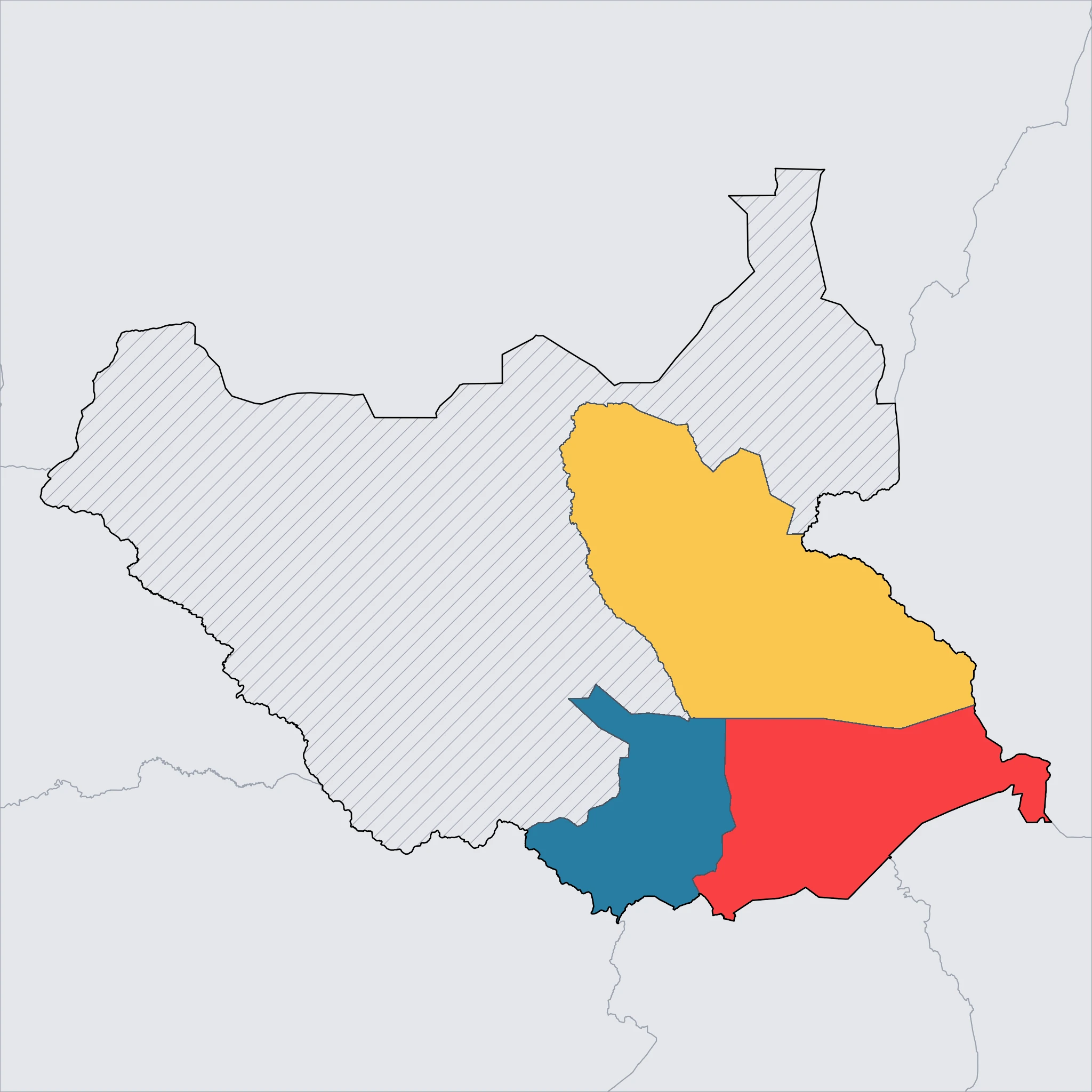
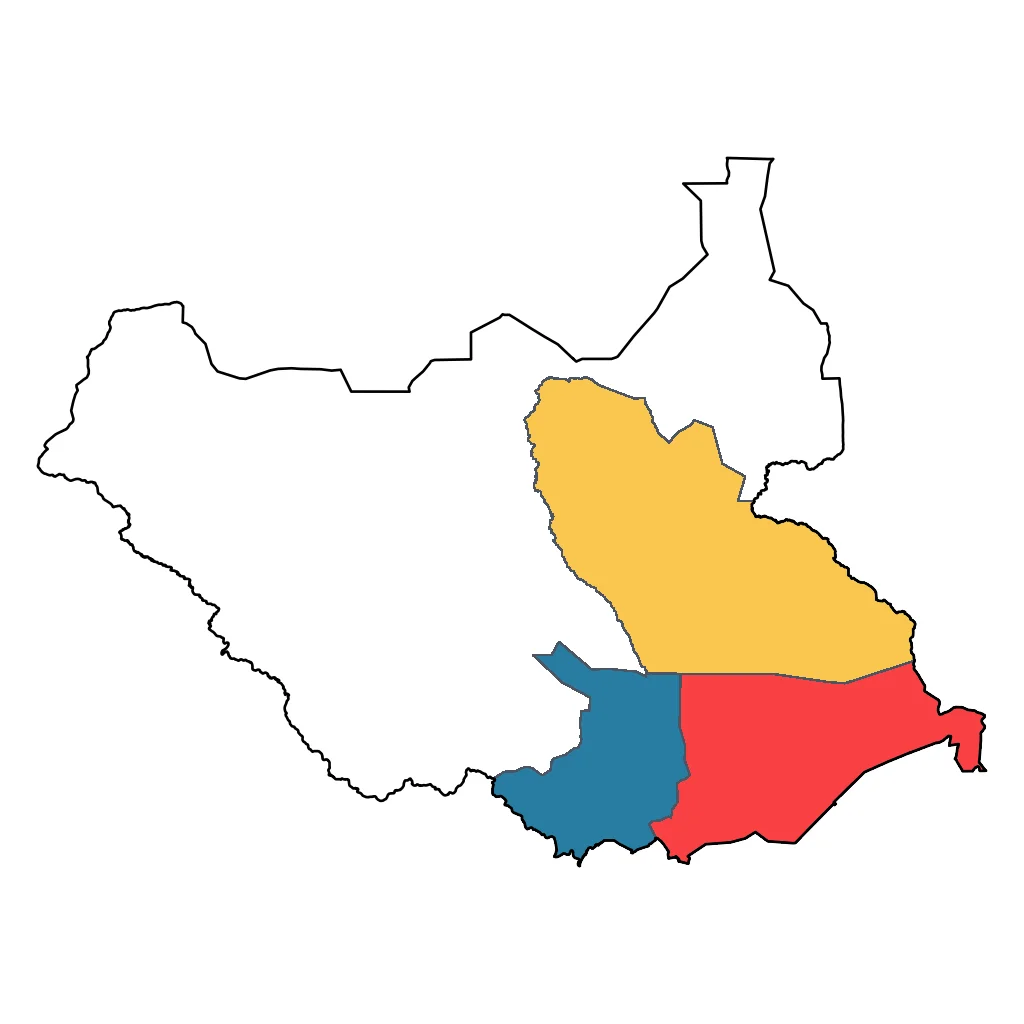
3 Regions
Eastern Highlands (Eastern Equatoria State)
Rugged peaks and ancient traditions ⛰️
Sudd Wetlands & Boma–Badingilo (Jonglei)
Vast wetlands and the great migration 🐃
White Nile Corridor (Central Equatoria State)
The river that shapes a nation 🌊
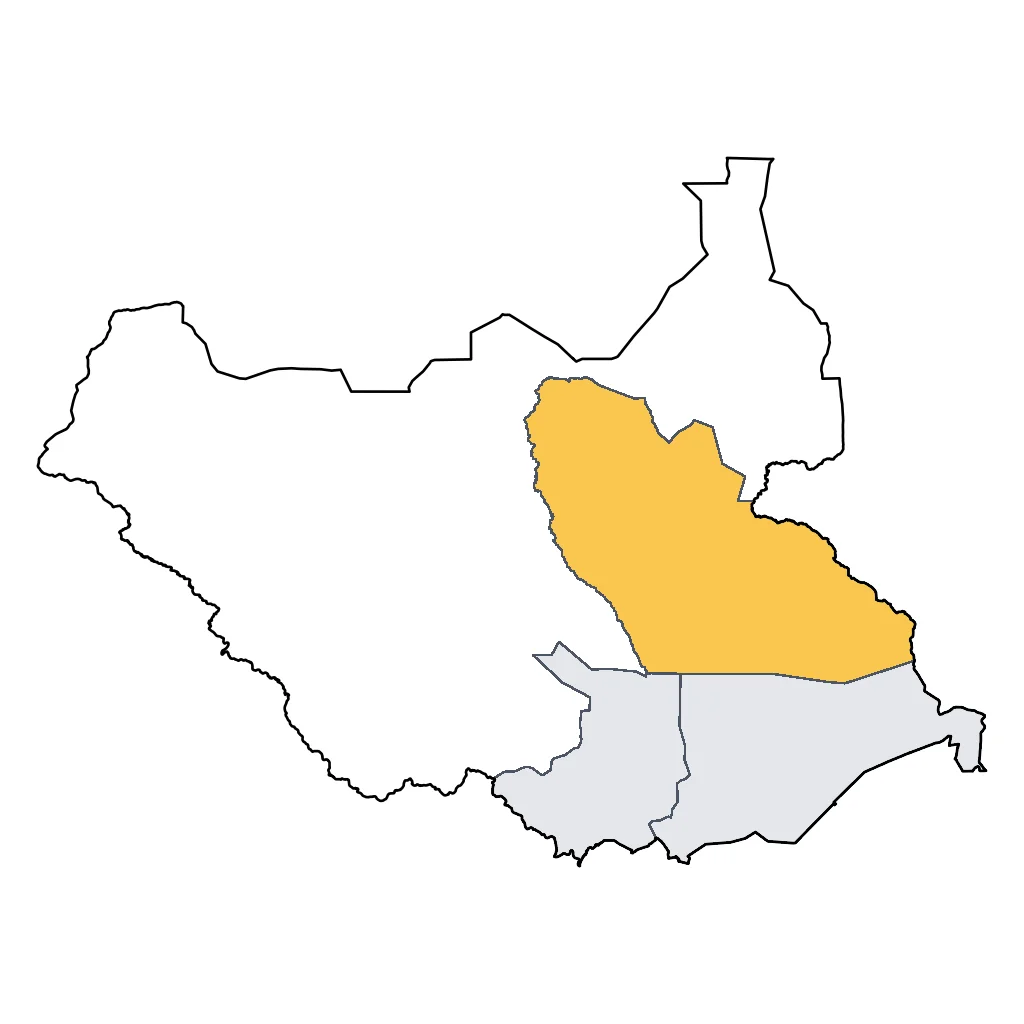
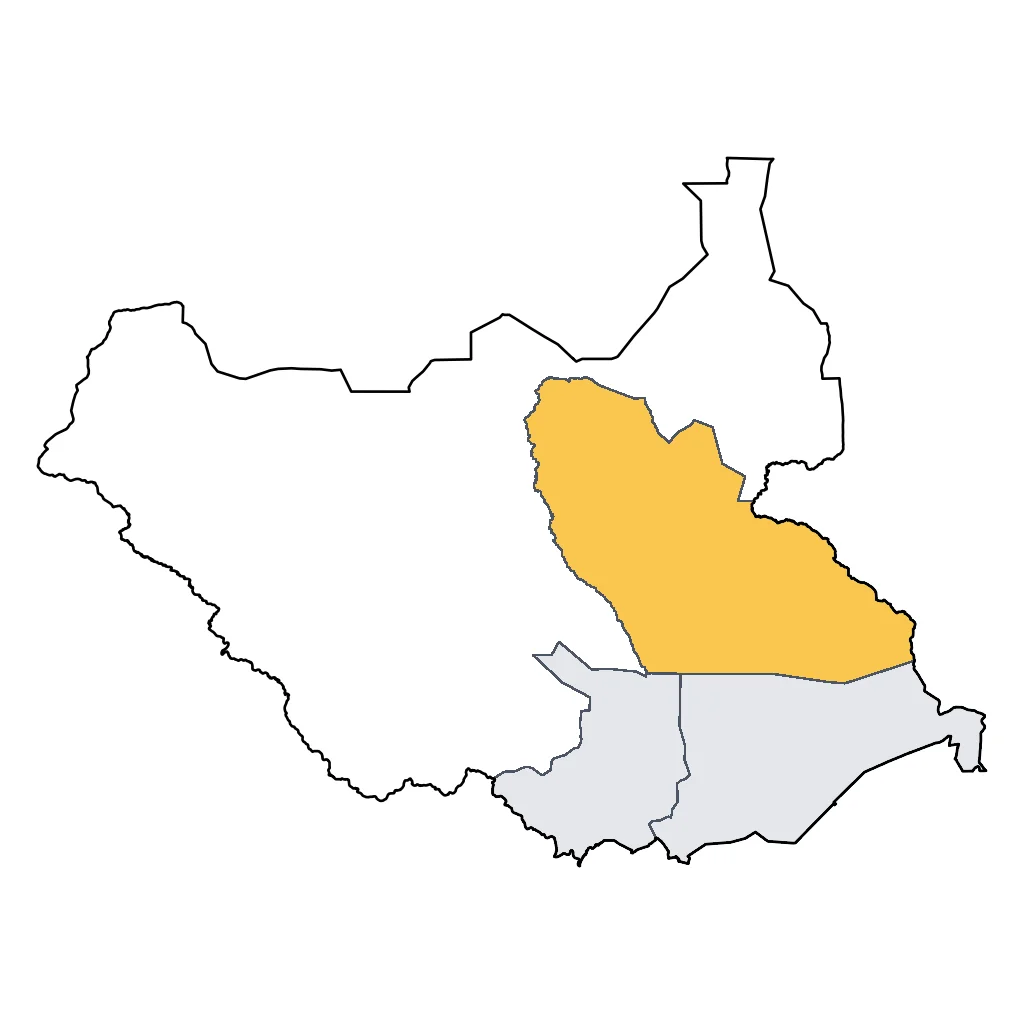
Click on a region marker to explore details. Use the dropdown to color regions by activity suitability.

Activities & Best Times
Adventure & Nature
Very GoodHiking, wildlife, outdoor exploration, ecotourism
While the Boma-Badingilo migration and Sudd wetlands are globally significant natural assets (second-largest land mammal migration), the region lacks the infrastructure, accessibility, and security conditions that define 'excellent' international adventure destinations. Severe access limitations, minimal tourism facilities, and ongoing security concerns prevent this from competing with established excellent-rated destinations like Patagonia, New Zealand, or Norway. 'very_good' appropriately recognizes the world-class natural resource while reflecting practical limitations.
The corridor offers a unique, authentic opportunity for sunset Nile cruises and serves as the essential gateway to the Sudd wetlands and the Great Migration. The dry winter months (Nov–Jan) provide manageable temperatures and low rainfall for river navigation, while the intense monsoon season (May–Oct) creates difficult travel conditions and high humidity.
The Imatong Mountains offer unique Afromontane biodiversity and trekking opportunities to peaks like Mount Kinyeti for intrepid families. Peak dry months (Nov–Jan) offer the best trail accessibility and visibility; shoulder months are cooler but bring muddy conditions, while extreme heat in February and March (>37°C max) makes trekking strenuous.

Educational & Exploratory
GoodLearning experiences, scientific sites, historical education
A world-class destination for natural history, offering deep insights into untouched ecosystems and ancient migratory patterns of over two million animals. The dry winter months provide the only viable window for educational exploration, as extreme heat in March-April and heavy monsoon rains from May onward create significant logistical barriers.
An important site for sophisticated travelers interested in Nile hydrology and the contemporary history of nation-building in Africa. The dry season allows for reliable access to historical landmarks and ecological research points, while extreme heat in Feb-Mar and heavy rains in mid-year limit educational fieldwork.
A raw, exploratory destination for families interested in ethnography and montane ecology in an untouched environment. The dry season (Nov–Jan) provides the necessary stability for field-based learning, whereas the extreme heat of February and March limits the comfort and safety of outdoor educational activities.

Festivals & Seasonal
GoodEvents, celebrations, seasonal attractions

City & Cultural
MarginalUrban tourism, museums, historical sites, architecture
Juba provides a raw, authentic look at the world’s youngest capital with its bustling riverside markets and diverse ethnic heritage, though it lacks global-standard museum infrastructure. Dry months offer the best conditions for exploring local culture on foot, whereas the rainy season brings significant mud and humidity that degrades the urban experience.
While lacking world-class urban infrastructure, the region offers highly authentic encounters with the traditional Lotuko and Acholi cultures. Peak months align with the dry season when remote villages are most accessible; travel becomes logistically difficult during the rainy shoulder season and physically taxing during the late-winter heat.
Road Trips & Scenic
MarginalScenic drives, countryside tours, route-based travel

Sports & Active
MarginalSport tourism, fitness activities, active recreation

Airports & Flight Routes
Toggle options to view domestic routes and international airports. Click an airport for details.
Climate & Weather
Eastern Highlands (Eastern Equatoria State)
Show Details
| Month | Temp °C | Rain | Humidity |
|---|
Sudd Wetlands & Boma–Badingilo (Jonglei)
Show Details
| Month | Temp °C | Rain | Humidity |
|---|
White Nile Corridor (Central Equatoria State)
Show Details
| Month | Temp °C | Rain | Humidity |
|---|

Travel Advisory
Extreme safety and security risks; travel is strongly discouraged or prohibited by all reporting agencies.
Safety Topics
Traveller Advice (4 groups)

Female visitors face an elevated risk of sexual violence and harassment; traveling alone is strongly discouraged.

Aid workers are frequently targets of violent crime, including kidnapping and robbery, particularly in rural project areas.

Homosexual acts are illegal and culturally unacceptable, posing significant legal and social risks to LGBTQ+ individuals.

Operating as a journalist is extremely dangerous and requires specific accreditation from the South Sudanese Media Authority; illegal reporting can lead to arrest or death.